Blackstone Hibachi Chicken: Caramelized and Crispy
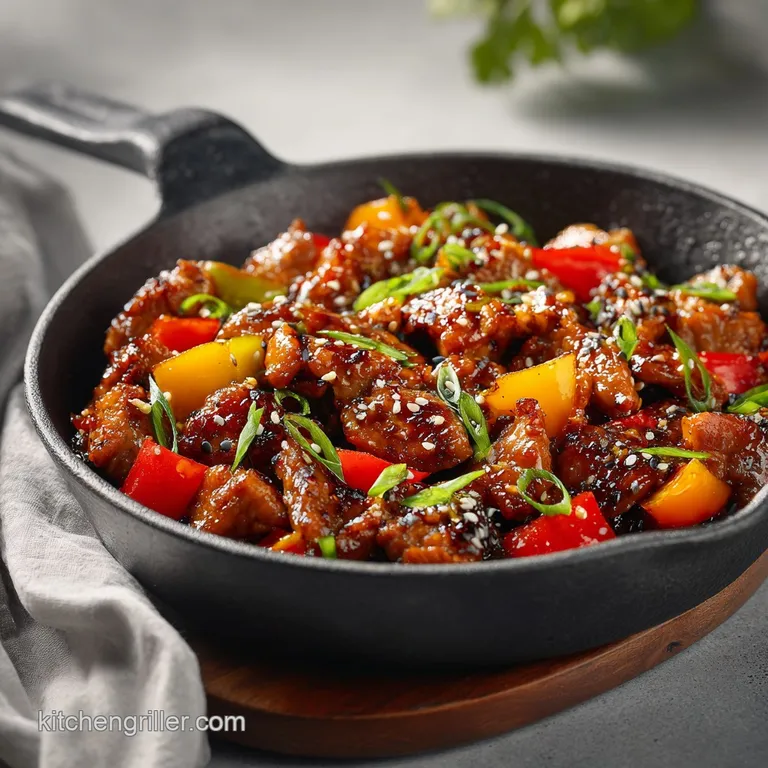
- Time: Active 15 minutes, Passive 10 minutes, Total 25 minutes
- Flavor/Texture Hook: A contrast of shatter crisp seared chicken and velvety garlic soy glaze.
- Perfect for: High energy family dinners or a rapid weeknight meal prep session.
- Bold Flavor Fusion with Blackstone Hibachi Chicken on the Griddle
- Why the High Heat and Fat Ratio Succeeds
- Deconstructing the Elements of Hibachi Flavor
- Essential Tools for over High heat Cooking
- Step-by-Step Guide to Mastering the Griddle
- Fixing Common Hibachi over High heat Mistakes
- Troubleshooting Common Issues
- Customizing Your Hibachi Fusion Experience
- Debunking Hibachi Cooking Myths
- Preserving Your Hibachi Leftovers Safely
- Visual Style for the Ultimate Hibachi Plate
- Recipe FAQs
- 📝 Recipe Card
Bold Flavor Fusion with Blackstone Hibachi Chicken on the Griddle
The roar of the burners and the immediate hiss of oil hitting steel always takes me back to the first time I saw a master teppanyaki chef work. Hibachi isn't just a meal; it's a cultural legacy of "teppan" (iron plate) and "yaki" (grilled) that transformed from humble post war Japanese roots into a global sensation.
It represents a celebration of direct heat, where every ingredient is respected by being cooked at its absolute peak temperature. When I fire up my griddle for this blackstone hibachi chicken on the griddle, I'm not just making dinner; I'm channeling that spirit of precision and heat.
We are chasing a specific kind of magic here: the contrast between the bold, salty punch of soy sauce and the rich, fatty embrace of garlic infused butter. In my early attempts, I used to crowd the surface, turning my beautiful chicken into a pile of grey, steamed meat. But we've moved past that.
Now, we use the massive surface area of the griddle to create a sear that actually has texture. You want that chicken to have a crust that mimics the snap of a professional kitchen, paired with vegetables that stay bright and vibrant instead of turning into mush.
This recipe is about the fusion of simple ingredients and aggressive technique. By the time the toasted sesame aroma hits your nose, you'll realize why this method is superior to any stovetop pan.
We're going to use specific heat zones to manage the chicken and the vegetables simultaneously, ensuring everything hits the plate at the exact same moment. No more cold sides or overcooked poultry just a high octane blast of flavor that feels like a shortcut to your favorite Japanese steakhouse, right in your own backyard.
Why the High Heat and Fat Ratio Succeeds
- Surface Area Dominance: The expansive griddle allows moisture to evaporate instantly, preventing the "stewing" effect seen in crowded pans.
- Maillard Density: over High heat avocado oil sustains a 400°F surface, creating a complex crust through protein sugar reactions.
- Controlled Steam Injection: Using a basting dome over zucchini and onions forces heat into the cellular structure without leaching out flavor.
- Emulsified Glaze Stability: The cold butter and soy sauce mixture forms a temporary emulsion that clings to the food rather than sliding off.
| Thickness | Internal Temp | Rest Time | Visual Cue |
|---|---|---|---|
| 1 inch cubes | 165°F | 2 minutes | Opaque center with golden crust |
| 1/2 inch slices | 160°F | 3 minutes | Firm to the touch, juices run clear |
| 2 inch chunks | 165°F | 5 minutes | Deep mahogany exterior sear |
The secret to why this specific blackstone hibachi chicken on the griddle recipe works lies in the thermodynamics of the iron plate. Unlike a thin stainless steel pan, the heavy griddle holds a massive amount of thermal energy. When you drop 1.5 lbs of cold chicken onto it, the temperature doesn't plummet.
Instead, the steel pushes back, driving heat into the meat fast enough to brown the outside while keeping the inside succulent. If you've ever wondered why restaurant hibachi tastes so much more "intense" than home cooking, it's this exact thermal recovery.
Deconstructing the Elements of Hibachi Flavor
To truly understand this dish, we have to look at the individual components that build the flavor profile. We aren't just tossing things together; we are layering textures. The chicken provides the savory foundation, while the zucchini and onions offer a sweetness that only comes from over high heat caramelization.
Mushrooms act as little sponges, soaking up the excess garlic butter and soy sauce.
| Ingredient | Science Role | Pro Secret |
|---|---|---|
| Avocado Oil | High Smoke Point | Prevents the oil from breaking down and tasting bitter at 400°F |
| Mirin | Sugar/Acid Balance | The glucose content helps create a sticky, glossy glaze very quickly |
| Unsalted Butter | Fat Emulsification | Adding it at the end creates a velvety mouthfeel that oil alone cannot |
| Low Sodium Soy | Umami Foundation | Provides the salt without overwhelming the natural sweetness of the veg |
Using a high-quality fat like avocado oil is non negotiable for me. I once tried this with extra virgin olive oil, and the kitchen looked like a smoke bomb went off. Avocado oil stays stable, allowing the chicken to develop that bold, dark crust we crave.
The mirin is another secret weapon; its unique sugar structure caramelizes at a lower temperature than table sugar, which helps glaze the meat in those final seconds of tossing.
Essential Tools for over High heat Cooking
You cannot execute a proper blackstone hibachi chicken on the griddle without the right arsenal. A heavy duty spatula is your best friend here not the flimsy plastic ones you use for eggs, but a stiff, stainless steel scraper. You need to be able to "smash" and "scrape" with authority.
The Blackstone provides the stage, but the spatulas are the performers that keep the food moving and prevent sticking.
I also highly recommend a basting dome. This is a simple stainless steel lid that captures the steam when you squirt water on the griddle. Without it, your zucchini will either be raw in the middle or burnt on the outside. By trapping that steam for exactly 60 seconds, you soften the internal fibers of the vegetable while the bottom continues to sear. It’s a dual action cooking method that is quintessential to the hibachi experience. If you’re looking to expand your menu, this over high heat technique is the same one I use for my Blackstone Hibachi Steak & Shrimp, which uses a similar vegetable medley.
step-by-step Guide to Mastering the Griddle
- Preheat your Blackstone griddle to medium high heat, aiming for a surface temperature of approximately 400°F (204°C). Note: A hot surface is vital for the initial sear.
- Pat the 1.5 lbs of chicken cubes dry with paper towels to ensure a proper sear. Note: Surface moisture is the enemy of a golden brown crust.
- Toss the chicken in a bowl with 2 tbsp avocado oil, 1 tbsp low sodium soy sauce, 1 tsp toasted sesame oil, and 0.5 tsp black pepper.
- Drizzle 1 tbsp neutral oil onto the hottest zone of the griddle.
- Spread the chicken in a single layer and sear undisturbed for 3 minutes until a dark, crispy crust forms on the bottom.
- Flip the chicken pieces and move them to a cooler zone to finish cooking through.
- On an adjacent burner zone, add the onions and zucchini. Squirt a small amount of water nearby and cover with a basting dome for 60 seconds until the vegetables are bright green and tender crisp.
- Remove the dome and add the 2 cups of sliced mushrooms to the vegetable mix.
- Combine the 4 tbsp softened butter, 3 minced garlic cloves, 2 tbsp soy sauce, and 1 tbsp mirin in a small bowl.
- Toss the chicken and vegetables together on the griddle, incorporating the garlic butter mixture until it emulsifies into a velvety glaze. Sprinkle with 1 tsp toasted sesame seeds before serving.
The transformation during those last 60 seconds is where the magic happens. When the garlic butter hits the hot steel and mixes with the soy sauce and mirin, it starts to bubble vigorously.
This isn't just boiling; it's the butter solids and liquids fusing with the sauce to create a coating that sticks to every nook and cranny of the chicken. If you see the sauce thickening and turning glossy, you've nailed it.
Fixing Common Hibachi over High heat Mistakes
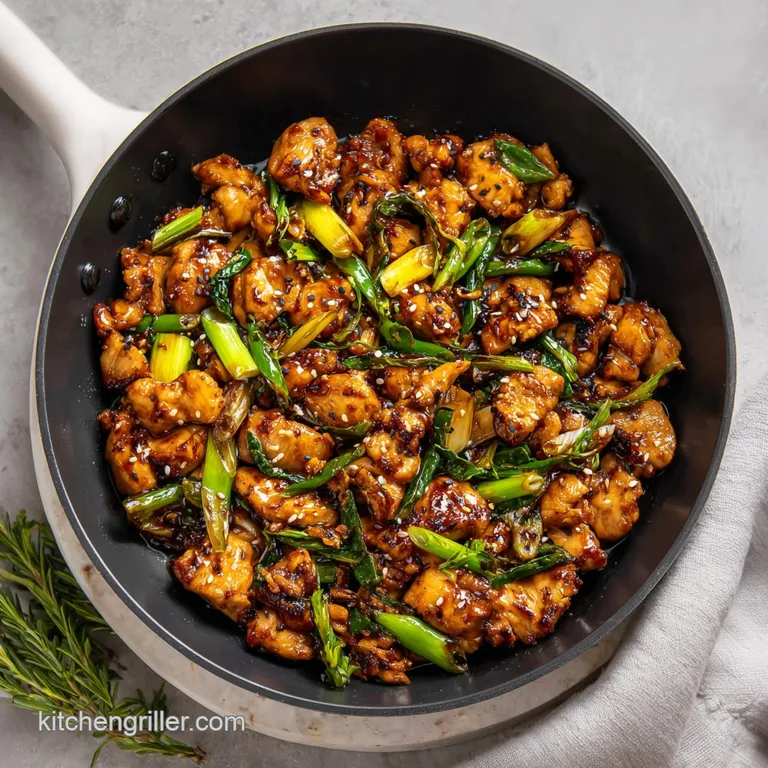
Troubleshooting Common Issues
| Issue | Solution |
|---|---|
| Why Your Chicken Looks Boiled Instead of Grilled | This usually happens because the meat was too cold or the griddle wasn't hot enough. When cold meat hits a luke warm surface, it releases its juices immediately. Because the heat isn't high enough to |
| Why Your Garlic Tastes Bitter | Garlic is incredibly delicate. If you put the minced garlic on the griddle at the beginning with the chicken, it will burn to a crisp and turn acrid. That's why we mix it into the butter and add it at |
| Why Your Mushrooms Are Shriveled | Mushrooms are mostly water. If you cook them too long, they lose all their volume and become tough. By adding them after the initial steam of the zucchini and onions, they only spend about 2 to 3 minu |
Common Mistakes Checklist
- ✓ Pat the chicken completely dry (moisture prevents the Maillard reaction).
- ✓ Do not stir the chicken for the first 3 minutes (give the crust time to bond).
- ✓ Use a thermometer to hit 400°F before starting (guessing leads to steaming).
- ✓ Keep the vegetables in a separate pile from the meat until the final toss.
- ✓ Add the garlic butter only at the very end to prevent burning the milk solids.
Customizing Your Hibachi Fusion Experience
Scaling this recipe for a crowd is relatively straightforward because of the griddle's size. If you want to double the recipe for 8 people, you'll need to work in batches for the initial sear. Even on a large Blackstone, adding 3 lbs of cold chicken at once will drop the temperature too much.
Sear half, move it to the side, then sear the second half. For the vegetables, you can usually do the full 2x amount at once as they have more surface area and don't dump as much moisture as the meat.
| Original Ingredient | Substitute | Why It Works |
|---|---|---|
| Chicken Breast (1.5 lbs) | Chicken Thighs (1.5 lbs) | Higher fat content; more forgiving if slightly overcooked |
| Avocado Oil (2 tbsp) | Grapeseed Oil (2 tbsp) | Similar high smoke point and neutral flavor profile |
| Mirin (1 tbsp) | Sherry + Sugar (1 tbsp) | Mimics the sweetness and acidity of Japanese rice wine |
If you are looking for a complete meal transformation, try serving this blackstone hibachi chicken on the griddle alongside my Blackstone Hibachi Fried Rice. The rice uses a similar flavor profile and can be made on the other half of the griddle while the chicken is finishing in the cool zone. It’s the ultimate way to utilize the full potential of your outdoor kitchen.
Debunking Hibachi Cooking Myths
One of the biggest myths is that you need "Hibachi Oil" (a mix of various oils) to get the right flavor. In reality, the flavor comes from the combination of over high heat searing and the garlic butter finish. The oil is simply a heat transfer medium.
As long as you use a neutral oil with a high smoke point, the results will be identical.
Another misconception is that the "show" (the fire, the onion volcano) is what makes the food taste better. While the spectacle is fun, the actual culinary benefit of the fire is minimal. The real flavor is built through the char on the vegetables and the emulsification of the sauce.
You don't need to be a circus performer to make world class hibachi at home; you just need to manage your heat zones effectively.
Preserving Your Hibachi Leftovers Safely
Leftover hibachi is a gift. It stores beautifully in the fridge for up to 3 days in an airtight container. When you're ready to eat it again, avoid the microwave if possible. The microwave will turn the chicken rubbery and the zucchini into a sad, watery mess.
Instead, throw it back on a hot skillet with a tiny splash of water and a half teaspoon of butter. This will re emulsify the sauce and bring back some of that original texture.
For zero waste, don't throw away the ends of your onions or the stems of your mushrooms. I keep a bag in the freezer for "griddle scraps." When the bag is full, I simmer them with some ginger and soy sauce to create a quick, hibachi style vegetable broth.
It’s a great way to squeeze every bit of value out of your grocery haul. If you have extra chicken, it can be frozen for up to 2 months, though the vegetables don't freeze well due to their high water content.
Visual Style for the Ultimate Hibachi Plate
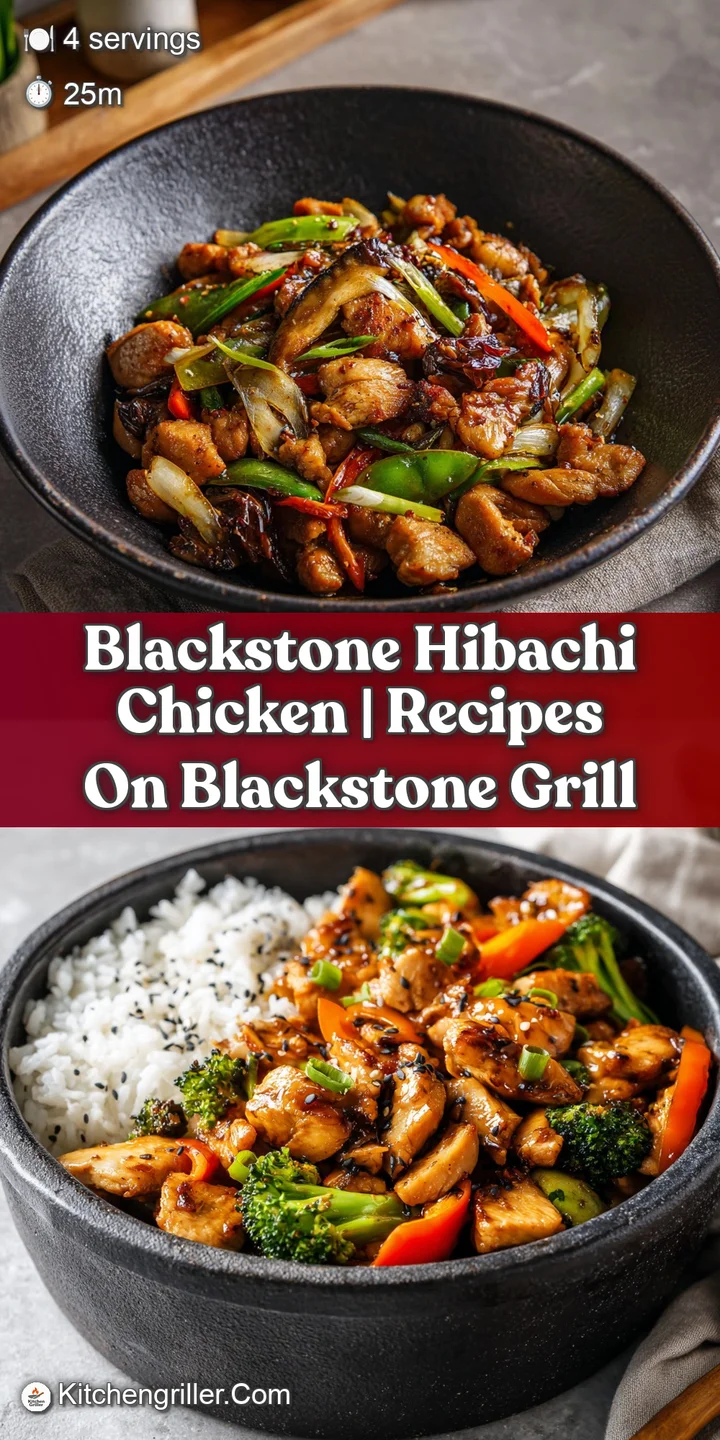
When you're ready to serve, think about the "smash" and "pile" aesthetic. Hibachi isn't meant to look delicate or plated with tweezers. It should look like a mountain of vibrant, steaming food.
I like to serve the chicken on one side and the vegetables on the other, allowing the garlic butter sauce to pool slightly in the middle.
A heavy sprinkle of toasted sesame seeds is the final touch. They add a tiny bit of crunch and a nutty aroma that ties the whole dish together. If you want a bit of "bright" contrast, a few thinly sliced green onions can add a fresh "pop" against the rich, dark sauce.
This dish is about the fusion of heat and soul, and when that first bite of seared chicken hits your tongue, you'll know why we put in the work on the griddle.
| Method | Time | Texture | Best For |
|---|---|---|---|
| High Heat Griddle | 10 mins | Crispy/Charred | Authentic Restaurant Style |
| Large Cast Iron | 15 mins | Deeply Browned | Small Batches Indoors |
| Wok Stir Fry | 8 mins | Tender/Snap | Quick Weeknight Dinners |
The beauty of the Blackstone is the space it gives you to breathe. You aren't cramped. You can see every piece of chicken, every slice of zucchini, and every mushroom. This visibility allows you to be a better cook.
You can see the exact moment the chicken is ready to flip or when the zucchini has reached that perfect state of tender crisp. Trust your eyes, listen to the sizzle, and don't be afraid of the heat. That bold, charred flavor is waiting for you.
Recipe FAQs
How to ensure the chicken develops a crisp crust?
Pat your chicken cubes dry with paper towels before seasoning. Excess moisture creates steam that prevents browning; by removing it, you ensure the meat sears immediately upon hitting the 400°F surface.
Why does my chicken look boiled instead of grilled?
This occurs because your griddle surface wasn't hot enough. When the temperature drops below the target 400°F, the chicken releases its juices before a sear can form, causing the meat to cook in its own liquid.
Is it necessary to use a basting dome for the vegetables?
Yes, using a dome is essential for perfect texture. Squirting water and covering the onions and zucchini allows them to steam and soften quickly without burning, ensuring they are tender by the time the chicken finishes.
How to prevent the minced garlic from turning bitter?
Avoid adding minced garlic at the start of the cook. Garlic burns rapidly on a hot griddle; adding it with the butter near the end preserves its flavor and helps it emulsify into the final glaze.
How to achieve the perfect velvety glaze on the griddle?
Incorporate the softened butter and soy sauce mixture only when combining all ingredients. If you enjoyed mastering the emulsification technique here, you can apply that same logic of blending fats and liquids to create rich, glossy coatings for other stir fry dishes.
Can I cook the vegetables and chicken at the same time?
Yes, but utilize different heat zones on your griddle. Keep the chicken on the hottest zone to maintain the sear while using a cooler zone for the vegetables to prevent them from drying out before the butter sauce is added.
Is it true I should wash the chicken before seasoning?
No, this is a common misconception. Washing chicken splashes bacteria around your kitchen and adds surface moisture, which directly prevents you from achieving the necessary golden brown sear on your griddle.
Blackstone Hibachi Chicken 2
Ingredients:
Instructions:
Nutrition Facts:
| Calories | 534 kcal |
|---|---|
| Protein | 55.4 g |
| Fat | 29.2 g |
| Carbs | 8.1 g |
| Fiber | 1.6 g |
| Sugar | 4.2 g |
| Sodium | 785 mg |
