Blackstone Philly Cheesesteak Recipe
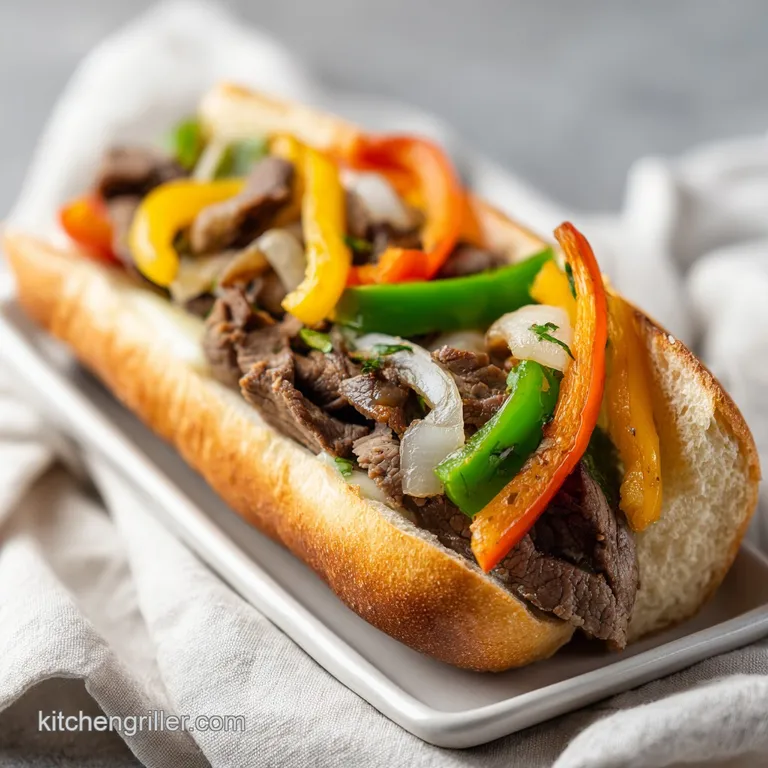
- Time: Active 15 minutes, Passive 10 minutes, Total 25 minutes
- Flavor/Texture Hook: Crusty charred ribeye with velvety, molten Cooper Sharp cheese
- Perfect for: High energy backyard hangouts or a heavy hitting weeknight dinner
- Mastering the Authentic Sizzle of a Philly Cheesesteak
- Getting the Timing Right for Your Griddle Session
- Breaking Down the Component Analysis
- Essential Gear for the Ultimate Sear
- How to Build Layers of Flavor
- Avoiding Common Kitchen Disasters
- Smart Swaps and Flavor Twists
- Scaling for Crowds or Singles
- Debunking Classic Sandwich Myths
- Practical Storage and Zero Waste
- Very High in Sodium
- Recipe FAQs
- 📝 Recipe Card
Mastering the Authentic Sizzle of a Philly Cheesesteak
Listen, there is a specific sound that happens when 1.5 lbs Ribeye Roast, thinly shaved, hits a screaming hot surface. It is a high pitched, aggressive hiss that tells you the fat is rendering and the crust is forming.
I used to make the mistake of using lean beef, thinking it would be "cleaner," but honestly, don't even bother with that. You need the marbling of ribeye to lubricate the meat as it sears.
The first time I got this right, the aroma of caramelizing onions and beef fat filled my entire neighborhood, and I knew I could never go back to those dry, sad deli meat versions.
We are chasing a very specific texture here: the meat needs to be thin enough to melt in your mouth but seared enough to have those crispy, browned edges. We are going to layer these flavors starting with the aromatics and finishing with a "cheese tent" that fuses everything together.
If you have ever had a sandwich where the cheese just sits on top like a cold blanket, you know why we are doing this. We want the cheese to become a structural component, a salty, creamy glue that binds the beef and peppers into a single, glorious unit.
The secret is in the speed and the heat. We aren't simmering or braising here; we are attacking the ingredients with high temperatures to trigger the Maillard reaction as fast as possible. You'll want your spatulas ready and your rolls prepped, because once that beef hits the steel, the clock is ticking.
This isn't just a sandwich, it's a over high heat performance that ends with the most satisfying, velvety bite you've had all year.
Getting the Timing Right for Your Griddle Session
Conductive Sequestration: The flat metal surface transfers heat directly into the shaved beef fibers, causing instant moisture evaporation and rapid browning. This creates a concentrated "beefy" essence that you simply cannot achieve in a crowded, high walled pan.
The Physics of the Flat Top
| Cook Method | Time | Texture Outcome | Best For |
|---|---|---|---|
| Outdoor Griddle | 8 minutes | Maximum char and crispy edges | Authentic street style results |
| Cast Iron Skillet | 12 minutes | Good crust but potential steaming | Small batches for two people |
| Stainless Steel Pan | 15 minutes | Even browning but less "smash" | Beginners or indoor cooking |
Choosing the right method changes how the fat behaves. On a griddle, the excess moisture can run off, allowing the meat to fry in its own rendered fat rather than boiling in its juices. This is why we use 2 tbsp high smoke point oil to kickstart the process before the ribeye's internal fat takes over the heavy lifting.
Breaking Down the Component Analysis
Understanding the "why" behind your ingredients prevents common mistakes like soggy bread or chewy meat. Each element in this Philly Cheesesteak has a specific chemical job to do during the 10 minutes of active cooking.
| Component | Science Role | Pro Secret |
|---|---|---|
| Shaved Ribeye | Fat to protein ratio | Freeze for 20 mins before slicing to get paper thin strips |
| Cooper Sharp Cheese | Emulsified melting | Higher fat content than standard American for a velvety finish |
| Yellow Onions | Sugar caramelization | Slice against the grain for faster breakdown and sweetness |
| High Smoke Oil | Thermal bridge | Use avocado or grapeseed oil to prevent acrid smoke flavors |
The 4 oz white button mushrooms and green bell pepper add necessary hydration and a slight bitter contrast to the rich, heavy fat of the beef. Without that vegetal "snap," the sandwich can feel one dimensional.
Essential Gear for the Ultimate Sear
You cannot win this battle with a flimsy spatula. You need heavy duty, stainless steel bench scrapers or spatulas that can "chop" the meat as it cooks. This mechanical breakdown increases the surface area, which means more places for the 8 slices Cooper Sharp American cheese to latch onto.
You also need a reliable way to create steam. A simple metal melting dome (or even a large stainless steel bowl) is non negotiable. This trap captures the moisture from the 2 large yellow onions and the beef, forcing the cheese to melt into every crevice of the meat in under 30 seconds.
Finally, ensure you have a serrated knife for the 4 authentic hoagie rolls so you don't crush the bread before it even hits the heat.
Chef's Tip: Freeze your unsalted butter for 10 minutes before grating it onto the hoagie rolls. Grated butter melts more evenly and creates a "shatter" crisp texture on the bread that whole pats of butter just can't match.
How to Build Layers of Flavor
- Prep the bread. Split the 4 authentic hoagie rolls and spread 3 tbsp unsalted butter mixed with 1/2 tsp garlic powder on the insides. Note: This creates a waterproof fat barrier so the meat juices don't turn the bread into mush.
- Toast the rolls. Place rolls butter side down on the cool side of the griddle until golden and crackling. Move them to a warming rack.
- Sauté the aromatics. Toss the 2 large yellow onions, 1 green bell pepper, and 4 oz white button mushrooms with 1 tbsp oil. Cook 5 minutes until softened and slightly charred.
- Sear the beef. Push vegetables to the side. Add the remaining oil and the 1.5 lbs thinly shaved ribeye roast in a flat layer.
- Season aggressively. Sprinkle 1 tsp coarse sea salt and 1 tsp freshly cracked black pepper over the raw meat immediately. Note: Salt draws out moisture to help the searing process start faster.
- Chop and flip. Use your spatulas to flip the beef after 2 minutes. Chop the meat into smaller pieces until no pink remains.
- Merge the piles. Mix the sautéed vegetables into the beef. Divide the mixture into four long rows that match the length of your rolls.
- Apply the cheese. Lay 2 slices of Cooper Sharp American cheese over each row.
- The Steam Tent. Squirt a splash of water near the meat and cover with a dome for 30 seconds until the cheese is completely molten and velvety.
- Final Assembly. Scoop the cheesy beef mixture into the toasted rolls using a long spatula. Serve immediately while the steam is still rising.
Avoiding Common Kitchen Disasters
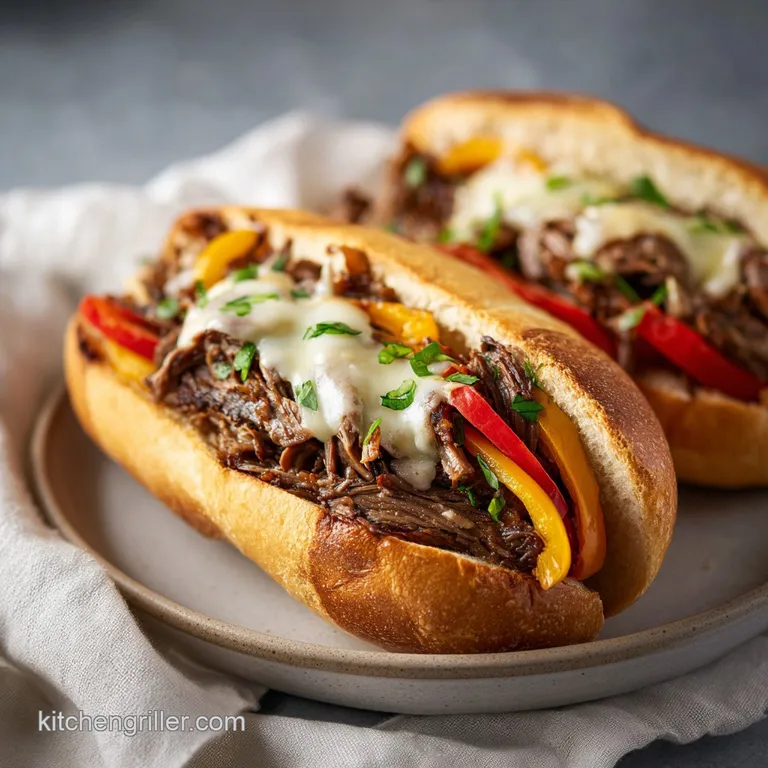
The most heartbreaking mistake in a Philly Cheesesteak is "steamed meat." This happens when you crowd the cooking surface or don't use enough heat. If your meat is grey instead of brown, your surface temperature is too low. You want that steel glowing with heat before the beef ever touches it.
Quick Fix Guide
| Problem | Root Cause | Solution |
|---|---|---|
| Tough or Chewy Meat | Sliced too thick or against grain | Freeze beef before slicing to get translucent, thin pieces |
| Soggy Bottom Bread | Meat was too watery | Drain the vegetable mix before combining with meat or toast bread longer |
| Cheese Broke/Oily | Overheated the cheese | Use the "Steam Dome" trick for fast melting without separation |
Common Mistakes Checklist
- ✓ Don't skip the garlic butter on the rolls; it’s your flavor foundation and moisture barrier.
- ✓ Pat the sliced mushrooms dry before cooking to ensure they sear rather than boil.
- ✓ Never use pre shredded cheese; the potato starch coating prevents that silky, cohesive melt.
- ✓ Wait for the "blue smoke" from your oil before dropping the beef to guarantee a crust.
- ✓ Let the onions develop a dark gold color before mixing them into the meat.
Smart Swaps and Flavor Twists
If you can't find Cooper Sharp, don't panic, but don't settle for "processed cheese food" either. You need something with high meltability and a punchy salt profile.
| Original Ingredient | Substitute | Why It Works |
|---|---|---|
| Ribeye Roast | Top Round or Sirloin | Leaner and cheaper. Note: Must add extra butter to prevent dryness. |
| Cooper Sharp | Provolone (Sharp) | Classic Philly choice. Adds a nutty, funky edge but less creamy. |
| Hoagie Rolls | French Bread Baguette | Provides a sturdier "crunch" but can be harder to bite through. |
If you want a spicier kick, swap the green bell pepper for sliced long hots or pickled cherry peppers. This adds an acidic brightness that cuts through the heavy fat of the ribeye.
For a fusion twist, add a teaspoon of gochujang to the onions while they sauté for a smoky, fermented heat that pairs brilliantly with the beef.
Scaling for Crowds or Singles
Scaling Down (1-2 servings): Use a standard 12 inch cast iron skillet. You'll need to work in two stages: cook the veggies first, remove them, then do the meat. If you try to do both at once in a small pan, you'll end up with a soggy mess.
For the egg wash (if using for a different bun type), beat one egg and use exactly half.
Scaling Up (8-12 servings): This is where the outdoor griddle shines. Keep your salt and pepper at 1.5x the ratio instead of doubling it to avoid an oversalted disaster. Work in "zones" keep a cool zone for finished vegetables and a scorching hot zone specifically for the beef.
Always toast the bread in batches so it stays warm and crispy.
Debunking Classic Sandwich Myths
Many people believe you must use Cheez Whiz for an "authentic" experience. While it's a popular choice at tourist spots, many locals prefer the creamy, high-quality melt of sharp American or Provolone. Whiz often masks the flavor of high-quality ribeye, whereas a sliced cheese complements it.
Another myth is that you should marinate the beef. In a Philly Cheesesteak, the flavor comes from the sear and the fat, not a liquid marinade. Adding liquid to shaved beef actually hinders the Maillard reaction, leaving you with grey, boiled meat instead of those beautiful charred bits we're after.
Practical Storage and Zero Waste
Storage: Store the meat and vegetable mixture in an airtight container in the fridge for up to 3 days. Do not store the meat inside the bread, or you will wake up to a soggy sponge. To reheat, toss the meat back onto a hot skillet for 2 minutes to revive the fat, then add fresh cheese.
You can freeze the cooked meat for up to 2 months, though the texture of the peppers will soften significantly.
Zero Waste: Don't throw away those onion ends or pepper scraps! Throw them into a freezer bag for your next batch of beef stock. If you have leftover cheesy meat but no bread, it makes an incredible "Philly Bowl" over cauliflower rice or mixed with scrambled eggs for a high protein breakfast.
Even those little crispy bits of cheese stuck to the griddle (the "frico") should be scraped up and put right on top of the sandwich for a salty crunch.
Very High in Sodium
1485 mg mg of sodium per serving (65% % of daily value)
The American Heart Association recommends limiting sodium intake to about 2,300mg per day for overall health.
Tips to Reduce Sodium in Your Cheesesteak
-
Lower Sodium Cheese-15%
Replace the Cooper Sharp American cheese with a lower sodium cheese option like Swiss or provolone. This can significantly reduce the sodium content of each serving by approximately 15%.
-
Reduce Added Salt-25%
Eliminate the coarse sea salt entirely, or reduce the amount by half. Use a combination of pepper and other spices to compensate for the flavor. This could decrease sodium by up to 25%.
-
Choose Lower Sodium Beef-10%
Ensure the ribeye roast hasn't been pre-treated with sodium solutions. Ask your butcher for a cut without added salt. This will help lower sodium, although the reduction percentage can vary, it is still important.
-
Select Low Sodium Rolls-10%
Check the nutrition information of different hoagie rolls, some varieties can be surprisingly high in sodium. Look for a low sodium option or make your own at home.
-
Spice It Up!
Enhance the flavor with fresh or dried herbs like oregano, basil, or thyme to add depth and complexity without any sodium. This does not reduce sodium but makes the dish tastier without it.
-
Homemade is Best-15%
Preparing your own hoagie rolls and controlling the sodium during food preparation can greatly reduce the amount of sodium.
Recipe FAQs
How long to cook Philly CheeseSteak on Blackstone?
Aim for 8 minutes total searing time on the griddle. You must work fast to achieve the right crust; push the sliced ribeye onto the screaming hot surface and allow it to sear for about 2 minutes before chopping and mixing with the vegetables.
What is the secret ingredient in Philly CheeseSteak?
The secret is high-quality, well marbled ribeye steak. The fat content renders out during the high heat sear, lubricating the meat fibers and creating the essential richness and flavor base.
What is in Blackstone CheeseSteak seasoning?
Keep it simple: coarse sea salt and freshly cracked black pepper. Season the meat aggressively right when it hits the hot surface to draw out moisture and encourage browning immediately.
How long to cook NY strip steaks on Blackstone?
Cook NY strip steaks for 3-4 minutes per side for medium rare. Ensure the griddle is screaming hot, oil it well, and let the steaks rest for 10 minutes after pulling them off the heat before slicing.
Is Cooper Sharp cheese mandatory for an authentic taste?
No, but it is highly recommended for the texture. Cooper Sharp's high fat content emulsifies perfectly, creating that signature velvety glue without breaking or becoming oily.
Should I toast the hoagie rolls first?
Yes, always toast the rolls butter side down until crackling. Toasting creates a necessary fat barrier that prevents the savory meat juices from turning the bread into mush immediately.
How quickly should I chop the meat after searing?
Chop the meat vigorously after about 2 minutes of initial searing. The goal is to break up the beef into small, uneven pieces so that the cheese can fully envelop every part when you apply the steam tent.
Blackstone Philly Cheesesteak
Ingredients:
Instructions:
Nutrition Facts:
| Calories | 973 calories |
|---|---|
| Protein | 51 grams |
| Fat | 58 grams |
| Carbs | 52 grams |
| Fiber | 4 grams |
| Sugar | 6 grams |
| Sodium | 1485 milligrams |
