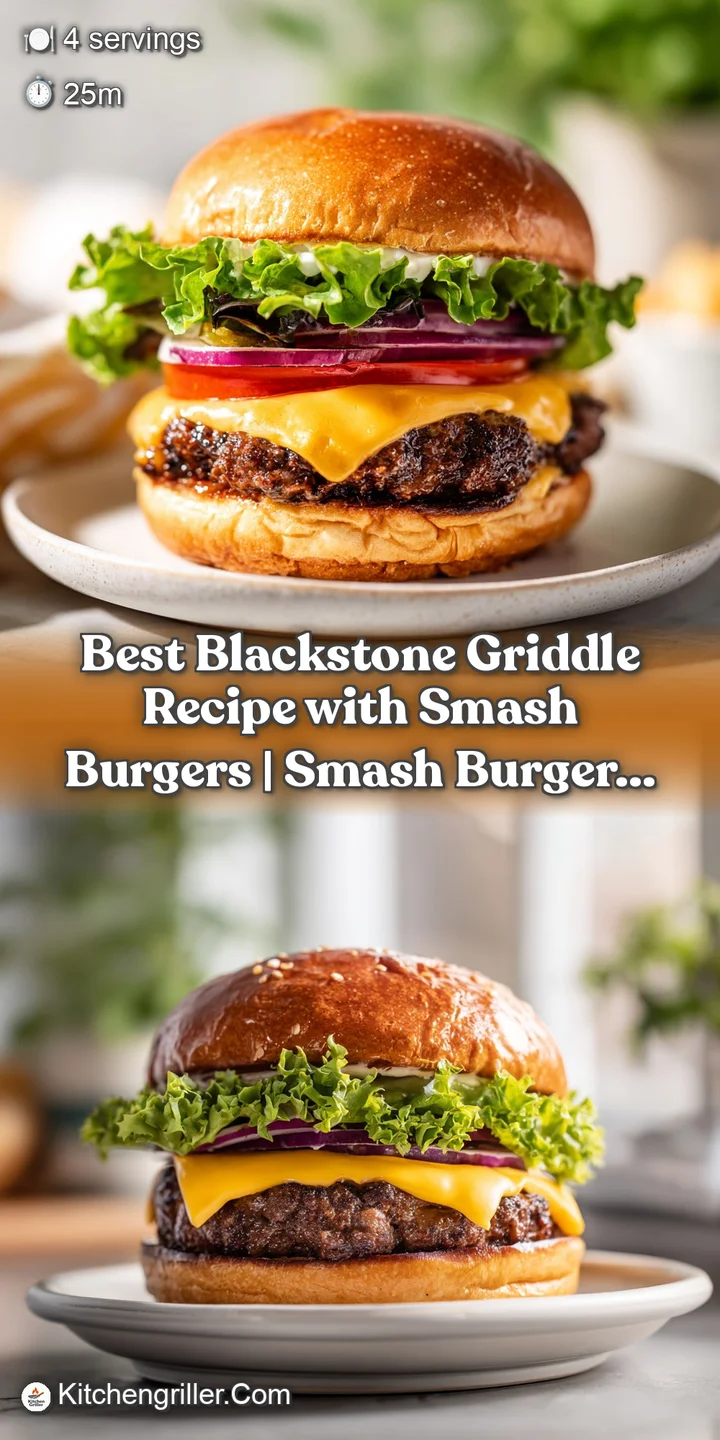
Best Blackstone Griddle Recipe with Smash Burgers
- Time: Active 15 minutes, Passive 10 minutes, Total 25 minutes
- Flavor/Texture Hook: Shattering crispy edges with a velvety, cheese drenched center
- Perfect for: Backyard gatherings and high intensity weeknight dinners
- Best Blackstone Griddle Recipe with Smash Burgers
- The Secret to Lacy Edges
- Essential Metrics and Cooking Times
- Shopping List for High Heat
- Tools for Heavy Duty Smashing
- The Full Cooking Process Detailed
- Fixing Every Potential Burger Failure
- Creative Swaps for Spicy Fusion
- Storing Your Griddle Masterpieces Safely
- Bold Pairings for Intense Flavor
- Very High in Sodium
- Recipe FAQs
- 📝 Recipe Card
Best Blackstone Griddle Recipe with Smash Burgers
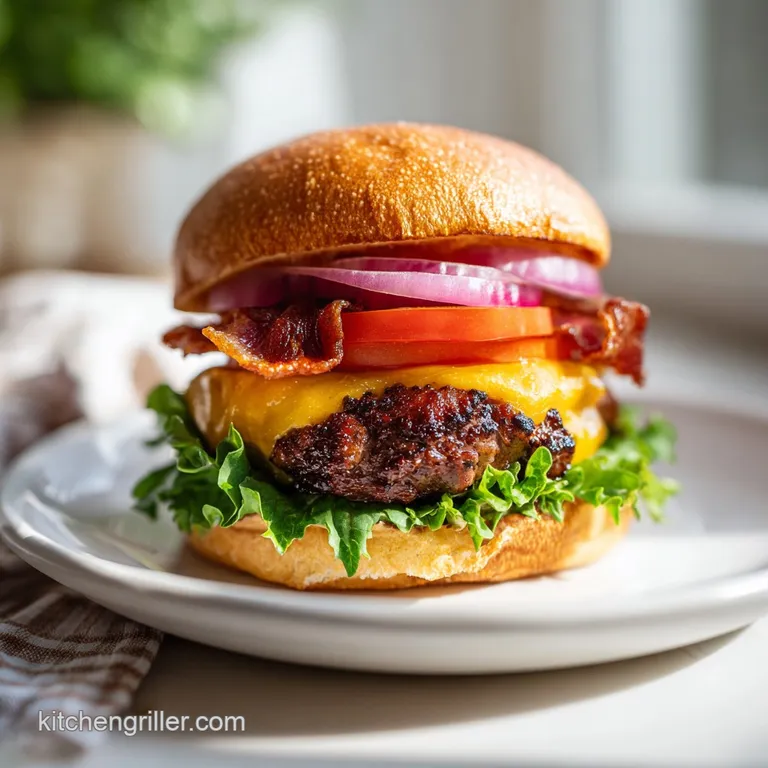
The scent of rendered beef fat hitting 230°C steel is a religious experience that truly starts the moment the Blackstone lid swings open. Discover the best Blackstone griddle recipe featuring our ultimate smash burger, where the aggressive hiss of the meat meeting the heat creates a perfume of caramelizing proteins and sweet, stinging onions.
I remember the first time I got the surface temp just right; the air transformed into a heavy, savory haze that had the neighbors peeking over the fence before the first patty even flipped.
This recipe is about the collision of high intensity heat and cold, marbled beef. We aren't looking for a thick, steak like puck here. We want a patty so thin it develops a mahogany lattice of crispy bits that shatter when you bite into them.
The contrast between that crunch and the soft, steamed potato bun creates a textural harmony that thick burgers simply cannot replicate.
You can expect a kitchen experience that is fast, loud, and incredibly rewarding. We are leaning into the bold fusion of smoky paprika and tangy mustard to create a sauce that cuts through the rich fat of the ground chuck.
By the time the American cheese begins its glossy, golden slump over the edges of the beef, you will realize why this technique has become the obsession of griddle cooks everywhere.
The Secret to Lacy Edges
Thermal Shock: Cold beef spheres hitting a 450°F surface causes immediate moisture evaporation, creating the steam needed to cook the interior while the exterior sears.
Cellular Destruction: Smashing the meat breaks down the protein structure against the hot steel, maximizing the surface area for the Maillard reaction to occur rapidly.
Onion Insulation: Placing paper thin onions on top of the raw beef before smashing allows them to steam into the meat, adding moisture and a deep, allium rich aroma.
Vapor Lock: Using parchment paper during the smash prevents the meat from sticking to the press while focusing all the downward pressure into a uniform, thin layer.
| Thickness | Internal Temp | Rest Time | Visual Cue |
|---|---|---|---|
| 0.5 cm | 160°F | 1 minute | Dark mahogany lacy edges |
| 1.0 cm | 150°F | 2 minutes | Opaque center, clear juices |
| 1.5 cm | 145°F | 3 minutes | Pink center, firm exterior |
Achieving that signature "shatter" requires a commitment to heat that might feel intimidating at first, but it is the only way to ensure the meat doesn't just boil in its own juices.
When the beef is pressed thin enough, the fat renders out and essentially fries the edges of the patty in a shallow pool of its own flavor.
Essential Metrics and Cooking Times
Every component in this recipe serves a specific structural or chemical purpose to ensure the final result is bold and intense. We don't use 80/20 ground chuck by accident; that 20% fat content is the fuel for the crispy edges and the lubricant for a juicy interior.
| Component | Science Role | Pro Secret |
|---|---|---|
| 80/20 Ground Chuck | Fat to lean ratio | Keep spheres chilled until the second they hit the steel |
| Yellow Onion | Moisture release | Slice translucent to ensure they soften in 2 minutes |
| American Cheese | Emulsification | Use processed slices for a velvety, non greasy melt |
| Potato Bun | Structural integrity | Toasting creates a moisture barrier against the sauce |
The interaction between the paper thin onions and the beef is where the magic happens. As you smash the beef, the onions are driven into the top of the patty, becoming semi caramelized and semi steamed simultaneously. This creates a flavor profile that is deeply integrated rather than just sitting on top as a garnish. If you are looking for a side that matches this intensity, these Blackstone Griddle Potatoes are the natural partner for the extra space on your cooking surface.
Shopping List for High Heat
To get the best results, your shopping list should focus on high moisture and high fat items that can withstand the intense environment of the griddle.
- 2 lbs 80/20 ground chuck: Why this? The fat provides the flavor and the necessary oil for searing.
- 1 large yellow onion: Why this? Yellow onions have the highest sugar content for rapid caramelization.
- 8 slices American cheese: Why this? It melts at a lower temperature without breaking into oil.
- 4 potato buns: Why this? Their high protein and sugar content allows for a quick, golden toast.
- 0.5 cup full fat mayonnaise: Why this? Provides the creamy base for the bold smash sauce.
- 2 tbsp yellow mustard: Why this? Adds the necessary acidity to balance the rich beef fat.
- 1 tbsp sweet pickle relish: Why this? Introduces a vinegary crunch and pops of sweetness.
- 1 tsp smoked paprika: Why this? Infuses a deep, campfire aroma into every bite.
- 4 tbsp unsalted butter: Why this? Controls the browning of the buns without adding extra salt.
| Original Ingredient | Substitute | Why It Works |
|---|---|---|
| Yellow Mustard | Dijon Mustard | Adds a sharper, spicy heat. Note: Increases the overall pungency. |
| Potato Bun | Brioche Bun | Higher butter content. Note: Much richer and slightly sweeter. |
| Ground Chuck | Ground Brisket | Higher fat marbling. Note: Offers a more intense, beefy flavor profile. |
Choosing the right bread is just as vital as the meat. A standard white bun will often disintegrate under the weight of a double patty smash with sauce, whereas a potato bun acts like a sponge that holds its shape while soaking up the flavorful juices.
Tools for Heavy Duty Smashing
You cannot fake a smash burger with a standard spatula. You need tools that can handle significant downward force without bending or slipping. A heavy duty burger press or a cast iron bacon press is the weapon of choice here. If you only have a spatula, it must be stainless steel with a stiff, non flexible blade.
A mandolin is the second non negotiable tool. Trying to slice onions thin enough by hand usually results in chunks that are too thick to soften in the two minute cook time. We want the onions to be translucent, almost like tissue paper, so they can fuse with the meat during the smash.
The Shattering Crust
The "crust" is actually a concentrated layer of caramelized proteins. To achieve it, the griddle must be cleaned of any old debris and lightly oiled. If the surface is too dry, the meat will stick and tear; if it's too oily, the meat will slide instead of searing.
Crafting the Signature Sauce
The sauce needs time for the dried spices like garlic powder and onion powder to hydrate in the mayonnaise. Mix this at least 15 minutes before you start the griddle. This allows the smoked paprika to fully bloom, turning the sauce a pale, appetizing orange.
The Full Cooking Process Detailed
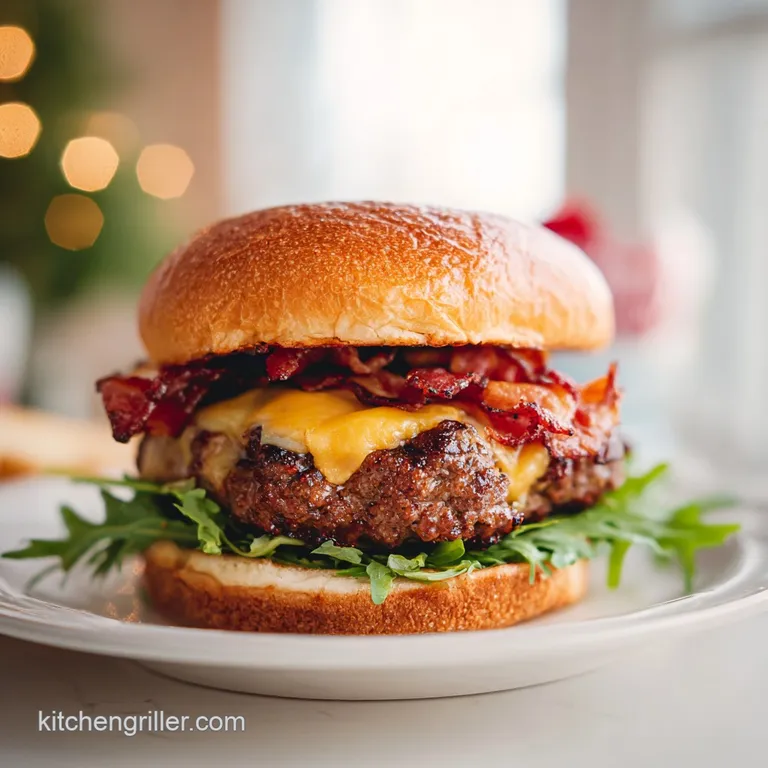
- Whisk the mayonnaise, yellow mustard, sweet pickle relish, smoked paprika, garlic powder, and onion powder in a small bowl. Note: This allows the acidity of the mustard to soften the bite of the garlic.
- Divide the 2 lbs of cold ground chuck into 8 spheres, roughly 4 ounces each. Do not pack them tightly; you want the edges to be loose.
- Slice the yellow onion on a mandolin into paper thin, translucent circles.
- Preheat your Blackstone to 450°F (High heat). Melt 2 tablespoons of butter and toast the potato buns for about 1 minute until golden brown and fragrant.
- Apply the remaining butter to the griddle surface. Place the cold beef spheres down, leaving at least 15 cm of space between them.
- Heap a generous pile of thin onions directly onto the top of each beef sphere.
- Lay a square of parchment paper over the onion topped beef. Use your press to smash the beef firmly into the steel for 10 seconds until the patty is thin and the edges start to sizzle aggressively.
- Peel back the parchment and season with salt and pepper. Cook for 2 minutes until a dark, mahogany crust forms on the bottom.
- Slide a bench scraper firmly under the patty to keep the crust intact and flip. Top immediately with American cheese.
- Stack two patties once the cheese is glossy and melted. Place onto the sauced buns and serve while the steam is still rising.
Achieving Maximum Juiciness
While we want the edges to be crispy, the center should remain succulent. The 10 second hold during the smash is what locks the patty against the heat, creating a seal. Once you flip the burger, the second side only needs about 30 to 45 seconds. Any longer and you risk drying out the lean parts of the chuck.
The Finishing Touch
The heat of the patties will naturally steam the bun if you wrap them in foil for 30 seconds after assembly, but for the boldest flavor, eat them straight off the griddle. The contrast of the hot meat and the cool, tangy sauce is at its peak the moment the burger is built.
Fixing Every Potential Burger Failure
The most common issue I see is the meat sticking to the spatula rather than the griddle. This usually happens because the griddle wasn't hot enough or the meat was too warm. Keeping the beef spheres in the fridge until the very last second is a trick that helps the fat stay solid until it hits the heat, which aids in the "release" after the smash.
Why Your Crust is Missing
If you flip the burger and see gray meat instead of a dark brown crust, your surface temperature dropped too low. This happens if you overcrowd the griddle. Only cook 4 patties at a time if your Blackstone is a smaller model to ensure the steel retains enough thermal mass to sear.
| Problem | Root Cause | Solution |
|---|---|---|
| Patties falling apart | Overworking the meat | Roll spheres gently; do not knead the beef. |
| Soggy buns | Not enough toast | Use more butter and press the bun into the heat for a full minute. |
| Onions are raw | Sliced too thick | Use a mandolin on the thinnest setting possible. |
Common Mistakes Checklist
- ✓ Never use lean ground beef (90/10); the lack of fat will result in a dry, flavorless puck.
- ✓ Ensure the griddle is at least 450°F before the beef touches it; use an infrared thermometer if available.
- ✓ Don't skip the parchment paper; it is the only thing standing between a perfect smash and a sticky mess.
- ✓ Avoid moving the patties once they are smashed; they need undisturbed contact to form the crust.
- ✓ Scrape the griddle clean between batches to prevent burnt bits from sticking to the next round.
Creative Swaps for Spicy Fusion
If you want to move away from the classic profile, try a "Southwest Smash." Replace the sweet relish in the sauce with minced pickled jalapeños and use Pepper Jack cheese instead of American. The high heat of the griddle will blister the jalapeños, adding a charred, spicy depth. For a different take on griddle cooking, you might enjoy this Blackstone Steak and Peppers which uses a similar over high heat sear for incredible flavor.
| Method | Time | Texture | Best For |
|---|---|---|---|
| Smash | 2 minutes | Lacy, crispy, shattered edges | Maximum flavor surface area |
| Classic Sear | 6 minutes | Juicy, tender, steak like | Traditional backyard feel |
| Butter Poached | 10 minutes | Velvety, soft, uniform | Gourmet, rich experience |
Scaling this recipe for a crowd is easy because the Blackstone has so much surface area. If you are doubling the recipe, work in batches of 8 patties (4 burgers). Remember that the salt and pepper should be increased by only 1.5x rather than doubled to prevent the meat from becoming overly salty, as the sauce already provides a significant savory punch.
Storing Your Griddle Masterpieces Safely
Smash burgers are at their absolute best within minutes of leaving the heat, but if you have leftovers, they can be stored. Place the patties in an airtight container in the fridge for up to 3 days. Do not store them with the buns or sauce already applied, as this will lead to a soggy disaster.
To reheat, avoid the microwave. The microwave will turn that beautiful lacy crust into a rubbery texture. Instead, toss the patties back onto a hot skillet for 60 seconds per side. This will re render the fat and bring back some of that original crunch.
You can freeze the raw beef spheres for up to 2 months; just ensure they are wrapped tightly in plastic wrap to prevent freezer burn.
Bold Pairings for Intense Flavor
Because the smash burger is so rich and salty, it needs sides that offer either a crisp snap or a bright acidity. A vinegar based coleslaw or quick pickled cucumbers provide the perfect palate cleanser between bites of heavy beef and melted cheese.
- Truffle Fries: The earthy aroma of truffle oil complements the smoked paprika in the smash sauce perfectly.
- Charred Corn: Throw some corn cobs on the griddle while the meat rests to pick up those savory beef drippings.
- Spicy Ginger Beer: The heat and carbonation cut through the fat of the 80/20 chuck, refreshing your taste buds.
The Myth of Searing Juices
Many people believe that searing meat "seals in the juices." This is scientifically incorrect. Moisture loss happens the moment heat is applied. The real reason we sear is for the Maillard reaction the chemical reaction between amino acids and reducing sugars that gives browned food its distinctive, bold flavor.
The "juiciness" of a smash burger comes from the high fat content and the short cook time, not from a "seal" created by the crust.
The Press Weight Myth
You don't need a 5 pound weight to get a good smash. What matters more is the duration of the press. Holding the meat down for those first 10 seconds is vital because it prevents the muscle fibers from tensing up and pulling away from the heat.
Once the proteins are "set" in that flat shape, you can release the pressure and let the heat do the rest of the work.
Whether you are a seasoned griddle pro or just getting your first Blackstone seasoned, this smash burger method is the most reliable way to deliver high impact flavor with minimal prep. It’s loud, it’s messy, and it’s exactly what outdoor cooking should be.
Very High in Sodium
1780 mg of sodium per serving (77% of daily value)
The American Heart Association recommends limiting sodium intake to no more than 2,300mg per day, with an ideal limit of about 1,500mg per day for most adults.
Tips to Reduce Sodium
-
Choose Lower Sodium Cheese-15%
Replace American cheese with a reduced sodium variety or a naturally lower sodium cheese like Swiss. This can significantly cut down the sodium content.
-
Reduce Added Salt-10%
The 1 tsp of kosher salt is a major contributor. Omit this salt entirely and rely on the savory flavors of the spices and other ingredients.
-
Use Fresh Onion and Garlic-5%
While powdered onion and garlic are convenient, they can contain added sodium. Consider using freshly minced onion and garlic for a more natural flavor boost without extra sodium.
-
Opt for Unseasoned Condiments-10%
Yellow mustard and sweet pickle relish can be high in sodium. Look for low-sodium versions of these condiments or make your own from scratch to control sodium.
-
Boost Flavor with Herbs and Spices
Enhance the natural flavors of your burger by experimenting with fresh or dried herbs like parsley, basil, or chives, and additional spices like cumin or chili powder.
Recipe FAQs
What should I put on the Blackstone before cooking smash burgers?
Apply 2 tablespoons of unsalted butter to the griddle surface. This creates the necessary fat layer to toast your potato buns to a perfect golden brown before the burgers hit the heat.
What temperature should I cook smash burgers on a Blackstone griddle?
Maintain a surface temperature of 450°F. Using high heat is non-negotiable for achieving the deep, mahogany crust that defines a authentic smash burger.
What is the 5 6 7 rule for burgers?
No, this is a common misconception. We rely on specific timing 10 seconds of pressing followed by 2 minutes of searing to achieve the signature lacy edges; if you enjoyed mastering this high heat searing technique, see how the same crust building logic applies to our Garlic Butter Steak Bites.
Do I need to put oil on the griddle before making smash burgers?
No, use butter instead of oil. The butter provides a richer flavor profile for both the bun toasting and the initial sear of the ground chuck.
How to prevent the burger from sticking to the press during the smash?
Place a square of parchment paper directly over the beef sphere before pressing. This barrier is essential to prevent the meat from bonding to your spatula or burger press while you apply firm pressure.
How to ensure the patties develop a crust rather than steaming?
Avoid moving the patties once they have been smashed. Keeping the meat in undisturbed contact with the 450°F surface for the full 2 minutes is the only way to ensure a crispy crust rather than a steamed texture.
How to store leftovers without ruining the texture?
Place patties in an airtight container in the refrigerator for up to 3 days. Ensure you store the patties separately from the buns and sauce to prevent the moisture from causing a soggy, unappetizing mess.
Blackstone Smash Burger Recipe
Ingredients:
Instructions:
Nutrition Facts:
| Calories | 1055 kcal |
|---|---|
| Protein | 51 g |
| Fat | 79 g |
| Carbs | 34 g |
| Fiber | 2 g |
| Sugar | 7 g |
| Sodium | 1780 mg |
