Blackstone Smash Burgers: Crispy and Caramelized
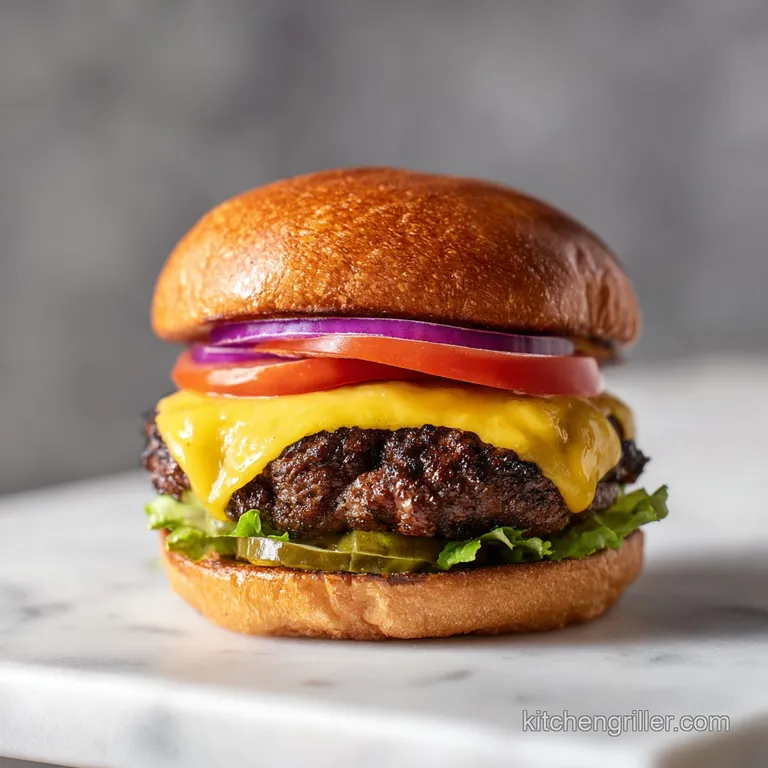
- Time: Active 15 minutes, Passive 10 minutes, Total 25 minutes
- Flavor/Texture Hook: Shatter crisp beef edges with velvety melted American cheese and sweet, steam charred onions
- Perfect for: High energy weekend cookouts or a fast, bold weeknight dinner
- Secrets to a Perfect Blackstone Griddle Recipe with Smash Burgers
- Key Specifications for Your Griddle Cooking Success
- Selecting Every Element for the Boldest Flavor Profiles
- Essential Tools to Master the High Heat Smash
- Selecting Every Element for the Boldest Flavor Profiles
- Step by Step Guide to Crafting Smashed Perfection
- Professional Fixes for Common Griddle Cooking Mistakes
- Bold Fusion Variations to Shake Up Your Menu
- Keeping Your Burgers Fresh and Flavorful for Later
- Creative Ways to Serve These Intense Flavor Layers
- Quick Decision Table for Batch Cooking
- CRITICAL Sodium Alert!
- Recipe FAQs
- 📝 Recipe Card
Secrets to a Perfect Blackstone Griddle Recipe with Smash Burgers
There is a specific sound that happens the second that cold beef hits a 450°F griddle. It is a violent, rhythmic hiss that signals the start of something incredible. I remember the first time I tried making these; I was too timid.
I didn't press hard enough, and I ended up with a regular, thick burger that just sat there. It was a total letdown. But then, I learned the power of the heavy duty press. When you put your weight into it and hear that beef sizzle and spread, you’re creating a surface area that is pure flavor gold.
That crust is not just a texture; it’s a concentrated hit of umami that makes every other burger feel like a compromise.
We are talking about a total sensory overload here. The aroma of the onions caramelizing in the rendered beef fat is enough to bring the neighbors over. I’ve found that the secret isn’t just in the meat, but in how you treat the fat.
By using 80/20 ground chuck, you’re ensuring there’s enough liquid gold to fry the edges of the patty until they are literally lacy and brown. This isn't a "subtle" meal. It’s a bold, over high heat, fast paced kitchen dance that results in the best bite of food you’ll have all week.
You might think you’ve had a good burger before, but once you experience the fusion of paper thin white onions and melted American cheese on a toasted brioche bun, your standards will change forever. We aren't just cooking meat; we are building layers of intensity.
The sauce brings the tang, the pickles bring the crunch, and that smashed patty brings the soul. Trust me, once you see those lacy edges forming on your Blackstone, you’ll never go back to the thick, gray patties of the past.
Key Specifications for Your Griddle Cooking Success
Getting the timing right on a hot surface is everything. If you wait too long, the crust turns from mahogany to burnt; if you go too fast, the onions stay raw and crunchy instead of sweet and integrated. Because we are working with such high heat, you need to know exactly when to move.
| Thickness | Internal Temp | Rest Time | Visual Cue |
|---|---|---|---|
| Paper Thin | 160°F | 1 minute | Edges are dark brown and lacy |
| 1/4 inch | 160°F | 2 minutes | Juices clear on top of patty |
| 1/2 inch | 160°F | 5 minutes | Side of burger loses pink color |
Knowing your griddle's personality is half the battle. Some spots run hotter than others, so I always keep a "safe zone" on one side of the Blackstone where the heat is lower, just in case things start moving too fast for the buns.
Selecting Every Element for the Boldest Flavor Profiles
The ground chuck is the undisputed hero of this entire operation. I’ve tried using leaner blends, like 90/10 or 93/7, and I’m telling you now: don't even bother. Without that 20% fat content, you won't get the "shatter" on the edges. The fat acts as a frying medium for the beef itself.
When that fat hits the 450°F surface, it renders out instantly, creating a shallow pool of oil that crisps the protein fibers. If the meat is too lean, it just sticks to the griddle and tears, leaving all that flavor behind.
Heat Distribution: The Blackstone’s thick cold rolled steel plate holds onto thermal energy, which is why we can smash the meat without the surface temperature dropping significantly.
Maillard Reaction: By maximizing the surface area through the smash, we create thousands of tiny flavor compounds that only form at high temperatures.
Steam Fusion: Placing the onions on the raw side before flipping allows the moisture in the onions to steam the top of the beef while the bottom crusts over.
Fat Encapsulation: The 80/20 ratio ensures that even at high heat, the interior of the thin patty stays juicy rather than turning into leather.
Structural Toasting: Using butter on the brioche creates a moisture barrier, so the sauce and meat juices don't turn the bread into mush.
Ingredient Deep Dive
Before we start the fire, let's look at why these specific components matter for the final texture.
| Component | Role | Pro Secret |
|---|---|---|
| Ground Chuck (80/20) | Fat and Flavor | Keep the meat balls cold until the very second they hit the steel. |
| White Onion | Moisture and Sweetness | Use a mandoline to get them so thin they are almost transparent. |
| American Cheese | The Glue | Use standard deli style American because it has the lowest melting point. |
| Brioche Buns | Structural Support | The high egg and butter content in the bread helps it stand up to the grease. |
The sauce is another layer where we can't afford to be lazy. It needs that hit of hot sauce to cut through the richness of the beef and cheese.
Essential Tools to Master the High Heat Smash
You cannot do this with a standard spatula. I learned that the hard way when I tried to use a flimsy slotted turner and ended up with a regular burger and a sore wrist. You need leverage. A heavy duty, stainless steel burger press is your best friend here.
It needs to be flat, without ridges, so the meat spreads out evenly.
You’ll also want a sturdy bench scraper. This is the only way to get under that crust without leaving the best parts stuck to the griddle. When you go to flip, you have to commit. You slide that scraper under with one quick, decisive motion to keep the crust intact.
Note: If you don't have parchment paper, your meat will stick to the press and ruin the patty. Always keep a stack of 5x5 inch squares nearby.
Speaking of heat, an infrared thermometer is non negotiable. You want to see 450°F before the first ball of beef touches the surface. If it's 350°F, you're just cooking a burger; at 450°F, you're making a masterpiece. This temperature control is just as important when making Hibachi Chicken, as you need that immediate sear to lock in juices without overcooking the meat.
Selecting Every Element for the Boldest Flavor Profiles
This is the part where we get our hands dirty. Make sure your meat is cold! If the fat in the beef gets too warm before it hits the griddle, it will smear instead of searing.
- 1.5 lb ground chuck (80/20 ratio): This is the foundation. Why this? High fat content is mandatory for creating the signature crispy, lacy edges.
- 1 large white onion: Sliced paper thin. Why this? They need to soften and char in the 60 seconds after the flip.
- 2 tsp Kosher salt: For the crust. Why this? Larger grains provide a better texture and more even seasoning.
- 1 tsp coarse black pepper: For a bold bite. Why this? Coarse grind holds up better against the intense griddle heat.
- 0.5 tsp garlic powder: For an aromatic undertone. Why this? Adds depth without the burning risk of fresh garlic.
- 2 tbsp unsalted butter: For the buns. Why this? Provides a golden crust and prevents the bun from soaking up grease.
- 0.5 cup Mayonnaise: Sauce base. Why this? Adds richness and carries the other flavors effectively.
- 2 tbsp Yellow mustard: For tang. Why this? The vinegar acidity balances the heavy fat of the beef.
- 1 tbsp Dill pickle relish: For texture. Why this? Tiny pops of acidity break up the richness of the cheese.
- 0.5 tsp Smoked paprika: For a hint of fire. Why this? Mimics the flavor of a charcoal grill on a flat top.
- 1 dash hot sauce: For the kick. Why this? Wakes up the palate and cuts through the mayo base.
- 4 Brioche rolls: The vessel. Why this? Soft enough to bite through easily but sturdy enough for two patties.
- 8 slices American cheese: The classic. Why this? Nothing else melts with that specific velvety, creamy consistency.
- 1 cup Shredded iceberg lettuce: For crunch. Why this? Stays crisp longer than leaf lettuce when hit with heat.
- 1 medium tomato: Sliced thin. Why this? Adds a fresh, cool contrast to the hot beef.
- 12 dill pickle chips: For the finish. Why this? Essential for that classic burger joint flavor profile.
| Original Ingredient | Substitute | Why It Works |
|---|---|---|
| Ground Chuck (80/20) | Ground Brisket (80/20) | Similar fat content. Note: Adds a deeper, more beefy flavor profile. |
| White Onion | Shallots | Higher sugar content. Note: Will caramelize faster and offer a more delicate sweetness. |
| American Cheese | Muenster | High fat and moisture. Note: Melts very well but has a milder flavor than American. |
step-by-step Guide to Crafting Smashed Perfection
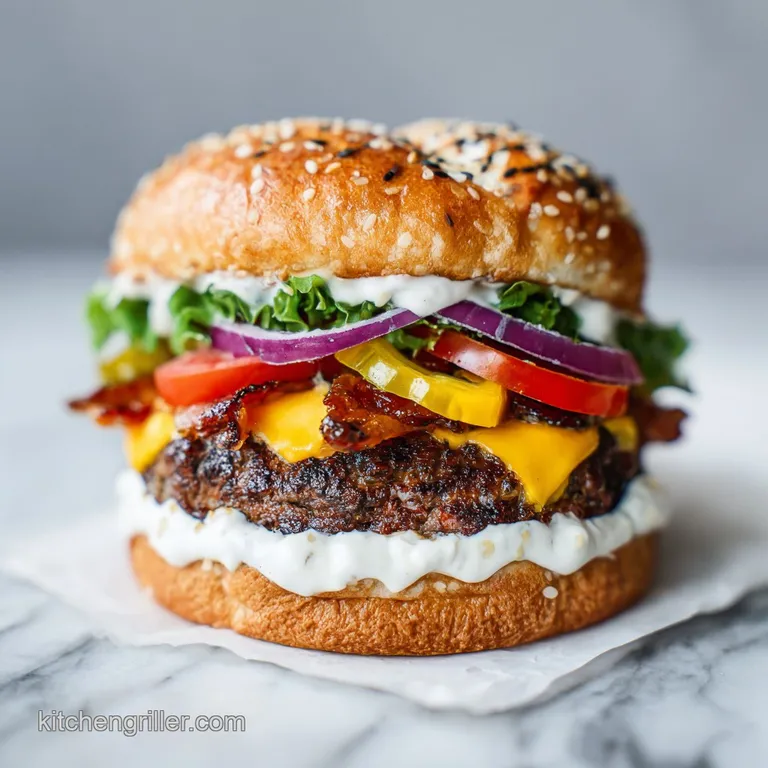
- Preheat your Blackstone griddle on medium high heat until it reaches 450°F (230°C). Note: Use an infrared thermometer to ensure the heat is even across the surface.
- Whisk the mayonnaise, yellow mustard, dill pickle relish, smoked paprika, and hot sauce in a small bowl. Note: This allows the flavors to meld while you prep the meat.
- Divide the 1.5 lbs of ground chuck into 8 equal portions (3 oz each) and roll them into loose balls. Note: Do not pack them tightly or the meat will be tough.
- Butter the cut sides of your brioche rolls and toast them on the griddle until golden brown and fragrant.
- Place the beef balls on the hot griddle with at least 6 inches of space between them.
- Place parchment paper over a ball and use your press to smash it until the edges are thin and jagged.
- Season the beef with the salt, pepper, and garlic powder blend, then pile the thin onions on the raw side.
- Cook for 2 minutes until a dark, mahogany crust forms on the bottom.
- Flip the patties so the onions are now on the steel and immediately top with American cheese.
- Cook for 1 minute until the cheese is bubbling and the onions are charred, then stack and serve.
Professional Fixes for Common Griddle Cooking Mistakes
The most common heartbreak with this dish is when the meat doesn't get that crust. It usually happens because the griddle wasn't hot enough or you didn't press hard enough. If you see the meat "graying" instead of browning, stop immediately and turn up the heat.
Why Your Patties are Sticking
This is almost always a temperature or tool issue. If the steel isn't hot enough, the protein bonds with the metal instead of searing and releasing. Also, if you aren't using parchment paper between the press and the meat, the cold meat will cling to the metal of the press like a magnet.
Why Your Buns are Soggy
If you stack the burgers and let them sit before serving, the steam from the meat will destroy the brioche. The fix is a heavy toast with plenty of butter. That butter creates a literal wall that prevents the juices from migrating into the bread fibers.
| Problem | Root Cause | Solution |
|---|---|---|
| No Crispy Edges | Griddle too cold or meat too lean | Wait for 450°F and use 80/20 chuck blend. |
| Meat Falling Apart | Smashing too late in the process | Only smash in the first 10 seconds of contact. |
| Onions are Raw | Sliced too thick | Use a mandoline or sharp knife for paper thin ribbons. |
Common Mistakes Checklist
- ✓ Never smash the burger a second time after the initial 10 seconds; you'll squeeze out all the juice.
- ✓ Don't use a lid to melt the cheese; the steam will ruin the crispy texture of the beef.
- ✓ Keep the onions paper thin; thick onions won't soften in the 60 seconds they have on the heat.
- ✓ Clean the griddle surface between batches to prevent burnt bits from sticking to the next round.
- ✓ Season only AFTER smashing to ensure the salt doesn't draw moisture out of the meat too early.
Bold Fusion Variations to Shake Up Your Menu
If you want to take this in a different direction, the Blackstone is a playground for flavor fusion. One of my favorite moves is the "Heat Wave" burger. Instead of standard white onions, I use thinly sliced jalapeños and a dash of cayenne pepper in the seasoning.
The peppers char on the griddle just like the onions, but they add a sharp, lingering heat that plays incredibly well with the creamy American cheese.
For those looking for a different kind of flat top classic, you can actually use these same smash techniques to prep meat for a Philly Cheesesteak. While the burger is king, the over high heat sear on thin shaved steak offers that same intense flavor profile we love in a smash burger.
The "Protein Style" Low Carb Option
If you're avoiding bread, don't just put the patty on a plate. Use large, cold leaves of iceberg lettuce to create a wrap. The contrast between the scorching hot, crispy beef and the ice cold, watery crunch of the lettuce is a whole different kind of sensory experience.
I actually prefer this on hot summer days when a heavy brioche bun feels like too much.
The Breakfast Smash
Swap the brioche for a toasted glazed donut or a savory pancake. Add a fried egg on top of the cheese. The sugar in the donut caramelizes against the salty beef, creating a "sweet and salty" fusion that is absolutely addictive.
It sounds wild, but the first time you try it, you'll understand why it's a cult favorite at many griddle focused diners.
Keeping Your Burgers Fresh and Flavorful for Later
Smash burgers are really meant to be eaten the second they come off the steel. That crust is at its peak for about 5 to 10 minutes. However, life happens, and sometimes you have leftovers. If you have to store them, keep the patties and the buns separate.
Store the patties in an airtight container in the fridge for up to 3 days.
To reheat, avoid the microwave at all costs! It will turn your crispy beef into a rubbery mess. Instead, throw them back on a hot skillet or griddle for 60 seconds per side. This will revive some of that fat and bring the crust back to life.
For zero waste, those leftover thin sliced onions shouldn't be tossed. Toss them in a pan with a bit of balsamic vinegar and cook them down into an onion jam, or save the scraps of ground chuck to make a quick taco meat for lunch the next day.
The fat and seasoning already in the beef mean you won't need to add much else to make it delicious.
Creative Ways to Serve These Intense Flavor Layers
When I serve these, I like to do it "diner style." I put the toasted buns out on a large wooden board and build the burgers right in front of the guests. There’s something about seeing the steam rise off the stacked patties that builds the anticipation.
The Decision Shortcut
- If you want maximum crunch, use a potato roll and toast it until it's almost dark brown.
- If you want maximum juice, use a 75/25 meat blend and smash it slightly less thin.
- If you want maximum heat, add chopped habaneros directly into the meat balls before smashing.
Debunking Griddle Folklore
One common myth is that you need to oil the griddle before the beef hits. You don't! The 80/20 chuck has more than enough fat to self grease. Adding extra oil can actually prevent the meat from getting that dry, hard sear that creates the best crust.
Another misconception is that flipping the burger multiple times helps it cook evenly. In the world of smash burgers, you flip once. That’s it. You need that uninterrupted contact time on the first side to build the structural integrity of the crust.
If you flip too early or too often, you’re just making a mess.
Finally, people often think you need fancy "burger seasoning." Honestly, the combination of Kosher salt, coarse pepper, and a hint of garlic powder is all you need when you have high-quality beef and high heat. The magic is in the technique, not a pre mixed spice rub.
Quick Decision Table for Batch Cooking
| Servings | Meat Needed | Onion Count | Prep Time |
|---|---|---|---|
| 2 People | 0.75 lb | 0.5 Large | 10 minutes |
| 4 People | 1.5 lb | 1 Large | 15 minutes |
| 8 People | 3 lb | 2 Large | 25 minutes |
Working in batches is key if you're cooking for a crowd. Never overcrowd the griddle, or the temperature will drop and you'll end up steaming your meat instead of searing it. Give each patty its own "territory" so the heat stays concentrated.
Once you've mastered this Blackstone Griddle Recipe with Smash Burgers, you'll be the designated cook for every neighborhood gathering. The bold flavors and intense textures are simply unmatched by any other cooking method.
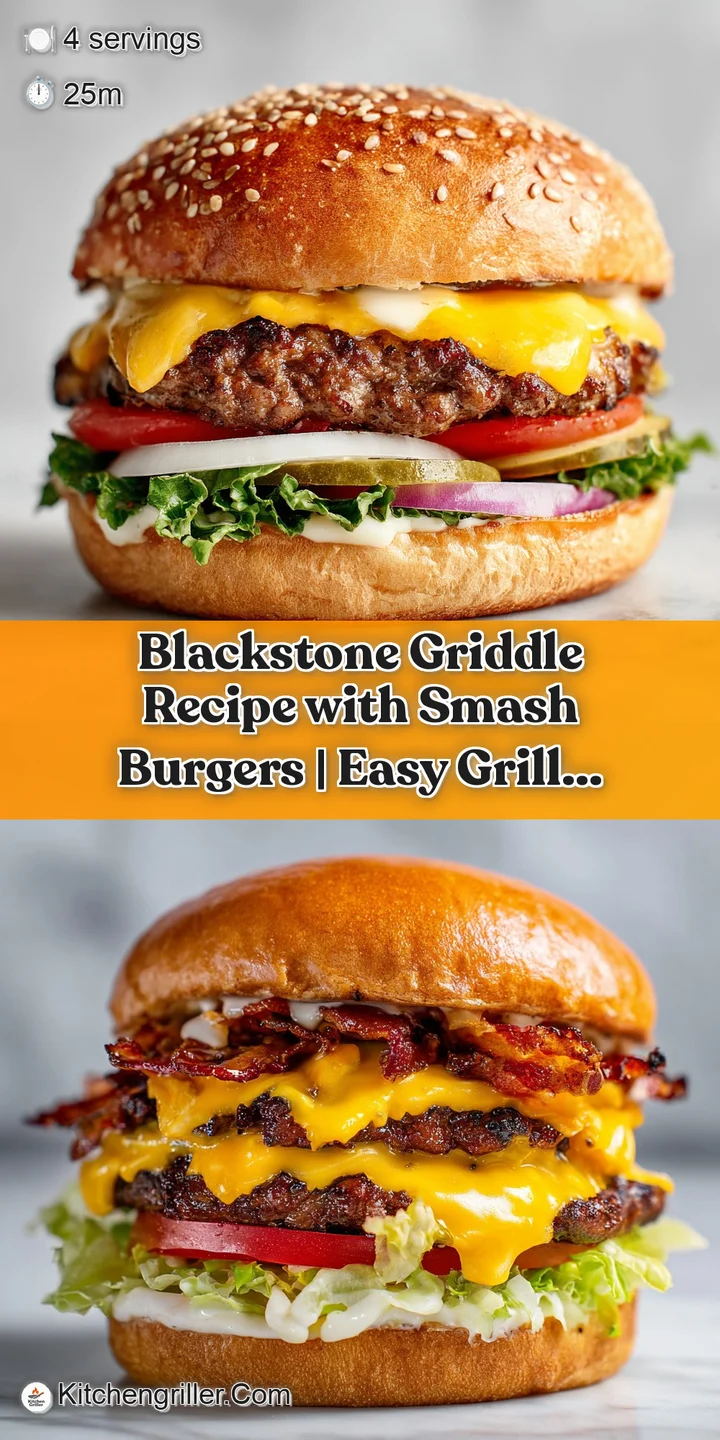
CRITICAL Sodium Alert!
1240 mg 1240 mg of sodium per serving (54% 54% of daily value)
The American Heart Association recommends limiting sodium intake to no more than 2,300mg per day, with an ideal limit of 1,500mg for most adults.
Tips to Reduce Sodium
-
Opt for Lower Sodium Cheese-15%
Replace the 8 slices of American cheese with low-sodium American cheese or a blend of reduced sodium cheddar and provolone. This significantly cuts down on processed ingredients.
-
Reduce Added Salt-25%
Cut the 2 tsp of Kosher salt to 1 tsp, or even 1/2 tsp. You can add flavor back with other ingredients.
-
Use Unsweetened Relish-10%
Switch to unsalted or low-sodium dill pickle relish. Traditional relish can be surprisingly high in sodium.
-
Fresh Onion & Garlic Flavor
Increase the use of fresh onion and garlic powder, and consider adding fresh minced garlic for more flavor without added salt.
-
Control Hot Sauce Sodium-5%
Choose a low-sodium hot sauce or use a minimal amount. Many hot sauces contribute unexpected sodium.
Recipe FAQs
Is a Blackstone good for smash burgers?
Yes, the large, flat surface is ideal for achieving the perfect crust. Its superior heat retention ensures the patty develops a deep mahogany color while staying juicy on the inside.
What to put on Blackstone before smash burgers?
Use nothing but the seasoned griddle surface. You do not need additional oil because the 80/20 ground chuck contains enough natural fat to prevent sticking and promote crisping.
What temperature should you cook smash burgers at a Blackstone?
Target exactly 450°F (230°C). Use an infrared thermometer to verify this temperature before placing your beef balls on the surface, as this specific heat is required for the signature lacy edges.
What is the 5 6 7 rule for burgers?
This is a common misconception; we strictly follow specific timing for optimal results. You cook the patties for 2 minutes on the first side until a dark crust forms, then flip and cook for 10 minutes until the cheese melts.
How to prevent the burger patties from sticking to the press?
Place a small square of parchment paper over the beef ball before smashing. This creates a barrier between the metal press and the meat, allowing you to smash the patty extremely thin without any beef lifting away.
How to ensure the onions become tender in such a short cook time?
Slice your white onions paper thin. If you enjoyed learning how to master this searing and texture technique, you can apply similar heat control logic when preparing other quick cooking griddle components.
How to stop the cheese from making the patty soggy?
Avoid using a lid to melt the cheese. Trapping steam with a cover will ruin the crispy texture of the beef, so simply rely on the residual heat of the patty to melt the American cheese.
Blackstone Smash Burger Recipe 2
Ingredients:
Instructions:
Nutrition Facts:
| Calories | 912 calories |
|---|---|
| Protein | 44 g |
| Fat | 66 g |
| Carbs | 35 g |
| Fiber | 2 g |
| Sugar | 6 g |
| Sodium | 1240 mg |
