Cowboy Stir Fry with Steak and Potatoes on the Blackstone Griddle
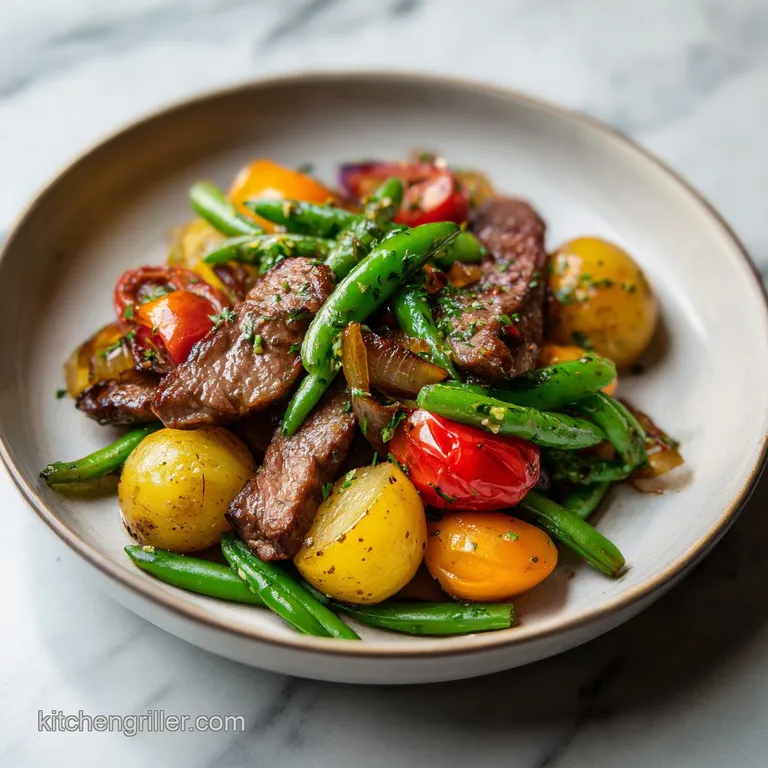
- Time: Active 15 minutes, Passive 20 minutes, Total 35 minutes
- Flavor/Texture Hook: Crispy charred potatoes meet silky seared steak with a tangy, vinegar forward glaze.
- Perfect for: High speed weeknight dinners or fuss free outdoor entertaining.
- The Physics of the Steel Sear
- Essential Components for Peak Flavor
- Griddle Tools for Maximum Efficiency
- Step by Step Griddle Cooking
- Fixes for Common Cooking Mistakes
- Smart Ways to Customize Flavors
- Smart Storage and Reheating Tips
- Ideal Sides for Balanced Plates
- Critical: Very High in Sodium
- Recipe FAQs
- 📝 Recipe Card
The first time I tried this, the sizzle was so loud my neighbor poked his head over the fence just to see what was hitting the steel. There is something about the aroma of rendered beef fat hitting a hot Blackstone that feels like a Tuesday night win.
I used to struggle with getting everything to finish at once, usually ending up with crunchy potatoes or rubbery steak, but I finally cracked the code using dual zone heat.
Whip up this amazing Cowboy Stir Fry with Steak and Potatoes on the Blackstone Griddle for a hearty, crowd pleasing meal. It's become my go to when I want that "fancy steakhouse" feel without the $80 bill or the pile of dishes.
We’re going to use simple, budget friendly pantry staples to create a sauce that tastes like it took hours, not seconds.
You'll love how the potatoes pick up the brown bits from the steak, creating a unified flavor profile that's impossible to get in a standard frying pan. This isn't about delicate tweezers and garnish cooking; it's about big heat, fast moves, and bold flavors.
Let's get that griddle fired up and walk through how to make this work every single time.
The Physics of the Steel Sear
- Thermal Mass Distribution: The heavy cold rolled steel plate holds heat better than thin pans, preventing the temperature drop that leads to steaming rather than searing.
- Maillard Acceleration: High smoke point oils combined with the expansive surface area allow for maximum surface contact, creating the brown, savory crust we crave.
- Surface Evaporation: The open air environment of a griddle allows steam to escape immediately, ensuring potatoes shatter with crispness rather than turning mushy.
| Method | Time | Texture | Best For |
|---|---|---|---|
| Blackstone Griddle | 20 minutes | Crispy edges, tender centers | Maximum flavor and speed |
| Indoor Cast Iron | 30 minutes | Good crust, high mess | Small batches only |
| Sheet Pan Oven | 45 minutes | Uniformly soft, less sear | Hands off meal prep |
Cooking on a flat top is very similar to the technique used in our Philly Cheesesteak on recipe. By managing different heat zones, you can keep your vegetables vibrant while your proteins develop a deep, dark crust. It’s a hack that saves you from overcooking the steak while waiting for the potatoes to soften.
Essential Components for Peak Flavor
| Ingredient | Science Role | Pro Secret |
|---|---|---|
| Yukon Gold Potatoes | Medium Starch | These hold their shape better than Russets while still crisping up beautifully. |
| Top Sirloin Steak | Lean Protein | Slicing against the grain ensures the muscle fibers are short and easy to chew. |
| Worcestershire Sauce | Umami Source | The fermented anchovies in the sauce provide a savory depth that salt alone can't reach. |
Ingredient Deep Dive
- 680g top sirloin steak, sliced into 2.5cm strips (Substitute: Chuck eye steak; deeper flavor but needs thinner slicing) Why this? Sirloin is lean, fast cooking, and budget friendly for over high heat stir frying.
- 680g Yukon Gold potatoes, diced into 1.25cm cubes (Substitute: Red potatoes; similar waxiness and holds shape) Why this? Thin skins mean no peeling is required, saving prep time.
- 2 tbsp high smoke point oil (Substitute: Ghee; adds a nutty richness)
- 1 large yellow onion, roughly chopped (Substitute: Red onion; sharper bite)
- 2 bell peppers, sliced into strips (Substitute: Poblano peppers; adds mild heat)
- 3 cloves garlic, minced (Substitute: 1 tsp garlic powder; less likely to burn)
- 1 tsp smoked paprika (Substitute: Chili powder; adds earthiness)
- 1 tsp kosher salt (Substitute: Sea salt)
- 0.5 tsp black pepper (Substitute: White pepper)
- 60ml A1 steak sauce (Substitute: HP Sauce; similar vinegary tang)
- 2 tbsp Worcestershire sauce (Substitute: Balsamic glaze)
- 1 tbsp soy sauce (Substitute: Tamari; gluten-free option)
- 1 tsp coarse ground Dijon mustard (Substitute: Yellow mustard)
- 0.5 tsp red pepper flakes (Substitute: Cayenne pepper)
Griddle Tools for Maximum Efficiency
You really need two long spatulas for this job. Trying to flip 680g of potatoes with a tiny flipper is a recipe for frustration. A squeeze bottle for your oil and another for water (to create steam under a dome) are the ultimate griddle hacks for keeping things moving.
Griddle Surface Heat Retention
The steel plate acts as a battery for heat. Once it’s hot, it stays hot, which is why we don't crowd the meat. If you dump cold steak all in one spot, the temp drops and you lose that sizzle.
Dual Zone Cooking Benefits
Set one side to medium high and the other to medium low. This allows you to slide finished potatoes to the "warm" side while you blast the steak on the hot side. It's the secret to serving everything hot at once.
Sauce Emulsification on Steel
When the liquid sauce hits the hot metal, it reduces almost instantly. The mustard in the sauce acts as a natural emulsifier, helping the oil and vinegar bind into a velvety glaze that clings to the steak.
step-by-step Griddle Cooking
- Preheat the griddle. Crank two burners to medium high and one to medium until the steel is faintly smoking.
- Oil the surface. Spread 1 tbsp of oil over the hotter zones using your spatula.
- Sear the potatoes. Spread the 680g of diced Yukon Golds in a single layer. Note: Don't touch them for 4 minutes to develop a crust.
- Toss the vegetables. Add the onion and peppers to the potatoes, drizzling with more oil until the onions turn translucent.
- Move to the cool zone. Slide the veg mix to the lower heat burner to finish softening.
- Sizzle the steak. Add the remaining oil to the hot zone and drop the 680g of steak strips until a dark brown crust forms.
- Add the aromatics. Toss the minced garlic and smoked paprika into the steak for 30 seconds until the scent fills the air.
- Combine and glaze. Slide the potatoes back into the steak and pour over the mixed Cowboy sauce.
- Toss and coat. Use your spatulas to fold everything together for 1 minute until the sauce thickens and looks glossy.
- Serve immediately. Remove from the heat while the steak is still slightly pink in the middle.
Fixes for Common Cooking Mistakes
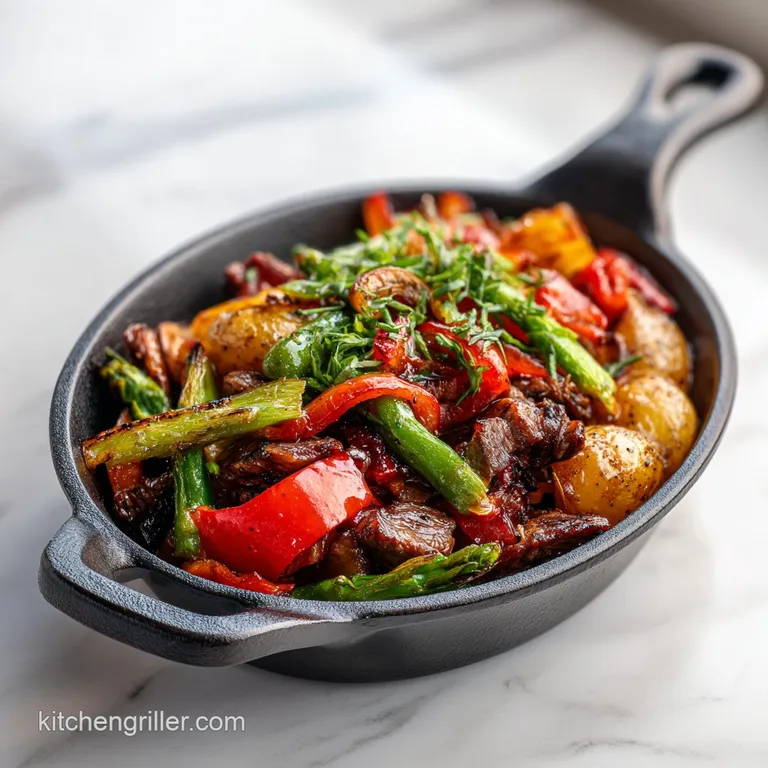
If your potatoes are taking forever, don't just keep turning up the heat. You'll burn the outside and have a raw middle. This is a common issue when adapting a make-ahead Camping recipe for a fast weeknight dinner.
Solving Hard Potato Centers
Usually, this happens because the cubes are too large. If you're 10 minutes in and they’re still hard, squirt a little water near them and cover with a metal bowl or griddle dome for 2 minutes. The steam will finish the centers without ruining the crust.
Preventing Tough Grey Steak
Grey steak is the result of steaming rather than searing. This happens if the meat is wet or the pan is too cold. Pat your steak dry with paper towels before it hits the griddle and ensure the oil is shimmering.
Garlic Burning Prevention
Garlic has a high sugar content and burns in seconds on a hot griddle. Always add it during the last 30-60 seconds of the steak cook time, or nestle it inside the pile of meat so it’s protected from direct contact with the steel.
| Problem | Root Cause | Solution |
|---|---|---|
| Soggy Potatoes | Overcrowding the griddle | Spread them out more; use a second burner zone if needed. |
| Bland Flavor | Under seasoning the meat | Season the steak 10 minutes before cooking to let salt penetrate. |
| Sticking Food | Surface not seasoned/hot enough | Wait for the "shimmer" in the oil before adding ingredients. |
Common Mistakes Checklist
- ✓ Dry the steak thoroughly with paper towels to ensure a hard sear.
- ✓ Cut potatoes into uniform 1.25cm cubes so they cook at the same rate.
- ✓ Use a high smoke point oil like avocado or canola; olive oil will smoke too much.
- ✓ Keep the steak and potatoes separate until the very end to maintain textures.
- ✓ Let the griddle preheat for at least 10 minutes before the first ingredient hits.
Smart Ways to Customize Flavors
If you want to stretch your budget, increase the potato ratio and decrease the steak. You can also swap the top sirloin for flank steak, which is often cheaper. Just make sure to slice flank steak very thin and across the grain, or it will be too chewy.
High Protein Variations
You can easily double the steak in this recipe. When doing so, cook the steak in two separate batches. If you put 1.3kg of cold meat on the griddle at once, the temperature will plummet, and you'll end up boiling the meat in its own juices.
Low Carb Substitutions
For a lower carb version, replace the Yukon Gold potatoes with radishes or cauliflower florets. Radishes lose their sharp bite when grilled and take on a texture surprisingly similar to potatoes. Just be aware that they release more water, so you'll need a very hot surface to keep them from getting mushy.
Smart Storage and Reheating Tips
Storage: Store leftovers in an airtight container in the fridge for up to 4 days. I don't recommend freezing this dish as the potatoes tend to become grainy and the steak can turn mealy when thawed.
Zero Waste: If you have small amounts of steak and potatoes left over, they make an incredible breakfast hash. Toss them back on a skillet the next morning with a couple of fried eggs on top. The sauce acts as a built in seasoning for the eggs.
Reheating: Avoid the microwave if you can. It turns the steak into rubber. Instead, throw the leftovers back onto a hot skillet with a teaspoon of water and cover for 2 minutes. This restores the moisture to the steak and keeps the potatoes from drying out.
Ideal Sides for Balanced Plates
While this is a "one pan" meal, I like to serve it with something bright to cut through the richness of the beef. A simple vinegar based coleslaw or a crisp cucumber salad works wonders.
The smoky paprika and the tang of the A1 sauce mean you don't need a heavy gravy. If you really want to go full "Cowboy," serve this with some charred corn on the cob right off the same griddle. The sweetness of the corn balances the salty soy and Worcestershire glaze perfectly.
Trust me, once you master the timing of the potatoes, you'll be looking for any excuse to fire up the Blackstone on a Tuesday.
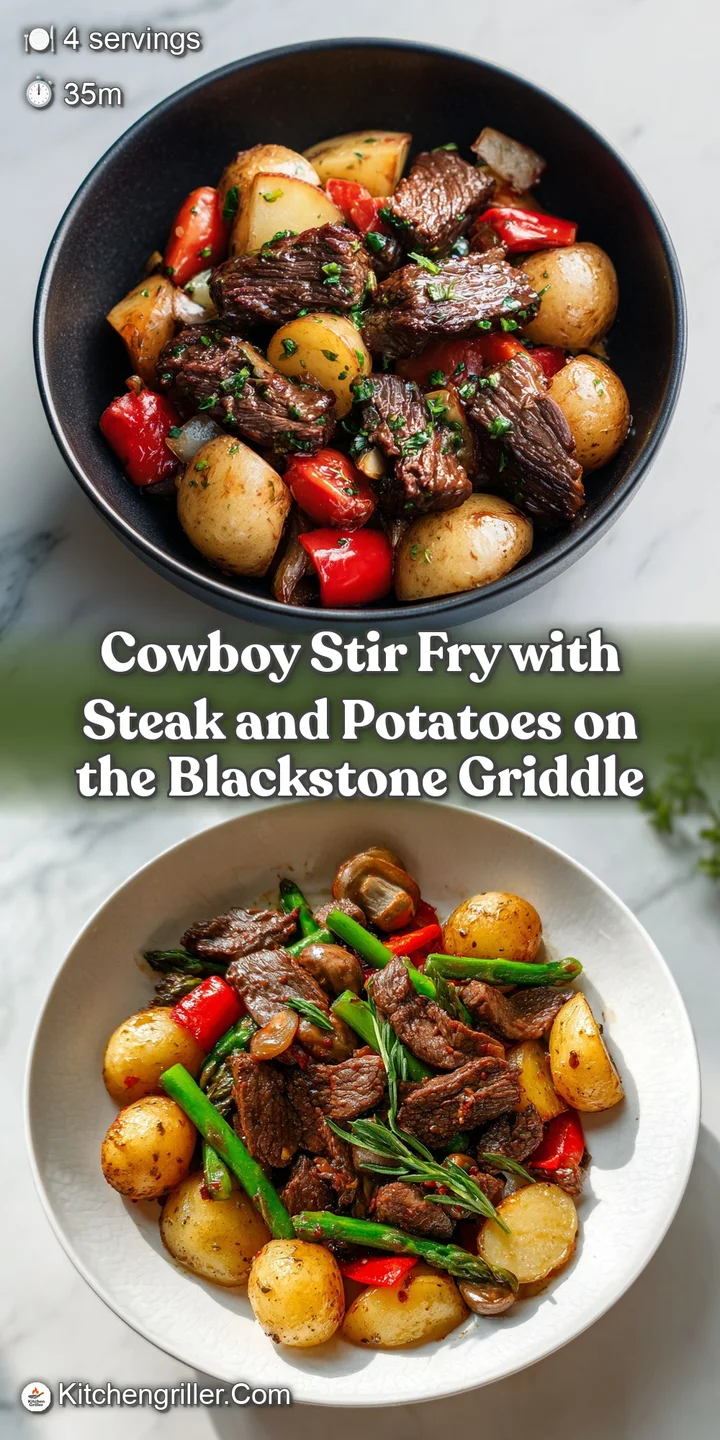
Critical: Very High in Sodium
1185 mg mg of sodium per serving (52% % of daily value)
The American Heart Association recommends limiting sodium intake to about 2,300mg per day for overall health.
Tips to Reduce Sodium in Your Steak and Potatoes:
-
Sauce Swap-20%
Replace the A1 steak sauce (a significant sodium contributor) with a homemade sauce using low-sodium ketchup, Worcestershire sauce (reduced sodium version), and spices. This simple swap can significantly cut down the sodium content. Consider a 1:1 ratio of low-sodium ketchup to reduced sodium Worcestershire as a base.
-
Salt Smart-25%
Reduce the amount of kosher salt by half (0.5 tsp instead of 1 tsp). Taste as you go and adjust to your preference. Remember you can always add more but can't take it away. Consider using a salt substitute.
-
Worcestershire Watch-15%
Opt for a low-sodium Worcestershire sauce. Even this small change can make a noticeable difference. Compare the sodium content on the labels and choose the lowest available option. Consider using a dash less as well.
-
Soy Sauce Sub-20%
Use a low-sodium soy sauce or tamari in place of regular soy sauce to decrease the overall sodium. Start with half the amount listed in the recipe and add more to taste.
-
Spice It Up
Emphasize other flavors! Increase the amount of smoked paprika, black pepper, Dijon mustard and red pepper flakes to enhance the taste without relying on salt. Experiment with other sodium free spices like garlic powder, onion powder, or dried herbs.
-
Potato Prep-10%
While potatoes themselves are low in sodium, consider adding them to a bowl of water after cubing. This can help leach out some of the starches and any residual sodium on the surface of the potato. Drain well before cooking.
Recipe FAQs
Can you cook stir fry on a Blackstone?
Yes, Blackstone griddles are ideal for stir fry. The expansive, flat, high heat surface prevents steaming and promotes rapid Maillard reactions on the meat and vegetables simultaneously.
How do you cook a cowboy steak on the Blackstone?
Sear strips of steak over the hottest zone for 2-3 minutes per side. Ensure the griddle is screaming hot and the meat is dry for a proper crust; slice against the grain before or after cooking.
What not to cook on a Blackstone griddle?
Avoid extremely delicate sauces or batters that require low, indirect heat. Ingredients prone to burning quickly, like finely minced garlic, should be added last or nested away from direct contact.
Should I soak potatoes before cooking on Blackstone?
No, do not soak the diced potatoes. Soaking removes surface starch, which is necessary for achieving that crispy, shattered exterior texture on the hot steel surface.
How to prevent the potatoes from taking longer than the steak?
Use dual zone heat and manage placement carefully. Start potatoes on the hotter side first, then slide them to the cooler zone to finish cooking while you sear the steak on high heat.
Why are my steak strips turning grey instead of searing?
The griddle surface was too cold or the steak was wet. Pat the steak completely dry with paper towels and wait for the oil to visibly shimmer before adding the meat to achieve a true sear.
How long should I preheat the Blackstone for this stir fry?
Preheat for a minimum of 10 minutes until the steel is faintly smoking. This ensures even heat distribution and prevents the initial temperature drop when adding the cold potatoes and steak.
Blackstone Steak And Potato Stir Fry
Ingredients:
Instructions:
Nutrition Facts:
| Calories | 542 kcal |
|---|---|
| Protein | 37.2 g |
| Fat | 26.8 g |
| Carbs | 38.5 g |
| Fiber | 4.2 g |
| Sugar | 6.8 g |
| Sodium | 1185 mg |
