Blackstone Steak: Mahogany Crust and Buttery Interior
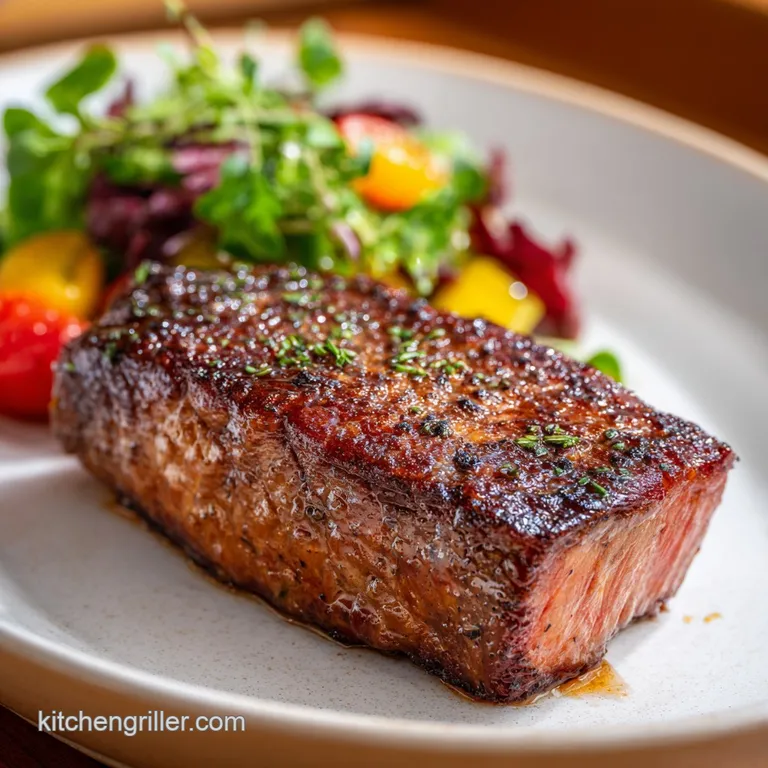
- Time: Active 15 minutes, Passive 10 minutes, Total 25 minutes
- Flavor/Texture Hook: Shatter crisp mahogany crust with a buttery, garlic infused interior
- Perfect for: High protein weeknight dinners or impressive weekend date nights
- Sizzling Results with Blackstone Steak
- Griddle Heat and Surface Science
- Component Analysis for Steak
- Ingredients and Bold Substitutions
- Critical Griddle Gear
- Execution on the Steel
- Fixing Common Griddle Errors
- Flavor Swaps and Tweaks
- Downsizing and Expanding Production
- Debunking Griddle Beliefs
- Storage and Waste Prevention
- Bold Serving Suggestions
- CRITICAL: Very High in Sodium
- Recipe FAQs
- 📝 Recipe Card
Sizzling Results with Blackstone Steak
Have you ever wondered why a steak cooked over a massive steel plate smells entirely different from one cooked in a non stick pan? The moment that cold protein hits the 500°F surface, it doesn't just cook; it undergoes a violent, aromatic transformation.
I remember the first time I fired up the griddle for a ribeye; the scent of rendered beef fat hitting the steel was so intense it stopped the neighbors in their tracks. It wasn't just heat; it was the smell of iron, salt, and fire working in perfect unison.
This recipe isn't about gentle cooking or subtle nuances. We are going for bold, aggressive flavors and a texture that provides a satisfying shatter with every bite. The Blackstone offers a unique environment where the moisture evaporates instantly, preventing that dreaded gray, steamed look that ruins so many home cooked steaks.
We are chasing that deep, dark mahogany finish that looks like it came from a high end chophouse.
Expect a journey of sensory triggers, from the nutty aroma of toasted granulated garlic to the woodsy, pine like scent of fresh rosemary hitting melting butter. We aren't just making dinner; we are mastering a technique that turns a simple piece of meat into a smash hit meal.
Trust me, once you hear that initial roar of the sear on the steel, you will never want to go back to the stovetop.
Griddle Heat and Surface Science
The reason this method dominates the kitchen is all about heat recovery. When you drop a cold steak onto a thin pan, the temperature of the metal drops instantly. On a heavy steel griddle, the "thermal mass" is so high that the steel barely flinches.
This constant, unwavering heat is what creates the legendary crust we're after.
- Conductive Power: The direct contact between the flat steel and the meat ensures every millimeter of the steak's surface is being seared simultaneously.
- Moisture Evacuation: The wide open surface area allows steam to escape immediately, ensuring the meat fries in its own fat rather than boiling in its own juices.
- Fat Rendering: High heat on the Blackstone breaks down the intramuscular fat (marbling) faster, turning it into a silky, liquid gold that seasons the meat from the inside out.
- Aromatic Development: The intense heat triggers the Maillard reaction across the entire surface, creating hundreds of new flavor compounds that smell like toasted nuts and roasted meat.
High Thermal Mass Benefits
The thick steel plate acts like a battery for heat. It stores energy and releases it steadily, which is why you can get that dark crust in under four minutes without burning the interior. This stability is the difference between a "good" steak and a legendary one.
Surface Area Flavor Boost
Unlike a ribbed grill, the flat griddle provides 100% surface contact. This means the crust covers the entire face of the steak, not just where the grill marks are. More crust equals more flavor, period.
| Steak Thickness | Target Internal Temp | Rest Time | Visual Finish Cue |
|---|---|---|---|
| 1.0 inch | 130°F (Medium Rare) | 5 minutes | Deep brown, firm touch |
| 1.5 inches | 135°F (Medium) | 8 minutes | Mahogany crust, slight give |
| 2.0 inches | 145°F (Medium Well) | 10 minutes | Dark charred edges, firm |
The thickness of your cut dictates everything. For this recipe, we are using 1.5 inch Prime Ribeyes. This thickness is the "sweet spot" because it allows enough time for a massive crust to form on the outside while the center remains a velvety, pink medium rare.
If you go thinner, you risk overcooking the middle before the outside looks right.
Component Analysis for Steak
Before we hit the heat, we have to understand the players. Every ingredient here serves a functional purpose, from the oil that prevents sticking to the smoked paprika that adds a hint of "fire roasted" depth to the finish.
| Ingredient | Science Role | Pro Secret |
|---|---|---|
| Avocado Oil | High Smoke Point | Use this instead of olive oil to avoid bitter, burnt flavors at 500°F. |
| Prime Ribeye | Intramuscular Fat | The marbling acts as a built in baste, keeping the fibers tender during the sear. |
| Coarse Kosher Salt | Moisture Extraction | Large grains draw out proteins to the surface, creating a "glue" for the crust. |
| Unsalted Butter | Fat Suspension | Adding this at the end prevents the milk solids from burning during the initial sear. |
Understanding these components helps you navigate the cook. If you're looking for a different way to enjoy these flavors, you might want to try these Garlic Butter Steak Bites for a faster, high surface area alternative.
Ingredients and Bold Substitutions
I'm a firm believer in using the best you can find, but I also know that a Tuesday night might require some flexibility. Here is exactly what you need for the official version, along with some pivots if your pantry is looking bare.
- 2 12 oz Prime Ribeye steaks: 1.5 inches thick. Why this? Ribeye has the fat content needed to withstand the intense griddle heat.
- Substitute: New York Strip. Same thickness, but a tighter grain and slightly less fat.
- 2 tbsp avocado oil: Why this? It stays stable up to 520°F, which is critical for a Blackstone.
- Substitute: Grapeseed oil. It also has a high smoke point and a neutral flavor profile.
- 1 tbsp coarse Kosher salt: Why this? The jagged crystals are easier to distribute evenly than fine table salt.
- Substitute: Sea salt. Use 25% less if the grains are very fine to avoid over salting.
- 1 tsp cracked black pepper: Why this? Freshly cracked pepper provides a spicy, floral "pop" that pre ground lacks.
- Substitute: White pepper. It offers a more earthy, less pungent heat.
- 0.5 tsp granulated garlic: Why this? It tolerates high heat better than fresh garlic, which burns and turns bitter.
- Substitute: Garlic powder. It’s finer, so use a little less to avoid a "dusty" texture.
- 0.25 tsp smoked paprika: Why this? Adds a subtle "outdoor grill" aroma even on a gas griddle.
- Substitute: Chipotle powder. Use a pinch only; it adds a massive kick of heat.
- 3 tbsp unsalted butter: Why this? Gives you total control over the salt levels during the finishing baste.
- Substitute: Ghee. This can actually go on earlier because it has the milk solids removed.
- 2 sprigs fresh rosemary: Why this? The oils in the leaves infuse the butter with a woodsy fragrance.
- Substitute: Fresh thyme. It’s more floral and pairs beautifully with the garlic.
- 1 clove garlic, smashed: Why this? Smashing releases the juices without the risk of small bits burning on the steel.
- Substitute: Shallot half. Adds a sweet, onion like depth to the butter bath.
Critical Griddle Gear
You don't need a professional kitchen, but a few specific tools make the difference between a stressful cook and a smooth one.
The most important tool is a long handled metal spatula. Unlike the flimsy ones used for pancakes, you want a heavy duty "smash" style spatula that allows you to press the steak down for maximum contact. You will also need a reliable infrared thermometer.
Guessing the surface temp of the steel is a recipe for disaster; knowing it is 475°F is a recipe for success. Finally, a wire cooling rack is non negotiable. Resting the steak directly on a plate or cutting board traps steam underneath, which will turn your beautiful crust into a soggy mess.
Execution on the Steel
This process moves fast. Once that meat hits the heat, you need to be focused. No checking your phone, no wandering off to grab a beer. You are managing a high energy reaction that happens in seconds.
- Pat the steaks completely dry with paper towels to ensure a superior sear. Note: Surface moisture is the enemy of the Maillard reaction; if it's wet, it will steam.
- Combine salt, pepper, granulated garlic, and smoked paprika. Apply generously to all sides of the steaks. Note: Don't forget the edges; we want flavor on every square inch.
- Let the seasoned steaks sit at room temperature for at least 15-30 minutes to dry brine and temper. Note: This allows the salt to penetrate the fibers and the internal temp to rise slightly.
- Preheat the Blackstone griddle to high heat (approx 450-500°F) and apply avocado oil to the surface. Listen for a faint shimmer and watch for wisps of smoke.
- Place steaks on the hot griddle. Sear for 3-4 minutes per side until a deep mahogany crust forms. Note: Avoid moving them once they land; let that crust build undisturbed.
- Flip the steaks with a firm motion. Hear the aggressive sizzle restart immediately.
- Move steaks to a lower heat zone. Add butter, smashed garlic, and rosemary sprigs to the griddle next to the steaks.
- Baste the meat with the melting herb butter for 1 minute. Smell the rosemary oil and garlic infuse into the foaming butter.
- Check for an internal temperature of 130°F for medium rare using a digital probe.
- Remove steaks from the griddle and let rest on a wire rack for 10 minutes before slicing. Wait until the juices stabilize and the exterior sets.
For a complete meal idea using this exact method, check out this Blackstone Steak and Potatoes recipe which utilizes the steak juices to crisp up the spuds.
Fixing Common Griddle Errors
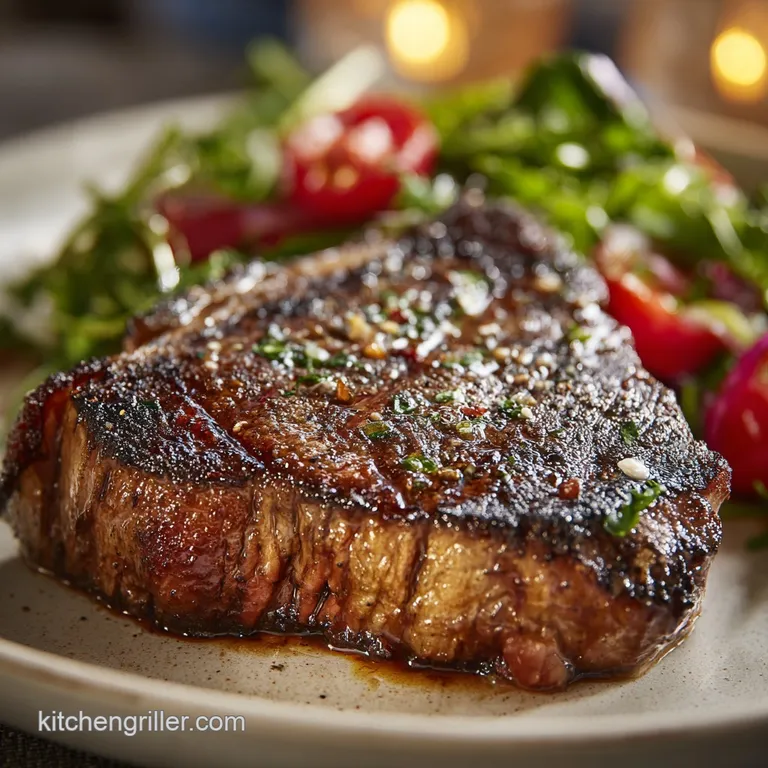
Even seasoned pros can run into issues when the heat is this high. The Blackstone is a powerful beast, but it can be unforgiving if you aren't paying attention to the details.
Why Your Steak Has a Gray Ring
If you see a thick band of gray, overcooked meat surrounding a small pink center, your temperature was likely too low or you took too long to flip. This "gray ring" happens when the heat penetrates the center before the outside has a chance to crust up.
To fix this, ensure the griddle is screaming hot (at least 450°F) before the meat touches the steel.
Why Your Seasoning Is Burning
Smelling something acrid or bitter? That’s your spices burning. Granulated garlic and pepper can scorch if they sit on 500°F steel for too long. If you find your rub is turning black too fast, try a "reverse sear" method where you cook the steak most of the way on a cooler zone, then hit the high heat for only 60 seconds at the very end to set the crust.
| Problem | Root Cause | Solution |
|---|---|---|
| No Crust | Surface was wet or griddle was cold | Pat meat dry with towels; wait for 450°F+ temp. |
| Bitter Aftertaste | Burned butter or low smoke point oil | Add butter only at the very end in a cool zone. |
| Uneven Cooking | Steaks were straight from the fridge | Let steaks sit out for 20 mins before cooking. |
Common Mistakes Checklist
Avoid these frequent pitfalls to ensure your result is top tier every single time you fire up the griddle.
- ✓ Never use "Extra Virgin" olive oil for the initial sear; its smoke point is too low and it will taste like a campfire in a bad way.
- ✓ Stop pressing down on the steak after the first 30 seconds; you’ll squeeze out all the internal moisture.
- ✓ Don't overcrowd the surface; if you put four steaks in one spot, the steel's temperature will plummet.
- ✓ Always use a wire rack for resting; resting on a flat plate creates a pool of juice that ruins the bottom crust.
- ✓ Resist the urge to cut into it immediately; those 10 minutes of resting are when the muscle fibers relax and reabsorb the fat.
Flavor Swaps and Tweaks
While the classic ribeye is hard to beat, the beauty of the griddle is how well it handles fusion flavors and different cuts of meat. You can easily pivot this recipe to suit whatever vibe you're going for.
If you are looking for a leaner option, a Filet Mignon works beautifully on the Blackstone. However, since it lacks the fat of a ribeye, you will need to be much more aggressive with the butter baste. I like to add a splash of soy sauce or Worcestershire to the butter during the final minute for a massive hit of umami.
For those who love a bit of heat, try adding a teaspoon of chili flakes or a dollop of gochujang into the butter bath. The sugar in the gochujang will caramelize against the steak, creating a sticky, spicy crust that is absolutely addictive. Just be careful, as sugar burns much faster than salt and pepper.
| Method | Time | Texture | Best For |
|---|---|---|---|
| over High heat Sear | 8 mins total | Ultra crispy, dark crust | Thick Ribeyes and Strips |
| Two Zone Cook | 12 mins total | Even pink, soft crust | Filets and thick cut loins |
| Flash Sauté | 4 mins total | Tender, lightly browned | Steak bites and thin strips |
Downsizing and Expanding Production
Whether you are cooking for a solo dinner or a backyard bash, the math for a great steak changes slightly. The Blackstone is particularly good for large groups because of its massive real estate.
When scaling down to a single steak, use the smallest zone of your griddle to save fuel, but keep the heat high. If you are scaling up to 6 or 8 steaks, the biggest challenge is heat management. You’ll need to rotate the steaks through the "hot spots" of your griddle.
Most Blackstones have hotter areas directly over the burners and cooler spots in the corners. Use these corners to rest steaks that are cooking too fast while others catch up.
For large batches, increase the salt and spices to 1.5x rather than doubling them. Salt has a way of magnifying when used in huge quantities across multiple pieces of meat. Also, when working with many steaks, add the butter in batches.
If you put all the butter down at once for 8 steaks, it will foam up and burn before you can finish basting the last one.
Debunking Griddle Beliefs
There is a lot of "old school" advice floating around that actually hinders a good cook. Let's clear the air on a few things.
First, "searing meat seals in the juices" is a total myth. Searing creates flavor through the Maillard reaction, but the meat actually loses moisture as it sears. The reason a seared steak tastes juicier is because the crust provides a textural contrast that makes the interior feel softer.
Moisture loss is inevitable, but proper resting is what keeps the remaining juices inside the fibers.
Second, many people believe you should only flip a steak once. This is actually counterproductive. Flipping every 60 to 90 seconds (after the initial crust is set) can actually help the steak cook more evenly and faster.
It prevents one side from absorbing too much heat and overcooking the area just beneath the surface. For the Blackstone, I usually stick to the single flip method for the crust, but if you have a monster 2 inch steak, multiple flips are your friend.
Storage and Waste Prevention
Steak is rarely better the next day, but if you have leftovers, there are ways to ensure they don't go to waste or turn into rubber.
- Storage: Keep leftover steak in an airtight glass container in the fridge for up to 3 days. Do not slice it before storing; keeping it whole helps retain the remaining moisture.
- Freezing: You can freeze cooked steak for up to 2 months. Wrap it tightly in plastic wrap and then a layer of foil to prevent freezer burn.
- Zero Waste: Don't throw away the fat caps or the bone. Render the fat down in a small pan to use as a "beef tallow" for frying eggs the next morning. If you have the bone, toss it into a pot with some veggie scraps to make a quick, rich beef stock.
- Reheating: Never use the microwave. It turns steak into leather. Instead, heat it in a 250°F oven until it reaches 110°F internal, then give it a 30 second flash sear on a hot pan to wake up the crust.
Bold Serving Suggestions
Once that steak has rested and you’ve sliced into that velvety pink center, the presentation is the final step. I prefer to slice the ribeye against the grain into thick, half inch strips. This breaks up the long muscle fibers, making every bite feel tender.
Lay the slices out on a warm platter and pour any accumulated juices from the resting rack back over the meat. This is "liquid gold" and contains all the concentrated flavor of the dry brine and herb butter.
A final sprinkle of flaky sea salt (like Maldon) adds a clean, sharp crunch that cuts through the richness of the ribeye fat.
Pair this with something acidic to balance the intensity. A simple chimichurri with plenty of parsley and vinegar, or even just a squeeze of fresh lemon over the top, can brighten the whole dish. The goal is to keep the flavors bold and the heat high until the very last bite.
Enjoy the roar of the griddle and the silence that follows when everyone finally starts eating!
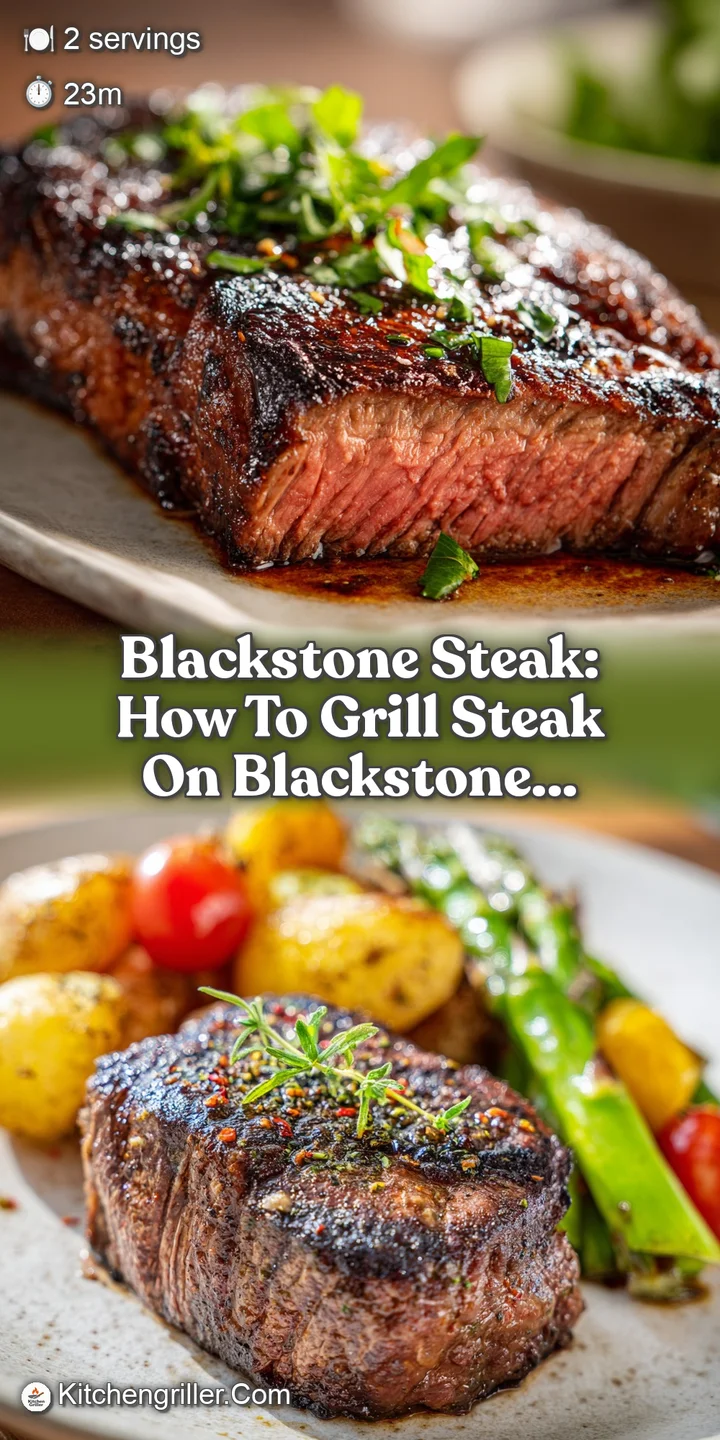
CRITICAL: Very High in Sodium
3420 mg 3420 mg of sodium per serving (149% 149% of daily value)
The American Heart Association recommends a limit of about 2,300mg per day, but an ideal limit of no more than 1,500mg per day for most adults.
Tips to Reduce Sodium in Prime Ribeye
-
Drastically Reduce Kosher Salt-25%
The 1 tablespoon of coarse Kosher salt is the primary sodium source. Eliminate it entirely from the rub and rely on other seasonings for flavor. This will have the most significant impact.
-
Enhance Flavor with Herbs and Spices
Boost the savory notes of the steak by using fresh rosemary and smashed garlic in addition to the granulated garlic and smoked paprika. Consider adding other no-sodium spices like onion powder or chili flakes.
-
Use Unsalted Butter-5%
Ensure the 3 tablespoons of butter used are unsalted to prevent adding unnecessary sodium during the basting process.
-
Confirm Oil is Sodium Free
While avocado oil typically contains no sodium, double check the label to ensure your specific avocado oil is sodium free before use.
Recipe FAQs
How do you cook steak on Blackstone?
Pat steaks dry, season with salt, pepper, garlic, and paprika, then temper for 15-30 minutes. Preheat your griddle to 450-500°F with avocado oil, sear for 3-4 minutes per side, finish by basting with butter, garlic, and rosemary, and rest for 10 minutes.
Is the 3-3-3 rule for steaks effective on a griddle?
No, this is a common misconception. Griddle cooking relies on specific crust formation rather than fixed timing intervals, so it is better to sear until a mahogany crust forms, usually taking 3-4 minutes per side, rather than adhering to rigid minute based rules.
Is cooking steak on a Blackstone worth it?
Yes, it is highly recommended. The large flat surface area allows for superior heat retention and consistent contact, creating a much better crust than a standard skillet. If you enjoyed mastering the high heat sear on this steak, you can apply that same crust building technique to our smash burger recipe.
What temperature do you cook steak on a griddle?
Use a high heat setting, ideally between 450°F and 500°F. This range is necessary to trigger the Maillard reaction quickly enough to develop a deep, flavorful crust before the interior overcooks.
Why is my steak coming out tough?
You are likely pressing down on the meat while it cooks. Never press on the steak after the first 30 seconds of searing, as this forces out essential juices and dries out the muscle fibers, resulting in a tough texture.
How to prevent the steak from cooling down too fast after cooking?
Rest the steak on a wire rack rather than a flat plate. Placing the meat on a flat surface allows it to sit in its own hot juices, which ruins the texture and causes the crust to soften; a rack promotes airflow while keeping the meat warm during the 10-minute resting phase.
Is it necessary to use expensive oil for the sear?
No, stick to avocado oil. Never use extra virgin olive oil for the initial sear because its low smoke point will burn and impart a bitter, acrid flavor to your meat; avocado oil is ideal due to its high smoke point and neutral profile.
Blackstone Steak Recipe 2
Ingredients:
Instructions:
Nutrition Facts:
| Calories | 1268 kcal |
|---|---|
| Protein | 65 g |
| Fat | 112 g |
| Carbs | 1.2 g |
| Fiber | 0.3 g |
| Sugar | 0.1 g |
| Sodium | 3420 mg |
