Smoked Salmon Brine Brown Sugar Recipe
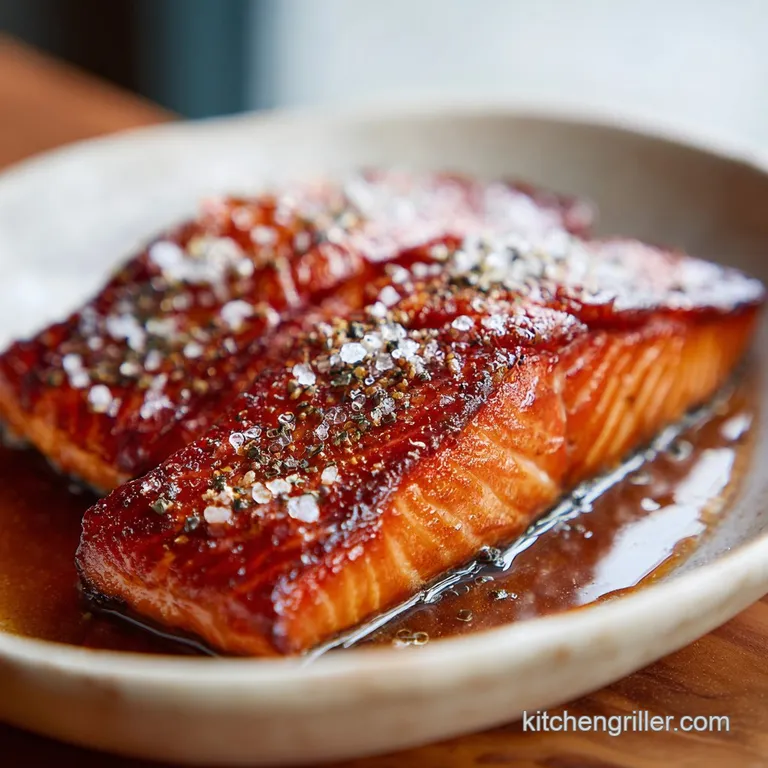
- Time: Active 15 minutes, Passive 14 hours 45 mins, Total 15 hours
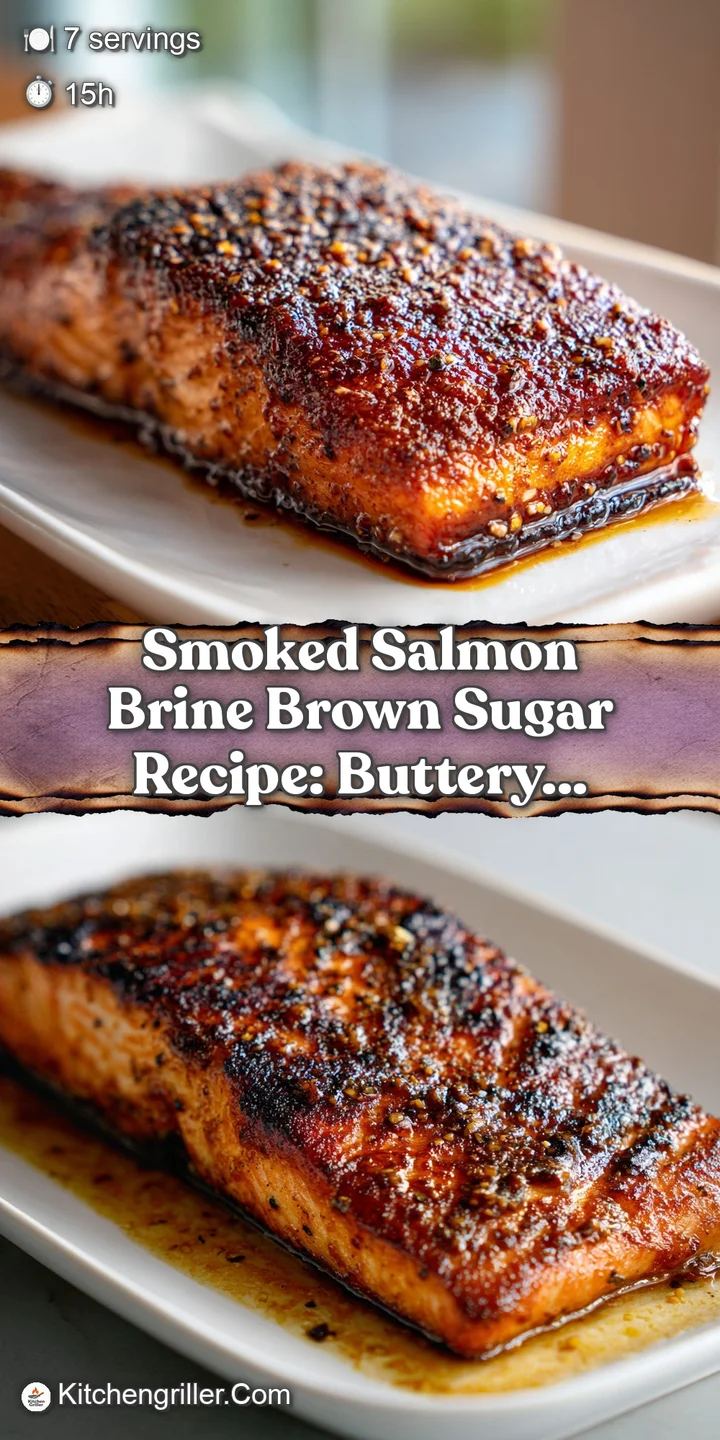
- Flavor/Texture Hook: Silky, buttery flesh with a tacky, sweet and savory pellicle
- Perfect for: High end brunch platters or patient pitmasters seeking authentic results
- The Science of Osmosis Behind This Smoked Salmon Brine Brown Sugar Recipe
- Precision Metrics for Achieving the Perfect Velvety Smoked Texture
- Sourcing High Quality Elements for Your Dry Brine Laboratory
- Essential Pitmaster Tools for Maintaining Low and Slow Precision
- Executing the Multi Stage Process for Authentic Smoked Salmon
- Preventing Common Technical Failures During the Curing Process
- Adjusting Your Formula for Specific Nutritional or Flavor Requirements
- Preserving the Integrity of Your Finished Smoked Salmon Fillets
- Complementary Flavors That Highlight the Richness of Smoked Fish
- High in Sodium
- Recipe FAQs
- 📝 Recipe Card
The Science of Osmosis Behind This Smoked Salmon Brine Brown Sugar Recipe
The aroma of a cold smoker at 5:00 AM is something you never forget it’s a mix of damp morning air and the sweet, heavy scent of cherry wood. I remember my first attempt at this smoked salmon brine brown sugar recipe; I was so impatient that I skipped the drying phase, and the result was a soggy, gray mess that looked nothing like the translucent gems you see in Pacific Northwest fish markets.
I realized then that smoking isn't just "cooking with wood"; it's a multi stage chemical transformation that requires absolute patience.
We are essentially running a biological experiment in our kitchen. When you bury 2.5 lbs of fresh salmon in this mixture, you aren't just seasoning it. You are using the hygroscopic properties of the 2 cups of dark brown sugar and 1/2 cup of kosher salt to draw out moisture while simultaneously forcing flavor into the cellular structure of the fish.
It is a slow, methodical exchange that demands a laboratory like focus on temperature and time.
- Protein Denaturation: The salt breaks down the lean muscle fibers, allowing the sugar and spices to penetrate deeply rather than just sitting on the surface.
- Hygroscopic Draw: Sugar acts as a magnet for water, pulling moisture from the salmon to create a concentrated syrup that eventually re absorbs as a flavor packed brine.
- Pellicle Formation: Air drying the brined fish creates a "tacky" surface (the pellicle) which is the only way for smoke particulates to actually adhere to the protein.
- Bacterial Inhibition: The high concentration of solutes in this smoked salmon brine brown sugar recipe lowers the water activity, making the environment hostile to spoilage during the long smoke.
| Method | Time | Texture | Best For |
|---|---|---|---|
| Dry Brine (This Recipe) | 15 hours | Firm, translucent, silky | Authentic lox style or hot smoked |
| Wet Brine | 8 hours | Plump, juicy, soft | Beginners or leaner fish species |
| No Brine (Quick Smoke) | 2 hours | Flaky, like roasted fish | Fast weeknight dinners (not recommended for traditional texture) |
Choosing the right method depends on your desired "mouthfeel." While a wet brine is faster, the dry brine in this recipe provides a much more concentrated flavor profile and that classic, firm "snap" when you bite into a slice. If you are looking for a side dish to serve alongside your masterpiece, this technique pairs exceptionally well with the rich, creamy profile of my Smoked Mac and recipe.
Precision Metrics for Achieving the Perfect Velvety Smoked Texture
| Component | Science Role | Pro Secret |
|---|---|---|
| Dark Brown Sugar | Moisture retention & caramelization | Use "dark" for the higher molasses content; it provides a deeper color than light brown sugar. |
| Kosher Salt | Protein modification | Never use table salt; the grain size is too small and will result in an aggressively over salted product. |
| Black Pepper | Surface friction & aromatics | Coarsely cracked pepper provides "crater" points for smoke to settle into the bark. |
Sourcing high-quality Elements for Your Dry Brine Laboratory
To execute this smoked salmon brine brown sugar recipe correctly, every ingredient must serve its scientific purpose. We aren't just throwing things in a bowl; we are constructing a curing environment.
- Dark Brown Sugar (2 cups): Provides the sweetness and the sticky base for the brine. Why this? The molasses acts as a humectant, keeping the salmon from drying out into jerky.
- Substitute: Maple sugar it adds a distinct woody sweetness but is more expensive.
- Kosher Salt (1/2 cup): The primary curing agent. Why this? Flaky salt dissolves at a controlled rate, preventing a "salt shock" to the fish.
- Substitute: Sea salt (coarse) ensure it is non iodized to avoid a metallic aftertaste.
- Coarsely Cracked Black Pepper (1 tbsp): Adds a biting counterpoint to the sugar. Why this? Larger cracks release oils slowly during the 14 hour process.
- Substitute: White pepper provides heat without the black specks if you want a cleaner look.
- Garlic Powder (1 tsp): A savory baseline. Why this? Powder distributes more evenly in a dry mix than fresh minced garlic.
- Substitute: Onion powder similar savory profile but slightly sweeter.
- Fresh Salmon Fillet (2.5 lbs): The canvas for our smoke. Why this? Skin on is non negotiable; it protects the delicate flesh from the heat source.
- Substitute: Steelhead trout very similar fat content and works perfectly with this brine ratio.
Essential Pitmaster Tools for Maintaining Low and Slow Precision
You cannot "eyeball" a 15 hour recipe. Precision requires specific gear to monitor the environment within your smoker and the internal state of the fish.
- Non Reactive Tray: Use glass or food grade plastic (like a Cambro) for the brining process. Metal can react with the salt and leave a tinny flavor.
- Digital Leave in Thermometer: Essential for monitoring the 2.5 lbs of salmon. I recommend something like a Thermoworks Smoke for dual zone monitoring.
- Cooling Rack: You need airflow around the entire fish to form the pellicle.
- Electric or Offset Smoker: Something capable of holding a steady 150°F to 180°C.
Chef's Tip: Freeze your salmon for 20 minutes before starting. This firms up the fat, making it much easier to remove any remaining pin bones with needle nose pliers without tearing the velvety flesh.
Executing the Multi Stage Process for Authentic Smoked Salmon
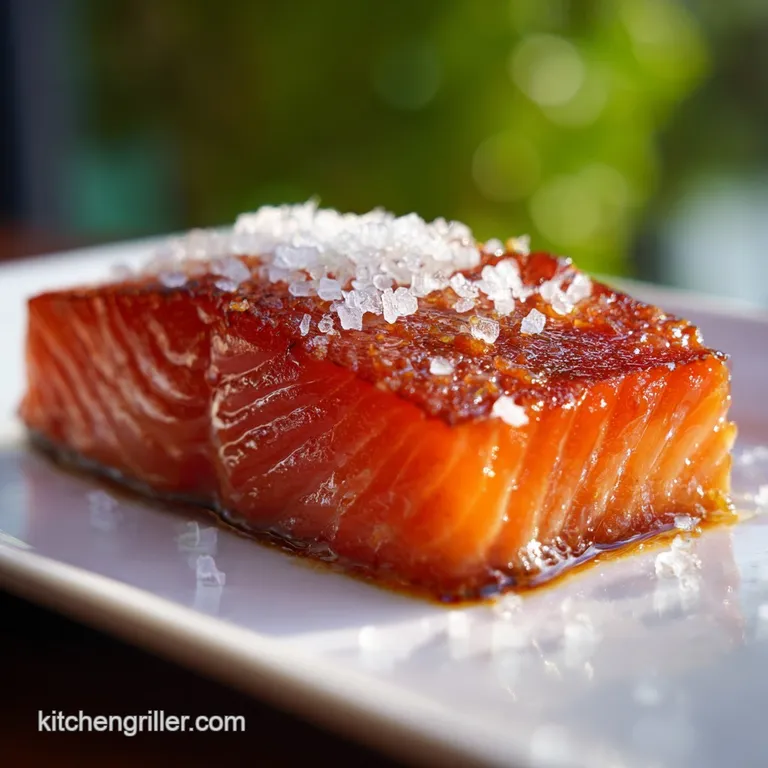
- Combine the dry base. Mix the 2 cups dark brown sugar, 1/2 cup kosher salt, pepper, and garlic powder in a bowl until the mixture looks like wet sand.
- Prepare the protein. Pat the 2.5 lbs salmon fillet completely dry with paper towels. Note: Moisture on the surface at this stage can cause the salt to dissolve too quickly in one spot.
- Layer the cure. Spread half of the sugar mixture in the bottom of your tray, place the fish skin side down, and cover the top with the remaining cure.
- Initiate the overnight infusion. Cover tightly and refrigerate for 8 to 12 hours. You will see a liquid syrup form; this is normal.
- Rinse and neutralize. Remove the fish and rinse thoroughly under cold water to remove all excess salt. Do not skip this, or the fish will be inedible.
- Form the pellicle. Place the salmon on a wire rack over a baking sheet and set it in front of a fan for 2 to 4 hours. Wait until the surface is tacky to the touch.
- Calibrate the smoker. Preheat your smoker to 150°F (65°C) using alder or cherry wood for a mild, authentic flavor profile.
- Execute the low and slow smoke. Place the salmon in the smoker. Cook until the internal temperature reaches 145°F.
- Monitor for doneness. You should see the salmon turn a deep mahogany color while the fat just begins to glisten on the surface.
- Stabilize the texture. Allow the salmon to cool completely at room temperature for 1 hour before refrigerating. This sets the proteins.
Preventing Common Technical Failures During the Curing Process
The most common disaster with this smoked salmon brine brown sugar recipe is the "white ooze," also known as albumin. This happens when the fish is heated too quickly, causing the protein to contract and squeeze out liquid that coagulates on the surface.
Why Your Salmon Has White Spots
If you see white, chalky spots on your fish, your smoker temp was likely too high. While it is safe to eat, it ruins the aesthetic. You can gently brush it off with a paper towel dipped in oil, but the damage to the internal moisture is already done. This is a common error I've seen even with experts who might be used to a Smoked Meatloaf Recipe where high heat is more forgiving.
| Problem | Root Cause | Solution |
|---|---|---|
| Fish is too salty | Rinsing stage was too short | Rinse for at least 2 full minutes; soak in fresh water for 10 mins if over cured. |
| Surface is dull | No pellicle formed | Use a fan during the drying phase to ensure the surface is sticky before smoking. |
| Flesh is dry/crumbly | Smoker temp exceeded 200°F | Keep the smoker below 175°F to maintain the velvety, translucent texture. |
Common Mistakes Checklist:
- ✓ Never use iodized table salt; the chemical additives ruin the cure.
- ✓ Don't skip the rinse; the dry brine is for extraction, not for heavy surface seasoning.
- ✓ Avoid "peeking" at the smoker; every time you open the door, you lose the humidity required for a soft finish.
- ✓ Ensure the salmon is skin on to provide a heat shield for the delicate fats.
- ✓ Wait for the "tacky" feel; if the fish is wet when it goes in, the smoke will just slide off.
Adjusting Your Formula for Specific Nutritional or Flavor Requirements
When scaling this recipe, remember that salt and sugar ratios are about surface area. If you are doubling the recipe to 5 lbs of salmon, do not simply double the salt. Increase the salt and spices to 1.5x only to avoid over curing the thinner tail sections of the fish.
Precision Checkpoints for Scaling
- Thickness: 1 inch fillet | Brine Time:8 hours | Smoke Time: 3-4 hours
- Internal Temp:145°F (63°C) is the target for food safety and optimal moisture.
- Weight: For every 1 lb of fish, use roughly 1 cup of the dry brine mixture.
| Fresh Salmon | Pre Brined Shortcut | Flavor Impact | Savings |
|---|---|---|---|
| Wild Sockeye | Farmed Atlantic | Wild is leaner/intense; Farmed is fattier/buttery | Save $5-10 per lb |
| Hand Cracked Pepper | Pre ground Pepper | Fresh has volatile oils; Pre ground is muted | Save $2-3 |
| Dark Brown Sugar | Light Brown Sugar | Dark has more molasses; Light is milder | No significant savings |
Preserving the Integrity of Your Finished Smoked Salmon Fillets
Once you have achieved that perfect, shatter proof bark and silky interior, you must store it correctly to prevent the oils from going rancid. Smoked salmon is a "live" product that continues to develop flavor as it sits.
- Fridge
- Keep in an airtight container or vacuum sealed bag for up to 7 days.
- Freezer
- Smoked salmon freezes exceptionally well. Vacuum seal portions to prevent freezer burn; it will stay high-quality for up to 3 months.
- Zero Waste Tip
- Don't throw away the salmon skin! After you've sliced the meat away, fry the skin in a pan until it's crispy like a cracker. It's the "bacon of the sea" and makes an incredible garnish for salads.
Complementary Flavors That Highlight the Richness of Smoked Fish
This smoked salmon brine brown sugar recipe results in a very rich, fatty finished product. You need acidity and crunch to cut through that intensity. Think pickled red onions, capers, or a sharp squeeze of lemon.
If you are hosting a larger event and need more variety, consider serving the salmon alongside other smoked delicacies. The sweetness of the brown sugar in this brine is mirrored beautifully in a Grilled Pineapple Recipe, which provides a tropical acidity that cleanses the palate between bites of oily fish.
Myths Regarding the Smoked Salmon Brine Brown Sugar Recipe
- The "Sugar Cook" Myth: Some believe the sugar "cooks" the fish like citrus does in ceviche. This is false. Sugar is primarily there for flavor balance and to assist the salt in moisture extraction through osmotic pressure.
- The Rinse Myth: People worry that rinsing the salmon washes away the flavor. In reality, the flavor has already moved into the cells of the fish. Rinsing only removes the excess surface salt that would otherwise be overpowering.
- The "Any Wood Works" Myth: Using heavy woods like mesquite or hickory will completely overwhelm the delicate fats of the salmon. Stick to fruitwoods or maple to allow the brown sugar notes to shine through.
Chef's Tip: If you want a deeper color, add a tablespoon of beet juice to your dry brine. It won't change the flavor significantly, but it will give the edges of the salmon a stunning, vibrant ruby hue that looks incredible on a bagel spread.
High in Sodium
985 mg of sodium per serving (43% of daily value)
The American Heart Association recommends limiting sodium intake to no more than 2,300mg per day for most adults.
Sodium Reduction Tips for Salmon Cure
-
Reduce Kosher Salt-25%
Kosher salt is the primary source of sodium in this recipe. Reduce the amount from 1/2 cup to 1/4 cup for a significant reduction in sodium, but monitor taste and texture for optimal cure.
-
Experiment with Herbs
Enhance the flavor profile by adding fresh herbs like dill, cilantro, or chives. This will add complexity and can help to reduce the perceived need for salt without any sodium.
-
Fresh Garlic > Powder-10%
Use freshly minced garlic instead of garlic powder. You may get a more potent garlic flavor with fresh garlic, allowing for less salt to achieve a similar flavor profile. Start by substituting 2-3 cloves of minced fresh garlic for the 1 tsp of garlic powder, adjusting to taste.
-
Spice It Up-5%
Increase the coarsely cracked black pepper or add other spices such as red pepper flakes or smoked paprika to enhance flavor and mask the need for as much salt. Experiment to find your preferred balance.
Recipe FAQs
What is the ratio of brown sugar to salt for smoked salmon?
Four to one (4:1) is the standard ratio. This recipe uses 2 cups of brown sugar to 1/2 cup of kosher salt, providing the necessary sugar content to balance curing while promoting good pellicle formation.
What kind of brine do you use to smoke salmon?
A dry cure brine is highly recommended for authentic texture. This involves coating the fish with a dry mixture of salt and sugar, which draws out moisture and concentrates the flavor far better than a liquid bath.
Do you refrigerate salmon while brining?
Yes, absolutely essential for safety and quality. Refrigeration keeps the temperature low (ideally below 40°F) throughout the curing process, preventing bacterial growth while the salt and sugar work.
How to make a salt and brown sugar brine?
Combine the dry ingredients thoroughly until uniform. Mix your kosher salt and dark brown sugar in a bowl, pat the salmon completely dry, and then coat the entire surface evenly with the mixture.
Why is rinsing the salmon after brining critical?
No, this is crucial to prevent an unpalatably salty final product. The flavor has already permeated the flesh; rinsing removes the excess surface cure that was responsible for the extraction, ensuring a balanced taste.
Can I use light brown sugar instead of dark brown sugar?
No, stick with dark brown sugar for best results. Dark brown sugar contains more molasses, which contributes deeper color, a richer flavor profile, and better hygroscopic properties for moisture retention.
How long should the salmon air dry before smoking?
Air dry for 2 to 4 hours until the surface is tacky to the touch. This process forms the pellicle, which is the essential sticky layer that allows the smoke particles to adhere properly to the fish.
Brown Sugar Smoked Salmon Brine
Ingredients:
Instructions:
Nutrition Facts:
| Calories | 369 calories |
|---|---|
| Protein | 32.4 grams |
| Fat | 21 grams |
| Carbs | 8.2 grams |
| Fiber | 0.1 grams |
| Sugar | 8.1 grams |
| Sodium | 985 milligrams |
