High Protein Sheet Pan Meal with Chicken and Vegetables
- Time: Active 15 minutes, Passive 30 minutes, Total 45 minutes
- Flavor/Texture Hook: Charred, zesty, and crackling
- Perfect for: Busy weeknight fuel or macro friendly meal prep
- High Protein Sheet Pan Meal with Chicken and Vegetables
- The Science of Staggered Roasting
- Component Analysis and Selection
- Selecting Your Fresh Elements
- Mastering Essential Roasting Equipment
- Executing the High Protein Strategy
- Success Strategies for Crispness
- Adapting for Different Needs
- Guidelines for Proper Rescaling
- Debunking Common Roasting Misconceptions
- Storage and Sustainable Practices
- Recipe FAQs
- 📝 Recipe Card
High Protein Sheet Pan Meal with Chicken and Vegetables
The kitchen was absolute chaos last Tuesday night. My youngest had soccer practice run late, the dog decided it was the perfect time to "reorganize" the mudroom, and I had exactly forty five minutes before I hit that "I'm just ordering pizza" breaking point.
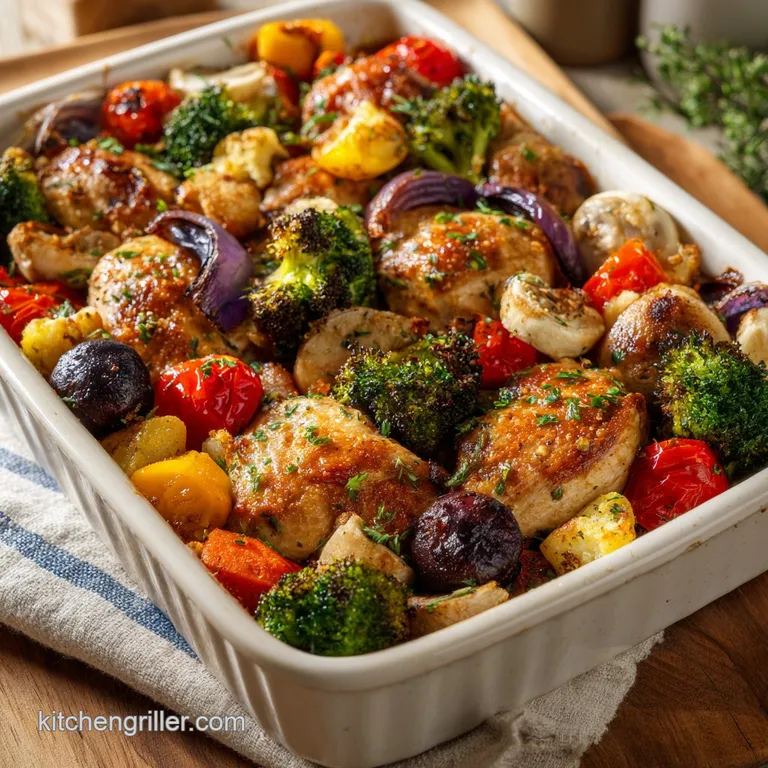
I pulled out my trusty half sheet pan, found some chicken in the fridge, and just started chopping. This high protein sheet pan meal with chicken and vegetables makes a delicious and easy dinner.
There is something deeply satisfying about hearing the sizzle of raw chicken hitting a preheated baking sheet. It is a sound that promises dinner will actually happen. I have made the mistake before of just throwing everything on a cold pan at once, which usually results in sad, rubbery chicken and grey, steamed broccoli.
This method is different. We are aiming for those crispy, charred edges and potatoes that have a genuine snap when you bite into them.
By the time the timer beeped, the kitchen smelled like roasted rosemary and garlic. No fancy equipment, no mountain of dishes to scrub just one pan that delivered nearly 60 grams of protein per serving. It is the ultimate hack for anyone who loves the efficiency of a Chicken Dinner Bowls recipe but wants that oven-roasted depth of flavor. Let’s get stuck into how you can pull this off tonight.
The Science of Staggered Roasting
Thermal Differential: Potatoes require much higher cumulative heat to break down starch than chicken needs to reach safety. By giving the potatoes a 15 minute head start, we ensure they reach a "shatter" crispness without overcooking the lean chicken breast.
Maillard Reaction Efficiency: Preheating the pan creates an immediate sear on the chicken medallions. This rapid surface dehydration prevents the meat from sitting in its own juices and steaming, which is the primary cause of "rubber chicken" syndrome.
Evaporative Cooling Prevention: Crowding the pan drops the temperature instantly as moisture escapes the vegetables. Using a large sheet pan allows air to circulate around each piece of broccoli, turning the moisture into steam that escapes rather than pooling.
| Method | Cook Time | Texture Result | Best For |
|---|---|---|---|
| Oven Roasting | 30 minutes | Crispy edges, deep char | Developing complex roasted flavors |
| Stovetop Sauté | 15 minutes | Even browning, softer middle | When you're in an extreme rush |
| Air Fryer | 20 minutes | Maximum crunch, dry finish | Smaller batches (1-2 servings) |
Roasting in the oven provides a dry heat environment that develops a much more complex flavor profile than the stovetop. While sautéing is faster, you lose that "roasted" sweetness that happens when the red onions caramelize in the high heat.
Component Analysis and Selection
| Ingredient | Science Role | Pro Secret |
|---|---|---|
| Yukon Gold Potatoes | Starch base | High sugar content leads to faster browning |
| Chicken Breast | Lean protein | Slicing into medallions increases surface area for seasoning |
| Greek Yogurt | Acid tenderizer | The lactic acid breaks down tough fibers in the chicken |
| Rosemary | Volatile aromatics | Chopping finely releases oils that survive high heat |
Each component plays a specific part in the final texture. The Yukon Golds are non negotiable for me because they hold their shape much better than Russets but have a creamier interior than red potatoes. If you're looking for a lower carb vibe, you can swap them out, though you'll miss that satisfying crunch.
Selecting Your Fresh Elements
To pull this off, you need to be intentional with your ingredients. We aren't just throwing things in a bowl; we are building a meal that fuels you. I always grab the largest chicken breasts I can find because the 1.5 lbs of boneless skinless chicken breasts provide that massive protein punch we’re after.
- 1.5 lbs chicken breasts: Sliced into 1 inch medallions for fast, even cooking.
- 1 lb baby Yukon Gold potatoes: Quartered. Why this? They crisp faster than whole or larger potato chunks.
- 2 cups broccoli florets: Fresh is best; frozen tends to release too much water.
- 1 large red bell pepper: Sliced into strips for sweetness.
- 0.5 large red onion: Cut into wedges to caramelize beautifully.
- 3 tbsp extra virgin olive oil: For heat conduction and flavor.
- 4 cloves garlic: Minced (don't use the jarred stuff here).
- 1 tbsp fresh rosemary: Finely chopped.
- 1 tsp smoked paprika: Adds a "gas grill" smokiness without the flame.
- Dressing Ingredients: 0.5 cup plain non fat Greek yogurt, 1 tbsp lemon juice, 1 tsp zest, 1 tbsp fresh dill, and 1 tsp Dijon mustard.
| Original Ingredient | Substitute | Why It Works |
|---|---|---|
| Yukon Gold Potatoes | Cauliflower florets | Lowers carbs; use the same roasting time as broccoli |
| Chicken Breast | Chicken Thighs | Higher fat content; more forgiving if overcooked |
| Fresh Rosemary | Dried Oregano | Earthy flavor. Note: Use half the amount as dried is more potent |
If you find yourself missing a specific vegetable, don't sweat it. You can easily adapt this by looking at my Grilled Vegetables in recipe for inspiration on what else roasts well at high temperatures, like zucchini or asparagus.
Mastering Essential Roasting Equipment
You don't need a professional kitchen, but a flimsy cookie sheet won't cut it here. A heavy duty rimmed baking sheet (half sheet size) is the most important tool you own for this recipe.
If the pan is too thin, it will warp in the 400°F oven, and your oil will all pool in one corner, leaving half your veggies dry and the other half greasy.
A sharp chef's knife is your second best friend. Since we are cutting chicken into 1 inch medallions and quartering potatoes, precision matters for even cooking. I also highly recommend using a digital meat thermometer.
It takes the guesswork out of the chicken, so you aren't cutting into a piece every two minutes to check for pink.
Chef's Tip: Freeze your chicken for 15 minutes before slicing. It firms up the muscle fibers, allowing you to cut perfectly uniform medallions with zero sliding.
Executing the High Protein Strategy
1. The Thermal Prep
Preheat your oven to 400°F (200°C). Place your empty sheet pan inside while the oven heats. This "hot start" is a hack that ensures the potatoes start sizzling the second they touch the metal.
2. Season the Base
In a large bowl, toss the quartered potatoes with 1 tbsp of olive oil, half the salt, pepper, and the rosemary. Note: Potatoes need the most seasoning because they absorb salt into their starch.
3. The Initial Roast
Carefully pull out the hot pan and dump the potatoes onto it. Spread them out so they aren't touching. Roast 15 minutes until the edges start to turn pale gold.
4. Prepare the Protein
While the potatoes roast, toss the chicken medallions in a bowl with the remaining oil, garlic, paprika, and salt. Note: Don't let the garlic sit on the chicken too long before cooking or it can turn bitter.
5. Adding the Produce
In a separate bowl, give the broccoli, peppers, and onions a quick toss with a tiny splash of oil. You want them coated but not dripping.
6. The Assembly
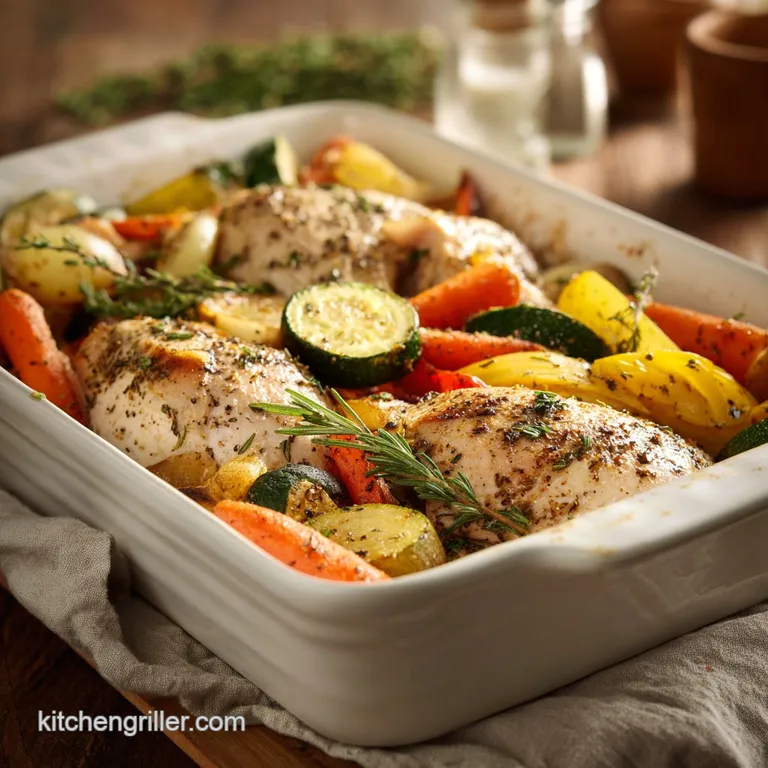
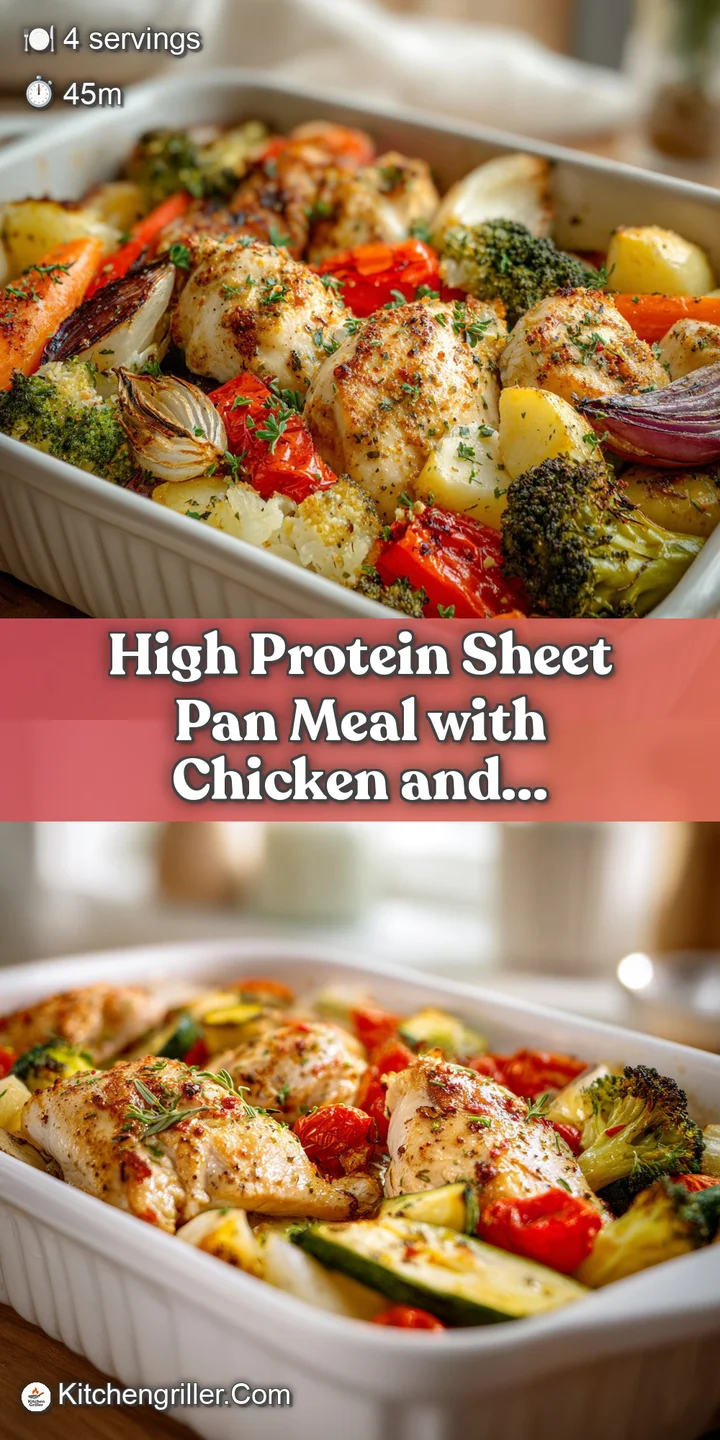
Move the potatoes to one side of the pan. Add the chicken medallions and the vegetable mix to the other side. Roast 15 minutes until the chicken is firm and the broccoli tips are charred.
7. Whisk the Drizzle
While the pan finishes, whisk the Greek yogurt, lemon juice, zest, dill, and Dijon together in a small bowl. If it’s too thick, add a teaspoon of water.
8. Final Char and Finish
Check the chicken internal temp it should hit 165°F. Remove from the oven and let it rest on the pan for 3 minutes before drizzling with the lemon dill sauce.
| Thickness | Internal Temp | Rest Time | Visual Cue |
|---|---|---|---|
| 1 inch medallions | 165°F | 3 mins | Opaque center, clear juices |
| 1/2 inch strips | 165°F | 2 mins | Edges slightly browned |
| Whole breast | 165°F | 8 mins | Plump and firm to touch |
Success Strategies for Crispness
Why Your Broccoli Is Sizzling
The biggest mistake people make is washing the broccoli right before putting it in the oven. Water is the enemy of the roast. If your vegetables are even slightly damp, they will steam instead of char. Pat everything dry with a paper towel it feels fussy, but it makes a massive difference in the final texture.
Dry Chicken Breast Syndrome
Because chicken breast is so lean, it can go from juicy to "sawdust" in about ninety seconds. This is why we use the 1 inch medallion cut. It cooks fast enough that the outside browns before the inside dries out. Trust your thermometer, not the clock.
Burnt Garlic Bitterness
Minced garlic burns at a much lower temperature than potatoes roast. If you toss the garlic in with the potatoes at the start, it will be black and bitter by the time dinner is served. Always add the garlic with the chicken during the second half of the roasting process.
| Problem | Root Cause | Solution |
|---|---|---|
| Potatoes are hard | Cut too large or not pre roasted | Slice into 1/2 inch chunks next time |
| Sliced chicken is dry | Overcooked past 165°F | Pull at 160°F; carryover heat finishes it |
| Veggies are mushy | Pan was overcrowded | Use two sheet pans if needed |
Common Mistakes Checklist:
- ✓ Pat chicken completely dry before seasoning to ensure the spices stick and the meat sears.
- ✓ Ensure the oven is fully preheated; don't rush the process or you'll lose the "crust" on the potatoes.
- ✓ Space out the ingredients if they are touching, they are steaming.
- ✓ Use fresh lemon juice for the sauce; the bottled stuff has a metallic aftertaste that ruins the Greek yogurt.
Adapting for Different Needs
If you are cooking for a crowd, don't just double everything on one pan. You’ll end up with a soggy mess. Use two pans and swap their positions halfway through the cook time. For those watching their carb intake, you can replace the potatoes with extra broccoli or even radishes (which roast surprisingly well!).
If you're craving something different, this base recipe is incredibly flexible. You can take it in a Mediterranean direction by adding feta and olives at the end, or go for a "Spicy Gochujang Twist" by swapping the paprika for chili paste and the dill for cilantro. For a great side pairing that handles leftovers well, my Classic Potato Salad recipe is a perfect way to use up any extra Yukon Golds you bought.
- If you want more crunch
- Use the "convection" or "fan" setting on your oven to circulate air.
- If you want it spicy
- Add a teaspoon of red pepper flakes to the chicken marinade.
- If you want it faster
- Microwave the potatoes for 3 minutes before putting them on the pan.
Guidelines for Proper Rescaling
When cutting this recipe in half, use a smaller quarter sheet pan. If you use a full sized pan for half the ingredients, the oil will spread too thin and burn on the empty spaces of the metal.
If you're scaling up for meal prep, keep the seasoning ratios the same, but be careful with the lemon it can become overpowering in large batches.
Scaling for baking usually requires massive adjustments, but for roasting, it is mostly about surface area. Just remember that more food in the oven creates more ambient moisture. You might need to add 5 minutes to the total cook time if you have two full pans in there at once.
Debunking Common Roasting Misconceptions
One of the biggest myths I hear is that you need to line the pan with parchment paper for the best results. While it makes cleanup easier, parchment actually insulates the food from the metal. For the absolute best "shatter" on those potatoes, roast them directly on the greased metal.
The direct contact creates a much better sear.
Another one is that you should "marinate the chicken for hours." With small medallions, a long marinade actually breaks down the texture of the meat too much, making it mushy. Fifteen minutes while the potatoes roast is all the time the acid and salt need to do their job.
Storage and Sustainable Practices
Storage Guidelines: Keep your leftovers in an airtight glass container in the fridge for up to 4 days. The Greek yogurt sauce should be stored in a separate small jar; if you drizzle it over the hot food and then refrigerate it, the sauce will break and become watery.
To reheat, I highly recommend using a toaster oven or air fryer for 5 minutes at 350°F (180°C) to bring back the crispness. Microwave reheating works but will make the potatoes soft.
Zero Waste Tips: Don't throw away the broccoli stems! Peel the woody outer layer, slice the tender core into coins, and roast them right along with the florets. They have a sweet, nutty flavor. If you have leftover red onion wedges, they are incredible the next morning folded into an omelet.
Any leftover lemon zest can be tossed with salt and dried for a quick "lemon salt" seasoning for your next meal.
This recipe has become my go to "emergency" dinner because it feels like a real meal without the effort of a multi pot production. It’s fast, it’s clean, and most importantly, it actually tastes like something you’d want to eat twice.
Give it a shot next time your Tuesday looks like a disaster you'll be surprised how much a good sheet pan meal can turn the night around.
Recipe FAQs
Is it necessary to preheat the empty sheet pan before adding the vegetables and chicken?
Yes, this is crucial for crispness. Placing cold food onto a preheated pan creates an immediate thermal shock, ensuring the potatoes start searing instantly rather than steaming.
How long should I roast the potatoes before adding the chicken and softer vegetables?
Roast the potatoes for 15 minutes initially. Potatoes require a longer cooking time to break down starch; this head start prevents the chicken from overcooking while waiting for the potatoes to soften.
Can I use parchment paper on the sheet pan to simplify cleanup?
No, for maximum crisping, roast directly on the greased metal. Parchment acts as an insulator, preventing the direct heat transfer needed to achieve a proper sear and char on the potato bottoms.
How do I prevent the chicken breast medallions from becoming dry during the cook?
Cook the chicken until the internal temperature reaches exactly 165°F and then immediately remove it from the heat. Since the chicken is cut into thin medallions, the carryover cooking is rapid, so precise temperature monitoring is key.
What is the proper way to incorporate minced garlic so it doesn't burn?
Add the minced garlic during the second roasting stage with the chicken. Garlic burns quickly under high heat, so adding it midway ensures its flavor infuses the meat without turning bitter before the meal finishes.
What is the best alternative to potatoes if I need a lower carb option?
Substitute with cauliflower florets or thick cut radishes. Both options roast effectively at high heat and can handle the same initial 15-minute head start as the potatoes for even cooking.
If I want to make this meal ahead of time, how long can I safely prep the vegetables?
Chop all ingredients up to 24 hours in advance and store them separately in the refrigerator. Make sure to pat the chopped vegetables dry right before seasoning to remove any condensation buildup.
Chicken Veggie Sheet Pan Meal
Ingredients:
Instructions:
Nutrition Facts:
| Calories | 517 kcal |
|---|---|
| Protein | 59.8 g |
| Fat | 16.9 g |
| Carbs | 28.5 g |
| Fiber | 4.5 g |
| Sugar | 3.2 g |
| Sodium | 615 mg |
