Crispy Hash Browns with Onions
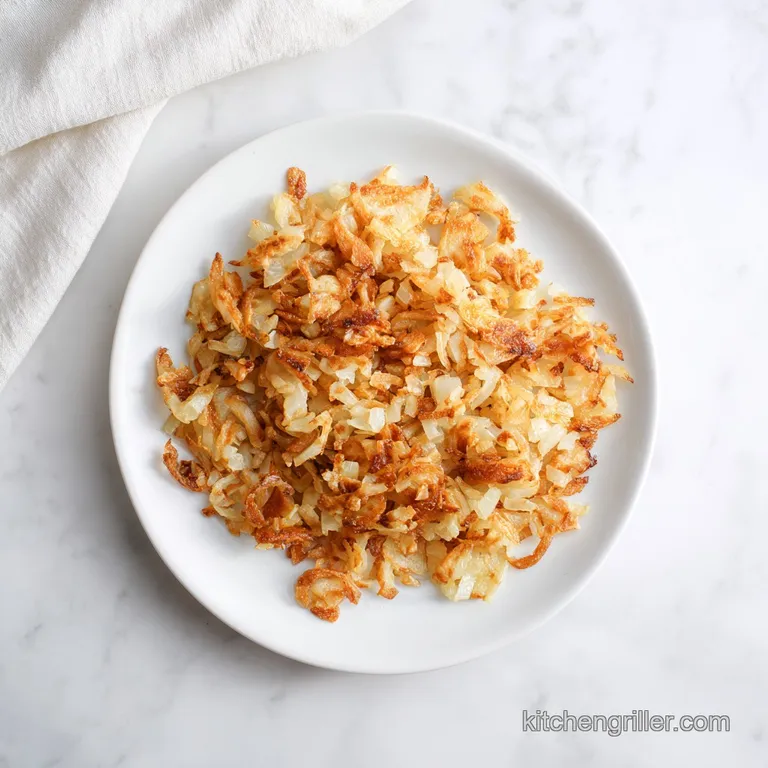
- Time: Active 20 minutes, Passive 15 minutes, Total 35 minutes
- Flavor/Texture Hook: Shatter crisp exterior with a velvety, onion infused center.
- Perfect for: Bold weekend breakfasts or a heavy hitting steakhouse side.
Master Crispy Hash Browns with Onions
Forget everything you’ve heard about just tossing potatoes on a hot surface and hoping for the best. Most home cooks fail because they think moisture is their friend or that any old potato will do. That is a total myth.
If you don't treat the potato like a science project before it hits the heat, you’re just making a soggy pile of disappointment. We are here for the crunch, the sizzle, and that bold, aggressive char that only a flat top can provide.
I remember the first time I tried making these without soaking the shreds. It was a disaster a gummy, grey mess that stuck to everything. The secret isn't just the heat; it's the preparation. You need to be aggressive with your technique.
We aren't just cooking; we are engineering a texture that shatters when your fork hits it. The aroma of those yellow onions hitting the avocado oil is enough to wake up the whole neighborhood, and honestly, that’s exactly what we want.
Here's how to make perfect Crispy Hash Browns on a Blackstone Griddle with Onions. We’re going to use high smoke point oil, a heavy press, and a massive amount of heat to fuse these ingredients into a golden brown disc of glory. If you're looking for something subtle or bland, you're in the wrong kitchen.
We’re going for maximum impact and a flavor profile that stands up to the heaviest breakfast meats.
Reasons This Smash Hits
This recipe isn't about gentle cooking; it’s about a chemical transformation that happens when starch meets high intensity heat. We are looking for that deep, mahogany color that signifies a complex development of flavor.
- Starch Extraction: Soaking the shreds in cold water removes the surface sugars that cause burning before the potato actually cooks through.
- Moisture Elimination: Wringing the potatoes in a towel ensures they fry rather than steam, leading to a much louder crunch.
- Surface Contact: Using a heavy grill press forces every single strand of potato into the hot oil, maximizing the Maillard reaction across the entire surface.
- Fat Fusion: The combination of avocado oil for over high heat stability and butter for nutty richness creates a multi layered flavor profile.
| Thickness | Internal Temp | Rest Time | Visual Cue |
|---|---|---|---|
| 1/2 inch | 210°F | 2 minutes | Edges turn deep mahogany |
| 1 inch | 205°F | 3 minutes | Center is tender, not gummy |
| 1/4 inch | 212°F | 1 minute | Entire surface is shatter crisp |
The thickness of your potato pile dictates the final texture. I prefer a half inch stack because it gives you that brilliant contrast between a shell that shatters and a center that remains velvety and soft.
If you go too thin, you lose the onion's moisture; go too thick, and the middle stays raw while the outside burns. This balance is what makes the dish a staple for anyone obsessed with the griddle.
Essential Griddle Timing Data
When you're working with a Blackstone, you have to respect the thermodynamics of the steel plate. This isn't a non stick pan where you can just walk away. You need to listen to the sizzle. The second those potatoes hit the avocado oil, you should hear a loud, violent hiss.
That is the sound of moisture leaving the building, and it’s your first cue that you’re doing it right.
| Component | Science Role | Pro Secret |
|---|---|---|
| Russet Potatoes | High starch content | Russets have the lowest moisture, making them the king of crunch. |
| Avocado Oil | High smoke point | Allows for 375°F searing without the oil breaking down or tasting burnt. |
| Yellow Onion | Sugars and aromatics | Dicing them fine allows them to caramelize at the same rate as the potatoes. |
| Unsalted Butter | Flavor and browning | Adding this mid cook provides milk solids that toast into a nutty finish. |
Using the right fat is non negotiable. I’ve seen people try this with low quality vegetable oil or, heaven forbid, just butter from the start. Butter has a low smoke point and will burn long before your potatoes are done.
By starting with avocado oil and finishing with butter, we get the best of both worlds: the heat tolerance of a warrior and the flavor of a French chef.
The Bold Flavor Arsenal
To get these results, you need specific ingredients. We aren't cutting corners here. The Russet potato is the only choice because its starch structure is designed for frying. If you try to use a waxy red potato, you'll end up with a pile of mush that refuses to crisp up.
- 2 lbs Russet Potatoes: Peel them and shred them immediately into water. Why this? Russets provide the high starch density needed for a structural, crispy exterior.
- 3 tbsp Avocado Oil: Use this for the initial sear. Why this? It handles the 375°F heat without smoking you out of the kitchen.
- 2 tbsp Unsalted Butter: Place this on top of the pile to melt through. Why this? It adds a velvety mouthfeel and nutty aroma that oil lacks.
- 1 Large Yellow Onion: Finely diced. Why this? Onions provide the sweetness that balances the salty, earthy potatoes.
- 1 tsp Fine Sea Salt: Essential for drawing out remaining moisture.
- 0.5 tsp Freshly Cracked Black Pepper: For a bold, biting heat.
- 0.5 tsp Garlic Powder: Adds a foundational umami layer.
If you are looking to change things up, you can swap the yellow onion for a red onion for a sharper bite, or use ghee instead of butter for an even higher smoke point. However, the classic combination of Russet and yellow onion is hard to beat when you want that nostalgic diner flavor. For a different take on griddle fried carbs, you might even consider how these techniques apply to crispy Blackstone loaded potatoes.
Tools for Griddle Success
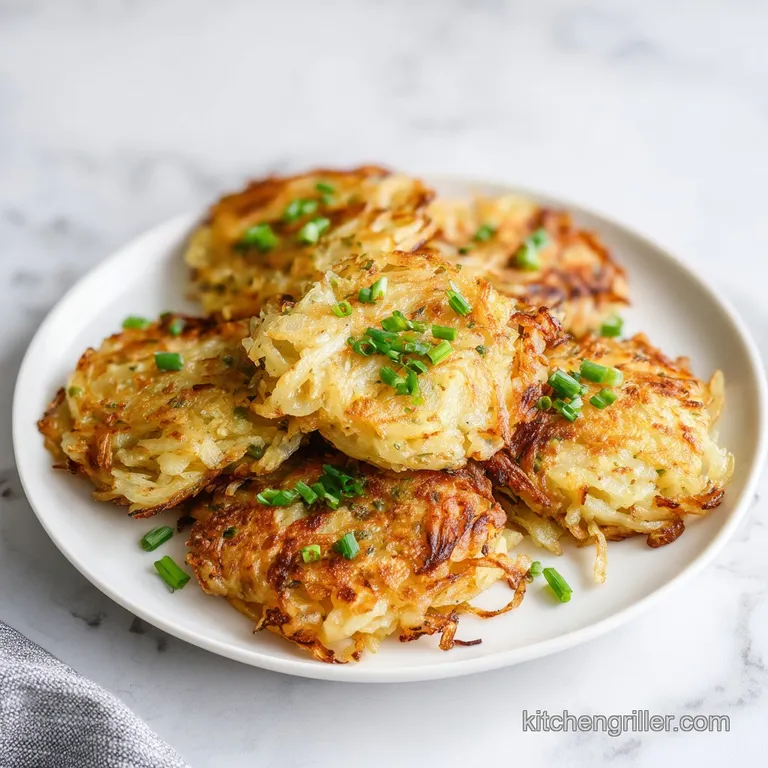
You cannot achieve this level of crunch with a spatula alone. You need the right gear to force the heat into the food. A heavy grill press is your best friend here. It’s not just about flattening the food; it’s about increasing the pressure, which accelerates the heat transfer from the griddle plate into the potato shreds.
You’ll also need a high-quality box grater or a food processor with a shredding disc. I prefer the box grater because it gives you longer, more irregular shreds that create more surface area for the oil to grab onto.
And don't forget a clean kitchen towel not a flimsy paper towel, but a sturdy linen one that you can twist and wring until your knuckles turn white. Removing that water is the single most important step in the entire process.
Steps for Maximum Sizzle
- Wash and peel the Russet potatoes. Shred them directly into a massive bowl of ice cold water. Note: This prevents oxidation and starts the starch removal process immediately.
- Agitate the shreds vigorously. Drain the cloudy water and repeat 2-3 times until the water is crystal clear.
- Dump the potatoes into a clean kitchen towel. Wring the towel with everything you've got until no more drops of water escape.
- Preheat your Blackstone griddle to 375°F. You should feel the heat radiating from the plate when your hand is 6 inches above it.
- Pour the avocado oil over the surface. Spread the dry potatoes in an even layer, then top with the diced onions.
- Shake the salt, pepper, and garlic powder over the top. The smell of the garlic hitting the heat is your second aroma cue.
- Place the cold butter directly on the center of the potato pile. It will melt and seep into the lower layers.
- Press the pile down hard with a grill press. Cook undisturbed for 8-10 minutes until the bottom is a dark, glowing gold.
- Flip the hash browns in sections. If they break, don't worry just smash them back together with the press.
- Cook for another 5 minutes until the second side is equally shattered and crispy.
The smell of the onions caramelizing against the hot steel is a game changer. You'll notice the aroma shift from a sharp, pungent scent to something sweet and almost like toasted sugar. That’s when you know the onions have fused with the potatoes. If you love this style of over high heat cooking, you should definitely try making Blackstone fried rice next, as it uses the same principles of surface contact and moisture control.
Fixes for Soggy Spuds
The most common disaster is the "potato pancake" effect where the middle is a gummy, grey paste. This usually happens because the griddle wasn't hot enough or you didn't get enough water out. If your hash browns are sticking, it's a sign that the starch hasn't fully set into a crust yet leave them alone!
Why Your Potatoes Turn Grey
If you shred the potatoes and let them sit on the counter, they react with oxygen and turn a nasty shade of grey or pink. This doesn't affect the flavor much, but it looks terrible. The fix is simple: shred them directly into water.
The water acts as a barrier against the air, keeping your spuds bright and beautiful until they hit the oil.
Why They Won't Get Crispy
If you have a pile of limp potatoes, you likely overcrowded the griddle. When you put too many cold potatoes on the plate at once, the temperature of the steel drops. Instead of frying, the potatoes begin to steam in their own residual juices.
Work in batches if you have to, or spread them out thinner to let the steam escape.
| Problem | Root Cause | Solution |
|---|---|---|
| Soggy center | Excessive moisture | Wring potatoes in a towel twice. |
| Burnt exterior | Heat is too high | Lower griddle to 350°F and increase time. |
| Sticking to plate | Not enough oil | Use 3 tbsp of oil and wait for the crust to form. |
Common Mistakes Checklist:
- ✓ Skipping the water soak (leads to gummy, sticky starch).
- ✓ Using a "low-fat" cooking spray instead of avocado oil.
- ✓ Flipping the potatoes too early before the crust has "set."
- ✓ Failing to use a press for maximum surface contact.
- ✓ Dicing onions too large, which prevents them from softening.
Creative Fusion Style Swaps
If you want to take this to a different level, you can start playing with the aromatics. While yellow onions are the gold standard, adding chopped scallions or even a bit of diced jalapeño can bring a bold heat that cuts through the fat of the butter.
You can also experiment with "Scattered and Covered" styles by adding a slice of sharp cheddar on top during the last 2 minutes of cooking.
For those looking for a vegan option, swapping the butter for a high-quality vegan buttery spread works surprisingly well, though you’ll lose some of that toasted milk solid flavor.
If you're doubling the recipe for a crowd, remember that you should only increase the salt and spices to about 1.5x the original amount; otherwise, the flavor becomes way too aggressive.
Storage and Waste Tips
These are best eaten immediately while they still have that signature shatter, but you can save them. Store leftovers in an airtight container in the fridge for up to 3 days. When you’re ready to eat them again, do NOT use the microwave. The microwave is where crispiness goes to die.
Instead, throw them back on a hot skillet or air fryer at 400°F for 4 minutes to bring back that crunch.
Zero waste tip: Don't throw away those potato peels! Toss them with a little oil and salt and bake them at 400°F until they turn into crispy potato skin chips. It’s a bold snack that makes sure nothing goes to waste.
If you find yourself with leftover diced onions, they are a perfect starter for a soup base or a quick sauté for a steak topping later in the week.
Serving Your Golden Creation
Presentation matters, even for something as rustic as hash browns. I love serving these on a heated cast iron platter to keep the bottom from getting soggy on a cold plate. A final sprinkle of flaky sea salt and a heavy hand of freshly cracked black pepper right before serving adds a tactile crunch that elevates the whole experience.
Try serving these alongside some thick cut bacon or a spicy chorizo hash. The bold, smoky flavors of the meat play perfectly with the sweet, caramelized onions buried inside the potato crust. If you really want to impress, top the whole pile with a couple of over easy eggs.
The velvety yolk acts as a rich sauce that soaks into the crispy crevices of the hash browns, creating a fusion of textures that is absolutely unbeatable. Regardless of how you serve it, the key is the heat eat it while it’s screaming hot and still crackling from the griddle.
Recipe FAQs
How to get crispy hash browns on a Blackstone?
Wring the shredded potatoes in a clean kitchen towel until completely dry before hitting the griddle. Moisture is the enemy of crispiness, so ensuring your shreds are bone dry is the most critical step for that golden crust.
What is the secret to crispy hash browns?
Removing excess starch is the true secret. By washing the shreds in cold water until the liquid runs crystal clear, you prevent them from becoming gummy and ensure they shatter when bitten.
What do onions do for a Blackstone griddle?
Onions provide a savory, caramelized depth that balances the earthy flavor of the Russet potatoes. As they cook alongside the shreds, their natural sugars brown, enhancing the overall flavor profile of the dish.
What temperature do you cook hash browns at on a Blackstone?
Preheat your griddle to 375°F for the entire duration of the cooking process. This specific heat level allows the potatoes to form a deep golden exterior while remaining soft inside.
How to handle the potatoes so they do not brown before cooking?
Shred your potatoes directly into a bowl filled with cold water to prevent oxidation. If you enjoyed mastering this oxidation prevention technique, see how we apply similar preservation logic to our roasted garlic soup.
How to achieve a uniform golden brown crust?
Use a heavy grill press to apply firm, even pressure to the potatoes once they are spread across the griddle. Maintaining contact between the shreds and the hot surface is essential for consistent browning across the entire batch.
How to properly reheat leftover hash browns?
Avoid the microwave entirely, as it will destroy the texture. Instead, reheat your leftovers in a hot skillet or air fryer at 400°F for 4 minutes to restore the original crunch.
Crispy Blackstone Hash Browns
Ingredients:
Instructions:
Nutrition Facts:
| Calories | 338 kcal |
|---|---|
| Protein | 4.8 g |
| Fat | 16.8 g |
| Carbs | 44.2 g |
| Fiber | 3.2 g |
| Sugar | 2.6 g |
| Sodium | 595 mg |
