Blackstone Loaded Potatoes: Ultra Crispy
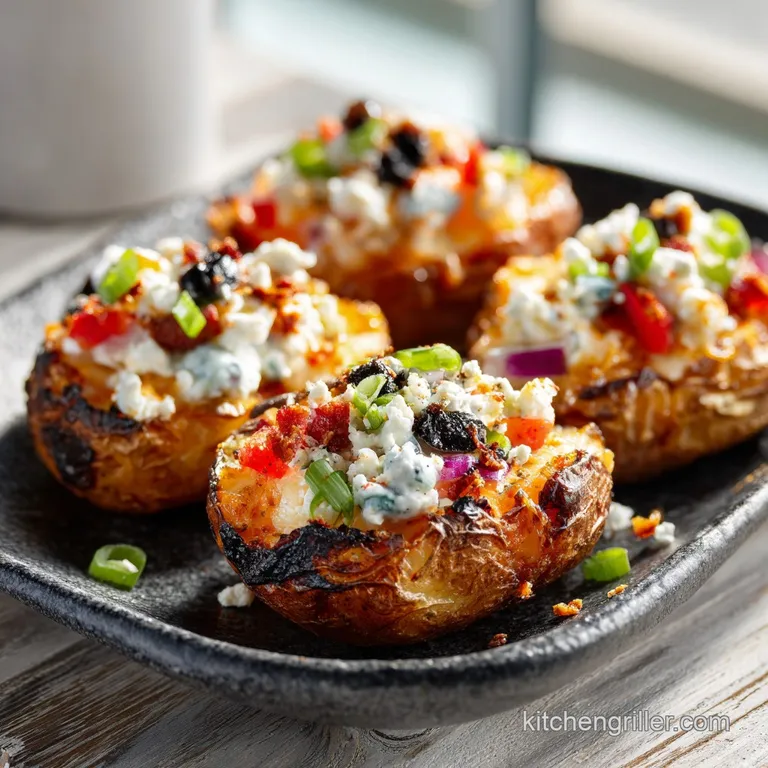
- Time: Active 10 minutes, Passive 15 minutes, Total 25 minutes
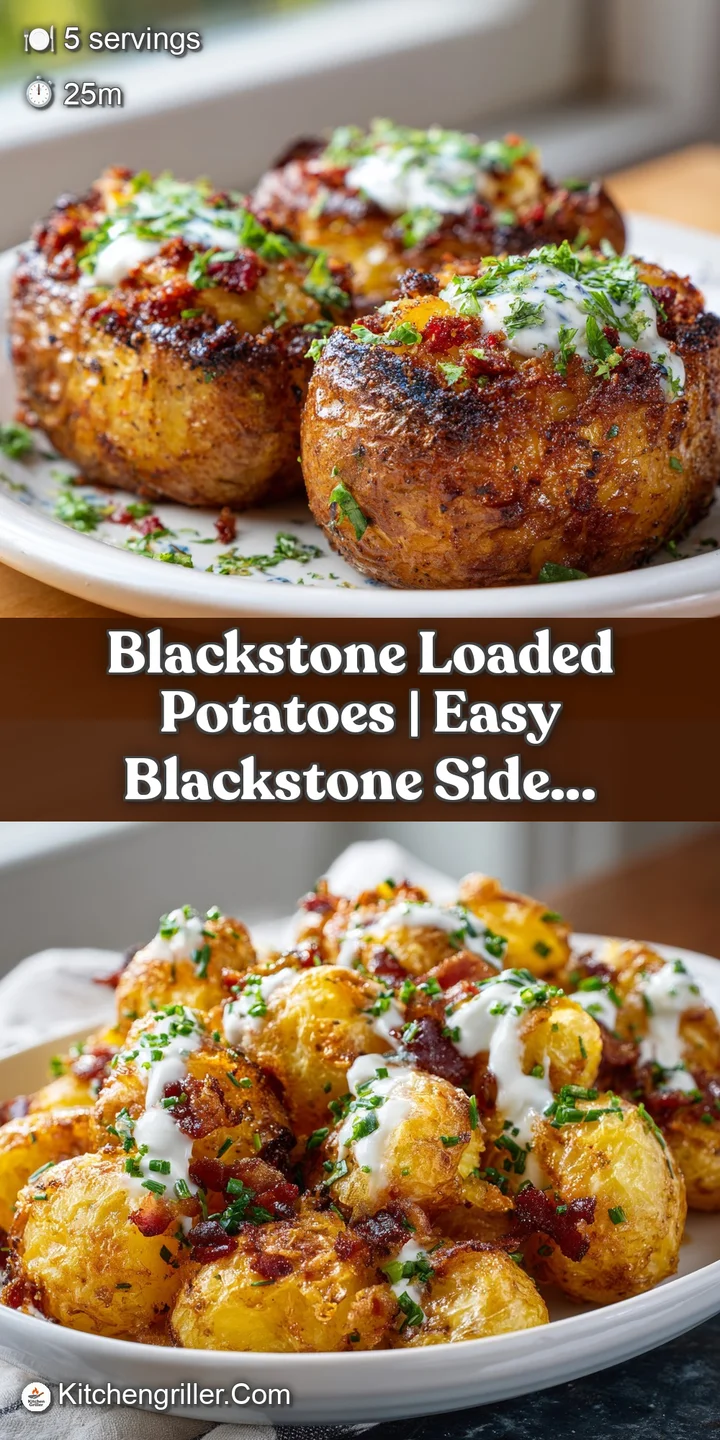
- Flavor/Texture Hook: Shatter crispy crust with a velvety center and smoky, melted cheese.
- Perfect for: Busy weeknight dinners, backyard cookouts, and feeding a hungry crowd.
- Blackstone Loaded Potatoes: Crispy Griddle Recipe
- Crucial Science Behind the Texture
- Essential Ingredient and Substitution Guide
- Necessary Tools for Griddle Cooking
- Step-by-Step Griddle Cooking Process
- Solving Common Griddle Cooking Problems
- Customizing Your Loaded Potato Flavors
- Smart Storage and Waste Prevention
- Perfect Pairings for Main Courses
- Recipe FAQs
- 📝 Recipe Card
Blackstone Loaded Potatoes: Crispy Griddle Recipe
Forget everything you’ve heard about needing a deep fryer or an hour long oven roast to get that legendary "loaded potato" crunch. Most people think griddling raw potatoes is the way to go, but honestly, that’s a fast track to charred outsides and rock hard centers.
I used to struggle with that until I realized the microwave is actually my best friend for this weeknight win. It’s not about cheating; it’s about efficiency and getting that perfect "shatter" when you bite into a spud.
We’ve all been there: standing over a hot griddle, flipping raw potato cubes for forty minutes while the rest of the meal gets cold. It’s frustrating and totally unnecessary.
By using a quick par cook method, we jumpstart the softening process so the Blackstone can do what it does best creating a massive, golden brown crust. You get all the flavor of a classic loaded baked potato but in a fraction of the time, and with way more crispy surface area.
This recipe is designed for the busy cook who wants a "wow" side dish without the complex laboratory prep. We’re using heavy hitting flavors like sharp cheddar and thick cut bacon, all brought together by the high heat of the gas grill.
Trust me on this: once you try the microwave to griddle pipeline, you’ll never go back to the old way of doing things. It’s fast, it’s reliable, and it works every single time.
Crucial Science Behind the Texture
The secret to why this recipe succeeds where others fail lies in how we manipulate the starches before they ever touch the heat. When you microwave the potatoes first, you trigger starch gelatinization, which means the internal cells absorb moisture and soften.
This ensures that when the potatoes hit the 400°F griddle, they are already cooked through, allowing the surface to focus entirely on browning.
Another key factor is Surface Area Optimization. By cubing the potatoes into 1 inch pieces, we increase the amount of potato skin in contact with the hot steel. This maximizes the Maillard reaction that beautiful browning process across multiple sides of every single cube.
Finally, using a Dual Fat Strategy with avocado oil and butter is vital. The oil provides a high smoke point for the initial sear, while the butter adds a velvety finish and helps the spices stick to the potatoes.
| Method | Cook Time | Texture | Best For |
|---|---|---|---|
| Microwave + Griddle | 25 minutes | Shatter crispy crust | Busy weeknights |
| Raw Griddle Cooking | 45 minutes | Often uneven/burnt | When time isn't a factor |
| Oven Roasting | 50 minutes | Softer, thicker skin | Indoor cooking only |
Using the right cooking method changes the entire experience of the dish. While oven roasting is fine for a Sunday dinner, it can't match the intense, direct heat of a Blackstone for producing that specific fried potato texture we all crave.
By choosing the hybrid method, you're prioritizing speed and crunch, which is the hallmark of a great griddle cook.
Essential Ingredient and Substitution Guide
| Component | Science Role | Pro Secret |
|---|---|---|
| Russet Potatoes | High starch content | Best for fluffy interiors and crisp exteriors |
| Avocado Oil | High smoke point | Prevents smoking and bitter flavors at 400°F |
| Sharp Cheddar | Emulsified fat | Freshly shredded melts smoother than pre bagged |
| Smoked Paprika | Phenolic compounds | Adds a "cooked over wood" flavor instantly |
The ingredients for Blackstone Loaded Potatoes are simple, but their quality matters. Stick to Russets because their high starch and low moisture levels make them the king of the griddle. Waxy potatoes like Red or Yukon Gold are okay, but they won't get that same dry, crispy shell that makes this dish famous.
- 2 lbs Russet potatoes: Cubed into 1 inch pieces. Why this? High starch ensures a fluffy inside and a crispy, shattered exterior shell.
- 2 tbsp Avocado oil: Or any over high heat oil. Why this? It won't burn at the high temperatures required for a proper sear.
- 1 tbsp Unsalted butter: Added at the end. Why this? Provides a velvety mouthfeel and helps the garlic powder and salt adhere.
- 1 tsp Sea salt: For essential seasoning. Why this? Draws out surface moisture to help the potatoes crisp up even more.
- 0.5 tsp Cracked black pepper: For a bit of bite.
- 1 tsp Garlic powder: Savory depth.
- 0.5 tsp Smoked paprika: Adds a subtle flame kissed aroma.
- 1 cup Sharp cheddar cheese: Freshly shredded. Why this? Melts much better than pre shredded cheese which is coated in starch.
- 6 slices Thick cut bacon: Cooked and crumbled.
- 0.5 cup Sour cream: For the classic cooling finish.
- 3 tbsp Fresh chives: Thinly sliced for a bright, oniony pop.
If you find yourself missing an ingredient, don't sweat it. You can swap the avocado oil for grapeseed oil or even lard if you want an extra rich flavor. If you're out of chives, finely chopped green onions work just as well. The key is maintaining the fat to potato ratio so you don't end up with dry spuds. For a different protein profile, this recipe also works brilliantly as a side for a garlic butter shrimp feast.
Necessary Tools for Griddle Cooking
You don't need a kitchen full of gadgets, but a few specific tools make this process much smoother. A large microwave safe bowl is non negotiable for the par cook step. I prefer glass or ceramic because they distribute heat evenly and don't warp.
You'll also need plenty of paper towels; the biggest enemy of a crispy potato is surface moisture, so drying them after the microwave is a must.
On the griddle itself, a pair of long handled metal spatulas is your best friend. They allow you to toss the potatoes quickly without losing heat. A basting cover (or a large metal bowl) is the final piece of the puzzle.
It traps the steam from the melting butter and cheese, ensuring everything gets gooey and warm without overcooking the bottom of the potatoes.
Chef Tip: Keep a small squeeze bottle of water near your griddle. If the potatoes start to look too dry or are browning too fast, a tiny squirt of water under the basting cover creates an instant steam cloud that softens the edges without ruining the crunch.
step-by-step Griddle Cooking Process
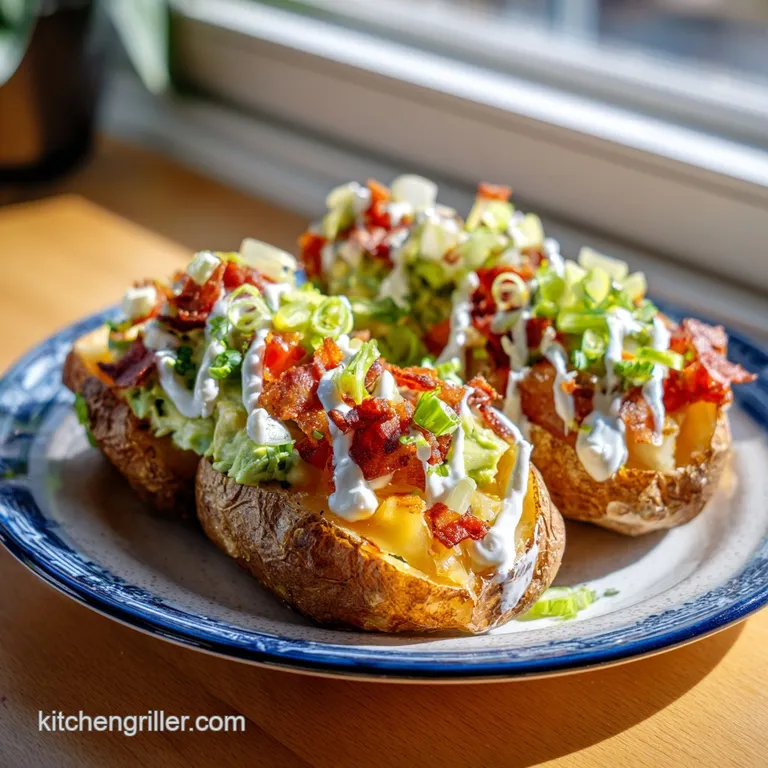
- Par cook the spuds. Place your 1 inch cubed potatoes in a microwave safe bowl with a small splash of water. Cover it tightly and microwave for 5 to 7 minutes until they are fork tender but not falling apart.
- Dry them thoroughly. Drain any excess water and spread the potatoes on a tray lined with paper towels. Pat them bone dry. Note: Any lingering moisture will cause the potatoes to steam rather than sear on the griddle.
- Heat the griddle. Preheat your Blackstone to medium high heat, aiming for approximately 400°F. You want to see a slight shimmer in the air above the surface.
- Oil the surface. Spread the 2 tablespoons of avocado oil across the cooking zone using your spatula to ensure an even coating.
- Initial sear. Arrange the potatoes in a single layer. Let them sear undisturbed for 4 to 5 minutes until a deep golden crust forms on the bottom.
- The big flip. Use your spatulas to flip and toss the potatoes. Continue cooking for another 3 to 4 minutes until all sides are crispy and brown.
- Season and butter. Group the potatoes into a tight pile. Add the tablespoon of butter, sea salt, pepper, garlic powder, and smoked paprika. Toss quickly to coat every piece.
- Load them up. Sprinkle the freshly shredded cheddar and crumbled bacon over the top of the potato pile.
- The melt phase. Place a basting cover over the pile for 1 minute until the cheese is bubbling and molten.
- Garnish and serve. Remove the potatoes from the griddle. Top with dollops of sour cream and a sprinkle of fresh chives before serving immediately.
Solving Common Griddle Cooking Problems
Why Your Potatoes Stick
If your potatoes are sticking to the Blackstone, it's usually a sign that either the griddle wasn't hot enough or you didn't use enough oil. Potatoes are high in starch, which acts like glue when it hits a lukewarm surface. Make sure you wait for that 400°F mark before dropping the spuds.
If they do stick, don't panic just add a little more oil around the edges and wait another minute; often they will "release" themselves once the crust has fully formed.
Preventing Burnt Garlic Powder
Garlic powder burns at a much lower temperature than potatoes. If you add it too early, you'll end up with bitter, black specks. That’s why we wait until the very end, once the potatoes are piled up and the heat is slightly shielded.
Adding the butter at the same time creates a barrier that helps distribute the spice without letting it scorch on the direct heat of the griddle plate.
| Problem | Root Cause | Solution |
|---|---|---|
| Soggy potatoes | Too much moisture | Pat the potatoes bone dry after microwaving |
| Burnt spices | Added too early | Only add seasonings in the final 2 minutes |
| Uneven melting | No basting cover | Use a lid or bowl to trap heat over the cheese |
Common Mistakes Checklist
- ✓ Never skip the par cook; raw potatoes take too long and will burn before they soften.
- ✓ Always use a high smoke point oil like avocado or grapeseed; olive oil will smoke and taste bitter.
- ✓ Don't overcrowd the griddle; if the potatoes are touching too much, they will steam instead of fry.
- ✓ Use freshly shredded cheese; the cellulose in pre shredded bags prevents that "velvety" melt we want.
- ✓ Let the griddle reach full temperature (400°F) before adding the oil and potatoes.
Customizing Your Loaded Potato Flavors
When you're looking to scale this recipe down for a solo lunch, you can easily halve the ingredients and use a smaller section of your griddle. For a half batch, reduce the cooking time by about 20% since the smaller mass of potatoes will heat through faster.
If you're scaling up for a big party (doubling or tripling), the most important thing is to work in batches or use the full surface area of a 36 inch griddle. When doubling the spices, only go to 1.5x the amount of salt to prevent it from becoming a salt bomb.
If you want to move away from the classic "loaded" profile, there are endless ways to tweak this. For a spicy kick, swap the smoked paprika for chipotle powder and add some sliced jalapeños under the basting cover. If you're looking for a more "surf and turf" feel, these potatoes are a legendary partner for a steak and potato dinner where the juices from the meat can mingle with the crispy spuds.
- Tex Mex Style: Use pepper jack cheese, add black beans, and top with salsa and avocado.
- Buffalo Style: Toss the finished potatoes in buffalo sauce and top with blue cheese crumbles.
- Breakfast Style: Crack a few eggs directly onto the potatoes in the final two minutes of cooking.
Smart Storage and Waste Prevention
Store any leftovers in an airtight container in the fridge for up to 4 days. To reheat, avoid the microwave as it will make the potatoes rubbery. Instead, throw them back on a hot skillet or air fryer at 375°F for 5 minutes to bring back that signature crunch.
You can freeze these for up to 2 months, but be aware that the texture of the sour cream and chives won't hold up it's best to freeze the cheesy potato and bacon base only.
Don't throw away those potato scraps if you end up peeling them! You can toss the peels in a little oil and salt and crisp them up on the griddle for a "chef's snack" while you cook the main meal.
Leftover loaded potatoes also make an incredible base for a breakfast hash the next morning; just chop them up a bit smaller and fry them with some onions and peppers.
Perfect Pairings for Main Courses
These potatoes are the ultimate supporting actor for almost any protein. Because they are so rich and savory, they pair beautifully with leaner meats like grilled chicken or a nice piece of white fish. The smoky notes from the bacon and paprika also make them a natural fit for BBQ ribs or a thick cut pork chop.
If you're hosting a casual get together, consider serving these alongside some Blackstone seared sliders. The contrast between the soft bun and the shatter crispy potatoes is fantastic.
For a more balanced plate, I always like to serve something bright and acidic on the side, like a vinegar based coleslaw or a simple cucumber salad, to cut through the richness of the cheese and sour cream.
- Steak: A ribeye or New York strip is the classic partner.
- Chicken: Try lemon herb marinated breasts to balance the heavy potato flavor.
- Burgers: These are much more satisfying than standard french fries.
- Salad: A large Caesar salad provides a fresh contrast to the hot, cheesy spuds.
Recipe FAQs
Should I boil potatoes before putting them on the Blackstone?
No, use a microwave instead. Placing cubed potatoes in a bowl with a splash of water and microwaving for 5 7 minutes ensures they are fork tender without becoming waterlogged, which is essential for a crispy sear.
What are the best potatoes for Blackstone?
Russet potatoes are the gold standard. Their high starch content is vital for achieving the perfect crispy exterior, which is a technique that also translates well to our mahogany crispy texture method used in other griddle dishes.
What potato is best for loaded potatoes?
Russet potatoes hold up best. Because you are adding heavy toppings like bacon, cheddar, and sour cream, you need a hearty potato that maintains its shape and texture during the final assembly.
How long does it take to cook potatoes on a Blackstone griddle?
Expect a total of 25 minutes. This includes 5 7 minutes of microwave par-cooking and roughly 10 15 minutes of active griddle time to achieve that deep golden crust.
Is it true I can skip the par-cooking step?
No, this is a common misconception. If you skip the microwave step, the potato centers will remain hard and raw by the time the outside burns, ruining the dish.
How to get the perfect cheese melt on the griddle?
Use a basting cover for 1 minute. After adding the shredded cheddar and bacon, trapping the heat with a cover creates a concentrated environment that melts the cheese into a velvety consistency.
How to ensure the potatoes don't steam instead of fry?
Arrange the potatoes in a single layer. Giving them enough space on the 400°F surface and ensuring they are patted bone dry after par-cooking prevents moisture buildup, allowing the starch to crisp immediately.
Crispy Blackstone Loaded Potatoes
Ingredients:
Instructions:
Nutrition Facts:
| Calories | 411 kcal |
|---|---|
| Protein | 13.3 g |
| Fat | 24.7 g |
| Carbs | 35.8 g |
| Fiber | 3.2 g |
| Sugar | 2.1 g |
| Sodium | 729 mg |
