Smoked Chicken Wings with Crispy Skin and Baking Powder
- Time: Active 15 minutes, Passive 1 hour 15 mins, Total 1 hour 30 mins
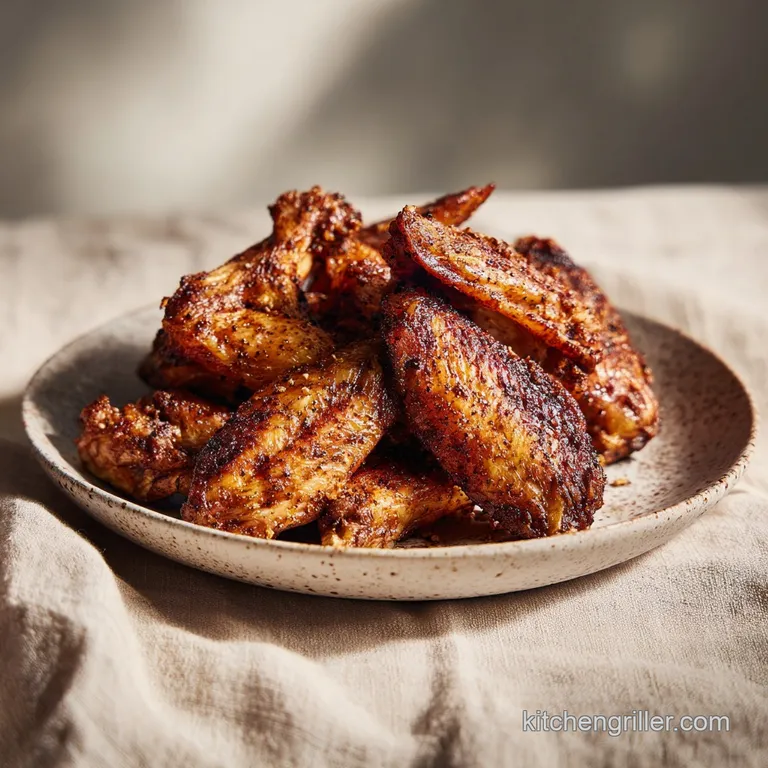
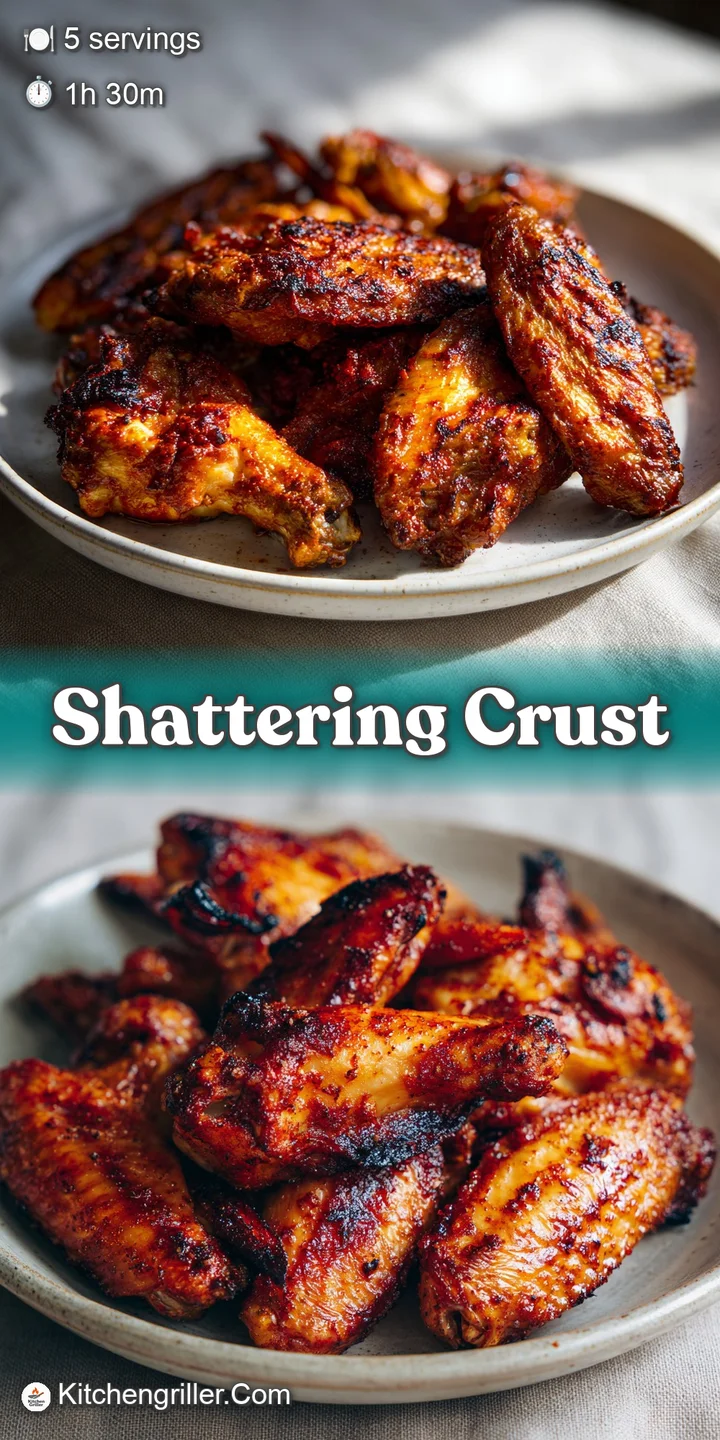
- Flavor/Texture Hook: A shattering, glass like exterior with a tender, hickory infused interior.
- Perfect for: Backyard pitmasters looking to solve the "rubbery skin" dilemma during game day gatherings.
- Smoked Chicken Wings with Crispy Skin and Baking Powder
- Thermal Dynamics and Moisture Removal Science
- Component Analysis and Ingredient Roles
- Core Ingredients for Shattering Skin
- Essential Gear for Advanced Smoking Techniques
- Methodical Breakdown of the Cooking Process
- Resolving Texture and Flavor Inconsistencies
- Precision Measurements for Consistent Results
- Alternative Seasoning Profiles and Palate Variations
- Debunking Traditional Smoked Wing Concepts
- Preservation and Reheating for Maximum Quality
- Strategic Pairings for the Ultimate Meal
- Very High in Sodium
- Recipe FAQs
- 📝 Recipe Card
Smoked Chicken Wings with Crispy Skin and Baking Powder
Ever since I turned my backyard into a makeshift culinary laboratory, I’ve been obsessed with the physics of the perfect wing. There’s a specific sound I look for - that distinct "clink" when a finished wing hits the platter, followed by a literal shatter when you take the first bite.
For years, I struggled with the rubbery, chewy skin that often plagues smoked poultry, a common heartbreak for anyone trying to master the pit.
Get ready to make incredibly flavorful smoked chicken wings with crispy skin, thanks to a secret ingredient: baking powder. It’s not just an additive; it’s a chemical catalyst that changes the entire structure of the chicken’s surface.
When you pull these off the grates, the aroma of hickory and toasted spices hits you first, but the texture is what will keep your friends talking until the next cookout.
Trust me, I've made the mistake of using too much wood or rushing the temperature jump, and I've learned that patience in the early stages is what sets an authentic wing apart from a soggy mess.
This isn't just a recipe; it's a methodical process designed to give you a result that feels like it came out of a high end smokehouse. Let’s get the pellets loaded and the lab coat on - it’s time to cook.
Thermal Dynamics and Moisture Removal Science
The secret to this method lies in the chemical interaction between the chicken skin and the baking powder. It’s all about surface area and pH levels.
- Alkaline Reaction: Baking powder raises the pH level of the skin, which breaks down peptide bonds and allows the skin to crisp and brown more efficiently.
- Moisture Evaporation: The powder draws out deep seated moisture, creating tiny bubbles on the surface that increase the surface area for the heat to hit.
- Fat Rendering: The low and slow initial phase (225°F) allows the subcutaneous fat to liquefy and drip away without tightening the proteins too quickly.
- Maillard Acceleration: By finishing at a high temperature, we trigger a rapid browning reaction that hardens those tiny surface bubbles into a brittle, crunchy shell.
| Thickness | Internal Temp | Rest Time | Visual Cue |
|---|---|---|---|
| Standard (Party Wing) | 165°F | 5 mins | Skin is taut and golden |
| Large (Jumbo Wing) | 175°F | 8 mins | Bubbles visible on surface |
| Extra Large | 185°F | 10 mins | Bone begins to pull away |
This precision table helps you identify the exact moment to pull the wings based on the specific batch you're working with. Remember, wings are forgiving; taking them slightly past 165°F often results in a better "pull" from the bone without drying out the dark meat.
Component Analysis and Ingredient Roles
In our laboratory, we don't just add ingredients for flavor; we add them for their functional properties. Each spice and powder plays a part in the final architecture of the wing.
| Ingredient | Science Role | Pro Secret |
|---|---|---|
| Baking Powder | pH Modifier | Use aluminum free to avoid a metallic, soapy aftertaste. |
| Kosher Salt | Protein Denaturant | Salt draws out moisture via osmosis, aiding the drying process. |
| Smoked Paprika | Color Catalyst | Provides a deep mahogany hue that mimics a long smoke. |
| Garlic Powder | Umami Base | Dehydrated garlic survives high heat better than fresh bits. |
It is crucial to ensure your baking powder is fresh. Old powder loses its ability to create those micro bubbles, which are essential for the "shatter" effect we are chasing.
Core Ingredients for Shattering Skin
To achieve these smoked chicken wings with crispy skin, you need a balanced dry rub. I prefer using kosher salt (such as Diamond Crystal) because the larger flakes distribute more evenly than fine table salt.
- 3 lbs Chicken Wings (party style, split into flats and drums) Why this? More surface area means more crunch per bite.
- 1.5 tbsp Aluminum free Baking Powder Why this? The critical ingredient for skin texture modification.
- 1 tbsp Kosher Salt Why this? Essential for moisture extraction and flavor enhancement.
- 1 tbsp Smoked Paprika Why this? Adds depth and a "pit authentic" reddish glow.
- 1 tsp Garlic Powder Why this? Provides a savory baseline without burning.
- 1 tsp Onion Powder Why this? Complements the garlic for a rounded aromatic profile.
- 1/2 tsp Coarse Black Pepper Why this? Adds a sharp, pungent bite to the finish.
- 1/4 tsp Cayenne Pepper Why this? A subtle heat that cuts through the rich fat.
| Original Ingredient | Substitute | Why It Works |
|---|---|---|
| Kosher Salt | Sea Salt | Similar mineral profile but use 25% less if it is fine grain. |
| Smoked Paprika | Chipotle Powder | Adds a more intense, earthy heat with a similar smoky vibe. |
| Garlic Powder | Granulated Garlic | Similar flavor, but granulated is less likely to clump in humidity. |
Using high-quality spices is a hallmark of a dedicated pitmaster. If your spices have been sitting in the cabinet for three years, they won't have the volatile oils needed to stand up to 75 minutes of smoke.
Essential Gear for Advanced Smoking Techniques
You don't need a high end laboratory to do this, but the right equipment makes the technical steps much easier. A reliable meat thermometer is the most important tool in your arsenal.
- Pellet Grill or Smoker: Provides the consistent heat and smoke flavor.
- Wire Cooling Rack: Essential for "air drying" the wings in the fridge.
- Baking Sheet: Used to catch drippings and hold the wire rack.
- Instant read Thermometer: For checking internal temperatures at the 1 hour mark.
- Large Mixing Bowl: To ensure every wing is evenly coated in the powder mixture.
Chef's Tip: If you're using a charcoal smoker, add a few chunks of cherry wood. The fruitwood provides a beautiful color that complements the smoked paprika, making the wings look as good as they taste.
Methodical Breakdown of the Cooking Process
This process requires a bit of foresight. If you have the time, let the wings sit uncovered in the fridge for a few hours after applying the rub. This "dry brine" is a trick I learned that drastically improves the final crunch.
- Dry the wings. Pat every single wing with paper towels until they are bone dry. Note: Moisture is the enemy of a crispy finish.
- Mix the rub. Combine the baking powder, salt, paprika, garlic, onion, pepper, and cayenne in a small bowl.
- Coat the poultry. Toss the wings in a large bowl with the rub until every nook and cranny is covered.
- Preheat the smoker. Set your pit to 225°F using hickory or oak pellets.
- Initial smoke. Place the wings on the grates and smoke for 45 minutes until the skin begins to tighten.
- Increase the heat. Crank the smoker temperature up to 400°F. Note: This transition is where the baking powder starts its magic.
- Final crisping. Cook for another 20 to 30 minutes until the skin is bubbling and dark golden brown.
- Check the temp. Ensure the internal temperature has reached at least 165°F.
- Rest the wings. Move them to a platter and let them sit for 5 minutes until the juices redistribute and the skin hardens.
- Final inspection. Tap the skin with a fingernail; it should sound hollow and firm.
This method is similar to the technique used in our Lemon Garlic Chicken recipe, where we focus on surface preparation to ensure the heat penetrates effectively while keeping the interior juicy.
Resolving Texture and Flavor Inconsistencies
Sometimes the environment or the equipment can throw a wrench in your plans. Don't panic; most wing issues are easily solvable with a few minor adjustments to your workflow.
Addressing Rubbery Texture Issues
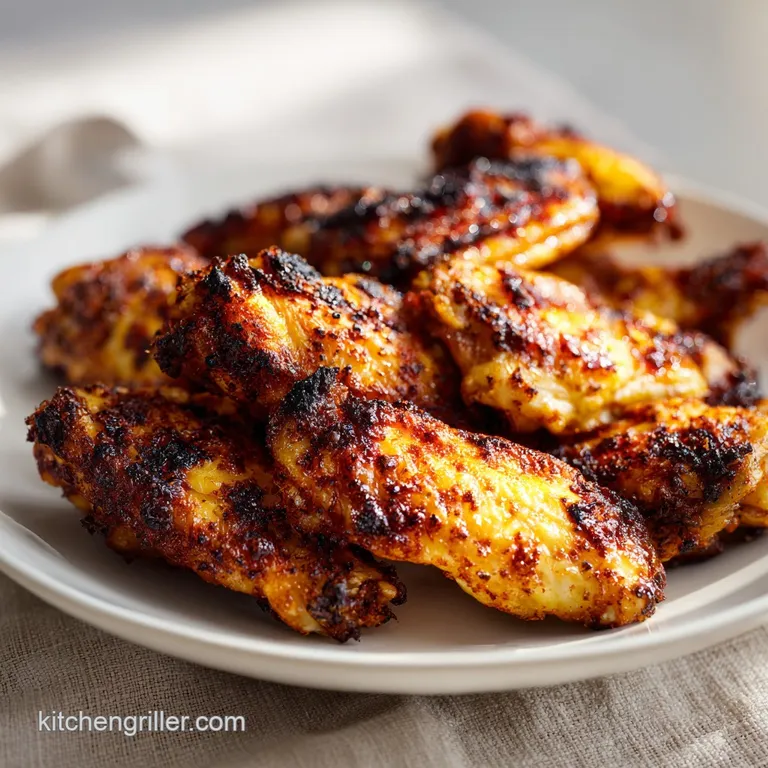
If your wings come off the smoker feeling chewy instead of crunchy, the most likely culprit is either lingering moisture or a temperature that stayed too low for too long. The jump to 400°F is non negotiable; without that over high heat blast, the fat won't render fast enough to crisp the skin.
Eliminating Metallic Aftertaste Problems
A soapy or metallic taste usually means you used baking powder containing sodium aluminum sulfate. Always check the label for "aluminum free." If you already made them and notice this, a high acid dipping sauce like a vinegar based Buffalo sauce can help mask the sensation.
| Problem | Root Cause | Solution |
|---|---|---|
| Skin is soft | Not enough heat | Increase final temp to 425°F for the last 10 mins. |
| Wings are too salty | Over seasoning | Reduce salt in the rub and finish with a sweet glaze. |
| Dry meat | Overcooked | Pull wings at 170°F internal; do not exceed 185°F. |
Common Mistakes Checklist:
- ✓ Skipping the paper towel dry (moisture causes steaming, not crisping).
- ✓ Using baking soda instead of baking powder (soda will taste terrible here).
- ✓ Overcrowding the smoker (airflow is needed to dry the skin).
- ✓ Forgetting to preheat the smoker (consistent heat is a requirement).
- ✓ Using "clumpy" old baking powder (it won't distribute evenly).
Precision Measurements for Consistent Results
When you're scaling this recipe up for a larger crowd, you have to be careful with the chemical ratios. Baking powder isn't just a spice; it's a reactant. If you double the meat, you don't always need to double the powder to get the same effect.
- Scaling Down (1.5 lbs): Use a smaller tray, but keep the cook times the same. Use half an egg white if you find the dry rub isn't sticking, though the natural moisture of the chicken usually suffices.
- Scaling Up (6-10 lbs): Work in batches if your smoker is small. Increase the salt and spices linearly, but only increase the baking powder to 1.25x for every double portion to avoid a powdery mouthfeel.
- Airflow Adjustments: If you're smoking 50 wings at once, you may need to add 10 minutes to the total time because the cold meat will drop the smoker's internal temperature significantly.
| Method | Time | Texture | Best For |
|---|---|---|---|
| Smoker | 1 hour 15 mins | Deeply smoky, very crispy | Authentic BBQ enthusiasts |
| Oven (Convection) | 45 minutes | Extremely crispy, clean flavor | Speed and convenience |
| Air Fryer | 20 minutes | Most "fried" texture | Small batches / Quick fix |
For a perfect side dish, these wings pair wonderfully with a Smoked Mac and recipe, which can often cook alongside the wings if you have the rack space.
Alternative Seasoning Profiles and Palate Variations
Once you've mastered the basic "shatter" technique, you can start experimenting with the flavor profile. The baking powder method works with almost any dry seasoning.
- Spicy Buffalo Style: After smoking, toss the crispy wings in a mixture of melted butter and Frank's RedHot. The skin is so tough it won't get soggy immediately.
- Garlic Parmesan: Omit the paprika and cayenne. After the 400°F phase, toss with fresh grated parmesan, parsley, and a touch of truffle oil.
- Sweet and Sticky: During the last 5 minutes of the over high heat phase, brush on a thin layer of honey or BBQ sauce. The sugar will caramelize quickly, so watch them closely to prevent burning.
Strategic Decision Shortcuts
- If you want a darker color, add an extra teaspoon of smoked paprika or a pinch of dark brown sugar (careful, sugar burns!).
- If you want maximum smoke flavor, extend the 225°F phase to 1 hour before cranking the heat.
- If you want less heat, replace the cayenne pepper with extra onion powder or mild chili powder.
Debunking Traditional Smoked Wing Concepts
There are several myths in the BBQ world that often lead beginners astray. Let's clear those up with some pitmaster logic.
- Myth: Searing first locks in juices. Searing actually causes the muscle fibers to contract and push moisture out. We do it at the end to crisp the skin while the inside stays tender.
- Myth: You need oil to get crispy skin. Adding oil to the skin can actually create a barrier that prevents the baking powder from interacting with the proteins. The chicken has plenty of natural fat to do the job.
- Myth: High heat all the way is better. If you cook wings at 400°F from the start, you lose the opportunity for the smoke to penetrate the meat. The two stage process is essential for that authentic "smoked" character.
Preservation and Reheating for Maximum Quality
Smoked wings are best fresh, but if you have leftovers, you can actually preserve that crunch if you're smart about it.
- Storage: Place wings in an airtight container in the fridge for up to 4 days. Avoid stacking them too high, or the bottom layer will become compressed and lose its texture.
- Freezing: You can freeze these for up to 3 months. To reheat, thaw them in the fridge overnight first.
- Reheating: Never use a microwave. Instead, put them back in an air fryer at 375°F for 5 minutes or a toaster oven until they sizzle. This will reactivate the fats and crisp the skin back up.
- Zero Waste Tip: Don't throw away the wing tips if you bought whole wings! Save them in a freezer bag to make a rich, smoky chicken stock for your next soup or risotto.
Strategic Pairings for the Ultimate Meal
Serving these wings is an art form. You want sides that provide a cooling contrast to the smoky, salty skin. Traditional celery and carrots are a must, but a high-quality blue cheese or ranch dressing is what really ties the room together.
When plating, I like to arrange them on a wooden board rather than a ceramic plate. Wood doesn't trap steam as much, which helps keep the bottom side of the wings from going soft while they wait to be eaten. If you’re hosting a larger party, consider serving these alongside a hearty Smoked Mac and recipe to provide a creamy counterpoint to the brittle crunch of the wings.
Ultimately, this recipe is about the intersection of chemistry and craft. By understanding how baking powder interacts with heat and moisture, you’ve moved beyond just "following a recipe" and into the realm of technical cooking. Enjoy the crunch - you've earned it!
Very High in Sodium
2057 mg of sodium per serving (89% of daily value)
American Heart Association recommends limiting sodium intake to about 2,300mg per day for overall cardiovascular health.
Tips to Reduce Sodium in Your Chicken Wings:
-
Reduce Salt-25%
Reduce the amount of Kosher salt by half (0.5 tbsp). You can always add more at the end if needed, but reducing it initially will significantly lower the sodium content.
-
Skip Salt Entirely-25%
Try making the recipe without ANY added salt. Rely on the other spices like smoked paprika, garlic powder, onion powder, black pepper, and cayenne pepper to provide flavor.
-
Spice It Up!-10%
Enhance the flavor with additional spices like chili powder, cumin, or dried oregano. This will help compensate for the reduced salt and add complexity to the wings.
-
Fresh Herbs
Consider adding fresh herbs like parsley or cilantro after cooking to brighten the flavor without adding any sodium. Fresh herbs provide a burst of flavor without increasing sodium intake.
Recipe FAQs
Does baking powder make smoked wings crispy?
Yes, baking powder is essential for achieving maximum crispness. It raises the skin’s pH level, which breaks down proteins, allowing moisture to evaporate faster and the skin to brown more efficiently during the high heat finishing phase.
How do you get crispy skin when smoking wings?
Apply a dry rub containing baking powder and then employ a two-stage thermal process. Start the wings low and slow (around 225°F) to render fat, then drastically increase the heat to 400°F or higher to rapidly dehydrate and shatter the skin surface.
How to get crispy chicken skin in a smoker?
Pat the wings completely dry, toss them thoroughly in the baking powder rub, and ensure adequate airflow around each piece on the grate. Moisture is the primary enemy, so the initial drying step before seasoning is critical for success.
Does baking powder help crispy chicken skin?
Yes, it actively assists in creating a shattering crust far superior to salt alone. The alkaline nature of the powder promotes the Maillard reaction and helps draw out the moisture needed for that glass like texture.
Should I use baking soda instead of baking powder for crisping wings?
No, absolutely avoid using baking soda as a direct substitute. Baking powder contains a mild acid that balances the reaction, whereas baking soda is too strong and will leave a noticeable, soapy, metallic aftertaste on your finished product.
What is the ideal internal temperature to pull smoked wings for the best texture?
Pull the wings when the internal temperature hits 165°F before the final high heat crisping phase. You can safely let them run up to 185°F during the final blast, as the dark meat is very forgiving, unlike lean cuts such as in our Classic Smash Burger recipe, which demand precision.
Is it true that I must let the rubbed wings rest uncovered in the fridge?
Yes, allowing the wings to rest uncovered in the refrigerator accelerates surface dehydration significantly. This step, often called dry brining, creates a tighter skin structure ready to crisp when introduced to the heat, similar to how we prepare dough for optimal texture in our Classic Potato Salad recipe side dish.
Crispy Smoked Wings With Baking Powder
Ingredients:
Instructions:
Nutrition Facts:
| Calories | 520 calories |
|---|---|
| Protein | 48 g |
| Fat | 35 g |
| Carbs | 2 g |
| Fiber | 0.5 g |
| Sugar | 0 g |
| Sodium | 2057 mg |
