Smoked Pork Butt for Pulled Pork in an Electric Smoker
- Time: Active 20 minutes, Passive 12 hours, Total 12 hours 20 mins
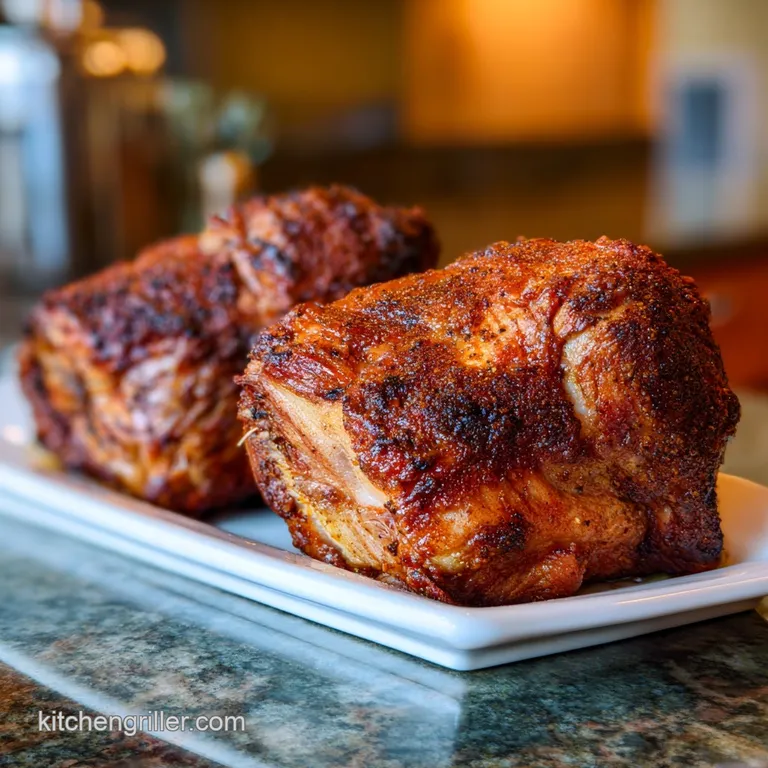
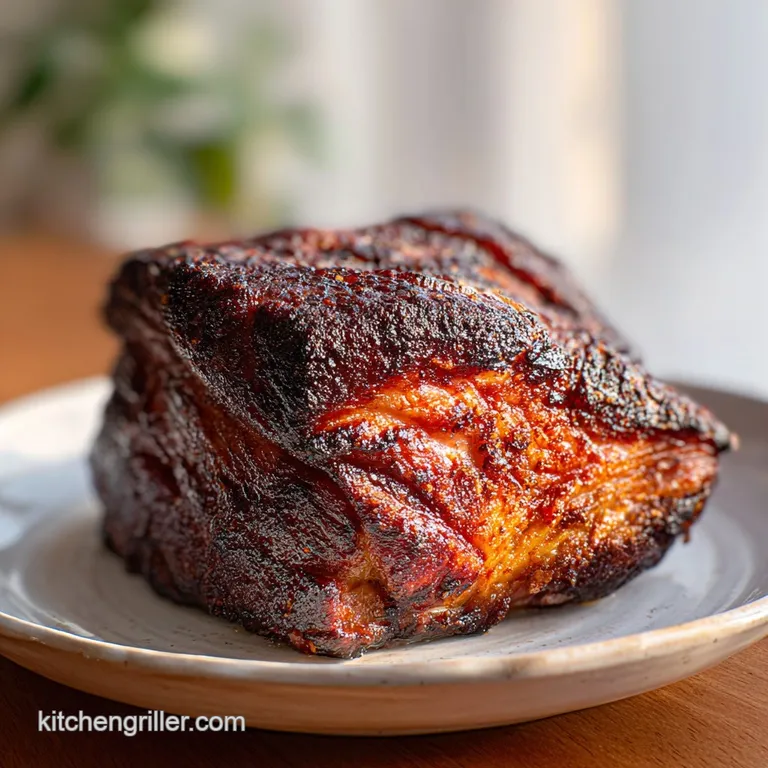
- Flavor/Texture Hook: Unctuous, pull apart strands with a mahogany, spice infused bark
- Perfect for: High volume backyard gatherings and stress free meal prep
- The Scientific Path to Smoked Pork Butt for Pulled Pork in an Electric Smoker
- Thermodynamic Principles That Ensure a Velvety Finish
- Precision Benchmarks for a Succulent Pulled Pork Result
- Chemical Components Required for an Authentic Barbecue Bark
- Essential Laboratory Tools for the Home Pitmaster
- Systematic Execution of the Low and Slow Method
- Identifying and Rectifying Thermal Degradation and Stalls
- Regional Adaptations and Molecular Ingredient Substitutions
- Preservation Strategies for Maintaining Cellular Moisture
- Complementary Textures to Balance Rich Smoked Pork
- Very High in Sodium
- Recipe FAQs
- 📝 Recipe Card
The Scientific Path to Smoked Pork Butt for Pulled Pork in an Electric Smoker
The first time I attempted this, I stood in my driveway at 5:00 AM, the air thick with the scent of damp hickory and wood smoke. I watched the digital readout on my Masterbuilt crawl upward, feeling the weight of an 8 lb Boston butt that felt more like a brick of granite than dinner.
There is a specific kind of magic that happens when you realize you do not have to fight a fire all day to get that shattering crust and velvety interior. Get ready to savor the best ever, fall apart Smoked Pork Butt for Pulled Pork, made easily in your electric smoker.
Patience is the primary ingredient here, even more so than the wood chips or the rub. As a home cook who obsesses over the "why," I have learned that an electric smoker is essentially a precision laboratory for meat.
It removes the variables of airflow and wood quality, allowing us to focus entirely on the internal temperature and the chemical transformation of the protein. You'll find that by the 12 hour mark, that stubborn piece of meat has transformed into something that practically melts under the slight pressure of a fork.
This recipe is built on the hard won lessons of long nights and stalled thermometers. We are not just "cooking" meat; we are orchestrating a series of chemical reactions, from the Maillard reaction on the surface to the hydrolysis of collagen within the muscle fibers.
It is a slow, methodical process that rewards the disciplined cook with a level of tenderness that is difficult to achieve in any other environment.
Thermodynamic Principles That Ensure a Velvety Finish
To achieve the desired results, we must understand the physics of the smoker. Unlike traditional offset pits, the electric smoker provides a moist, stable environment that is ideal for long term protein denaturation without excessive moisture loss.
- Collagen Hydrolysis: At sustained temperatures between 160°F and 180°F, tough collagen fibers physically transform into liquid gelatin, providing that signature "melt in-your mouth" texture.
- Evaporative Cooling Prevention: The "stall" occurs when moisture evaporates from the surface of the meat, cooling it as fast as the smoker heats it; wrapping in foil or paper halts this process by trapping humidity.
- Smoke Absorption Limits: Protein fibers stop absorbing smoke flavor once the surface temperature reaches approximately 140°F, meaning early smoke application is the most critical for deep flavor.
- Hygroscopic Surface Tension: Applying a binder like yellow mustard creates a tacky surface that allows the dry rub to adhere through the entire 12 hour cook without sliding off.
| Meat Thickness | Target Internal Temp | Rest Time | Visual/Tactile Cue |
|---|---|---|---|
| 4-5 inches | 201°F - 205°F | 1 hour | Bone slides out with zero resistance |
| 6+ inches | 203°F - 205°F | 1.5 hours | Meat "jiggles" like gelatin when poked |
| Under 4 inches | 195°F - 200°F | 45 mins | Exterior bark is dark and matte |
The resting period is perhaps the most overlooked stage of the entire process. During this hour, the muscle fibers relax and reabsorb the rendered fats and juices that were pushed to the center during the cook. Skipping this step results in dry, stringy meat regardless of how well it was smoked.
Precision Benchmarks for a Succulent Pulled Pork Result
Success in the barbecue world is measured in degrees and hours, not "vibes." By sticking to these specific technical markers, you eliminate the guesswork that often leads to a dry or underdone Smoked Pork Butt.
Converting Collagen to Gelatin
This is the holy grail of pulled pork. We are targeting the specific window where the connective tissue loses its structural integrity. If you pull the meat too early say, at 185°F it will be sliceable but impossible to shred.
You must wait until the internal temperature reaches at least 201°F to ensure the hydrolysis is complete.
Exploiting Electric Efficiency
Electric smokers excel at maintaining a low, consistent temperature, which is why we set our target to 275°F. This is slightly higher than the traditional 225°F, but it helps move the 8 lb roast through the "danger zone" (40°F to 140°F) more efficiently while still allowing plenty of time for smoke penetration.
Engineering a Mahogany Bark
The bark is the concentrated layer of spices and smoke on the exterior. Because electric smokers don't have the high airflow of wood fired pits, we use a specific ratio of brown sugar and smoked paprika to encourage caramelization. This creates a crust that is savory, slightly sweet, and dark without being bitter.
Chemical Components Required for an Authentic Barbecue Bark
Every ingredient in this list serves a functional purpose beyond just flavor. We are building a crust that can withstand 12 hours of heat while seasoning the meat all the way to the bone.
| Component | Science Role | Pro Secret |
|---|---|---|
| 1/2 cup Brown Sugar | Lowers surface pH and encourages Maillard browning | Press it firmly into the meat to create a thick crust |
| 3 tbsp Smoked Paprika | Provides oil soluble color and smoky aroma | Use "hot" paprika if you want a subtle back end bite |
| 2 tbsp Kosher Salt | Denatures proteins on the surface to retain moisture | Salt 24 hours in advance for a "dry brine" effect |
| 2 tbsp Yellow Mustard | Acts as an emulsifier and binder for the dry rub | The vinegar in the mustard helps tenderize the surface |
For the Protein
The foundation of this dish is the 8 lb Pork Butt (Boston Butt). Ensure it has a healthy fat cap, as this fat will render down and baste the meat throughout the 12 hour journey. We keep the bone in because it acts as a thermal conductor, helping the center of the roast cook more evenly.
For the "Electric Style" Dry Rub
We combine 1 tbsp Black Pepper, 1 tbsp Garlic Powder, 1 tbsp Onion Powder, and 1 tsp Cayenne Pepper. The garlic and onion powders provide savory depth (umami), while the cayenne adds a molecular heat that cuts through the richness of the fat.
For the Spritz and Wrap
In the later stages, we utilize 1 cup Apple Juice and 1/2 cup Apple Cider Vinegar. This acidic mixture is sprayed onto the meat to keep the surface supple and to add a bright contrast to the heavy smoke.
| Original Ingredient | Substitute | Why It Works |
|---|---|---|
| 1/2 cup Brown Sugar | Coconut Sugar | Similar caramelization point. Note: Adds a slightly toasted, earthy flavor. |
| 1 cup Apple Juice | Pineapple Juice | High acidity and sugar. Note: Enzymes may soften the bark significantly. |
| 2 tbsp Yellow Mustard | Avocado Oil | Excellent binder. Note: Lacks the vinegar tang of mustard. |
While some pitmasters prefer a heavy mustard slather, the primary goal is adhesion. If you find the mustard flavor too distracting though it usually disappears during the cook a light coating of neutral oil will allow the rub to stick just as well.
Essential Laboratory Tools for the Home Pitmaster
To execute this Smoked Pork Butt for Pulled Pork in an Electric Smoker, you need more than just the smoker itself. Precision tools are the difference between a guess and a guarantee.
- Electric Smoker: Specifically a model like a Masterbuilt, which offers digital temperature control.
- Dual Probe Thermometer: One probe for the smoker ambient temp, one for the meat's center.
- Heavy Duty Aluminum Foil: Or peach butcher paper for wrapping during the stall.
- Spray Bottle: For the apple juice and vinegar spritz.
- Insulated Cooler: Used for the final "rest" to keep the meat hot for hours.
Chef's Tip: Before you start, place a small tray of water on the rack directly above the wood chip tray. This increases the thermal mass inside the smoker, preventing temperature swings when you open the door to spritz.
Systematic Execution of the Low and Slow Method
- Prep the protein. Remove the 8 lb Pork Butt from the fridge and pat it completely dry with paper towels. Note: Moisture on the surface prevents the rub from sticking properly.
- Apply the binder. Rub the 2 tbsp Yellow Mustard over every inch of the pork. Note: This is a thin layer; it should not be dripping.
- Season the meat. Mix all dry spices (sugar, paprika, salt, peppers, garlic, onion) and coat the pork heavily until no pink meat is visible.
- Preheat the smoker. Set your electric smoker to 275°F and add your preferred wood chips (hickory or apple work best here).
- Begin the smoke. Place the pork butt on the middle rack, fat side up. Cook until the internal temperature reaches 160°F.
- Spritz for moisture. Every 60 minutes after the first 3 hours, spray the meat with the apple juice and vinegar mixture until the surface looks glossy and wet.
- Wrap the pork. Once the meat hits 160°F and the bark is dark mahogany, wrap it tightly in a double layer of foil. Note: This powers the meat through the stall.
- The final push. Return the wrapped pork to the smoker and continue cooking until the internal temperature reaches 201°F to 205°F.
- The rest phase. Remove the pork from the smoker, keep it wrapped, and place it in an empty cooler for at least 1 hour. Wait until the juices redistribute.
- Shred and serve. Pull the bone out (it should slide out clean) and use two forks to shred the meat into velvety strands.
For a classic pairing that cuts through the rich fat of the pork, I always prepare my Creamy Coleslaw Recipe while the meat is resting. The crunch and acidity are the perfect scientific counterpoint to the soft, smoky protein.
Identifying and Rectifying Thermal Degradation and Stalls
Barbecue is rarely a straight line. You will encounter moments where the temperature seems stuck or the bark looks lackluster. Understanding the cause allows for a quick fix.
Why Your Pork Butt Stalls
The stall is a frustrating phenomenon where the internal temperature sits at 160°F for hours. This is caused by evaporative cooling essentially, the meat is sweating. If you don't wrap the meat, the stall can last for 4 or 5 hours, drying out the exterior.
Why the Bark is Mushy
If you wrap the meat too early or use too much spritz, the bark can turn into a soggy paste. To fix this, you can unwrap the pork for the last 30 minutes of cooking. This allows the surface moisture to evaporate, firming up that spice layer into a proper "crunch."
| Problem | Root Cause | Solution |
|---|---|---|
| Dry, stringy meat | Internal temp didn't reach 201°F | Continue cooking until the probe slides in like butter |
| Bitter flavor | Too much "white" smoke | Ensure wood chips are smoldering cleanly, not choking |
| Rub falling off | Meat was too wet before seasoning | Pat dry and use a mustard binder next time |
Common Mistakes Checklist
- ✓ Never skip the resting period; it is the difference between dry and juicy meat.
- ✓ Don't peek! Every time you open the smoker door, you lose 10-15 degrees of heat and valuable humidity.
- ✓ Ensure your wood chips are dry; soaking them creates steam, not the clean blue smoke we want.
- ✓ Check your thermometer accuracy in a glass of ice water before starting a 12 hour cook.
- ✓ Place the fat side up so the rendering fat naturally bastes the meat as it melts.
Regional Adaptations and Molecular Ingredient Substitutions
While this recipe follows the central Texas "low and slow" philosophy, you can easily pivot based on your available pantry or flavor preferences.
Swapping the Wood Profile
Hickory provides a "classic" heavy smoke flavor that stands up well to pork. However, if you prefer something sweeter, fruitwoods like apple or cherry are excellent. For a more aggressive, earthy profile, mesquite can be used, though I recommend mixing it 50/50 with a milder wood to avoid overpowering the meat.
Creating a sugar-free Rub
If you are monitoring sugar intake, you can replace the brown sugar with an erythritol based sweetener or simply omit it. Be aware that the bark will not be as dark or "tacky," as you lose the caramelization of the sucrose molecules.
Increase the paprika and garlic powder by 1 tbsp each to compensate for the loss of volume in the rub.
Downscaling for a 4 lb roast: Reduce the cook time by approximately 40%. The internal temperature targets remain the same (201°F), but the stall will likely happen sooner. Use half of the rub ingredients but keep the liquid spritz amounts the same to ensure humidity.
Upscaling for multiple roasts: If smoking two 8 lb butts, do not double the salt or cayenne in the rub increase them by 1.5x to avoid over seasoning. Ensure there is at least 2 inches of space between the roasts for proper airflow.
| Method | Time | Texture | Best For |
|---|---|---|---|
| No Wrap (Naked) | 14-16 hours | Extremely crunchy, thick bark | Bark purists |
| Foil Wrap (Texas Crutch) | 11-12 hours | Very tender, juicy, soft bark | Beginners and speed |
| Butcher Paper Wrap | 12-13 hours | Balanced moisture and firm bark | The "Goldilocks" choice |
Preservation Strategies for Maintaining Cellular Moisture
Pulled pork is the king of leftovers because the high fat and gelatin content protect the meat from drying out during reheating.
Storage: Store the shredded pork in an airtight container in the refrigerator for up to 4 days. I recommend keeping some of the "jus" (the liquid from the foil wrap) to pour over the meat before storing; this keeps the fibers hydrated.
Freezing: This recipe freezes beautifully. Use a vacuum sealer if possible to prevent freezer burn. It will stay fresh for up to 6 months. If you don't have a vacuum sealer, use a heavy duty freezer bag and squeeze out every bit of air.
Zero Waste: Never throw away the bone or the fatty "scraps." The bone makes an incredible base for a smoky split pea soup or a pot of collard greens. The extra fat caps can be rendered down into "pork lard" for frying eggs or seasoning cast iron.
Complementary Textures to Balance Rich Smoked Pork
Because this Smoked Pork Butt is so rich and unctuous, it requires sides that offer acidity, crunch, or a different kind of sweetness to cleanse the palate.
A side of smoky Baked Beans with recipe is a natural companion. The brown sugar and bacon in the beans echo the flavors in the pork rub, creating a cohesive plate. I also love serving this with pickled red onions or jalapeños to provide a sharp, vinegar forward bite that cuts through the heavy fat.
The Myth of the Smoke Ring
Many people believe an electric smoker is "cheating" because it rarely produces a pink smoke ring. The truth is, a smoke ring is just a chemical reaction between nitrogen dioxide and myoglobin; it has zero impact on flavor.
Your electric smoker will produce meat that tastes just as authentic as a stick burner, even if that pink ring is less pronounced.
Debunking the Soaking Chips Theory
You might hear that you should soak your wood chips in water. Science says otherwise. Wood doesn't absorb much water, and any moisture that does get in has to evaporate off as steam before the wood can actually smoke. This lowers your smoker temp and delays the process. Use dry chips for a clean, consistent burn.
- If you want a crispier bark, leave the pork unwrapped for the entire cook. Just be prepared for a 16 hour day!
- If you want "fall apart" tacos, add a tablespoon of cumin and dried oregano to the rub before smoking.
- If you are short on time, you can finish the pork in a 300°F oven once it is wrapped in foil; at that point, the meat has taken all the smoke it can handle.
Smoked Pork Butt for Pulled Pork in an Electric Smoker is an exercise in technical control. By managing the thermodynamics of the stall and ensuring the chemical conversion of collagen, you'll produce a result that rivals any roadside BBQ shack.
Focus on the temperature, trust the rest, and let the electric element do the heavy lifting.

Very High in Sodium
1240 mg mg of sodium per serving (54% of daily value)
The American Heart Association recommends limiting sodium intake to no more than 2,300mg per day for most adults. This recipe significantly exceeds that recommendation per serving.
Tips to Reduce Sodium in Your Pulled Pork
-
Reduce Salt-25%
Reduce or eliminate the Kosher salt. Start by halving the amount and taste test; you may find you don't need it at all, or can replace it with a low-sodium alternative.
-
Low-Sodium Apple Juice-10%
Ensure you're using a low-sodium or no-salt added apple juice. Some brands can contain surprisingly high amounts of sodium.
-
Spice It Up!-5%
Use more of the other spices like smoked paprika, black pepper, garlic powder, onion powder, and cayenne pepper to enhance flavor without adding sodium.
-
Herb Power
Experiment with fresh or dried herbs like oregano, thyme, or rosemary to boost flavor. These add complexity and depth without any sodium.
Recipe FAQs
How long does it take to smoke pulled pork at 225 degrees?
Expect 12 to 16 hours total cook time. While 225°F is traditional, using 275°F in an electric smoker speeds this up slightly, targeting an internal temperature of 201°F.
Is pork butt the same as pork shoulder?
Yes, essentially they are the same cut. Pork butt, or Boston Butt, is the upper portion of the pork shoulder, making it perfect due to its high fat and collagen content for slow smoking.
What is the 3 2 1 method for pulled pork?
The 3-2-1 method applies primarily to ribs, not typically pork butt. For pork butt, the equivalent process involves smoking uncovered for the first phase until the stall (around 6-8 hours), wrapping until temperature is reached (4-6 hours), and resting (1 hour).
What is the 4 hour rule for smoking meat?
No, the 4-hour rule does not apply to low and slow smoking. The "danger zone" is 40°F to 140°F, and pork butt must stay above 140°F for safe consumption, which requires many hours at these low smoker temperatures.
How do I wrap the pork butt to get through the stall?
Wrap the pork tightly in heavy duty aluminum foil or butcher paper. Do this when the internal temperature hits 160°F to trap moisture and prevent evaporative cooling from stalling the cook.
At what internal temperature should I shred the pork butt?
Shred when the internal temperature reaches 201°F to 205°F. This temperature ensures that the tough collagen has fully hydrolyzed into gelatin, resulting in the tender, pull apart texture.
Why is the resting phase critical for the final texture?
Resting allows muscle fibers to relax and reabsorb rendered juices. Skipping this step, even for 15 minutes, will cause the juices to run out immediately upon shredding, resulting in dry meat.
Electric Smoker Pork Butt
Ingredients:
Instructions:
Nutrition Facts:
| Calories | 512 kcal |
|---|---|
| Protein | 44.7 g |
| Fat | 31.4 g |
| Carbs | 10.8 g |
| Fiber | 0.6 g |
| Sugar | 9.2 g |
| Sodium | 1240 mg |
