Smoked Baby Back Ribs on a Gas Grill with Wood Chips
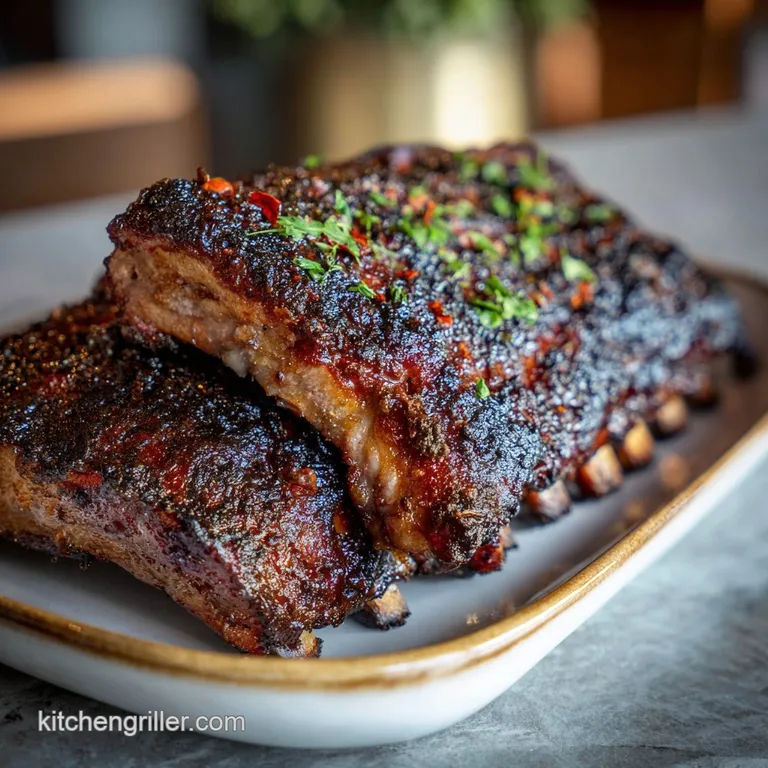
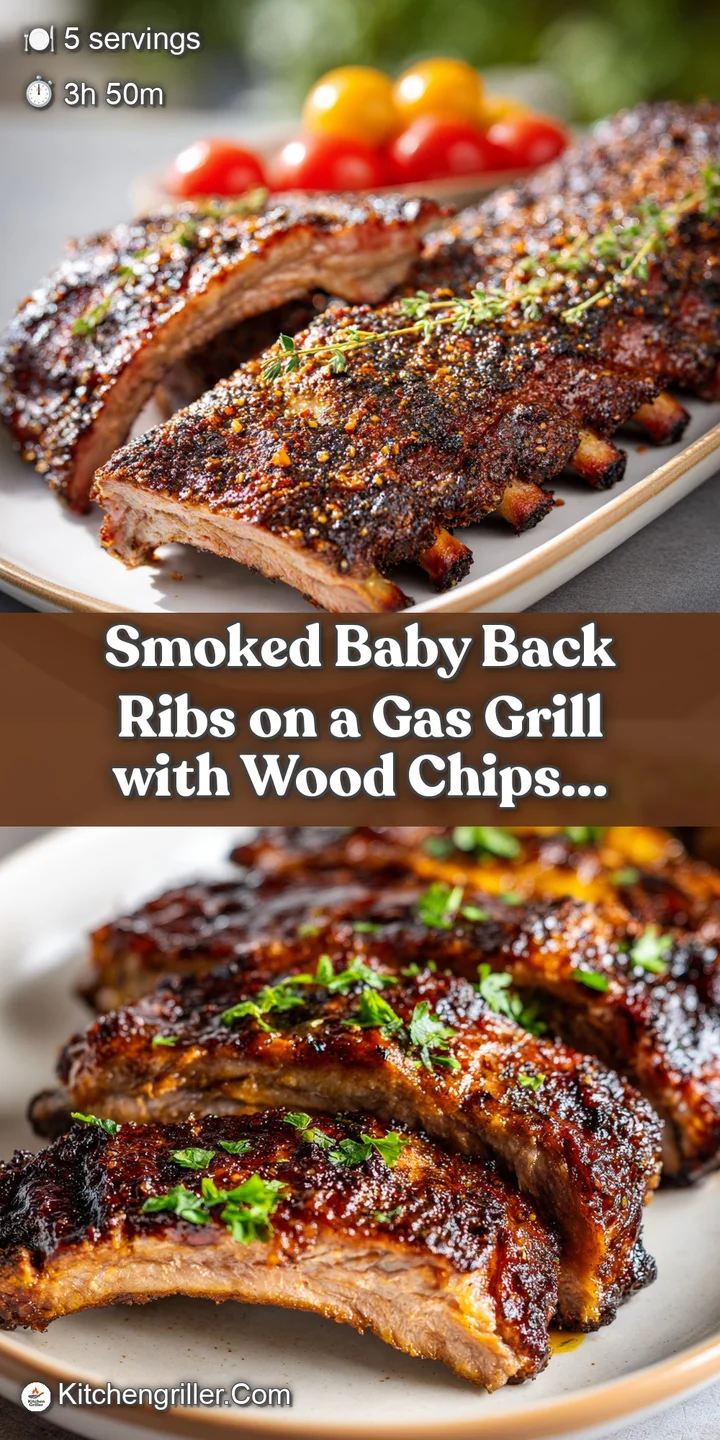
- Time: Active 20 minutes, Passive 3 hours 30 mins, Total 3 hours 50 mins
- Flavor/Texture Hook: Sticky, caramelized glaze over a mahogany bark with a tender, smoky interior.
- Perfect for: Weekend cookouts where you want pitmaster results using everyday backyard equipment.
- Mastering Clean Smoke on Gas
- Precise Metrics for Tenderness
- Elements for the Ultimate Bark
- Essential Tools for the Pit
- Methodical Steps to Smoky Success
- Correcting Common Pitmaster Errors
- Flexible Flavor and Heat Profiles
- Preserving Texture and Moisture
- Presentation and Texture Balance
- High in Sodium
- Recipe FAQs
- 📝 Recipe Card
The first time I tried this, the neighborhood smelled like a professional smokehouse before the sun even hit its peak. I remember the specific hiss of the hickory chips hitting the hot flavorizer bars and that initial puff of thin, blue smoke drifting from the lid.
There is a specific kind of magic when you realize you don't need a massive iron pit to achieve that deep, mahogany bark; you just need to understand how heat moves through your gas grill.
Get ready to enjoy tender, smoky perfection with this recipe for Smoked Baby Back Ribs on a Gas Grill with Wood Chips. We are going to treat your grill like a thermal laboratory, balancing the high octane energy of propane with the slow, smoldering release of hardwood aromatics.
It’s not about just "grilling" meat; it is about managing the transition of collagen into silky gelatin while the wood smoke weaves into the surface of the pork.
You might be skeptical about whether a gas setup can truly compete with charcoal, but the precision is actually an advantage. We have the ability to hold a rock steady 110°C without fighting with dampers or ash buildup.
This process is about patience and observing the physical changes in the meat the way the bones begin to peek out from the muscle as the proteins contract and the fat renders into a lacquer like finish.
Mastering Clean Smoke on Gas
- Thermal Equilibrium: Using a two zone setup allows the ribs to cook via convection rather than direct radiation, preventing the bottom from charring before the connective tissue breaks down.
- The Myoglobin Reaction: Nitric oxide and carbon monoxide from the smoldering wood chips react with myoglobin in the meat to create that classic pink smoke ring, even on a gas flame.
- Evaporative Cooling: Wrapping the ribs in foil halfway through creates a micro steam environment that pushes the meat through the "stall," where surface moisture evaporation normally halts the internal temperature rise.
- Hygroscopic Bark: The dark brown sugar in the rub attracts moisture, forming a tacky surface that allows smoke particles to "stick" and build a thick, flavorful crust.
| Thickness | Internal Temp | Rest Time | Visual Cue |
|---|---|---|---|
| 2.5 cm (standard) | 93°C | 15 mins | Meat pulls back 1 cm from bone |
| 3.5 cm (meaty) | 95°C | 20 mins | Slab bends and cracks when lifted |
| 1.5 cm (lean) | 91°C | 10 mins | Bones rotate easily in the meat |
The temperature control on a gas grill is remarkably similar to the logic used in our Smoked Pork Butt recipe. Both require a steady, low temperature environment to ensure the exterior doesn't dry out while the interior reaches that crucial breakdown point. On a gas grill, this means only lighting one or two burners and placing the meat on the cool side to ensure the heat circulates evenly around the rack.
Precise Metrics for Tenderness
| Ingredient | Science Role | Pro Secret |
|---|---|---|
| Yellow Mustard | Surfactant/Binder | Acids in mustard help the dry rub penetrate the surface proteins without adding vinegary flavor. |
| Dark Brown Sugar | Maillard Catalyst | The molasses content provides a lower melting point, creating a velvety glaze that doesn't burn as easily as white sugar. |
| Apple Cider Vinegar | pH Adjuster | Spritzing with acid breaks down surface proteins and keeps the exterior hydrated for better smoke absorption. |
| Wood Chips | Volatile Aromatics | Soaking half the chips ensures a staggered release of smoke, providing a longer flavor window. |
When selecting your wood chips, remember that density matters. Hickory provides a punchy, traditional BBQ flavor that stands up well to the pork, while applewood offers a milder, sweeter profile. I often mix them to get the best of both worlds.
The science of the smoke lies in the "blue" phase you want a thin, barely visible stream, not thick white clouds which can leave a bitter, creosotic aftertaste on your rack.
Elements for the Ultimate Bark
- 2 racks (approx. 1.8 kg) Baby Back Pork Ribs Why this? Higher fat content than spare ribs ensures they stay juicy during smoking.
- 2 tbsp Yellow mustard Why this? Acts as a tacky glue for the rub without altering the final taste.
- 4 tbsp Dark brown sugar Why this? Provides the sweetness and depth needed for a thick crust.
- 2 tbsp Smoked paprika Why this? Adds the signature deep red color and a hint of extra smokiness.
- 1 tbsp Kosher salt Why this? Large crystals dissolve slowly, seasoning the meat deeply without over salting.
- 1 tbsp Coarse black pepper Why this? Creates a textured "bite" and supports the bark structure.
- 1 tsp Garlic powder
- 1 tsp Onion powder
- 1/2 tsp Cayenne pepper
- 1 cup Bourbon based BBQ sauce
- 2 tbsp Apple cider vinegar
- 1 tbsp Honey
- 2 cups Hickory or Applewood chips
- Heavy duty aluminum foil
| Original Ingredient | Substitute | Why It Works |
|---|---|---|
| Dark Brown Sugar | Maple Sugar | Similar moisture content. Note: Adds a distinct woodsy sweetness but can burn faster. |
| Yellow Mustard | Olive Oil | Provides a fat based binder. Note: Rub won't stick as aggressively as with mustard. |
| Bourbon BBQ Sauce | Spicy Vinegar Sauce | Thinner consistency. Note: Won't create a thick glaze but offers a sharper tang. |
Essential Tools for the Pit
The most critical piece of equipment is a reliable smoking box or a DIY foil pouch. Since we are using wood chips on a gas grill, you need a vessel to hold the wood so it smolders rather than igniting into an open flame.
If you don't have a dedicated metal smoker box, simply wrap your wood chips in a double layer of heavy duty aluminum foil and poke several holes in the top with a fork.
You will also need a long handled pair of tongs and a reliable meat thermometer. While pitmasters often go by "feel," using a thermometer ensures you hit that 93°C sweet spot where the collagen has fully dissolved.
Finally, ensure your gas tank is at least half full; there is nothing worse than the flame dying out during the middle of the tenderizing wrap phase.
Methodical Steps to Smoky Success
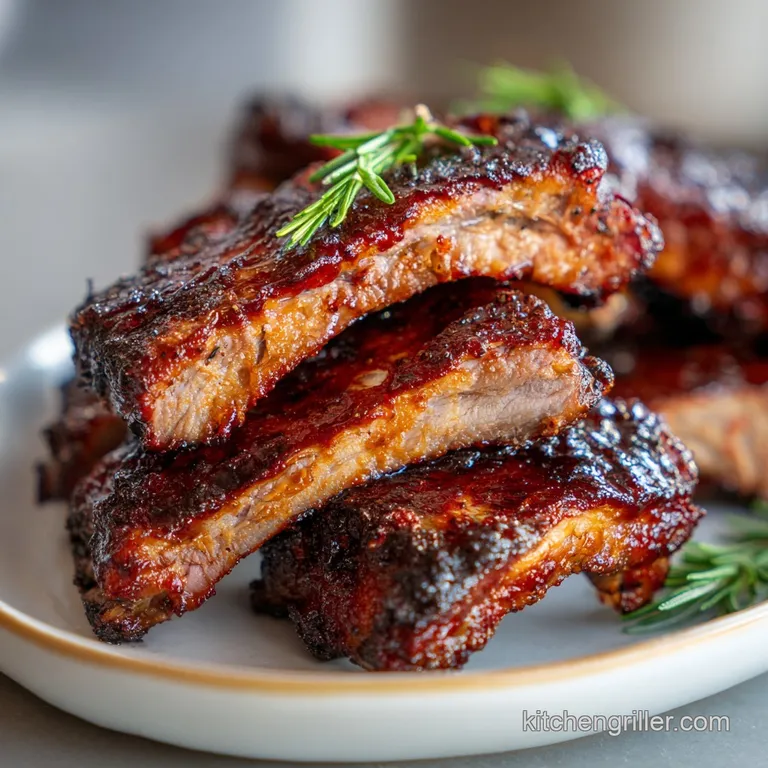
- Prep the meat. Remove the membrane (silver skin) from the back of the ribs by prying it up with a butter knife and pulling it off with a paper towel. Note: This allows smoke and seasoning to reach the meat from both sides.
- Apply the binder. Coat both sides of the ribs with the yellow mustard.
- Layer the rub. Mix the brown sugar, paprika, salt, pepper, garlic, onion, and cayenne, then press the mixture firmly into the mustard coating.
- Ignite the smoke. Preheat your grill to 110°C using only the outer burners, then place your wood chip box directly over the active flame.
- Begin the smoke. Place the ribs on the cool side of the grill and smoke for 2 hours until the bark is set and deep red.
- Execute the wrap. Tear off two large sheets of heavy duty foil, place the ribs inside, and drizzle with a mix of apple cider vinegar and honey before sealing tightly. Note: This creates a steam jacket that accelerates the tenderizing process.
- Continue the cook. Return the wrapped ribs to the grill for 1 hours 30 mins until the meat is tender and pulling back.
- Glaze the surface. Carefully unwrap the ribs, brush generously with bourbon BBQ sauce, and place back on the grill for 10-15 minutes until the sauce is tacky and bubbling.
- Rest the rack. Remove the ribs and let them sit for 15 minutes to allow the juices to redistribute.
Executing the wrap is a technique very similar to what we do in our Smoked Meatloaf Recipe, where moisture retention is paramount to the final texture. By sealing the meat, you are essentially braising it in its own rendered fats and the added cider vinegar, which guarantees that "fall off-the bone" texture everyone craves.
Correcting Common Pitmaster Errors
Why Your Ribs Are Tough
If the meat is resisting the bone, it usually means you haven't reached the temperature where the connective tissue melts. Even if they look done on the outside, ribs need that internal climb to 93°C to truly soften.
Why the Bark Is Bitter
Thick, billowing white smoke is the enemy of flavor. This usually happens if the wood chips are burning too fast or if there isn't enough airflow. You want to see "thin blue smoke" which indicates clean combustion.
| Problem | Root Cause | Solution |
|---|---|---|
| Dry, crispy meat | Temperature too high | Maintain a steady 110°C; check grill thermometer calibration. |
| Rub didn't stick | Membrane left on | Always peel the silver skin before applying the binder. |
| No smoke flavor | Chips didn't smolder | Place the smoke box directly on the heat source/burners. |
- ✓ Pat the meat completely dry before applying mustard to ensure the rub stays in place.
- ✓ Avoid "peeking" during the first 2 hours as opening the lid drops the temperature and vents the smoke.
- ✓ Always use heavy duty foil; standard foil can tear, causing the precious braising liquid to leak out.
- ✓ Allow the grill to fully preheat until smoke is actively venting before adding the meat.
Flexible Flavor and Heat Profiles
If you want to deviate from the classic sweet and smoky profile, you can easily pivot to a spicy chipotle version. Simply swap the cayenne for chipotle powder and use a spicy, vinegar based sauce instead of the bourbon glaze.
The method for Smoked Baby Back Ribs on a Gas Grill with Wood Chips remains identical, but the flavor profile shifts toward a heat forward experience.
For those watching their sugar intake, adopting a keto friendly rub is as simple as replacing the brown sugar with a granulated monk fruit or erythritol sweetener. You will still get a decent bark, though it won't be as deeply caramelized. This flexibility is similar to how we adapt the Smoked Whole Chicken recipe to different dry rubs depending on the occasion.
Preserving Texture and Moisture
Storage: You can keep leftover ribs in the fridge for up to 4 days. Wrap them tightly in plastic wrap or store them in an airtight container to prevent the meat from absorbing other fridge odors.
For long term storage, they freeze beautifully for up to 3 months just ensure they are cooled completely before sealing in a vacuum bag or freezer safe wrap.
Zero Waste: Don't throw away those rib bones! They are packed with flavor. You can simmer them with aromatics to create a smoky pork stock for beans, collard greens, or a hearty pea soup.
Any shredded leftover meat is also a perfect addition to tacos, breakfast hashes, or even a smoky Mac and Cheese the next day.
Presentation and Texture Balance
When you are ready to serve, don't just hack through the meat. Use a sharp slicing knife and cut between the bones cleanly. The visual of the smoke ring against the white pork is part of the experience.
I like to serve these with a side of cold coleslaw and perhaps some pickled onions to cut through the richness of the fat.
- If you want a crunchier bark, skip the wrap phase but spritz with apple juice every 30 minutes.
- If you want maximum tenderness, extend the foil wrap phase by an extra 30 minutes.
- If you want a spicier finish, add extra cayenne and red pepper flakes to the final glaze.
The key is the rest. If you slice into them the second they come off the heat, the internal pressure will push the moisture out, leaving you with dry meat. Give it 15 minutes.
The glaze will set into a beautiful, glossy sheen, and the muscle fibers will relax, ensuring every bite is as velvety as intended. This is the patience of a true pitmaster at work.
High in Sodium
960 mg mg of sodium per serving (42% % of daily value)
The American Heart Association recommends limiting sodium intake to about 2,300mg per day for overall health.
Sodium Reduction Tips for Baby Back Ribs
-
Reduce Kosher Salt-25%
Reduce the kosher salt by half (to 1/2 tbsp). You can always add more at the end to taste. This will significantly lower the sodium content.
-
Lower Sodium BBQ Sauce-20%
Opt for a low-sodium or sodium free BBQ sauce. Many brands offer these options, which can substantially reduce the sodium from the sauce, a major contributor.
-
Mustard Modification-10%
Use less yellow mustard (1 tbsp instead of 2), or choose a lower sodium mustard variety. The sodium content in mustard varies greatly between brands.
-
Adjust Apple Cider Vinegar-5%
Reduce Apple Cider Vinegar to 1 tbsp, it is still important for tang, but will reduce the overall sodium amount
-
Embrace Herbs and Spices
Experiment with salt free herbs and spices like chili powder, cumin, oregano, or smoked sweet paprika. These can enhance flavor without adding sodium.
Recipe FAQs
How to smoke baby back ribs on a gas grill?
Establish a two-zone fire and use soaked wood chips. Light only the outer burners, maintaining the internal grill temperature around 110°C; place the ribs on the cool side directly over the unlit burner, using a smoker box or foil pouch over the active flame for clean smoke.
Can I smoke ribs with just wood?
No, wood alone provides no heat source for smoking. You must use charcoal or a heat source like propane burners to heat the wood until it smolders, which produces the aromatic smoke necessary for flavor.
How long do baby back ribs take to cook on a gas grill?
Total cook time is typically 3 to 3.5 hours. This includes 2 hours of initial smoking, followed by wrapping them in foil (the "Texas Crutch") for another 1.5 hours until they reach 93°C internal temperature.
Can I use my gas grill like a smoker?
Yes, by managing airflow and heat sources precisely. Utilize the two-zone setup (some burners on, some off) and keep the lid closed to trap smoke and steam, turning the grill into a convection oven for low-and-slow cooking.
What temperature should I maintain for smoking ribs on propane?
Maintain a steady temperature of 110°C (230°F). This low, consistent heat is crucial for rendering the connective tissue in the ribs without burning the rub or drying out the exterior.
Why is the bark on my gas-grilled ribs soft instead of crisp?
This usually results from too much trapped moisture during the final stage. If you skipped the unwrapping phase, the steam from the foil continues to saturate the surface; for a firmer bark next time, finish unwrapped for the last 20 minutes.
Is soaking wood chips necessary before using them in a smoker box?
No, soaking is largely unnecessary and can be counterproductive. Soaking cools the heat source, producing thick white smoke which tastes bitter; simply use dry chips placed directly over the heat so they smolder, like in our technique for the Poor Man's Burnt recipe.
Gas Grill Smoked Ribs
Ingredients:
Instructions:
Nutrition Facts:
| Calories | 551 calories |
|---|---|
| Protein | 35g |
| Fat | 31g |
| Carbs | 33g |
| Fiber | 1g |
| Sugar | 28g |
| Sodium | 960mg |
