Grilled Bone in Skin on Chicken Thighs
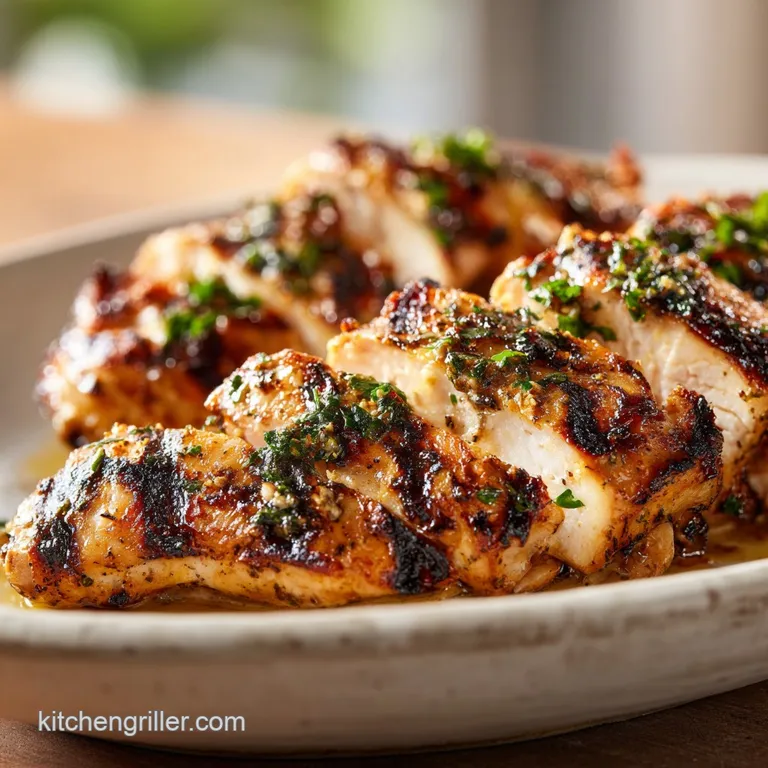
- Time: Active 20 mins, Passive 50 mins, Total 1 hours 10 mins
- Flavor/Texture Hook: Zesty, garlicky, and shatter crisp
- Perfect for: Busy weeknight dinners or casual backyard hangouts
- Mastering Your Grilled Bone In Skin On Chicken
- Fast Stats for the Perfect Bird
- The Science of the Heat Shield
- Essential Gear for Grilling Success
- The Essential Elements for Flavor
- Foolproof Steps for Crispy Skin
- Fixes for Common Grilling Blunders
- Troubleshooting Common Issues
- Smart Swaps for Busy Cooks
- Debunking Backyard Cooking Myths
- Keeping Your Leftovers Freshly Juicy
- Perfect Sides for This Chicken
- High in Sodium
- Recipe FAQs
- 📝 Recipe Card
Mastering Your Grilled Bone In Skin On Chicken
The first time I attempted this, my backyard looked like a Victorian fog bank. I had the heat cranked way too high, the fat from the skin hit the burners, and suddenly I was standing in a pillar of black smoke.
When the "fog" finally cleared, I was left with chicken that looked like charcoal on the outside but was practically raw near the bone. It was a classic beginner mistake, but it taught me everything I needed to know about the dance between fire and poultry.
We've all been there, trying to rush the process because the kids are hungry or we just want to eat. But here is the thing: you can't rush a bone in thigh. That bone is like a little fortress that protects the meat from drying out, but it also means the heat needs time to penetrate.
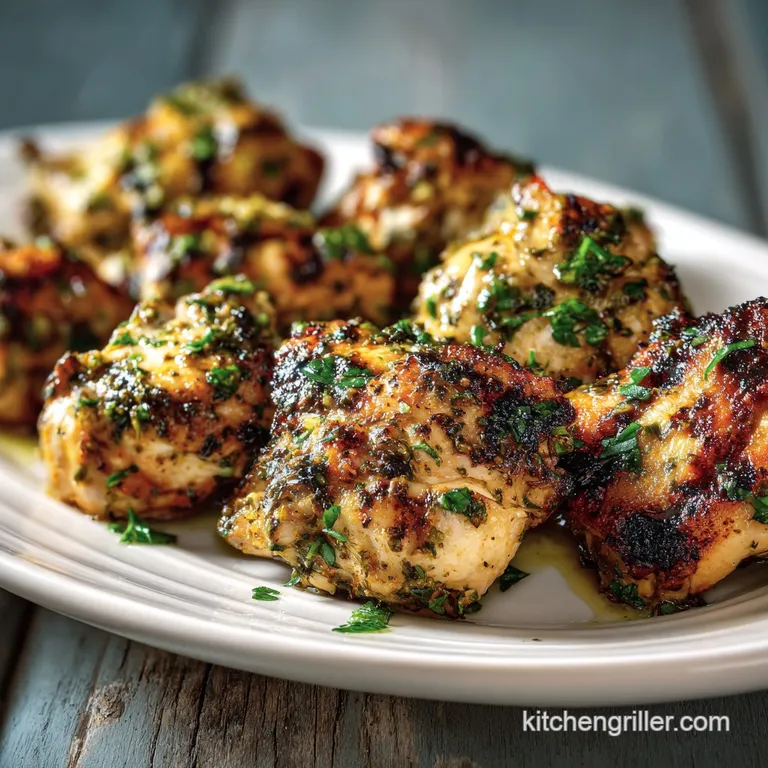
Once I figured out the "sear then slide" technique, everything changed. Now, I get that gorgeous, mahogany skin every single time without the neighborhood fire department showing up.
Discover the ultimate recipe for juicy and flavorful Grilled Bone In Skin On Chicken Thighs with Garlic Herb Marinade. This approach is my favorite weeknight hack because the prep is minimal, but the results taste like you spent all day hovering over a smoker.
We are using a gas grill here for speed and control, making this a reliable win for any home cook who needs a high impact meal without the fuss of a 12 hour marinade.
Fast Stats for the Perfect Bird
Before we get into the nitty gritty of the marinade, let's look at the numbers. Success in grilling often comes down to knowing exactly when to move the meat and when to pull it off the heat. If you've ever struggled with chicken that's dry as cardboard, these numeric checkpoints will be your new best friends.
| Thickness | Internal Temp | Rest Time | Visual Cue |
|---|---|---|---|
| 1.5 inches | 165°F (74°C) | 5 mins | Juices run completely clear |
| 2 inches | 165°F (74°C) | 8 mins | Skin is taut and golden |
| 1 inch | 165°F (74°C) | 3 mins | Meat pulls away from bone |
Cooking times can vary depending on your grill's personality, so always rely on a digital thermometer rather than just a clock. If you find yourself frequently cooking for a crowd, this Juicy Grilled Pork recipe uses similar heat management principles to keep things succulent.
The Science of the Heat Shield
Thermodynamic Insulation: The bone acts as an internal heat sink, absorbing energy and radiating it outward to cook the meat from the inside out while preventing overcooking.
The Acid Buffer: Lemon juice in the marinade breaks down the tough connective tissues in the meat, allowing the herbs to penetrate deeper into the muscle fibers.
Maillard Reaction Control: The smoked paprika provides sugars and proteins that react with heat at 285°F (140°C), creating that distinct savory "browned" flavor and aroma we crave.
The Physics of the Rest: During the 5 minute rest, the muscle fibers relax, allowing the juices to redistribute so they don't gush out the second you take a bite.
Component Analysis for Grilling
Understanding what each ingredient brings to the party helps you become a more intuitive cook. You aren't just adding flavor; you are building a chemical environment that ensures the best texture possible.
| Ingredient | Science Role | Pro Secret |
|---|---|---|
| Olive Oil | Heat Conductor | Carries fat soluble herb flavors into the skin |
| Lemon Juice | Denaturant | Softens protein strands for a tender bite |
| Garlic | Aromatics | Smashed cloves release more oils than sliced ones |
| Kosher Salt | Moisture Retainer | Draws seasoning into the meat through osmosis |
Essential Gear for Grilling Success
You don't need a professional kitchen, but a few specific tools make this "busy cook" friendly. I always suggest a gas grill with at least two burners so you can create that vital cool zone. A pair of long handled tongs is non negotiable nobody wants singed arm hair when the fat starts to render.
For the marinade, a simple glass bowl or a heavy duty gallon zip top bag works best. If you're using a bag, you can really massage the 3 lbs bone in, skin on chicken thighs to ensure every nook and cranny is coated in that garlic herb goodness.
Finally, a wire cooling rack placed over a sheet pan is perfect for the resting phase, as it prevents the bottom skin from getting soggy.
The Essential Elements for Flavor
This list is straightforward and budget friendly. Most of these items are probably already in your pantry or growing in a little pot on your windowsill.
- 3 lbs bone in, skin on chicken thighs (8 large thighs): Why this? The bone adds flavor and prevents the meat from drying out.
- Substitute: Chicken drumsticks work perfectly here too.
- 1/4 cup olive oil: Why this? Provides the fat needed to crisp the skin and prevent sticking.
- Substitute: Avocado oil or any high smoke point vegetable oil.
- 3 tbsp fresh lemon juice: Why this? Cuts through the fat and tenderizes the meat.
- Substitute: Apple cider vinegar for a tangier, sharper punch.
- 4 cloves garlic, smashed and minced: Why this? Delivers that classic savory aroma that defines grilled chicken.
- Substitute: 1 tsp garlic powder if you're in a massive rush.
- 1 tbsp fresh rosemary, finely chopped: Why this? Adds a woody, pine like depth that stands up to the grill.
- Substitute: 1 tsp dried rosemary (crush it between your fingers first).
- 1 tbsp fresh thyme, finely chopped: Why this? Offers a subtle, earthy sweetness to the marinade.
- Substitute: 1 tsp dried thyme.
- 1 tsp smoked paprika: Why this? Adds a hint of "fake" smoke and a beautiful red hue.
- Substitute: Regular sweet paprika for color without the smoke.
- 1.5 tsp kosher salt: Why this? Essential for bringing out every other flavor in the dish.
- Substitute: 1 tsp fine sea salt.
- 1 tsp coarse black pepper: Why this? Provides a tiny bit of back of-the throat heat.
- Substitute: Crushed red pepper flakes if you want more spice.
Foolproof Steps for Crispy Skin
- Prep the chicken. Pat the 3 lbs bone in, skin on chicken thighs dry with paper towels. Note: Moisture is the enemy of crispy skin; it must be bone dry.
- Mix the marinade. Whisk the 1/4 cup olive oil, 3 tbsp lemon juice, 4 cloves garlic, 1 tbsp rosemary, 1 tbsp thyme, 1 tsp smoked paprika, 1.5 tsp kosher salt, and 1 tsp black pepper in a bowl.
- Infuse the flavor. Coat the chicken thoroughly and let it sit for at least 30 minutes. Note: You can do this up to 4 hours ahead, but the lemon will start to "cook" the meat if left longer.
- Preheat the grill. Set your gas grill to medium high heat (about 400°F/200°C) for 10 minutes.
- Clean the grates. Use a grill brush to ensure no leftover bits from last week's burgers ruin your chicken.
- The initial sear. Place the chicken skin side down on the direct heat. Cook 5 minutes until the skin releases easily from the grates.
- Flip and move. Turn the chicken over and move it to the "cool" side of the grill (indirect heat).
- The indirect finish. Close the lid and cook for another 15 minutes to 20 minutes. Cook until the internal temperature hits 165°F (74°C) and the skin is shatter crisp.
- The final rest. Remove the chicken to a plate and wait 5 minutes before serving. Note: This keeps the juices inside the meat where they belong.
Fixes for Common Grilling Blunders
Troubleshooting Common Issues
| Issue | Solution |
|---|---|
| Chicken skin rubbery | This usually happens because the heat wasn't high enough at the start or the chicken was too crowded. If the thighs are too close together, they steam each other instead of searing. Give them at least |
| Prevent massive flare ups | Flare ups are caused by fat dripping onto the burners and igniting. When you move the chicken to the indirect heat zone, you remove the fuel source from the fire. If a flare up happens during the init |
| The garlic in the marinade burns | Mincing garlic very finely or using a press can make it prone to burning. I prefer smashing the 4 cloves garlic and then doing a rough chop. This leaves larger pieces that are less likely to turn bitt |
Common Mistakes Checklist
- ✓ Skipping the "pat dry" step (leads to soggy, grey skin).
- ✓ Opening the grill lid too often (lets all the indirect heat escape).
- ✓ Putting cold chicken straight from the fridge onto the grill (cooks unevenly).
- ✓ Forgetting to clean the grates before starting.
- ✓ Cutting into the chicken immediately to check doneness (all the juice runs out).
Smart Swaps for Busy Cooks
Sometimes you just don't have fresh rosemary, and that's okay. This recipe is meant to be a template for whatever you have on hand. If you want to change the flavor profile entirely, you can use this Lemon Garlic Chicken recipe as a base for a brighter, more citrus forward version.
If you need to scale this recipe down for just two people, use 4 thighs and halve all the marinade ingredients. The cooking time will remain roughly the same because the thickness of the individual thighs hasn't changed.
To scale up for a big party (say, 16 thighs), double the meat and oil, but only increase the salt and herbs by 1.5x. You will likely need to grill in two batches or use a very large grill to maintain your indirect heat zone.
| Comparison | Stovetop (Cast Iron) | Gas Grill (Two Zone) |
|---|---|---|
| Prep Time | 10 mins | 10 mins |
| Flavor | Deeply browned, buttery | Charred, smokey, light |
| Cleanup | Splatter on stove | Burners self clean |
Debunking Backyard Cooking Myths
One of the biggest lies in the culinary world is that searing meat "seals in the juices." Science tells us this is false; moisture loss happens regardless of the sear. What the sear actually does is create flavor through the Maillard reaction. Another myth is that chicken is done when the juices run clear.
While often true, the only safe way to tell is with a thermometer. Sometimes bone in chicken can have slightly pink juices near the bone even when it's perfectly safe to eat.
Keeping Your Leftovers Freshly Juicy
Storage: Keep any leftover chicken in an airtight container in the fridge for up to 4 days. If you want to freeze it, wrap each thigh tightly in foil and then place them in a freezer bag for up to 3 months.
To reheat without drying it out, put it in a 350°F (180°C) oven with a splash of water or broth in the pan, covered with foil, until warmed through.
Zero Waste: Don't you dare throw those bones away. Once you've eaten the meat, toss the bones into a pot with some celery scraps, onion skins, and water. Simmer for a few hours to make a rich, homemade chicken stock that puts the store-bought stuff to shame.
If you have leftover meat, it's brilliant shredded into a salad or tucked into a wrap for lunch the next day.
Perfect Sides for This Chicken
Since you already have the grill going, it's the perfect time to throw on some veggies. Asparagus or sliced zucchini tossed in a little extra olive oil and salt take about the same amount of time as the final chicken rest.
For a more substantial meal, a cold potato salad or a vinegar based slaw provides a nice contrast to the warm, savory chicken.
If you are feeling like a real pro, try serving this alongside our Smoked Chicken Wings recipe. The different textures between the thighs and the wings make for an epic platter. Just remember: if you want the ultimate crunch, keep the skin side up once the chicken comes off the grill so the steam doesn't soften that beautiful crust we worked so hard to create.
If you want X, do Y:
- For extra crispy skin: Add 1/2 tsp of baking powder to the dry rub before marinating.
- For a spicy kick: Add 1/2 tsp of cayenne pepper or double the black pepper.
- For a smoky flavor without a smoker: Increase the smoked paprika to 1 tbsp.

High in Sodium
845 mg mg of sodium per serving (37% of daily value)
The American Heart Association recommends limiting sodium intake to about 2,300mg per day.
Tips to Reduce Sodium in Your Chicken Recipe
-
Reduce Salt Added-25%
The recipe contains 1.5 tsp of kosher salt, which is a significant source of sodium. Try reducing it by half, or even eliminating it completely, and taste as you go. You can always add more, but you can't take it away! This could reduce sodium by up to 25%.
-
Boost Flavor with Lemon-10%
Enhance the existing lemon flavor by increasing the fresh lemon juice. The acidity brightens the dish and may help compensate for less salt. Consider adding an extra tablespoon of lemon juice to further reduce the need for sodium; potential sodium reduction 10%.
-
Increase Herbs & Spices
Amplify the rosemary, thyme, and smoked paprika. Adding more of these flavorings will enhance the overall taste and reduce the need for salt. There is no sodium reduction impact with this strategy but will enhance overall flavor.
-
Fresh vs Dried
Make sure the rosemary and thyme are as fresh as possible for the best flavor impact. Older, dried herbs will have a less pronounced effect. No sodium reduction but fresher herbs provide better flavor.
-
Amplify the Garlic-5%
Garlic is a great way to enhance the flavor and reduce the need for salt. Consider using even more minced garlic to enhance the flavor profile. Potential sodium reduction 5%
Recipe FAQs
Is it true that searing the chicken first traps the juices inside?
No, this is a common misconception. Searing meat creates flavor through the Maillard reaction, not by sealing in moisture. Juices will escape regardless of the initial sear.
How long should I rest grilled bone-in chicken before cutting into it?
Rest for a minimum of 5 minutes. This allows the muscle fibers to relax and redistribute the internal moisture, ensuring the chicken stays juicy when sliced.
How do I ensure the skin gets shatter crispy instead of rubbery?
Start skin side down over direct, high heat. The initial sear must be hot enough to render the fat quickly, then immediately move the chicken to indirect heat to finish cooking gently.
What is the best way to check if bone-in chicken thighs are fully cooked?
Check the internal temperature with a thermometer. The safe internal temperature is 165°F (74°C) registered in the thickest part of the thigh, avoiding the bone.
Can I use a marinade containing acidic ingredients like lemon juice overnight?
No, keep the marination time under 4 hours. Acidic ingredients like lemon juice can begin to denature the proteins too aggressively, leading to a mushy texture rather than tender meat.
How should I adjust my cooking method if I want smoky flavor without a dedicated smoker?
Increase the smoked paprika in the marinade substantially. You can also add soaked wood chips to the gas grill grates directly under the cool zone to generate low, indirect smoke.
What is a good side dish to serve with the grilled chicken that uses a similar cooking technique?
Try grilling vegetables in a foil packet for an easy side dish. This method traps steam to keep them tender while picking up residual grill flavor, complementing the chicken nicely. If you're mastering heat control here, see how that same zone management works when cooking your Grilled Vegetables in recipe.
Grilled Bone In Skin On Chicken
Ingredients:
Instructions:
Nutrition Facts:
| Calories | 468 kcal |
|---|---|
| Protein | 37g |
| Fat | 34g |
| Carbs | 2g |
| Fiber | 0.4g |
| Sugar | 0.3g |
| Sodium | 845mg |
