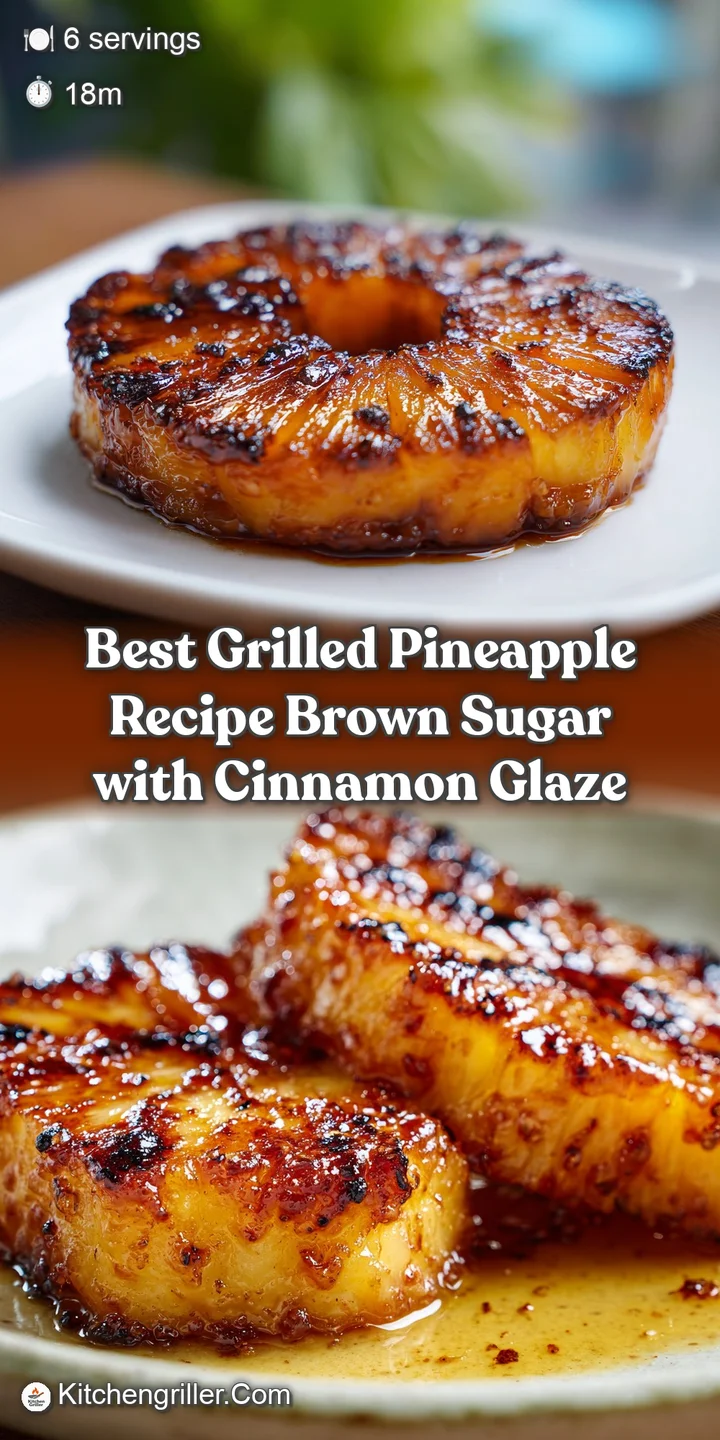
Best Grilled Pineapple Recipe Brown Sugar
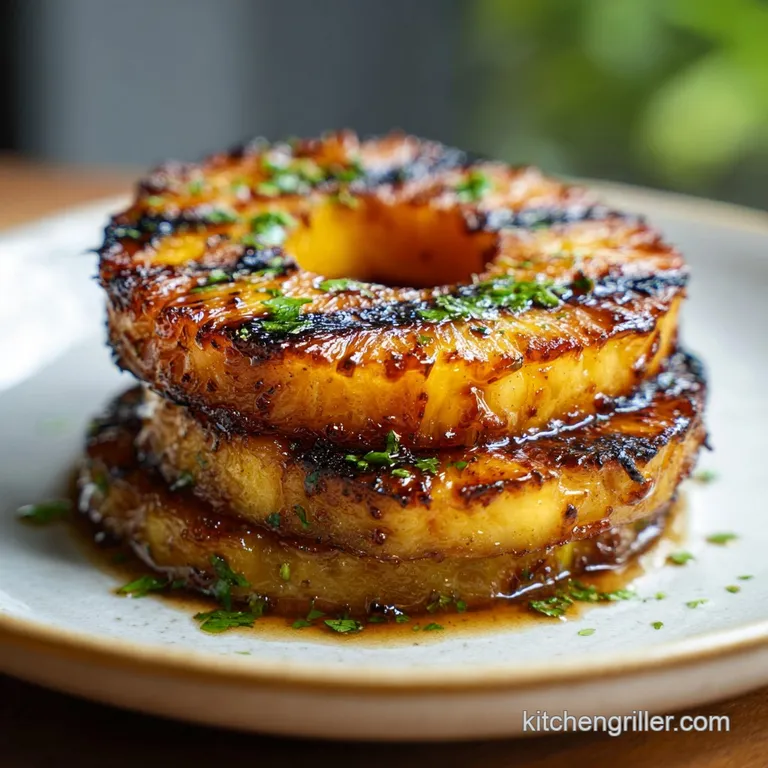
- Time: Active 10 minutes, Passive 8 minutes, Total 18 minutes
- Flavor/Texture Hook: Smoky, buttery, and shatter crisp edges
- Perfect for: Backyard BBQs, quick weeknight desserts, or taco night toppers
- Best Grilled Pineapple Recipe Brown Sugar
- Essential Recipe Performance Metrics
- The Science of Fruit Caramelization
- Component Analysis Deep Dive
- Core Ingredients and Clever Substitutions
- Necessary Gear for High Heat
- Master the Prep and Sear
- Fix Common Grilling Mistakes
- Adaptations for Every Lifestyle
- Debunking Grilling Myths
- Maximizing Freshness and Reducing Waste
- Serving Suggestions for Maximum Impact
- Recipe FAQs
- 📝 Recipe Card
Best Grilled Pineapple Recipe Brown Sugar
The first time I tried grilling fruit, it was a disaster. I just tossed some rings onto a lukewarm grill and hoped for the best. They came out pale, soggy, and honestly tasted like warm juice. It was a massive letdown.
But then I discovered the trick of using a heavy glaze and high heat, and suddenly, the kitchen smelled like a tropical holiday.
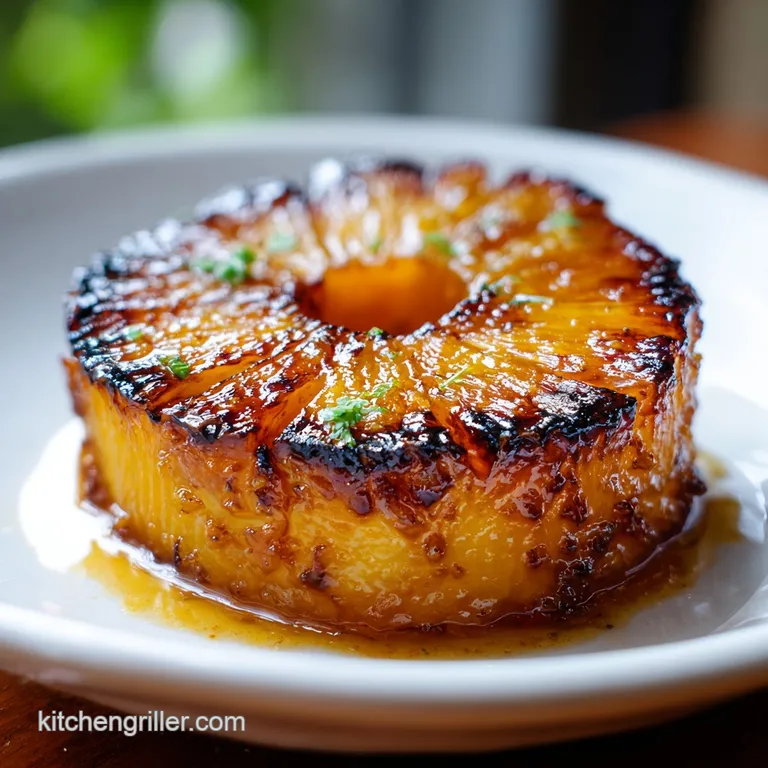
When that spiced brown sugar hits the hot metal grates, the aroma is thick and intoxicating. It is a mix of toasted cinnamon and deep molasses that honestly makes the neighbors peek over the fence. You get these gorgeous, dark grill marks that have a slight crunch, while the inside stays juicy and bright.
It is the kind of side dish that people end up eating as dessert.
We are going for maximum impact with zero fuss here. No 12 hour marinades or complex setups needed. If you have a gas grill and 18 minutes, you have a showstopper.
Trust me, once you see that sugar start to bubble and darken against the yellow fruit, you will never go back to serving plain pineapple again.
Essential Recipe Performance Metrics
Getting the timing right is the difference between a smoky treat and a burnt mess. Because sugar burns fast, we need to be precise with our heat management. I usually stick to a medium high setting on my gas grill to get that quick sear without incinerating the butter.
If you are planning a full spread, this pairs beautifully with my Baked Beans with recipe. The sweetness in the beans mirrors the molasses notes in the pineapple glaze, making for a really cohesive BBQ plate.
| Method | Total Time | Texture | Best For |
|---|---|---|---|
| Gas Grill | 8 minutes | Charred and firm | Maximum smoky flavor |
| Oven Broiler | 10 minutes | Evenly caramelized | Rainy day convenience |
| Cast Iron Pan | 12 minutes | Deeply crusted | Smaller batches |
The gas grill is my top choice because it handles the moisture of the fruit better than an oven does. In the oven, the pineapple tends to steam in its own juice, whereas the grill grates allow that liquid to drip away, letting the sugar actually "shatter" into a crust.
The Science of Fruit Caramelization
Pyrolysis Trigger: High heat breaks down the complex sugars in the pineapple and the added brown sugar, creating hundreds of new aromatic compounds. This process happens at roughly 338°F (170°C), turning the glaze into a rich, mahogany colored coating.
Acidity Balance: The lime juice isn't just for flavor; it prevents the sweetness from becoming cloying by cutting through the heavy fat of the melted butter.
Component Analysis Deep Dive
| Ingredient | Science Role | Pro Secret |
|---|---|---|
| Dark Brown Sugar | Carbonization | Use dark sugar for higher molasses content and deeper color |
| Unsalted Butter | Heat Conductor | Melt it fully to emulsify with the spices for even coverage |
| Smoked Paprika | Flavor Contrast | Provides an "outdoor" taste even if using a stovetop pan |
| Fresh Lime Juice | Pectin Softener | Brightens the fruit and helps the glaze stick to the surface |
The choice of dark brown sugar is non negotiable for me. The extra molasses creates a tackier, more velvety glaze that clings to the pineapple fibers instead of just sliding off into the flames. It makes a huge difference in the final look of the dish.
Core Ingredients and Clever Substitutions
This recipe relies on a few pantry staples, but you can definitely pivot if you are missing something. I always recommend using a firm ripe pineapple. If it's too soft, it will fall apart on the grates, which is a total heartbreak when you're mid flip.
- 1 large fresh pineapple: Must be fresh; canned rings are too thin and watery.
- 2 tbsp neutral oil: Grapeseed or canola works. Why this? High smoke point prevents the fruit from sticking to the grates.
- 100g dark brown sugar: Swap with coconut sugar for a nuttier vibe.
- 60g unsalted butter, melted: Use vegan butter or ghee if needed.
- 1 tsp ground cinnamon: A classic warm spice for fruit.
- 0.5 tsp smoked paprika: Swap with chipotle powder for extra heat.
- 1 tbsp fresh lime juice: Lemon juice works in a pinch.
- 0.25 tsp flaky sea salt: Why this? Crushed salt crystals provide a sharp contrast to the caramelized sugar.
If you're already firing up the grill, why not make it a full meal? I often throw these on right after finishing my Grilled Shrimp Skewers recipe. The garlic butter from the shrimp and the spiced sugar from the pineapple are a match made in heaven.
Necessary Gear for High Heat
You don't need a professional kitchen, but a few specific tools make this much easier. A good pair of long handled tongs is essential. You want to be able to flip the fruit without getting a sugar burn from the flare ups.
I also highly suggest a silicone basting brush. Natural bristle brushes can sometimes clump up when they hit the hot, sticky sugar. The silicone ones are much easier to clean later.
If you're working on a gas grill, make sure your grates are scrubbed clean before you start, or the delicate fruit will pick up leftover flavors from last night's burgers.
Master the Prep and Sear
Phase 1: Preparation
- Slice the top and bottom off the pineapple.
- Stand it upright and shave off the skin, following the curve of the fruit.
- Cut into 1 inch thick rounds or long wedges. Note: Wedges are easier to flip.
- Pat the pineapple surfaces completely dry with paper towels.
Phase 2: Mixing and Heating
- Whisk the 100g dark brown sugar, 60g melted butter, cinnamon, paprika, lime juice, and salt.
- Preheat your grill to medium high (around 400°F/200°C).
- Lightly coat the pineapple pieces with 2 tbsp neutral oil. Note: This prevents sticking.
Phase 3: The Grilling
- Place pineapple on the grates and sear for 4 minutes until deep brown grill marks appear.
- Flip the pieces using sturdy tongs.
- Brush the seared side generously with the brown sugar glaze.
- Grill for another 3 to 4 minutes until the glaze is bubbling and tacky.
- Remove from heat and let rest for 2 minutes before serving.
Fix Common Grilling Mistakes
One of the biggest issues people face is the fruit sticking and tearing. This usually happens because the grill wasn't hot enough or the fruit was too wet. If your pineapple feels like it's glued to the grate, leave it for another minute. It will naturally release once the sugars have caramelized and formed a crust.
Why Your Pineapple Stays Pale
If you're not getting those dark lines, your heat is too low. Pineapple has a lot of water, and if the grill isn't hot, the fruit just simmers. Crank the heat up. You want to hear that aggressive sizzle the moment the fruit touches the metal.
| Problem | Root Cause | Solution |
|---|---|---|
| Fruit Tearing | Sticking to grates | Clean grates well and oil the fruit, not the grill |
| Bitter Flavor | Sugar burnt too fast | Move fruit to a cooler zone after the initial sear |
| Soggy Texture | Low heat steaming | Ensure grill is preheated to at least 400°F (200°C) |
Common Mistakes Checklist
- ✓ Pat the fruit bone dry before oiling (moisture prevents searing).
- ✓ Wait for the grill to reach full temperature before starting.
- ✓ Only apply the sugar glaze after the first flip to prevent burning.
- ✓ Don't move the fruit around once it hits the grill; let it sit to get marks.
- ✓ Use long wedges instead of rings for easier handling on wide grates.
Adaptations for Every Lifestyle
If you are cooking for a crowd with different needs, this recipe is very forgiving. You can easily scale it down for a solo treat or up for a big party. For a small batch, just use a quarter of a pineapple and whisk the glaze in a tiny bowl. The cook time stays exactly the same.
When scaling up for 12 or more people, work in batches. Don't crowd the grill, or the temperature will drop and you'll lose that crisp sear. I usually keep the finished pieces on a warm platter covered loosely with foil.
To Scale Down (1-2 servings)
Reduce all glaze ingredients by half. Use a small cast iron skillet on the grill or stovetop for better heat retention with fewer pieces. Use a small offset spatula for flipping since you'll have more room.
To Scale Up (12+ servings)
Double the ingredients but keep the salt and paprika at 1.5x to avoid overpowering the fruit. Increase the lime juice slightly to keep the flavors bright. Use two zones on your grill: one for searing and one for over low heat glazing.
Debunking Grilling Myths
One common myth is that you should soak the pineapple in the sugar mixture before grilling. Don't do this. The sugar will draw out even more moisture, making the fruit soggy, and the butter will solidify into clumps. Always brush the glaze on while the fruit is actually on the heat.
Another misconception is that you need a charcoal grill for good flavor. While charcoal is great, a gas grill is actually better for this specific recipe because you can control the temperature precisely.
Since sugar has a very narrow window between "caramelized" and "burnt," being able to turn a dial is a huge advantage for a home cook.
Maximizing Freshness and Reducing Waste
Pineapple is best eaten fresh off the grill, but you can definitely save leftovers. If you have extra grilled pieces, chop them up and stir them into morning yogurt or oatmeal. The smoky flavor adds a really sophisticated touch to a basic breakfast.
Storage GuidelinesFridge: Store in an airtight container for up to 3 days. The texture will soften, so they are best reheated in a pan. Freezer: I don't recommend freezing grilled pineapple as the cell structure breaks down and it becomes mushy when thawed.
Zero Waste Hack Don't throw away the core or the peel. You can simmer the cleaned peels and the hard core with water and a bit of ginger to make a refreshing "tepache style" tea. It's a great way to use the whole fruit and tastes incredible over ice.
Serving Suggestions for Maximum Impact
While this is a killer side dish, it also works as a focal point. I love serving the warm slices with a big scoop of cold coconut milk ice cream. The temperature contrast is brilliant. The "shatter" of the sugar crust against the velvety ice cream is something your guests will talk about for weeks.
For a savory twist, serve these alongside spicy tacos. The char on the pineapple tames the heat of habanero or jalapeño perfectly. It adds a layer of complexity that raw pineapple just can't match.
If you're feeling fancy, a sprinkle of toasted coconut flakes or some chopped mint on top right before serving makes the plate look like it came out of a professional kitchen.
Recipe FAQs
How do you grill pineapple with caramelized brown sugar?
Slice, oil, sear, then glaze and finish. Cut pineapple into 1 inch rounds or wedges, coat lightly with oil, and sear on medium high heat for 4 minutes until grill marks appear. Flip, brush generously with the brown sugar mixture, and grill for 3-4 more minutes until the glaze is bubbling and tacky.
What are some common mistakes to avoid when grilling pineapple?
Do not soak the pineapple in the glaze beforehand. Soaking draws out moisture, resulting in soggy fruit that steams rather than sears. Also, ensure your grill is fully preheated to prevent sticking; the fruit will release naturally once the sugar has formed a crust.
What makes grilled pineapple taste so good?
High heat caramelization and the molasses flavor profile. The intense heat triggers pyrolysis in the added brown sugar, creating deep, smoky, and complex aromatic compounds that contrast beautifully with the pineapple's natural acidity.
Is dark or light brown sugar better for pineapple?
Dark brown sugar is strongly recommended. It contains higher molasses content, which yields a tackier, deeper colored glaze that clings better to the fruit fibers and resists burning slightly longer than lighter varieties.
Can I use canned or frozen pineapple rings instead of fresh?
No, stick with fresh. Canned or frozen fruit releases excessive moisture when heated, which prevents proper caramelization and results in a pale, watery texture rather than a crisp char.
How do I prevent the brown sugar glaze from burning immediately?
Apply the glaze only after the first sear. Sear the oiled pineapple naked for several minutes to establish grill marks and cook off surface moisture; then, flip and brush the sugar glaze onto the already seared side for the final cook time. This technique helps manage the sugar's high burning point.
Is it true that I must use a gas grill for the best results?
No, this is a common misconception. While gas allows for precise temperature control, the key principle is achieving a high, direct heat source. If you master the high heat searing technique here, you can achieve excellent crusting on a charcoal grill too.
Grilled Pineapple Brown Sugar
Ingredients:
Instructions:
Nutrition Facts:
| Calories | 241 kcal |
|---|---|
| Protein | 0.9 g |
| Fat | 10.8 g |
| Carbs | 38.5 g |
| Fiber | 2.4 g |
| Sugar | 33.2 g |
| Sodium | 105 mg |
