Carnivore Diet Meal with Ribeye Steak: Reverse Sear
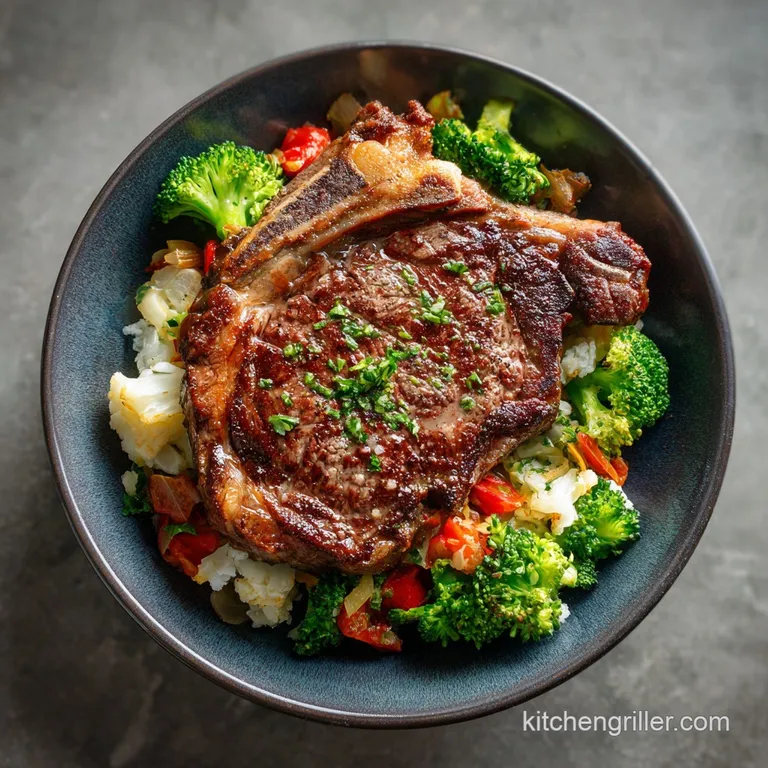
- Time: Active 10 minutes, Passive 45 minutes, Total 55 minutes
- Flavor/Texture Hook: Shatter crisp bark with a buttery, melt in-mouth interior
- Perfect for: High fat carnivore protocols and weekend precision cooking
- Achieving the Carnivore Diet Meal with Ribeye Steak
- The Science of Why This Succeeds
- Establishing Metrics for Success
- Selecting High Quality Chemical Components
- Necessary Laboratory Gear for Precision
- Executing the Precision Thermal Protocol
- Correcting Performance Failures and Errors
- Modifying Protocols for Dietary Needs
- Preservation Tactics and Resource Management
- Synergistic Pairings for Maximum Satiety
- Myths Regarding Steak Preparation
- Critical: Very High in Sodium
- Recipe FAQs
- 📝 Recipe Card
Achieving the Carnivore Diet Meal with Ribeye Steak
I still remember the smell of my first $40 ribeye burning in a stainless steel pan. I was impatient, the heat was too high, and the smoke alarm was screaming at me like a drill sergeant.
When I finally cut into it, the outside was charred black, but the center was nearly cold, and the fat was a rubbery, unrendered mess. It was a failure of physics, not just a bad dinner.
Since that day, I've turned my kitchen into a laboratory for the Carnivore Diet Meal with Ribeye Steak. I stopped treating steak like a quick weeknight task and started treating it like a thermal experiment. The secret isn't in a fancy rub or a secret sauce. It's in the patience of the reverse sear.
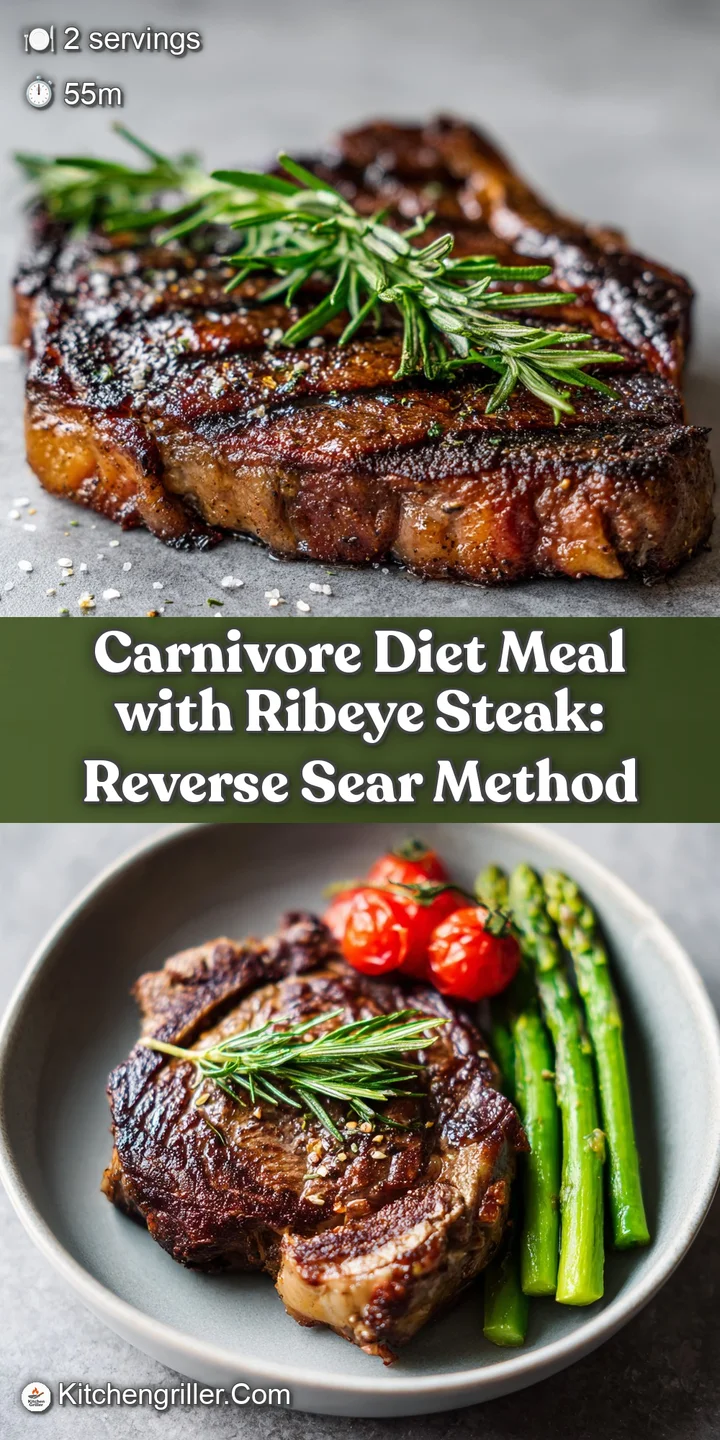
We are looking for a deep, mahogany bark and a fat cap that has been softened into something resembling bone marrow butter.
This method is for the pitmaster who values the science of the bark. We aren't just "cooking" meat; we are managing protein denaturation and surface dehydration. If you follow this protocol, you will never go back to the chaotic, over high heat pan only method again. Let's look at the data and get it right this time.
The Science of Why This Succeeds
Thermal Equilibrium: By starting the steak in a low temperature environment, we allow the internal temperature to rise slowly and evenly. This prevents the "bullseye" effect where the edges are overcooked while the center remains raw.
Surface Dehydration: The dry heat of the oven acts as a desiccant, removing moisture from the surface of the meat. Since water is the enemy of the Maillard reaction, a dry surface ensures a faster, more intense sear later on.
Enzymatic Tenderization: Keeping the meat in the "warm zone" (between 100°F and 120°F) for an extended period allows naturally occurring enzymes (cathepsins) to break down connective tissue before the heat denatures them.
Fat Polymerization: High smoke point fats like tallow allow us to hit the surface with massive thermal energy without the oil breaking down into acrid, bitter compounds.
| Thickness | Internal Pull Temp | Rest Time | Visual Cue |
|---|---|---|---|
| 1.5 inches | 115°F (46°C) | 10 minutes | Firm but yielding |
| 2.0 inches | 120°F (49°C) | 10 minutes | Slight bounce back |
| 2.5 inches | 125°F (52°C) | 15 minutes | Solid resistance |
Choosing the right thickness is the first step in your laboratory setup. A steak thinner than 1.5 inches will cook too quickly in the oven, losing the benefit of the slow thermal climb. For this protocol, the 2 inch cut is the gold standard for achieving that perfect Carnivore Diet Meal with Ribeye Steak.
Establishing Metrics for Success
The success of any laboratory experiment depends on the quality of the components. In the world of carnivore diet steak recipes, the ribeye is the king because of its intramuscular fat content.
Look for heavy marbling, specifically the "spinalis dorsi" or the ribeye cap, which is the most tender and flavorful muscle on the animal.
| Component | Science Role | Pro Secret |
|---|---|---|
| Ribeye Steak | Lipid to protein ratio | Choose a "longissimus" with a large fat core |
| Coarse Sea Salt | Denatures surface protein | Apply 24 hours early for deep brine |
| Beef Tallow | High smoke point (400°F+) | Sourced from kidney fat for neutral flavor |
| Grass Fed Butter | Basting surfactant | Add only in the final 30 seconds |
Selecting the best cuts of steak for carnivore diet requires looking beyond the price tag. You want a steak that looks like a topographical map of white fat lines. If the meat is a solid, lean red, it will likely turn out dry, regardless of your technique.
Selecting high-quality Chemical Components
This recipe relies on four critical elements. We aren't using spices or herbs because we want the authentic flavor of the beef to shine through.
- 1 lb (450g) Ribeye Steak (1.5 to 2 inches thick):Why this? The thickness allows for a controlled thermal gradient and superior internal moisture.
- 1 tbsp (15g) Coarse Sea Salt or Redmond Real Salt:Why this? Larger crystals provide better surface coverage and slower absorption for a better crust.
- 2 tbsp (30g) Beef Tallow or Ghee:Why this? These fats won't smoke or oxidize at the high temperatures required for searing.
- 1 tbsp (15g) Salted Grass Fed Butter:Why this? Butter contains milk solids that caramelize quickly, adding a nutty finish to the bark.
| Original Ingredient | Substitute | Why It Works |
|---|---|---|
| Beef Tallow | Ghee (Clarified Butter) | High smoke point. Note: Adds a slightly toasted, buttery aroma. |
| Ribeye Steak | New York Strip | Similar density. Note: Less fat, so reduce oven time by 5 mins. |
| Coarse Sea Salt | Kosher Salt | Similar crystal size. Note: Check volume; Kosher is less salty per tsp. |
If you are following a strict lion diet, omit the butter and stick exclusively to the tallow. The tallow provides a cleaner finish that highlights the minerals in the salt. For those doing ketovore meal prep, the butter adds a layer of richness that helps hit those high fat macros.
Necessary Laboratory Gear for Precision
To prevent structural failure of your steak, you need the right tools. A standard thin gauge frying pan will lose heat the moment the meat touches it, resulting in a grey, steamed surface rather than a sear.
I highly recommend a heavy cast iron skillet, such as a Lodge or Le Creuset. The thermal mass of cast iron acts like a battery, storing heat and releasing it evenly into the meat. You will also need a wire cooling rack set over a baking sheet.
This allows air to circulate around the entire steak in the oven, ensuring the bottom doesn't sit in its own moisture.
Finally, an instant read digital thermometer is non negotiable. Cooking by "feel" is for people who like gambling with expensive groceries. In our laboratory, we cook by the numbers. If you don't have a thermometer, you are essentially flying blind.
Executing the Precision Thermal Protocol
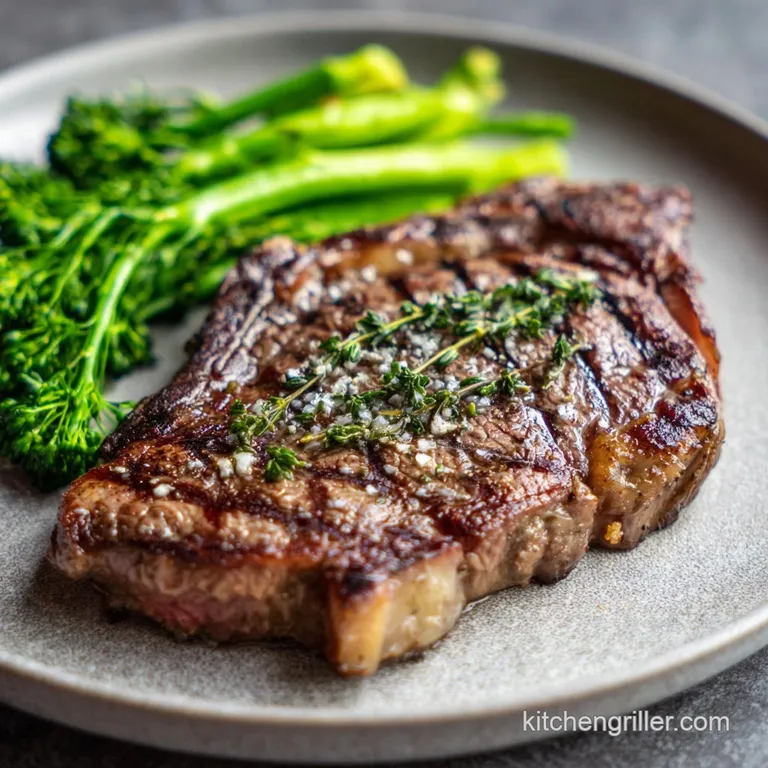
The Dry Brine Phase
- Pat the steak dry. Use paper towels to remove every trace of surface moisture from the 1 lb (450g) Ribeye.
- Apply the sea salt. Coat all sides of the steak, including the fat cap, with 1 tbsp (15g) Coarse Sea Salt.
- Refrigerate uncovered. Place the steak on a wire rack in the fridge for at least 2 hours, or up to 24 hours. Note: This allows the salt to penetrate the fibers and the surface to air dry.
Low and Slow Roasting
- Preheat the oven. Set your oven to 225°F (110°C). Precision is key here.
- Insert the probe. Place the steak (still on the rack) into the center of the oven.
- Monitor the temperature. Bake for approximately 40 to 45 minutes until the internal temperature hits 120°F (49°C).
- Rest the meat. Remove the steak and let it sit on a room temperature plate for 10 minutes. Note: This prevents the juices from rushing out during the sear.
The Final Hard Sear
- Heat the skillet. Place your cast iron pan over high heat until it starts to wisps of smoke appear.
- Add the tallow. Drop 2 tbsp (30g) Beef Tallow into the pan; it should shimmer and move like water.
- Sear with intent. Place the steak in the pan. Press down lightly with a spatula. Cook for 60 seconds per side until a mahogany bark forms.
- The butter finish. Add 1 tbsp (15g) Salted Grass Fed Butter in the last 30 seconds, tilting the pan to spoon the foaming fat over the steak. Listen for the aggressive sizzle as the milk solids brown.
| Method | Temperature | Total Time | Texture |
|---|---|---|---|
| Reverse Sear | 225°F (110°C) | 55 minutes | Edge to edge pink, dry bark |
| Traditional Pan Sear | 450°F (230°C) | 12 minutes | Large grey band, wet crust |
Correcting Performance Failures and Errors
The Dreaded Grey Band
The "grey band" is a layer of overcooked meat just beneath the crust. This happens when the pan isn't hot enough, forcing you to leave the steak in the heat too long to get a sear. It can also happen if you skip the resting period between the oven and the pan.
To fix this, ensure your cast iron is screaming hot before the steak touches it.
Tough and Unrendered Fat
If the large kernel of fat in the center of your ribeye is still white and firm, the steak didn't spend enough time in the over low heat environment. Ribeye fat needs time to soften. This is why we avoid "fast" methods.
If you encounter this, try propping the steak up on its side in the pan to sear the fat cap directly for 30 seconds.
| Problem | Root Cause | Solution |
|---|---|---|
| Soft, wet crust | Surface moisture | Pat dry and use a wire rack in the oven |
| Center is too rare | Pulled too early | Use a calibrated digital thermometer |
| Smoke in kitchen | Low smoke point oil | Switch to Beef Tallow or Ghee only |
Common Mistakes Checklist
- ✓ Never sear a cold steak; let it sit at room temp for 30 minutes if you didn't dry brine.
- ✓ Avoid using "extra virgin olive oil" as it burns at 375°F and ruins the flavor.
- ✓ Don't overcrowd the pan; if making two steaks, use two pans or work in batches.
- ✓ Always cut against the grain to shorten the muscle fibers for maximum tenderness.
- ✓ Use a wire rack for the oven phase to prevent the "soggy bottom" syndrome.
Modifying Protocols for Dietary Needs
For those on the "Lion Diet," this Carnivore Diet Meal with Ribeye Steak is already compliant as long as you use tallow and salt. But what about the ketovore crowd? You can easily transform this into a more diverse meal by adding a side of buttery eggs or even a small portion of fermented vegetables if your protocol allows.
If you are looking for a leaner option, you can apply this exact same reverse sear technique to a New York Strip. However, keep in mind that the "Caveman Diet" usually prioritizes higher fat for fuel. If you go leaner, you might need to increase the butter basting at the end to keep your satiety levels high. This technique also works beautifully for a Grilled Flank Steak recipe, though you'll need to watch the internal temp closely as it's a much thinner cut.
Preservation Tactics and Resource Management
Storage: Store any leftover ribeye in an airtight glass container in the fridge for up to 4 days. Do not use plastic if possible, as the fats can pick up odors. For long term storage, you can freeze the cooked steak for up to 2 months, though the texture of the crust will be lost.
Zero Waste: Never toss the rendered fat left in the pan. This is "liquid gold." Filter it through a fine mesh sieve and keep it in a jar in the fridge. It's essentially seasoned tallow that you can use to sear your next meal. If you have the bone, save it in a freezer bag.
Once you have three or four bones, you can simmer them for 24 hours to create a nutrient dense bone broth.
Reheating: To reheat without turning the meat into rubber, use the "low and slow" method again. Place the steak in a 250°F (120°C) oven for 10-15 minutes until just warm.
Avoid the microwave at all costs; it vibrates the water molecules and toughens the protein structures.
Synergistic Pairings for Maximum Satiety
While a ribeye is a complete meal on its own, adding a few "carnivore legal" sides can improve the experience. A couple of over easy eggs cooked in the leftover tallow provide a beautiful sauce for the meat. The runny yolks act as a natural, creamy accompaniment that pairs perfectly with the saltiness of the steak.
If you are prepping for a trip, consider making extra. Cold steak slices are a fantastic high protein snack. For another portable option, you might look into a make-ahead Camping recipe which uses similar beef heavy principles but is designed for the rugged outdoors.
Myths Regarding Steak Preparation
Searing seals in the juices. This is one of the oldest lies in the kitchen laboratory. Searing actually causes moisture loss due to the intense heat. We sear for the flavor of the Maillard reaction, not for moisture retention. Moisture is retained by slow cooking and proper resting.
Salt draws out moisture and makes the steak dry. While salt does draw out moisture initially through osmosis, if you wait at least 45 minutes, that moisture is reabsorbed into the meat, bringing the salt with it.
This seasons the steak from the inside out and actually helps the proteins hold onto water during cooking.
You should only flip a steak once. Science shows that flipping a steak every 30-60 seconds during the searing phase actually results in a more even cook and a faster crust development.
However, with the reverse sear method, the meat is already mostly cooked, so we only flip once to minimize the time spent in the over high heat pan.
Critical: Very High in Sodium
2150 mg mg of sodium per serving (93% of daily value)
The American Heart Association recommends limiting sodium intake to about 2,300mg per day for overall cardiovascular health.
Tips to Reduce Sodium in Your Ribeye Steak Recipe
-
Reduce Sea Salt-25%
Instead of 1 tbsp of coarse sea salt, reduce the amount to 1/2 tbsp or less. This simple change can significantly decrease sodium intake from the primary source. Consider salting after cooking to need less salt.
-
Unsalted Butter-20%
Substitute the salted grass fed butter with unsalted butter. This eliminates a considerable amount of added sodium, especially since butter is used generously in the recipe. Remember that butter is often salted to preserve it, and unsalted options can be fresher.
-
Choose Quality Beef-10%
Ensure you are using high-quality ribeye steak. Some lower quality cuts may be injected with sodium solutions to enhance flavor and moisture. Higher quality beef is less likely to require this enhancement.
-
Flavor with Herbs
Enhance the flavor of the steak with fresh or dried herbs like thyme, rosemary, or garlic powder. These alternatives add depth without increasing sodium. Experiment with different combinations to find your favorites.
Recipe FAQs
Is a reverse sear necessary for the Carnivore Diet ribeye?
Yes, it is highly recommended. The slow, low-temperature cooking prevents the common grey band, ensuring edge-to-edge pink perfection and superior fat rendering.
What is the critical internal temperature to pull the ribeye from the oven?
Pull at 120°F (49°C) for a 2 inch steak. This temperature allows the steak to reach your desired medium rare/medium finish after resting and searing.
Should I rest the steak before the final high heat sear?
Yes, rest for 10 minutes after the initial oven phase. This pause allows the internal temperature to stabilize and prevents excessive juice loss when the steak hits the scorching hot pan.
What fat should I use for achieving the mahogany crust?
Use Beef Tallow or Ghee for the primary sear. These fats have a high smoke point, preventing the oil from oxidizing and creating bitter, acrid compounds during the high heat phase.
How long should the high heat sear phase last for a 2 inch steak?
Sear for 60 seconds per side. This quick blast of heat develops the Maillard reaction crust without raising the internal temperature significantly past the target.
Is it true that salting the steak immediately before searing is best for the reverse sear?
No, this is a common misconception; dry brine ahead of time. Applying coarse salt 2 to 24 hours before cooking allows the salt to penetrate deeply, season the meat, and dry the surface for a superior crust.
How should I adjust this protocol for a thinner steak, under 1.5 inches?
Reduce the oven time significantly, about 15 to 20 minutes. Thinner steaks climb temperature too fast, losing the advantage of the slow thermal gradient, so watch the thermometer closely.
Ribeye Carnivore Reverse Sear
Ingredients:
Instructions:
Nutrition Facts:
| Calories | 849 kcal |
|---|---|
| Protein | 43.1 g |
| Fat | 75.5 g |
| Carbs | 0 g |
| Fiber | 0 g |
| Sugar | 0 g |
| Sodium | 2150 mg |
