Smoked Meatloaf Recipe with Bbq Glaze
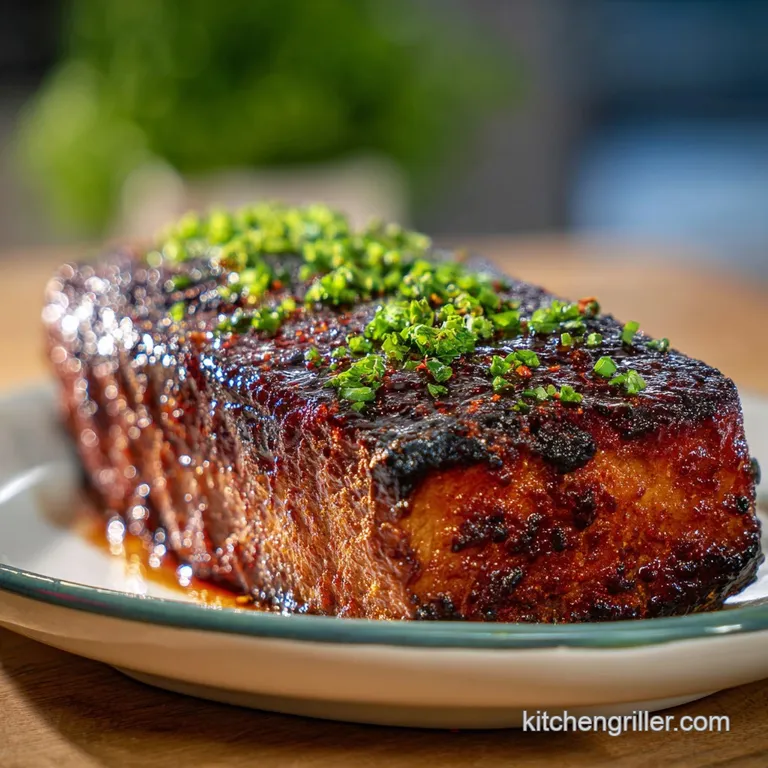
- Time: Active 20 minutes, Passive 2 hours 30 mins, Total 2 hours 50 mins
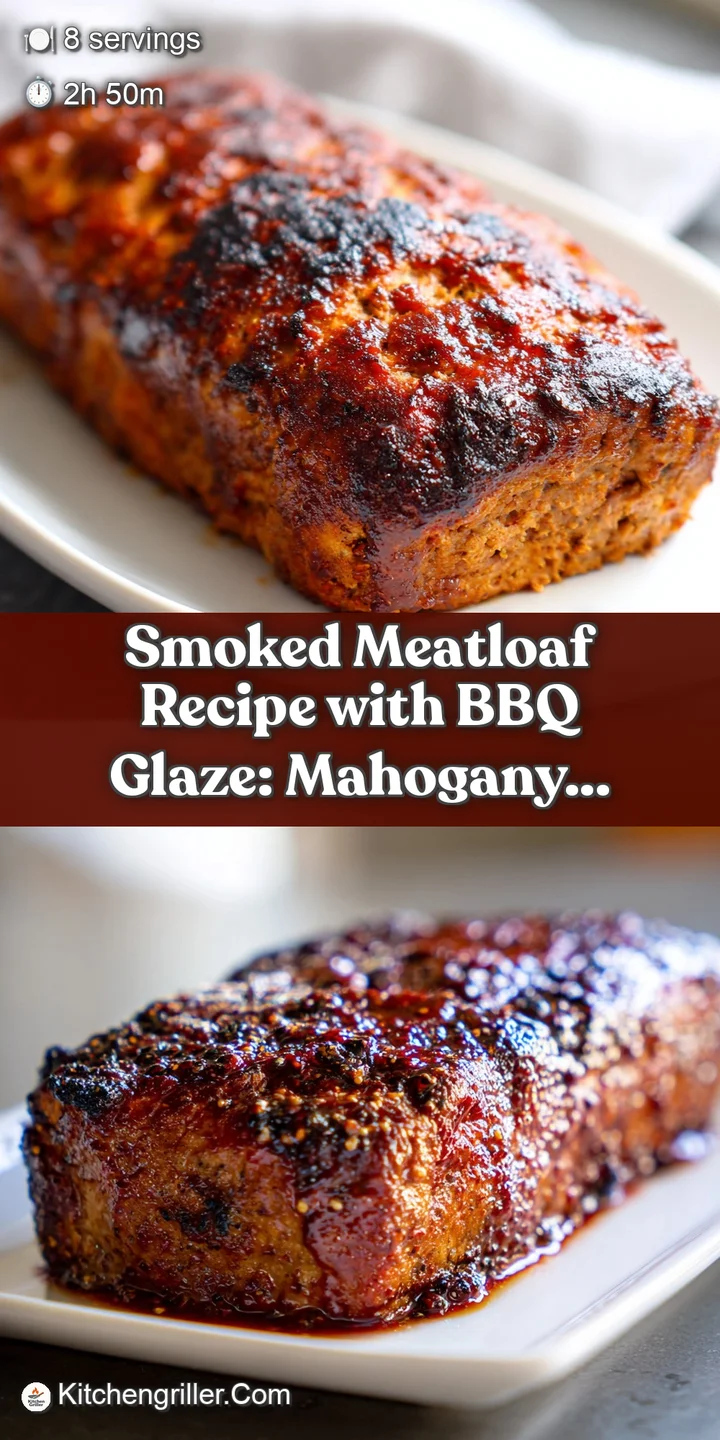
- Flavor/Texture Hook: Velvety interior with a tacky, caramelized mahogany bark
- Perfect for: Backyard pitmasters looking to redefine Sunday dinner
- The Science of Creating a Smoked Meatloaf Recipe with BBQ Glaze
- The Aromatic Transformation of Low and Slow Wood Fired Beef
- Why This Scientific Ratio Creates the Most Succulent Texture
- Component Analysis: The Ingredient Deep Dive
- Precision Parameters for the Perfect Smoked Meatloaf Results
- Essential Tools for Maintaining a Consistent Smoked Temperature
- Step-by-Step Technical Execution for Developing the Perfect Bark
- Analyzing Common Texture Faults and Precision Corrective Measures
- Creative Variations for Customizing Your Smoked Meatloaf Profiles
- Long-Term Preservation Strategies and Zero Waste Culinary Tips
- Optimal Flavor Pairings to Complement Your Mahogany BBQ Glaze
- Debunking Smoke and Meat Myths
- HIGH in Sodium
- Recipe FAQs
- 📝 Recipe Card
The Science of Creating a Smoked Meatloaf Recipe with BBQ Glaze
Imagine the thick, sweet aroma of hickory wood swirling around your patio as the sun begins to dip. There is a specific, Pavlovian response that happens when that first puff of blue smoke hits your nostrils.
I remember the first time I attempted this; I was skeptical that a meatloaf could actually hold up to the intensity of a smoker without becoming a dry, crumbly mess. But then I saw it the way the edges began to darken into a rich mahogany, and the BBQ glaze started to "set" into a tacky, glass like finish.
The moment I sliced into it, I realized I’d never go back to the oven again. It wasn't just "dinner"; it was a culinary experiment that finally yielded the perfect result. The interior was impossibly juicy, protected by a gentle smoke ring that signaled a job well done.
It’s the kind of meal that makes your neighbors peek over the fence, wondering why their kitchen doesn't smell like a professional smokehouse. We are moving far beyond the "grey brick" meatloaf of the past and into the laboratory of real BBQ.
The Aromatic Transformation of Low and Slow Wood Fired Beef
The beauty of this recipe lies in the patience required to let the smoke do the heavy lifting. When we talk about a smoked meatloaf recipe with bbq glaze, we are talking about a delicate balance of moisture management and heat absorption.
Unlike a traditional oven that relies on dry, stagnant air, the smoker provides a convection like environment where the moving air helps develop a complex exterior crust, known in the BBQ world as the "bark."
This isn't a meal you rush. It’s a process of watching the internal temperature climb steadily while the sugars in the glaze undergo a slow caramelization. You'll see the texture shift from soft and pliable to firm and resilient.
By the time it hits your plate, the flavor profile has transitioned from simple ground beef to a sophisticated blend of savory, sweet, and smoky notes. Trust me, once you experience that first shatter of the exterior glaze followed by the tender, smoky middle, you'll understand why the smoker is the only tool for the job.
Why This Scientific Ratio Creates the Most Succulent Texture
The Thermodynamics of the Smoke Ring: The pink ring occurs when nitrogen dioxide from the wood smoke reacts with myoglobin in the meat, preventing it from turning grey.
By keeping the meat cold before it hits the smoker, we maximize the time this reaction can take place before the proteins denature at 140°F.
The Emulsification of Fat and Binders: Using an 80/20 beef to fat ratio alongside ground pork creates a self basting environment within the loaf. The panko breadcrumbs act as microscopic sponges, trapping the rendered fat and juices so they don't leak out onto the smoker grates.
The Maillard Reaction in Glazes: The honey and BBQ sauce contain reducing sugars that, when exposed to 225°F heat for 2 hours 30 mins, create hundreds of new flavor compounds.
This isn't just "sauce"; it's a chemical transformation that produces a complex, savory sweetness you cannot achieve through over high heat cooking.
| Thickness | Internal Temp | Rest Time | Visual Cue |
|---|---|---|---|
| 2 Inches | 160°F | 15 minutes | Glaze is tacky and dark mahogany |
| 3 Inches | 160°F | 20 minutes | Meat is firm but yields slightly |
| 4 Inches | 160°F | 25 minutes | Clear juices run from the center |
When you are aiming for precision in your backyard pit, these checkpoints are your roadmap. Many people pull their meatloaf too early because the exterior looks dark, but the center is where the safety and texture live. Using a reliable probe thermometer is the difference between a masterpiece and a mistake. If you're running a full pit today, this meatloaf shares the grate beautifully with a Smoked Pork Butt recipe.
Component Analysis: The Ingredient Deep Dive
Understanding the "why" behind your ingredients allows you to manipulate the final outcome with surgical precision. We aren't just tossing things in a bowl; we are building a structural matrix that must withstand several hours of heat.
| Ingredient | Science Role | Pro Secret |
|---|---|---|
| 80/20 Ground Beef | Primary protein and fat source | Keep it chilled to prevent fat smear |
| Ground Pork | Softens the texture and adds fat | Provides a "silky" mouthfeel vs beef alone |
| Panko Breadcrumbs | Structural binder and moisture trap | Absorbs 3x its weight in liquid |
| Worcestershire Sauce | Provides umami and enzymatic tenderization | Deepens the "meatiness" of the beef |
Using 1 lb Ground Beef (80/20 lean to fat ratio) ensures the meatloaf doesn't dry out during the long smoke. The fat renders slowly, keeping the interior lubricated. Meanwhile, the 1 lb Ground Pork introduces a different protein structure that prevents the loaf from becoming too dense or "rubbery," which can happen with all beef versions.
For a faster appetizer while the loaf smokes, I often toss on some Smoked Chicken Wings recipe. It keeps the crowd happy while the main event finishes its low and slow journey.
Precision Parameters for the Perfect Smoked Meatloaf Results
Right then, let's look at the elements we need to assemble. Precision is king here. If your ratios are off, the loaf will either crumble when sliced or feel like a dense sponge. We want that middle ground firm enough to hold its shape, but tender enough to melt away.
- 1 lb Ground Beef (80/20): Essential for the fat content. Why this? The fat keeps the meat moist during the 2 hours 30 mins smoke.
- Substitute: Ground Turkey (but add 1 tbsp olive oil to compensate for low-fat).
- 1 lb Ground Pork: Adds flavor complexity. Why this? Pork has a lower melting point for fat, adding silkiness.
- Substitute: Ground Veal for a traditional "meatloaf mix" vibe.
- 1 medium yellow onion: Finely diced. Why this? Provides moisture and aromatic sweetness as it renders.
- Substitute: White onion or shallots for a sharper bite.
- 3 cloves garlic: Minced. Why this? Essential for depth of flavor.
- Substitute: 1 tsp garlic powder in a pinch.
- 1 cup Panko breadcrumbs: The binder. Why this? Larger surface area than standard crumbs for better absorption.
- Substitute: Crushed saltine crackers for a nostalgic saltiness.
- 2 large eggs: Beaten. Why this? The "glue" that holds the protein matrix together.
- Substitute: 1/4 cup plain yogurt (adds tang and moisture).
- 2 tbsp Worcestershire sauce: The umami bomb. Why this? Fermented anchovy base heightens the savory beef notes.
- Substitute: Soy sauce or liquid aminos.
- 1.5 cups BBQ sauce: The base of your glaze. Why this? High sugar content is needed for caramelization.
- Substitute: Ketchup mixed with brown sugar and liquid smoke.
- Spices (Smoked Paprika, Salt, Pepper, Cayenne): The seasoning. Why this? Paprika reinforces the smoky theme from the inside out.
Chef Tip: Freeze your butter for 10 minutes and grate it into the meat mixture if you are using leaner meat. Those tiny pockets of butter will create "juice reservoirs" that prevent a dry loaf.
Essential Tools for Maintaining a Consistent Smoked Temperature
While you can technically do this in an oven, a "smoked meatloaf recipe with bbq glaze" truly requires a smoker to reach its full potential. You need consistent airflow and precise temperature control.
I personally use a pellet grill like a Traeger or Pit Boss because they hold a steady 225°F without much fuss.
You will also need a solid mixing bowl nothing beats a large stainless steel one for keeping the meat cool. A perforated grill pan or a simple wire cooling rack set inside a rimmed baking sheet is the "secret" piece of equipment here.
It allows the smoke to circulate under the meatloaf, ensuring you don't end up with a soggy bottom. Finally, an instant read thermometer is non negotiable. We are aiming for an internal temperature of exactly 160°F for peak safety and texture.
step-by-step Technical Execution for Developing the Perfect Bark
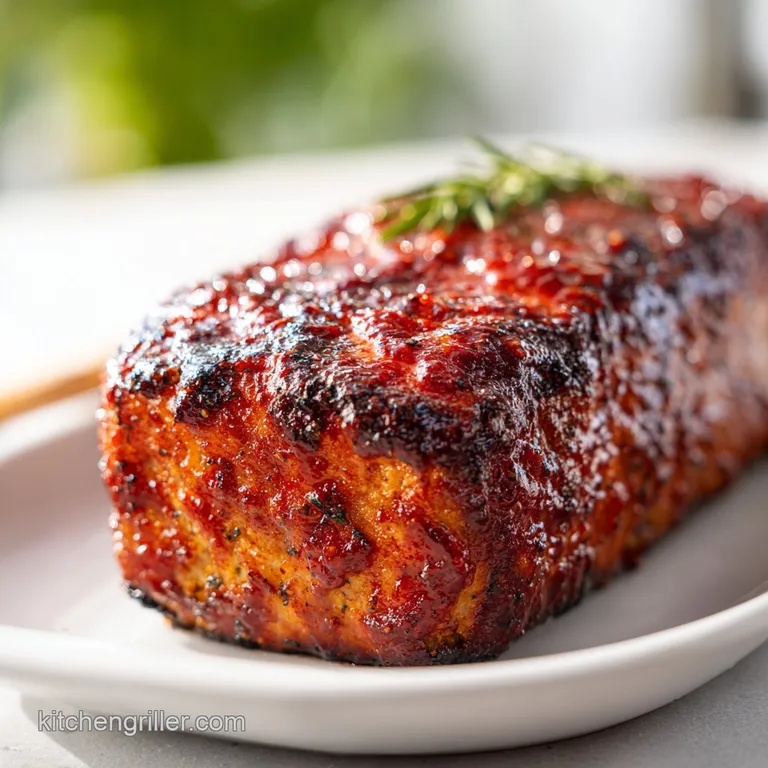
- Prep the smoker. Heat your unit to 225°F using hickory or oak pellets. Note: These woods provide a classic, heavy smoke profile that stands up to beef.
- Sauté the aromatics. Cook the diced yellow onion and minced garlic in a pan until translucent and fragrant. Let them cool completely before adding to the meat to prevent premature cooking of the eggs.
- Combine the proteins. In a large bowl, gently mix the 1 lb Ground Beef and 1 lb Ground Pork. Note: Overworking the meat will result in a tough, rubbery texture; use a "folding" motion.
- Incorporate binders. Add the beaten eggs, 1 cup Panko breadcrumbs, 2 tbsp Worcestershire, 1 tbsp smoked paprika, 1 tsp salt, 1 tsp pepper, and 0.5 tsp cayenne.
- Shape the loaf. Form the mixture into a rectangular loaf approximately 4 inches wide and 2 inches thick. Place it on a wire rack until smooth and uniform.
- The first smoke phase. Place the rack directly on the smoker grates. Smoke for 1 hour 30 mins until the exterior is dry and slightly browned.
- Whisk the glaze. Mix 1.5 cups BBQ sauce, 2 tbsp apple cider vinegar, 1 tbsp Dijon mustard, and 2 tbsp honey in a small bowl.
- Apply the first coat. Generously brush the glaze over the top and sides of the meatloaf. Note: This creates the first layer of the mahogany bark.
- The final finish. Continue smoking for another 1 hour until the internal temperature reaches 160°F. Apply a second layer of glaze in the last 15 minutes for a glossy finish.
- The critical rest. Remove from the smoker and let it sit for 15 minutes. Wait until the juices redistribute before slicing with a serrated knife.
Analyzing Common Texture Faults and Precision Corrective Measures
One of the most frustrating things is spending 3 hours on a smoke only to have the loaf fall apart the second the knife touches it. This usually comes down to one of two things: lack of binder or cutting it too hot. When the meat is hot, the fats are still liquid.
As it rests, those fats solidify slightly, acting like a mortar between the "bricks" of meat.
Why Your Meatloaf Is Crumbly
If your slices look like loose ground beef, you likely didn't have enough "glue" or you overworked the meat until the proteins broke down too much. Using the 2 egg ratio for 2 lbs of meat is scientifically balanced to provide enough structure without making the loaf feel like a bouncy ball.
| Problem | Root Cause | Solution |
|---|---|---|
| Loaf is falling apart | Insufficient binding or no rest | Add 1/4 cup more Panko and rest for 20 mins |
| Exterior is too salty | Rub was too heavy or sauce is too thin | Use low sodium broth in the mix and thicken the glaze |
| No smoke flavor | Temperature was too high, too fast | Keep smoker at 225°F; use heavier wood like Mesquite |
Meatloaf is forgiving, but it demands respect for the process. If you notice the loaf is "sweating" too much fat early on, your smoker might be running hot. Dial it back. The goal is a slow render, not a fast fry.
Common Mistakes Checklist:
- ✓ Mixing the meat while it's at room temperature (this smears the fat).
- ✓ Skipping the sauté step for onions (crunchy raw onions ruin the mouthfeel).
- ✓ Using a loaf pan in the smoker (it prevents smoke from touching the sides).
- ✓ Slicing immediately after pulling it off the heat (all the juice will run out).
- ✓ Forgetting to check the internal temp in the thickest part of the loaf.
Creative Variations for Customizing Your Smoked Meatloaf Profiles
If you want to move into "Cowboy" territory, swap the Panko for crushed corn chips and add a finely diced jalapeño to the mix. The smoky heat from the grill pairs exceptionally well with the corn flavor. You can also wrap the entire loaf in a bacon weave before smoking.
This adds a layer of pork fat protection and, let's be honest, everything is better with a bacon lattice.
For an easy smoked meatloaf recipe that leans toward the low carb side, you can replace the Panko with crushed pork rinds. They provide the same structural support and fat absorption but with zero grams of carbohydrates.
Just be careful with the BBQ sauce look for a sugar-free version or make a vinegar based mop sauce to keep the "Easy Smoked Meatloaf Recipe (Low Carb)" status intact.
| Method | Time | Texture | Best For |
|---|---|---|---|
| Standard Smoker | 2 hours 30 mins | Classic Bark | Traditional BBQ lovers |
| Bacon Wrapped | 3 hours | Extra Juicy | Special occasions / Meat lovers |
| Mini Loaves | 1 hour 15 mins | Maximum Glaze | Quick meals / Meal prep |
Long Term Preservation Strategies and Zero Waste Culinary Tips
Leftover smoked meatloaf is arguably better the next day. The smoke flavor permeates the meat even more as it sits in the fridge. It stays fresh for up to 4 days if kept in an airtight container. If you find yourself with too much, this recipe freezes beautifully.
I recommend slicing it first, wrapping individual slices in plastic wrap, and then placing them in a freezer bag for up to 3 months.
For a zero waste approach, don't throw away the "end pieces" that might be a bit drier. Crumble them up and use them as a "Smoky Bolognese" base for pasta, or fry them in a pan with eggs for the best breakfast hash of your life. The rendered fat left on the smoking rack?
If you're using a pan underneath, save those drippings. They are liquid gold for making a smoky gravy to pour over mashed potatoes.
Optimal Flavor Pairings to Complement Your Mahogany BBQ Glaze
When serving this, you want sides that can cut through the richness of the beef and pork. A sharp, vinegar based coleslaw is the perfect scientific foil to the sweet BBQ glaze. The acidity resets your palate between every smoky bite.
I also love serving this alongside smoked mac and cheese; the creamy cheese sauce provides a velvety contrast to the tacky bark of the meatloaf.
If you’re looking for a vegetable, grilled asparagus or charred Brussels sprouts with a bit of lemon zest work wonders. The bitterness of the char on the greens highlights the sweetness of the honey in the glaze. Honestly, a simple piece of toasted sourdough also does the trick just use it to mop up any stray glaze and meat juices on the plate. This dish is about the "Science of Comfort," and every element on the plate should serve that goal. This approach is very similar to the flavor balancing found in a well executed 2 1 Ribs recipe.
Debunking Smoke and Meat Myths
There is a common misconception that meatloaf will just fall through the grates if not cooked in a pan. In reality, once the proteins begin to cook and the eggs set, the loaf becomes quite structurally sound. Using a wire rack is just for ease of transport; the meat itself is perfectly capable of sitting on the grates.
Another myth is that you need to soak your wood chips for "more smoke." In a laboratory setting, we know that wet wood actually lowers the combustion temperature and creates "dirty" white smoke (creosote), which tastes like bitter ash.
Stick to dry wood or high-quality pellets for that "thin blue smoke" that provides a clean, authentic flavor. Searing the meat beforehand doesn't "seal in juices" either it just adds flavor through the Maillard reaction.
In this recipe, we let the smoker handle the crust building over 2 hours 30 mins, which is much more effective.
HIGH in Sodium
1085 mg mg of sodium per serving (47% % of daily value)
The American Heart Association recommends limiting sodium intake to about 2,300mg per day.
Tips to Reduce Sodium in Your BBQ Meatloaf
-
Reduce Added Salt-25%
Eliminate the 1 tsp of kosher salt entirely. The Worcestershire sauce and BBQ sauce already contribute a significant amount of sodium. Taste and adjust other spices as needed. By eliminating added salt, you can reduce sodium significantly.
-
Low-Sodium Worcestershire-20%
Use a low-sodium Worcestershire sauce. This simple swap can significantly decrease the sodium content without sacrificing flavor.
-
Choose Leaner Meats-15%
Select leaner ground beef (e.g., 90/10) and ground pork with a lower fat content. The lower fat content will result in less rendered fat during cooking and can indirectly reduce the need for added salt.
-
Homemade BBQ Sauce-15%
Prepare your own BBQ sauce using a low-sodium recipe. Control the sodium content by using fresh ingredients and limiting the amount of salt or using sodium free seasonings.
-
Boost Flavor with Spices
Enhance the flavor with sodium free herbs and spices like garlic powder, onion powder, smoked paprika, black pepper, or other dried herbs.
Recipe FAQs
When to glaze smoked meatloaf?
After the first smoke phase. Apply the first coat of BBQ glaze once the exterior of the meatloaf has set, usually after about 1 hour 30 minutes at 225°F, to allow the smoke flavor to fully penetrate first.
What's a good glaze to put on top of meatloaf?
A blend of sweet, tangy, and acidic ingredients works best. I recommend mixing your favorite thick BBQ sauce with apple cider vinegar and a touch of Dijon mustard to balance the sweetness against the smoke.
Can you use barbecue sauce in a smoker?
Yes, but timing is crucial. Apply the sauce in the last 30 to 45 minutes of cooking; earlier application risks scorching the sugars before the meat reaches its safe internal temperature.
How long does it take to smoke a meatloaf at 250 degrees?
Expect roughly 2 to 2.5 hours for a standard 2 inch thick loaf. The critical indicator is reaching an internal temperature of 160°F in the center, regardless of the clock.
Will a meatloaf loaf collapse if I don't use a pan in the smoker?
No, it should hold its structure if mixed correctly. As long as you use appropriate binders like eggs and panko, the protein matrix sets firmly enough to sit on a wire rack for better smoke circulation underneath.
How do I ensure the smoked meatloaf stays juicy instead of drying out?
Maintain a consistent low temperature and use the right fat ratio. Aim for 80/20 ground beef and ensure you let the meat rest for at least 15 minutes after pulling it to allow the internal juices to redistribute throughout the loaf.
What side dish complements the heavy smoke and sweet glaze best?
Something sharp and creamy balances the richness perfectly. I often pair this with a homemade Smoked Mac and recipe, as the dairy cuts through the heavy BBQ flavor.
Smoked Meatloaf With Bbq Glaze
Ingredients:
Instructions:
Nutrition Facts:
| Calories | 452 kcal |
|---|---|
| Protein | 23.4 g |
| Fat | 21.8 g |
| Carbs | 33.5 g |
| Fiber | 1.2 g |
| Sugar | 23.1 g |
| Sodium | 1085 mg |
