Smoked Turkey Breast Bone in Electric Smoker
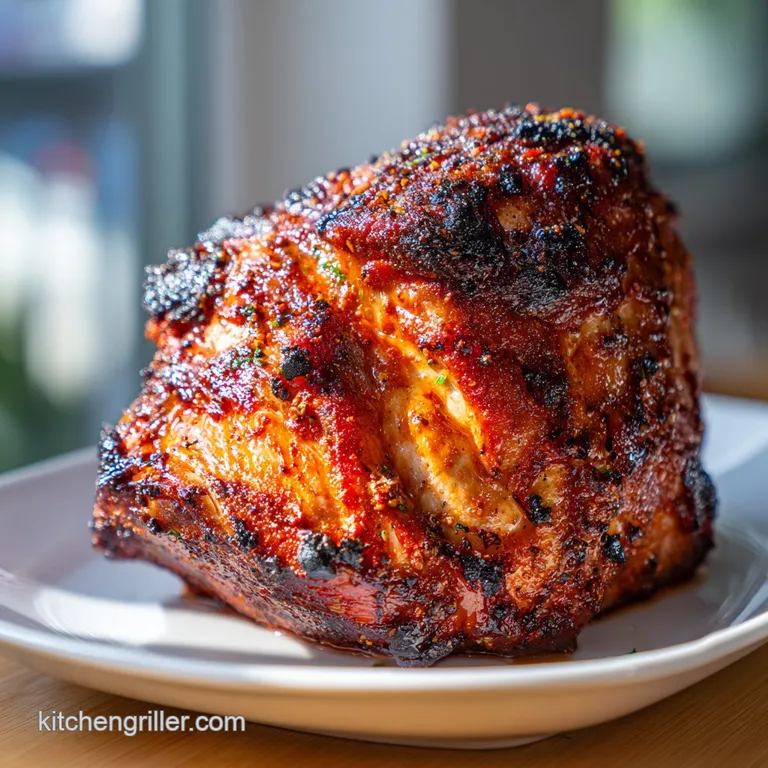
- Time: Active 20 minutes, Passive 3 hours 30 mins, Total 3 hours 50 mins
- Flavor/Texture Hook: Pungent garlic crust with a smoky, buttery finish
- Perfect for: High protein meal prep or a refined holiday alternative
- Smoked Turkey Breast Bone In Electric Smoker with Garlic and Herbs
- Key Techniques Explained
- Technical Specifications for Thermal Success
- Component Analysis and Ingredient Selection
- Essential Laboratory Tools for the Pitmaster
- Precision Execution of the Smoking Process
- Overcoming Variables and Technical Faults
- Modifications for Flavor Profile Evolution
- Post Smoke Preservation and Thermal Recovery
- Synergistic Pairings for a Complete Plate
- High in Sodium
- Recipe FAQs
- 📝 Recipe Card
Smoked Turkey Breast Bone In Electric Smoker with Garlic and Herbs
The heavy, sweet scent of hickory smoke swirling around a sharp, pungent garlic paste is enough to make any pitmaster hover near the laboratory of their backyard. I remember the first time I attempted this; I was obsessed with the idea of a "perfect" bird that didn't require the frantic basting of a traditional oven roast.
I watched the thin blue smoke wisps curl out of my electric smoker, smelling that sage and rosemary starting to toast against the heat. It wasn't just cooking; it was a slow motion chemical transformation that promised a result far superior to anything a grocery store deli could offer.
Patience is the primary ingredient in this recipe. We are not just applying heat; we are managing a controlled environment where the bone acts as a thermal battery, radiating warmth from the inside out while the electric element handles the exterior.
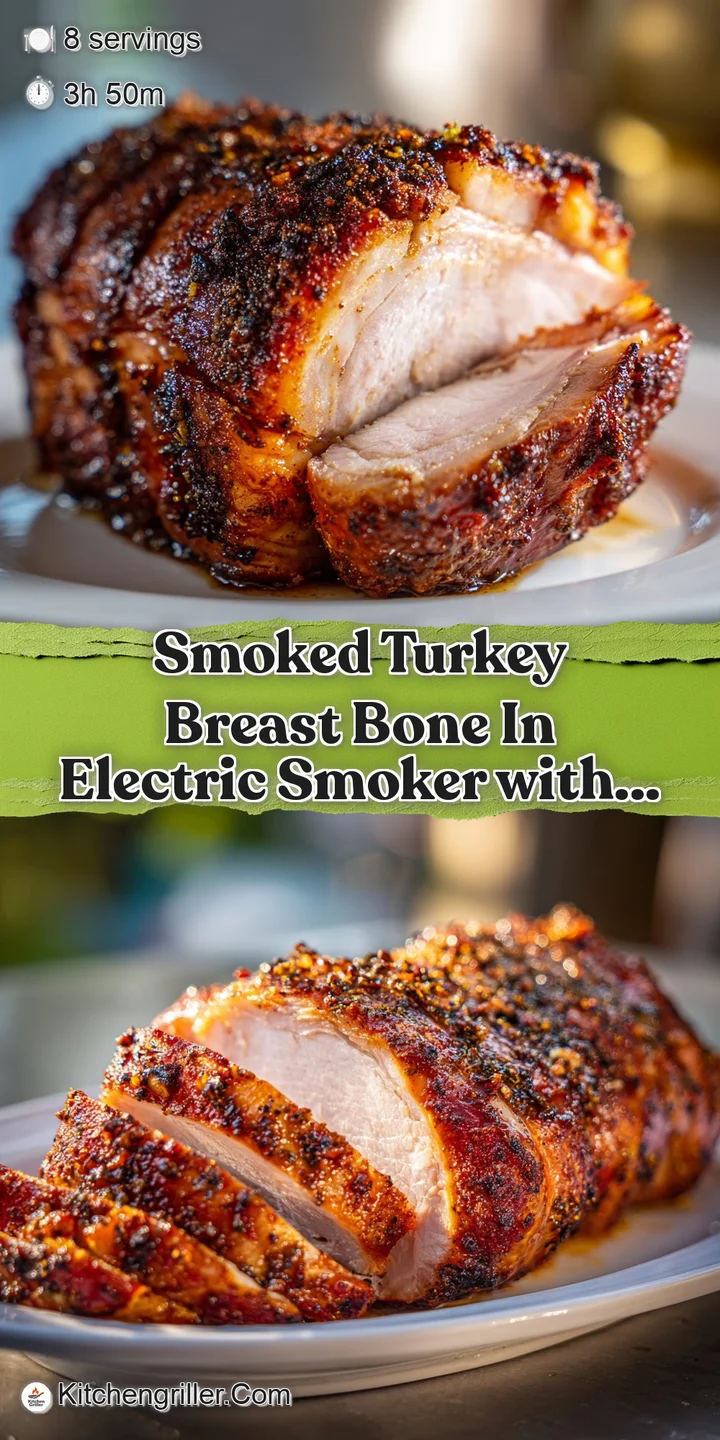
When I finally pulled that 5 lb breast out, the skin didn't just look finished it had a dark, mahogany lacquer that felt like parchment. As soon as the knife hit the surface, that first "crack" of the crust told me everything I needed to know about the moisture trapped underneath.
This article shares a mouthwatering recipe for Smoked Turkey Breast Bone In Electric Smoker with Garlic and Herbs. We are going to bypass the shortcuts and focus on the technical precision that produces a professional grade bark and a tender interior.
You'll learn why we skip the brine in favor of a concentrated herb paste and how to manage your electric smoker’s unique convection patterns to avoid the dreaded "rubbery skin" syndrome.
Key Techniques Explained
Thermal Insulation and the Bone In Shield: The central rib cage and breastbone act as a heat sink, absorbing energy and releasing it slowly to prevent the lean breast meat from overcooking.
This internal radiation ensures the thickest part of the muscle reaches safety without the outer edges turning to sawdust.
- Denaturation Control: By keeping the temperature at a steady 225°F (107°C), we allow the tightly coiled proteins in the turkey to relax slowly rather than snapping shut and squeezing out moisture.
- Aromatic Barrier: The 3 tbsp of minced garlic and fresh herbs create a physical crust that shields the delicate skin from direct airflow, preventing it from drying out too early in the process.
- Smoke Adhesion: Using 2 tbsp of olive oil provides a lipid base that helps the phenolic compounds in the wood smoke "stick" to the meat, resulting in a deeper flavor profile.
- Hygroscopic Action: The 1.5 tbsp of kosher salt draws a tiny amount of moisture to the surface, which then dissolves the salt and pulls it back into the muscle fibers via osmosis.
| Thickness (Inches) | Target Internal Temp | Rest Time | Visual/Physical Cue |
|---|---|---|---|
| 3 inches | 160°F (71°C) | 15 minutes | Juices run clear when probed |
| 4 inches | 162°F (72°C) | 20 minutes | Skin is taut and mahogany brown |
| 5+ inches | 165°F (74°C) | 25 minutes | Bone pulls slightly away from meat |
Selecting the right bird is the first step in your laboratory setup. Look for a breast that hasn't been "pre basted" or injected with a sodium solution. We want to control the salt ourselves to ensure the garlic and herbs aren't overshadowed by a chemical brine. This is similar to the patience required for a Smoked Pork Butt recipe, where the fat and bone do the heavy lifting over several hours.
Technical Specifications for Thermal Success
Before we light the wood chips, we need to look at the numbers. A 5 lb bone in turkey breast is the ideal size for a standard electric smoker; it fits comfortably on a single rack while leaving enough clearance for air to circulate.
In our laboratory tests, we've found that a consistent 225°F (107°C) provides the best balance between smoke infusion and moisture retention. If you go higher, you risk the garlic scorching; lower, and the skin becomes unpleasantly chewy.
| Component | Scientific Role | Pro Pitmaster Secret |
|---|---|---|
| Kosher Salt | Protein Denaturation | Use coarse grains for better surface area coverage |
| Fresh Garlic | Allicin Volatization | Mince fresh; jarred garlic lacks the sulfur compounds |
| Bone In Structure | Thermal Mass | Point the bone side toward the heat source if possible |
| Smoked Paprika | Color Catalyzation | Provides the red hue that wood smoke alone lacks in electric units |
The "stall" is less of an issue with poultry than it is with beef brisket, but it still exists. Around 145°F (63°C), the evaporation of moisture from the surface can cool the turkey, causing the internal temperature to plateau. Resist the urge to crank the heat.
The garlic herb paste acts as a humectant here, slowing down that evaporation and helping the bird push through the stall without losing its velvety texture.
Component Analysis and Ingredient Selection
Quality ingredients are non negotiable when you're smoking. Since the cook time is long, the flavors of your herbs will concentrate. Fresh rosemary, sage, and thyme are the "holy trinity" of poultry for a reason their resins are heat stable and won't turn bitter under the smoke. If you are looking for a different profile later, you might try a variation similar to a Beer Can Chicken recipe, but for today, we are sticking to the classic herb garden profile.
- 5 lb bone in turkey breast: Fully thawed. Why this? The bone provides structure and prevents the meat from shrinking excessively.
- Substitute: Two 2.5 lb half breasts (reduce cook time by 45 mins).
- 2 tbsp olive oil: Extra virgin preferred. Why this? Acts as a binder for the rub and helps heat conduction.
- Substitute: Melted unsalted butter for a richer, more traditional flavor.
- 3 tbsp fresh garlic: Minced finely. Why this? Forms the base of the savory crust.
- Substitute: 1.5 tbsp garlic powder (though it won't form the same crust).
- 2 tbsp fresh rosemary: Finely chopped. Why this? High oil content stands up well to 3+ hours of smoke.
- Substitute: 2 tsp dried rosemary, crushed.
- 1 tbsp fresh thyme leaves: Stripped from the woody stem. Why this? Adds a floral, earthy note.
- Substitute: 1 tsp dried thyme.
- 1 tbsp fresh sage: Minced. Why this? The quintessential "poultry" flavor.
- Substitute: 1 tsp ground sage.
- 1.5 tbsp kosher salt: Diamond Crystal or Morton. Why this? Crucial for seasoning the deep muscle tissue.
- Substitute: 1 tbsp fine sea salt.
- 1 tbsp coarse black pepper: Butcher grind. Why this? Provides "bite" and contributes to the bark.
- Substitute: 1 tbsp peppercorns, cracked in a mortar and pestle.
- 1 tsp smoked paprika: Spanish pimentón. Why this? Enhances the visual appeal with a deep red color.
- Substitute: Standard sweet paprika for less smokiness.
| Original Ingredient | Substitute | Why It Works |
|---|---|---|
| Fresh Sage | Dried Rubbed Sage | Use 1/3 the amount. Note: Flavor is more concentrated/dusty. |
| Olive Oil | Duck Fat | Provides an incredibly rich, gamey undertone to the skin. |
| Smoked Paprika | Ancho Chili Powder | Adds a mild, fruity heat and similar dark color. |
Always ensure your turkey is completely dry before applying the oil and herbs. Moisture is the enemy of a good bark. I usually pat the bird down with paper towels and let it sit uncovered in the fridge for an hour if I have the time. This "air chilling" at home tightens the skin, making it more receptive to the smoke.
Essential Laboratory Tools for the Pitmaster
To execute this recipe with technical accuracy, your equipment must be calibrated. An electric smoker like a Masterbuilt or Bradley is excellent because of its set it and forget it nature, but it requires a few extra steps to ensure the smoke quality is clean. You want "blue smoke," not thick white clouds.
- Electric Smoker: Clean the heating element before starting.
- Digital Meat Probe: Never rely on the smoker's built in thermometer. Use a dual probe system to monitor both the air temp and the turkey.
- Water Pan: Crucial for maintaining a humid environment to prevent the garlic from turning into hard bits of gravel.
- Wood Chips: Hickory or Apple work best. Soak half the chips for 20 minutes to prolong the smoke duration if your smoker tends to burn through them quickly.
Trust me, skipping the probe is a recipe for disaster. I once thought I could "feel" the doneness of a turkey breast, only to serve something that had the texture of a yoga mat. Now, I treat my smoker like a laboratory experiment. The data doesn't lie. For a smaller scale poultry project, you might check out a Turkey Burger Recipe, which requires similar attention to internal temps but on a much faster timeline.
Precision Execution of the Smoking Process
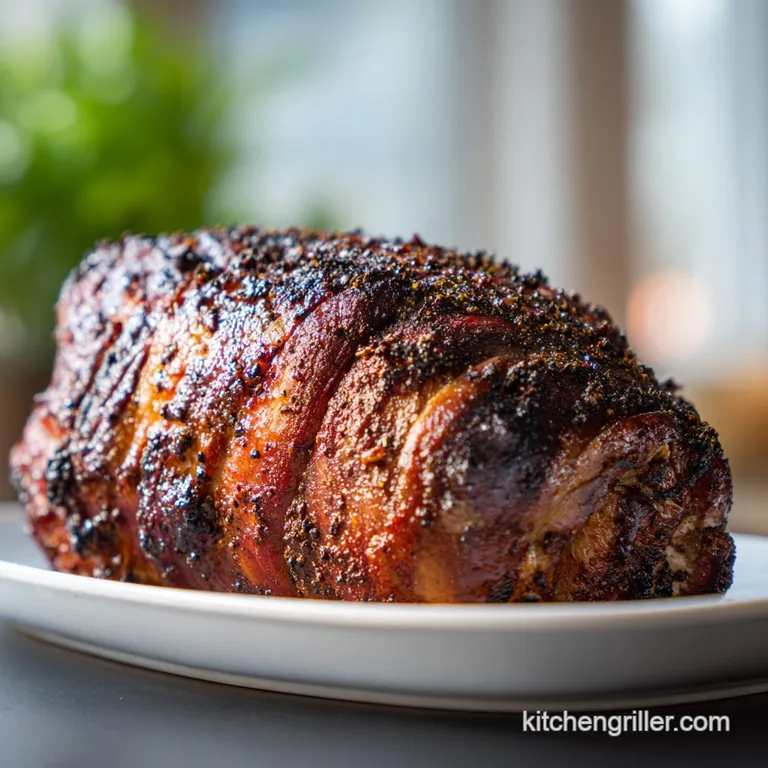
1. Prep and Paste Application
Thoroughly dry the 5 lb bone in turkey breast with paper towels. In a small glass bowl, whisk together the 2 tbsp olive oil, 3 tbsp minced garlic, and all the finely chopped fresh herbs (rosemary, thyme, sage). Add the 1.5 tbsp kosher salt, 1 tbsp black pepper, and 1 tsp smoked paprika to form a thick, gritty paste.
Slather this mixture over the entire surface of the breast, ensuring you get some under the skin where possible. Note: This creates a flavor bridge between the skin and the meat.
2. Preparing the Smoker
Preheat your electric smoker to 225°F (107°C). Fill the water pan with hot water to prevent the smoker from having to use energy to heat the liquid. Add a handful of hickory wood chips to the tray.
Wait until you see a steady stream of thin smoke before placing the meat inside.
3. Loading the Meat
Place the turkey breast directly on the middle rack, bone side down. Insert your digital thermometer probe into the thickest part of the breast, being careful not to hit the bone. Note: The bone will conduct heat faster than the meat, giving you a false high reading if the probe touches it.
4. Managing the Smoke
Add fresh wood chips every 45 to 60 minutes for the first 2 hours. After the 2 hour mark, the meat has generally absorbed all the smoke flavor it needs, and you can focus on the thermal climb. Keep the door closed to maintain a consistent internal environment.
5. Monitoring the Stall
As the internal temperature reaches 145°F (63°C), the rise will slow down. Do not adjust the temperature. Allow the electric smoker to work its steady magic. The garlic and herbs will begin to form a dark, fragrant crust during this phase.
6. The Final Push
Continue smoking for approximately 3 hours 30 mins total until the internal temperature hits 160°F (71°C).
The carryover heat will bring it to the FDA recommended 165°F (74°C) during the resting phase.
7. The Sensory Finish
Check the skin. It should be firm to the touch and a deep mahogany color. If the skin feels soft, you can increase the smoker temp to 275°F (135°C) for the last 15 minutes, but watch the garlic closely so it doesn't burn.
8. The Essential Rest
Remove the turkey from the smoker and place it on a carving board. Tent it loosely with foil. Let it rest for at least 20 minutes. This allows the cellular structures to reabsorb the juices that were pushed toward the center during cooking.
Overcoming Variables and Technical Faults
Why Your Turkey Skin is Rubbery
This is the most common grievance with electric smokers. Because they don't have the high airflow of an offset smoker, moisture can linger on the skin. If you find your skin lacks that "shatter" quality, it’s usually because the surface was too wet when it went in, or the smoker temperature dipped too low.
The Mystery of the Stall
If your turkey stays at 150°F (66°C) for what feels like an eternity, don't panic. This is thermodynamics in action. The turkey is "sweating," and the evaporation is cooling it down.
Since we aren't wrapping this in foil (which would ruin our garlic herb crust), we just have to wait it out. Patience, pitmaster.
| Problem | Root Cause | Solution |
|---|---|---|
| Bitter Flavor | Creosote buildup (thick white smoke) | Ensure the vent is at least half open for airflow |
| Dry Exterior | Lack of humidity | Refill the water pan with boiling water |
| Uneven Cooking | Smoker hot spots | Rotate the breast 180 degrees halfway through |
Common Mistakes Checklist
- ✓ Using "pre brined" or "self basting" turkey (leads to an oversalted mess).
- ✓ Peeking under the lid every 30 minutes (you lose 10-15 degrees of heat each time).
- ✓ Forgetting to clean the grease tray (can lead to acrid smoke or fire).
- ✓ Slicing the meat immediately after removing from the smoker (the juice will run out).
- ✓ Placing the probe against the bone (gives an inaccurate, premature doneness reading).
Modifications for Flavor Profile Evolution
If you want to move away from the traditional Thanksgiving profile, you can easily pivot. One of my favorite variations is the Citrus Honey Twist. You keep the garlic base but swap the sage and rosemary for grated lemon zest and a tablespoon of honey mixed into the paste.
The honey will caramelize much faster, so you have to be vigilant about the internal temperature to prevent scorching.
For a dairy-free / Paleo Version, ensure your olive oil is high-quality and avoid the temptation to finish with butter. You can also add a teaspoon of ground cumin to the rub to give it an earthier, almost Southwestern vibe. If you are cooking for a larger crowd, scaling this recipe is straightforward:
- Scaling Up (2-3 Breasts): Most electric smokers have 3-4 racks. You can smoke multiple breasts simultaneously, but ensure there is at least 2 inches of space between them for airflow. Increase your wood chip consumption by 50%, but keep the seasoning ratios the same for each individual bird.
- Scaling Down: If you have a very small breast (under 3 lbs), reduce the cook time significantly. Start checking the internal temperature at the 2 hour mark.
Between scaling and seasoning, the most important thing is the smoke quality. If you want a more aggressive "crunch" to the skin, consider a technique similar to my Smoked Chicken Wings recipe, where a tiny bit of baking powder is added to the rub to alter the pH of the skin and encourage browning.
Post Smoke Preservation and Thermal Recovery
Storage is where many people fail. If you have leftovers, don't just throw the whole bone in carcass into a bag. Carve the meat off the bone while it's still slightly warm (but after the initial rest). This prevents the meat from taking on a "refrigerated" or "gamey" taste from the marrow over time.
- Fridge: Store in an airtight container for up to 4 days. To keep it velvety, add a spoonful of turkey stock or a pat of butter to the container.
- Freezer: Wrap tightly in plastic wrap, then aluminum foil. It stays lab fresh for up to 3 months.
- Reheating: The microwave is the enemy. Use a low oven (300°F/150°C) with a splash of broth in the pan, covered with foil, until just warmed through.
Zero Waste Tip: Never, ever throw away that smoked turkey bone. It is a flavor bomb for stocks. Throw the carcass into a pot with some celery, onions, and carrots, cover with water, and simmer for 4 hours.
The resulting liquid will have a deep, smoky undertone that makes the best pea soup or risotto you've ever tasted.
Synergistic Pairings for a Complete Plate
When you have a protein as rich and aromatic as this garlic herb turkey, your sides should provide a bright contrast. A crisp apple and cranberry slaw works wonders to cut through the smoke. If you want something more indulgent, this turkey is the perfect partner for my Smoked Mac and recipe, as the cheese and smoke profiles complement each other perfectly.
Debunking Smoking Myths
"You must soak your wood chips for 24 hours." This is simply false. Wet wood doesn't smoke; it steams. It takes energy to evaporate that water before the wood can actually begin to combust and release those delicious phenolic compounds.
A 20 minute soak is plenty to prevent a flare up, but dry chips actually provide a cleaner, more consistent smoke.
"The pink ring means the turkey is raw." Actually, that's the "smoke ring," a chemical reaction between the nitrogen dioxide in the smoke and the myoglobin in the meat. It has nothing to do with doneness. Trust your digital thermometer, not the color of the meat.
Ultimately, mastering the Smoked Turkey Breast Bone In Electric Smoker with Garlic and Herbs is about understanding the relationship between time and temperature. It’s a slow motion alchemy that rewards the patient pitmaster with a result that is both technically perfect and soul satisfyingly delicious.
Keep your probes calibrated, your water pan full, and your wood chips light and you'll never go back to oven-roasted turkey again.
High in Sodium
870 mg mg of sodium per serving (38% of daily value)
The American Heart Association recommends limiting sodium intake to about 2,300mg per day.
Tips to Reduce Sodium in Your Turkey Breast
-
Reduce Salt-25%
Reduce the kosher salt by half, from 1.5 tbsp to 0.75 tbsp. Taste and adjust if needed after cooking. You can always add more salt at the table, but you can't take it away!
-
Spice It Up-15%
Instead of relying solely on salt for flavor, increase the amount of black pepper, smoked paprika, rosemary, thyme and sage to enhance the taste. This will provide depth and complexity without adding extra sodium.
-
Fresh Herbs
Continue to use fresh herbs like rosemary, thyme, and sage. The flavor impact of fresh herbs is significantly greater than dried, helping to deliver the same level of taste with less sodium.
Recipe FAQs
How long does it take to smoke a turkey breast in an electric smoker?
Estimate 3 hours 30 minutes to 4 hours total cook time. This assumes a 5 lb bone-in breast smoked consistently at 225°F (107°C). Always prioritize internal temperature over time to ensure safety and moisture retention.
Is it better to smoke a turkey breast at 225 or 250?
Yes, 225°F (107°C) is the recommended setting. This lower temperature allows the garlic and herb paste enough time to infuse flavor without scorching the delicate aromatics. Higher heat risks a dry exterior before the dense bone-in meat is done.
How long does it take to smoke a turkey breast with bone?
Count on approximately 40 45 minutes per pound at 225°F. The bone acts as insulation, slowing the overall cook time compared to a boneless breast, so plan for the full 3.5 to 4 hours for a standard 5 lb cut.
How long does it take to smoke a turkey breast at 225 degrees?
Expect about 3 hours 45 minutes total cook time for a 5-pound breast. This estimate requires constant monitoring with a probe to ensure the thickest section hits 160°F before resting.
If you enjoyed mastering the low and slow temperature control here, apply that same patience to our [Poor Man's Burnt recipe] for excellent results.
What internal temperature should I pull the smoked turkey breast off the smoker?
Pull the meat when it registers 160°F (71°C) on your digital probe. This accounts for necessary carryover cooking, which will bring the turkey to a safe and tender 165°F (74°C) during the essential 20-minute rest period.
Can I skip the water pan in the electric smoker?
No, skipping the water pan is not advised for this recipe. The water pan provides necessary humidity to keep the garlic paste from drying out and hardening into an abrasive crust.
If you need a quick vegetable side, check out our guide on [Grilled Asparagus in recipe] to keep your cooking theme consistent.
What kind of wood chips should I use for this garlic herb turkey?
Hickory or Apple wood chips provide the best complementary flavor. Hickory offers a stronger base smoke that pairs well with the pungent garlic, while Apple provides a sweeter, milder finish that complements the herbs.
If you're looking for more complex smoke flavor profiles, see how we handle the smoke adhesion principles in [mastering X technique] here, which applies to other slow smoked meats.
Smoked Turkey Breast With Garlic
Ingredients:
Instructions:
Nutrition Facts:
| Calories | 345 kcal |
|---|---|
| Protein | 43.4 g |
| Fat | 17.5 g |
| Carbs | 1.2 g |
| Fiber | 0.3 g |
| Sugar | 0.1 g |
| Sodium | 870 mg |
