Homemade Black Bean Burger Recipe with Garlic No Mush
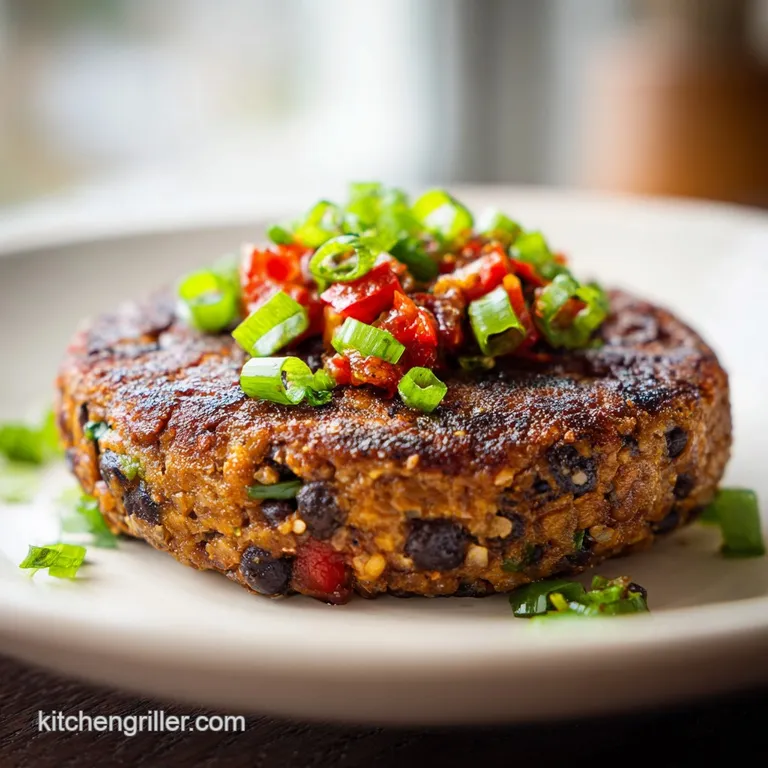
- Time: Active 15 minutes, Passive 15 minutes, Total 30 minutes
- Flavor/Texture Hook: Smoky, garlic heavy, and shatter crisp
- Perfect for: Urban weeknight dinners or sophisticated indoor entertaining
- Mastering Homemade Black Bean Burger Recipe with Garlic No Mush
- Why This Veggie Patty Succeeds
- Strategic Component Analysis
- The Essential Shopping List
- Kitchen Tools You'll Need
- Step-by-Step Cooking Guide
- Solving Common Texture Issues
- Flavor and Texture Variations
- Storing and Freezing Guidelines
- Garnish and Color Strategy
- Debunking Bean Burger Myths
- High in Sodium
- Recipe FAQs
- 📝 Recipe Card
Mastering Homemade Black Bean Burger Recipe with Garlic No Mush
The first time I tried making a bean burger in my tiny city apartment, it was a disaster. I followed a random recipe that promised "meaty" results, but what I got was a purple, squishy paste that oozed out the sides of the brioche the second I took a bite. It was demoralizing, honestly.
I ended up eating the bun and throwing the bean mush away, wondering if a decent veggie burger was even possible without a lab and a chemistry degree.
That failure sent me on a mission to find the fix. I realized the enemy isn't the bean itself it's the water trapped inside. By roasting the beans until they literally pop, we change the architecture of the patty. This homemade black bean burger recipe with garlic no mush is the result of those messy trials.
It's a complete meal that feels sophisticated enough for a Saturday night but is easy enough for a Tuesday.
We aren't just mashing things in a bowl and hoping for the best here. We're building a structural masterpiece. The garlic provides a sharp, aromatic backbone, while the feta adds tiny pockets of creamy saltiness that contrast with the smoky paprika.
You’ll get that satisfying sizzle in the pan and a crust that actually stands up to a topping of avocado or pickled onions. Let's get into how we make this happen.
Why This Veggie Patty Succeeds
Bean Dehydration: Roasting the beans at 350°F (180°C) for 15 minutes removes internal moisture, preventing that dreaded "mashed potato" texture.
Panko Matrix: These jagged breadcrumbs act like tiny sponges, soaking up any remaining liquid while providing structural scaffolding.
Allium Intensity: Using four whole cloves of garlic creates a bold flavor profile that mimics the depth usually found in beef.
Feta Binding: Crumbled feta doesn't just add salt; it creates melty "glue" points throughout the patty as it hits the heat.
| Method | Time | Texture | Best For |
|---|---|---|---|
| Cast Iron | 10 minutes | Maximum crust | Urban kitchens |
| Sheet Pan | 15 minutes | Even browning | Large batches |
| Air Fryer | 8 minutes | Ultra crisp edge | Quick lunch |
Choosing the right cooking method depends on how much of a "crust" you want. If you’re like me and crave that browned, savory exterior, the cast iron skillet is your best friend. It provides a consistent, over high heat surface that allows the Maillard reaction to work its magic on the bean skins.
Strategic Component Analysis
| Ingredient | Science Role | Pro Secret |
|---|---|---|
| Black Beans | Protein & Bulk | Roast until skins crack to ensure a meaty bite. |
| Large Egg | Protein Binder | Whisk until frothy before adding to distribute evenly. |
| Panko | Structural Filler | Use Panko over fine crumbs for a lighter, airier texture. |
| Garlic | Flavor Catalyst | Mince by hand for potent, textured bursts of flavor. |
The Essential Shopping List
- Black Beans (2 cans, 15 oz each): The foundation of our burger. Why this? Canned beans are convenient and roast up beautifully for texture. (Substitute: 3 cups cooked dry beans)
- Large Egg (1): Our primary binder. Why this? Provides the necessary protein structure to prevent crumbling. (Substitute: Flax egg for vegan version)
- Garlic (4 cloves): The aromatic heart. Why this? Delivers a punchy, fresh contrast to the earthy beans. (Substitute: 1 tbsp garlic paste)
- Yellow Onion (1/2): For sweetness. Why this? Adds moisture without making the patty soggy. (Substitute: Red onion)
- Green Bell Pepper (1/2): For crunch. Why this? Provides a fresh, vegetal note to balance the smoke. (Substitute: Poblano pepper)
- Cumin & Smoked Paprika (1 tsp each): The spice duo. Why this? Cumin adds earthiness; paprika adds a backyard style smokiness. (Substitute: Chipotle powder)
- Worcestershire Sauce (1 tbsp): Umami boost. Why this? Deepens the flavor profile significantly. (Substitute: Soy sauce)
- Panko Breadcrumbs (1/2 cup): The texture builder. Why this? Keeps the interior light and avoids a dense, leaden patty. (Substitute: Crushed crackers)
- Feta Cheese (1/2 cup): The flavor pop. Why this? Adds creamy, salty hits in every bite. (Substitute: Goat cheese or vegan feta)
Kitchen Tools You'll Need
You don't need a backyard grill to make a world class burger. In fact, I prefer the control of an indoor kitchen. You’ll need a standard baking sheet for the bean drying phase this is the non negotiable step. A heavy bottomed skillet, preferably cast iron, is essential for achieving that velvety interior and crispy shell. Similar to the sear you'd want on a Classic Smash Burger recipe, heat retention is key here.
Grab a large mixing bowl and a sturdy fork or a potato masher. Avoid using a food processor if you can; it's too easy to turn your carefully dried beans into a puree. A manual mash allows you to keep some beans whole, which is a secret trick for a better mouthfeel.
Finally, a flat spatula will help you flip the patties without them breaking apart.
step-by-step Cooking Guide
- Roast beans. Spread the 2 cans of rinsed, dried black beans on a parchment lined tray and bake at 350°F (180°C) for 15 minutes. Note: This dries them out so they don't turn into mush.
- Sauté aromatics. Heat 1 tbsp olive oil and cook the onion, bell pepper, and 4 cloves of minced garlic until soft and fragrant.
- Whisk binder. In a small bowl, beat the 1 egg with 1 tbsp Worcestershire sauce and spices. Note: Mixing liquids first ensures even flavor distribution.
- Mash beans. Transfer roasted beans to a bowl and mash with a fork until mostly broken but still chunky.
- Combine base. Fold the sautéed vegetables and the egg mixture into the mashed beans.
- Add texture. Stir in 1/2 cup Panko and 1/2 cup feta cheese. Note: The Panko will begin to hydrate and stiffen the mix.
- Shape patties. Divide the mixture into 4 equal portions and press into firm, 1 inch thick discs.
- Sear crust. Heat a skillet over medium high and cook patties for 5 minutes per side until deeply browned and firm.
- Rest briefly. Let the patties sit for 2 minutes before serving. Note: This helps the proteins set so the burger doesn't fall apart.
- Assemble burger. Place on a toasted bun with your favorite vibrant toppings.
Solving Common Texture Issues
Why Your Patty Crumbles
If your burger falls apart the moment it hits the pan, the mix is likely too dry or the binder wasn't distributed well. This usually happens if the beans were over roasted or the egg was too small. You want the texture to feel like damp sand it should hold its shape when squeezed in your palm.
Why Your Center Is Soft
Even with roasting, sometimes the center can feel a bit soft. This is usually due to the patties being too thick or the heat being too high, which sears the outside before the inside can set. If you're struggling with this, try making thinner patties or finishing them in a 350°F (180°C) oven for 5 minutes after searing. It's a similar approach to how we handle the density in a Baked Beans with recipe to ensure even cooking.
| Problem | Root Cause | Solution |
|---|---|---|
| Falling apart | Too much moisture or weak binder | Add 2 tbsp more Panko and let the mix chill for 10 minutes. |
| Burnt outside | Heat is too high | Lower heat to medium and use a splash more oil for even contact. |
| Bland flavor | Under seasoning the beans | Taste the bean mix (before adding raw egg) and adjust salt/spices. |
Common Mistakes Checklist
- ✓ Rinsing beans but not drying them with a towel before roasting.
- ✓ Over processing the mix into a smooth paste (keep it chunky!).
- ✓ Skipping the 15 minute roasting step (this is the "no mush" secret).
- ✓ Flipping the burgers too early before a crust has formed.
- ✓ Using "cold" beans instead of letting them cool slightly after roasting.
Flavor and Texture Variations
Dehydrating for Meaty Texture
If you want an even firmer bite, extend the roasting time of the beans to 20 minutes. They will look a bit shriveled and some might even pop like popcorn. This creates a fiber rich, dense texture that mimics ground beef remarkably well.
It's the ultimate hack for anyone who hates the "softness" of traditional veggie burgers.
Going Plant Based
To make this vegan, swap the egg for a "flax egg" (1 tbsp ground flaxseed mixed with 3 tbsp water, let sit for 5 minutes). Use a vegan Worcestershire sauce and skip the feta or use a plant based almond based feta. The texture will be slightly softer, but the flavor remains incredibly vibrant and fresh.
Precision Checkpoints
- Bean Weight: Ensure you have roughly 400g of beans after roasting for the perfect ratio.
- Pan Temp: The skillet should reach 375°F (190°C) before the first patty touches the surface.
- Internal Set: The center should reach an internal temperature of 160°F (71°C) to ensure the egg is fully cooked and the binder is set.
Chef's Tip: For an extra layer of flavor, freeze your block of feta for 10 minutes before crumbling. This keeps the cheese in distinct "pebbles" that won't melt into the bean mash, giving you beautiful white pops of color in the finished burger.
Storing and Freezing Guidelines
Storage: These burgers keep beautifully in the fridge for up to 4 days. Store them in an airtight container with pieces of parchment paper between the patties to prevent sticking. When you're ready to eat, skip the microwave it makes them soggy.
Instead, reheat them in a dry skillet over medium heat for 3 minutes per side to revive that shatter crisp crust.
Freezing: This is a meal prepper's dream. Flash freeze the raw, shaped patties on a baking sheet for 2 hours, then transfer them to a freezer bag. They’ll stay fresh for up to 3 months. You can actually cook them straight from frozen!
Just add an extra 2 minutes per side to the cooking time.
Zero Waste: Don't toss the liquid from the bean cans (aquafaba). You can whisk it into a vegan mayo or use it as a binder for other recipes. If you have leftover onion or pepper scraps, dice them finely and toss them into a Greek Pasta Salad recipe for a quick lunch the next day.
Garnish and Color Strategy
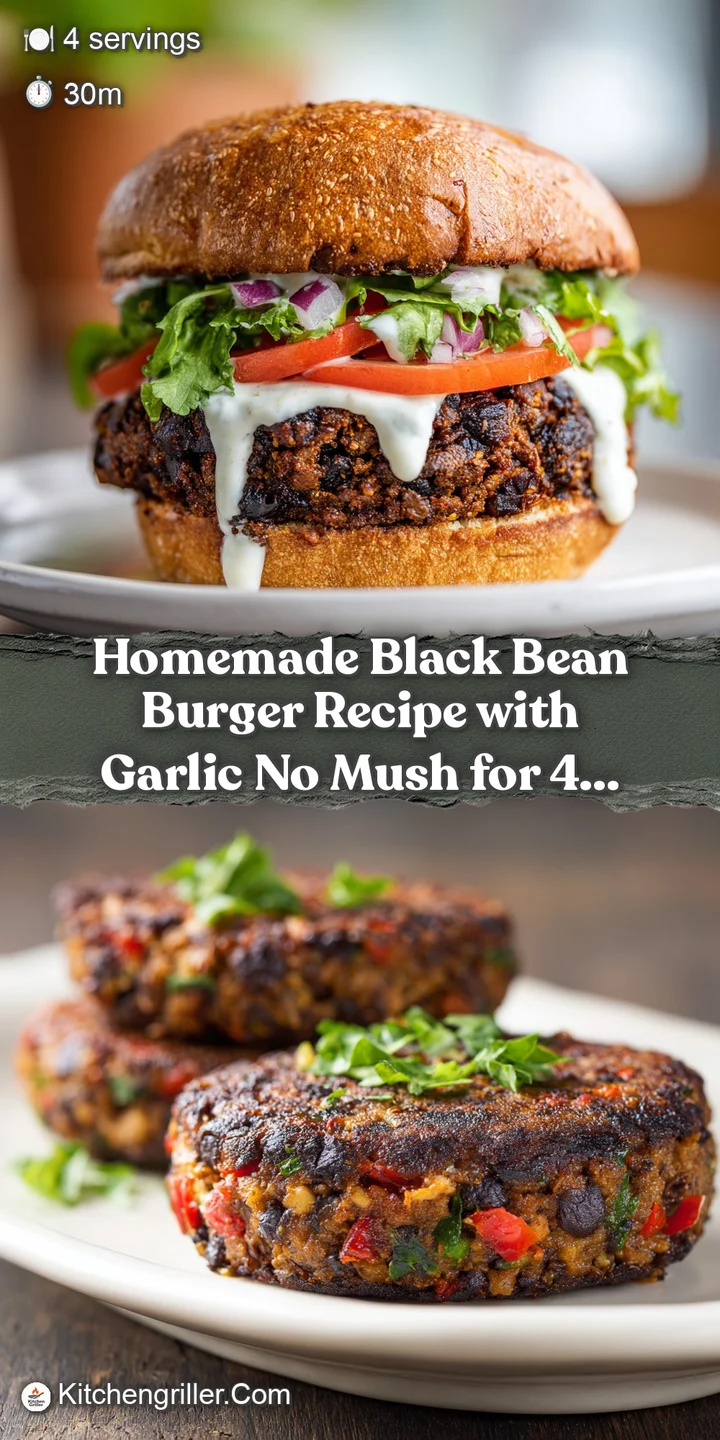
To make these look as good as they taste, focus on color balance. A dark bean patty needs bright, acidic contrast to pop visually and flavor wise. I like to follow a "three point" color rule for garnishing.
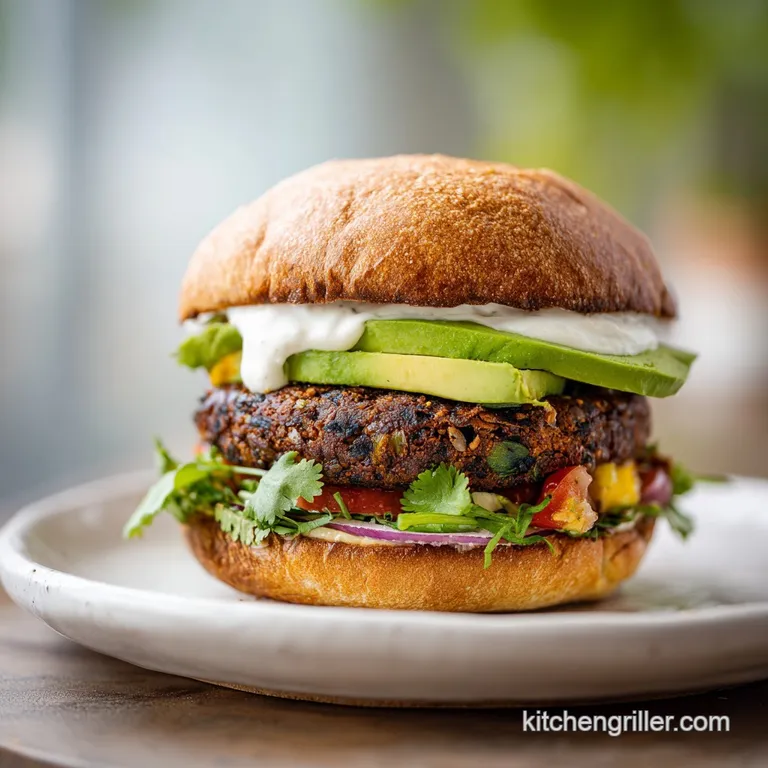
First, add a pop of vibrant pink with quick pickled red onions. The acidity cuts through the earthiness of the beans. Second, introduce a creamy green element with sliced avocado or a dollop of cilantro lime crema. This provides a velvety mouthfeel that complements the crispy patty.
Finally, finish with a fresh green hit of cilantro or arugula.
- Pickled Onions: Add these last, right on top of the cheese, for a bright visual crown.
- Avocado: Fan the slices out across the bottom bun to act as a "glue" for the patty.
- Sprout/Greens: Tuck these under the top bun to maintain their crispness and avoid wilting from the patty's heat.
Debunking Bean Burger Myths
One of the biggest misconceptions is that canned beans are inherently inferior for burgers. People think you must start with dried beans to get a good texture. That’s simply not true. The issue isn't the canning process; it's the liquid they sit in.
Once you rinse and roast them, canned beans perform exactly like dried ones but save you hours of soaking and simmering.
Another myth is that you need a ton of flour or breadcrumbs to hold a veggie burger together. If you use too much filler, you end up with a bready, heavy puck. The secret isn't more filler it's less moisture.
By drying the beans first, the small amount of Panko and the single egg are more than enough to create a structural bond without diluting the bean flavor. Trust the roasting process, and you'll never need a "binder heavy" recipe again.
If you’re looking for a meatier alternative for the grill during the summer, you might also enjoy a Turkey Burger Recipe, which uses similar principles of moisture control to stay juicy without falling apart. But for an indoor, urban dinner that feels sophisticated and complete, this black bean version is hard to beat.
High in Sodium
920 mg mg of sodium per serving (40% % of daily value)
The American Heart Association recommends limiting sodium intake to about 2,300mg per day for most adults.
Tips to Reduce Sodium in Your Black Bean Burgers
-
Low-Sodium Beans-20%
Opt for no-salt added canned black beans. Thoroughly rinse them under running water for at least 1 minute to remove even more sodium. This significantly cuts down on the sodium from the beans themselves.
-
Reduce Feta-15%
Feta cheese contributes a significant amount of sodium. Try using half the amount of feta cheese or substitute with a lower sodium cheese, like fresh goat cheese or unsalted ricotta, in smaller quantity.
-
Cut Back Salt-10%
Reduce the amount of added salt by half or eliminate it entirely. Taste the mixture before forming the patties to adjust seasonings. Remember the Worcestershire sauce already contains salt.
-
Low-Sodium Sauce-10%
Use a low-sodium Worcestershire sauce or reduce the amount used by half. You can also add a splash of balsamic vinegar for depth of flavor.
-
Flavor Boost
Enhance the flavor of the burgers with fresh herbs like cilantro, parsley, or a squeeze of lime juice. Experiment with different combinations to find your favorite flavor profile.
Recipe FAQs
How do you keep black bean burgers from being mushy?
Roast the beans first. Spreading rinsed black beans on a sheet pan and baking them at 350°F for 15 minutes removes the internal moisture that causes mushiness.
What is the best binder for black bean burgers?
A combination of egg and Panko breadcrumbs. The egg provides necessary protein structure, while the jagged Panko absorbs any remaining liquid effectively.
What holds a black bean burger together?
Dehydrated beans, a single egg, and crumbled feta. The feta melts slightly during cooking, creating small pockets of "glue" throughout the patty structure.
How do you bind black bean burgers?
Mash the roasted beans partially, then fold in the wet and dry binders. Avoid over processing; you want chunky beans suspended in the egg/crumb matrix, not a smooth puree.
Is it true I must use dried beans instead of canned for texture?
No, this is a common misconception. Canned beans work perfectly well as long as you thoroughly rinse them and roast them at 350°F to drive out the canning liquid.
Should I chill the mixture before shaping the patties?
Yes, chilling helps significantly if the mixture feels too wet. Let the combined mixture rest in the refrigerator for 10 minutes to allow the Panko to fully hydrate and stiffen the overall mass.
What cooking method yields the crispiest exterior?
Use a heavy cast iron skillet over medium high heat. This method provides consistent, high heat contact necessary for achieving a deep brown, shatter crisp crust.
Garlic No Mush Black Bean Burger
Ingredients:
Instructions:
Nutrition Facts:
| Calories | 427 calories |
|---|---|
| Protein | 24 g |
| Fat | 10 g |
| Carbs | 61 g |
| Fiber | 31 g |
| Sugar | 4 g |
| Sodium | 920 mg |
