Sourdough Recipe with Rosemary and Sea
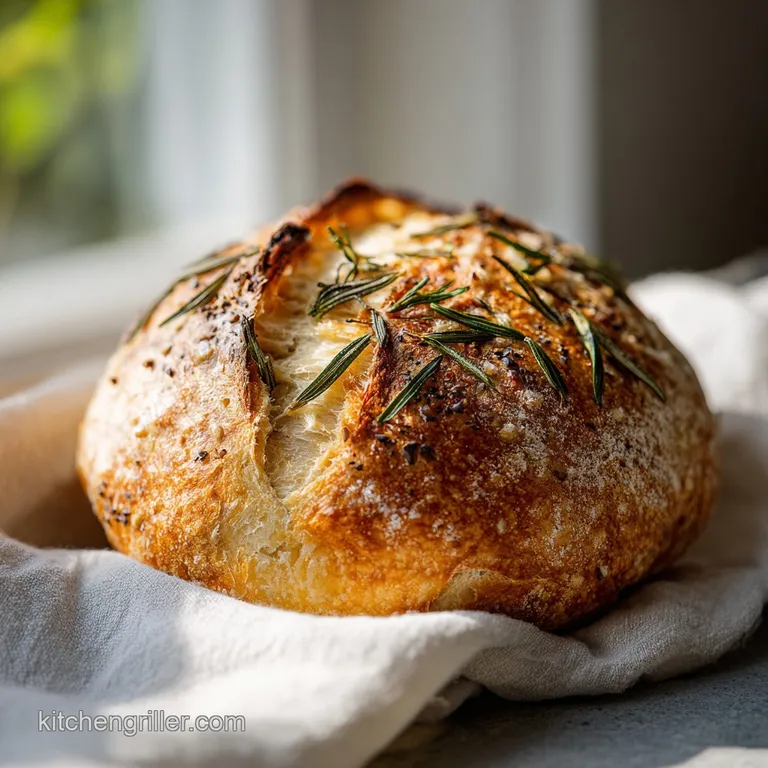
- Time: Active 45 minutes, Passive 45 minutes, Total 1 hours 30 mins
- Flavor/Texture Hook: Shatter crisp crust with piney, aromatic notes
- Perfect for: Sophisticated brunch spreads or artisan sandwich making
Master This Sourdough Recipe with Rosemary and Sea
The first time I pulled a loaf of this bread from the oven, my entire apartment smelled like a sun drenched garden in the middle of the city. I still remember the sound that distinct, hollow "thump" when I tapped the bottom, followed by the crackling song of the crust cooling down.
It was a complete transformation from a sticky pile of flour and water into something vibrant and alive. This article unveils a truly exceptional sourdough recipe with rosemary and sea salt.
I used to think artisan bread required a backyard wood fired oven and years of apprenticeship. Honestly, I spent months making bricks that were too dense to eat before I realized that temperature and timing are the real secrets. We've all been there, staring at a flat loaf and wondering where the "ear" went.
This version is designed for the modern indoor cook who wants that professional, high contrast look without the guesswork.
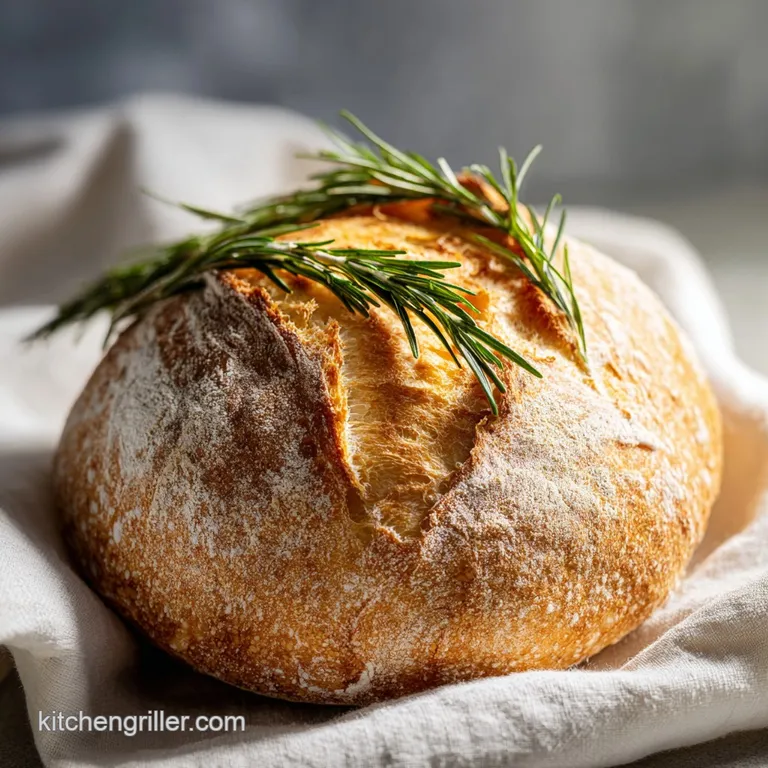
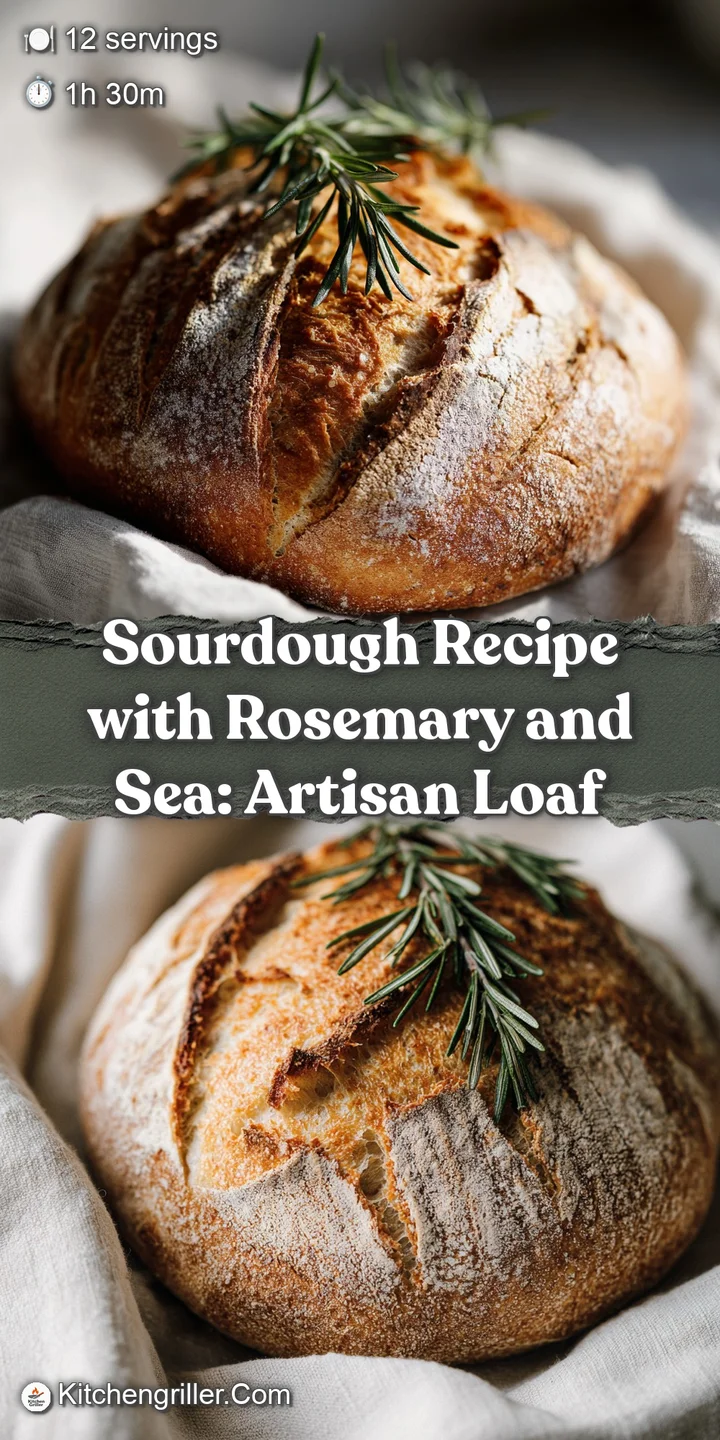
We're focusing on a sophisticated color balance here. Imagine the deep, burnished gold of a long baked crust, accented by the matte white of a flour dusted pattern and the vivid green of fresh rosemary needles. It isn't just a meal; it's a centerpiece. Let's get into how we make this happen in a standard kitchen.
Why This Bread Works
- Enzymatic Breakdown: Long fermentation allows amylase enzymes to convert starches into simple sugars, which caramelize into a dark, mahogany crust.
- Gluten Alignment: The "stretch and fold" technique organizes protein strands into a strong network without the need for intense mechanical kneading.
- Steam Injection: Trapping moisture during the first half of the bake keeps the surface supple, allowing the bread to expand fully before the crust sets.
| Method | Prep Time | Crust Texture | Best For |
|---|---|---|---|
| Dutch Oven | 45 mins | Thick and shatter crispy | Traditional artisan loaves |
| Open Stone | 35 mins | Thin and delicate | Baguette style rolls |
| Loaf Pan | 25 mins | Soft and uniform | Everyday sandwich bread |
Choosing your baking vessel changes the final personality of your bread. While a Dutch oven provides that iconic, rugged look, a simple Cast Iron Skillet recipe approach can also work if you use a stainless steel bowl as a lid to trap the steam.
Key Component Analysis
| Ingredient | Science Role | Pro Secret | ||||
|---|---|---|---|---|---|---|
| High Protein Flour | Provides the structural "scaffolding" | Use flour with at least 12.5% protein for height | ||||
| Sourdough Starter | Drives aeration and acidity | Feed it 4-6 hours before mixing for peak bubbles | ||||
| Fresh Rosemary | Releases essential oils during bake | Mince finely to avoid "pine needle" mouthfeel | Component | Science Role | Pro Secret | |
| :--- | :--- | :--- | ||||
| Whole Wheat Flour | Adds nutrients and speeds fermentation | Sift out large bran flakes for a lighter crumb | ||||
| Fine Sea Salt | Tightens gluten and controls yeast | Never skip it, or the dough will become a puddle |
The interaction between the sea salt and the yeast is a delicate dance. Salt actually slows down the fermentation process, which sounds like a bad thing, but it's what gives the flavors time to develop into something complex and vibrant.
Essential Ingredients List
- 50g active sourdough starter Why this? The "heart" of the bread that provides lift and flavor.
- 450g high protein bread flour Why this? Creates the strong gluten network needed for a tall rise.
- 50g bread flour (for leaven build)
- 50g whole wheat flour Why this? Adds a nutty depth and speeds up the yeast activity.
- 340g filtered water
- 50g filtered water (for leaven build)
- 10g fine sea salt Why this? Seasons the dough and strengthens the internal structure.
- 15g fresh rosemary, finely minced Why this? Provides the signature aromatic profile of this loaf.
- 5g flaky sea salt Why this? Adds visual sparkle and a crunch of salt on the crust.
For the Leaven
To start, mix 50g of active starter with 50g of bread flour and 50g of filtered water. Let this sit in a warm spot until it's bubbly and has doubled in size. This usually takes about 4 to 6 hours depending on your kitchen's temperature.
For the Main Dough
Once the leaven is ready, you'll combine it with the 450g of high protein flour, 50g of whole wheat flour, and the remaining 340g of water. This is where the magic begins as the hydration starts to wake up the gluten.
Necessary Kitchen Tools
You don't need a professional bakery setup, but a few specific items make a world of difference. A digital scale is non negotiable because measuring by volume is too inconsistent for sourdough. You'll also want a sharp bench scraper to help with shaping.
Chef Tip: Freeze your fresh rosemary for 10 minutes before mincing. It makes the needles brittle so they chop cleanly instead of bruising and turning brown.
A Dutch oven is the best way to replicate a professional steam oven at home. If you're looking for more ways to use your heavy cookware, this bread pairs wonderfully with a Classic Potato Salad recipe during a weekend lunch.
step-by-step Guide
- Build leaven. Combine starter, 50g flour, and 50g water. Wait until it passes the float test.
- Mix dough. Combine leaven with main flours and water. Mix until no dry streaks remain.
- Add salt. Incorporate 10g sea salt and rosemary. Squeeze the dough to distribute evenly.Note: Adding salt later allows the flour to hydrate first.
- Bulk ferment. Perform 4 sets of stretch and folds. Repeat every 30 minutes.
- Laminate herbs. Spread the rosemary over the dough during the second fold. Fold it into the center.
- Shape loaf. Tension the dough on a clean surface. Form a tight, smooth ball.
- Cold proof. Place in a proofing basket. Refrigerate for 12 to 15 hours.Note: This builds the tangy flavor profile.
- Preheat oven. Set to 450°F (230°C) with Dutch oven inside. Heat for at least 45 minutes.
- Score and bake. Dust with flour, score the top, and sprinkle with flaky salt. Bake covered for 20 minutes.
- Finish crust. Remove the lid. Bake 20-25 minutes until deep mahogany.
The Folding Process
Instead of kneading, we use folds to build strength. Grab one side of the dough, pull it up high, and tuck it into the center. Turn the bowl and repeat. You'll feel the dough resist more with each set, which means the gluten is doing its job.
Achieving The Shape
When shaping, use the friction of the counter to pull the dough toward you. This creates a "skin" on the surface. A tight skin is what allows the bread to expand upward rather than outward in the oven.
Solving Common Problems
Dense Heavy Crumb
If your loaf feels like a lead weight, the yeast likely wasn't active enough. Check your starter it should be doubling consistently within 4 hours of feeding. Also, ensure your water isn't chlorinated, as that can stun the wild yeast.
| Problem | Root Cause | Solution |
|---|---|---|
| Crust is pale | Oven not hot enough | Preheat for a full hour at 450°F |
| Dough is sticky | Underdeveloped gluten | Add two extra sets of stretch and folds |
| Rosemary tastes bitter | Herbs were scorched | Tuck the rosemary into the dough, don't leave it all on top |
Common Mistakes Checklist
- ✓ Forgetting to preheat the Dutch oven (results in a soft, pale bottom).
- ✓ Using cold water (slows down fermentation significantly).
- ✓ Cutting the bread while it's hot (the steam escapes and the inside becomes gummy).
- ✓ Over flouring the surface during shaping (prevents the dough from sealing).
- ✓ Skipping the cold proof (leads to a less complex flavor and harder scoring).
Creative Flavor Variations
Roasted Garlic Twist
For a deeper savoriness, fold in a few cloves of roasted garlic along with the rosemary. The garlic softens into the dough, creating little pockets of "velvety" sweetness that contrast beautifully with the salty crust.
Lemon Zest Accent
Adding the zest of one lemon provides a fresh, vibrant lift to the piney rosemary. This is a classic urban stylist move it brightens the color of the crumb and makes the bread feel much lighter.
Olive and Herb
Chopped Kalamata olives add a briny punch. If you do this, reduce the sea salt in the main dough by about 2 grams to compensate for the saltiness of the olives.
Keeping It Fresh
Storage Guidelines Once cooled, store the bread in a paper bag or a bread box for up to 3 days. Avoid plastic bags, as they trap moisture and turn the crust soft and rubbery. If you have leftovers, they make the most incredible sourdough croutons for a fresh salad.
Zero Waste Tips Don't throw away the rosemary stems. Toss them into a bottle of olive oil to infuse it, or throw them onto the coals if you're doing any indoor stovetop smoking. Even the flour dust from your proofing basket can be saved in a jar for the next bake.
Freezing and Reheating This bread freezes beautifully. Slice it first, then freeze in a sealed bag for up to 2 months. You can toast individual slices directly from the freezer for a quick, fresh tasting snack.
Perfect Serving Matches
This sourdough is a complete experience on its own, but it really shines when paired with high fat, creamy elements. A thick swipe of salted butter or a bowl of extra virgin olive oil for dipping is the standard, but it's also a great side for a bowl of tomato soup.
The Garnish Strategy
To achieve that professional look, use three color accents. Start with a heavy dusting of white rice flour before scoring. Once you make your cut, tuck small sprigs of green rosemary into the "ear." Finally, after the lid comes off, hit it with a pinch of reflective flaky sea salt.
The salt catches the light and signals the crunch to come.
Brunch Pairings
Serve this alongside a soft scrambled egg dish or a charcuterie board. The rosemary notes work particularly well with goat cheese and honey. If you're looking for a heavier meal, the crusty slices are perfect for mopping up the juices from a roast or a tray of grilled vegetables.
Recipe FAQs
Can I substitute fresh rosemary with dried rosemary?
No, use fresh rosemary only. Dried rosemary loses much of its volatile aromatic oils during drying, resulting in a duller, sometimes bitter flavor profile in the final bake.
How to achieve the crisp, "shattering" crust on this sourdough?
Preheat your Dutch oven inside the oven for a full 45 minutes at 450°F. The intense heat transfer from the preheated metal, combined with the trapped steam during the covered bake, is what sets the crust structure quickly.
Is it necessary to use both bread flour and whole wheat flour in this recipe?
No, but it is highly recommended for flavor and structure. The high protein bread flour builds the necessary gluten network, while the whole wheat flour feeds the yeast and adds complex, nutty undertones that complement the herbs.
How to incorporate the rosemary so it doesn't burn during baking?
Tuck the minced rosemary into the dough mass during the second stretch and fold. This surrounds the herb with dough insulation, protecting it from direct, intense heat contact during the initial high temperature bake phase.
Why is my dough so slack and unmanageable during shaping?
False. Slackness usually indicates underdeveloped gluten or over proofing. Ensure you complete all required stretch and folds, especially if you are using slightly lower protein flour; mastering dough handling techniques similar to those used in the Juicy Lucy Burger recipe (managing internal tension) helps create surface tension.
What is the ideal starter readiness check before mixing the main dough?
It should pass the float test easily and have at least doubled in volume. This ensures the yeast population is at its peak activity to properly aerate a dense dough like this one. If you're seeing great results here, apply that concept of peak yeast activity to our Turkey Burger Recipe when preparing the binder.
How long should I cold proof this dough for the best tang?
Aim for 12 to 15 hours in the refrigerator for optimal flavor development. Longer proofs intensify the acetic acid flavor, which balances the richness of the rosemary, but pushing past 24 hours can result in over proofing.
Rosemary Sea Salt Sourdough Loaf
Ingredients:
Instructions:
Nutrition Facts:
| Calories | 172 kcal |
|---|---|
| Protein | 5.7 g |
| Fat | 0.8 g |
| Carbs | 35.7 g |
| Fiber | 1.9 g |
| Sugar | 0.4 g |
| Sodium | 488 mg |
