Cast Iron Skillet Jalapeno Cornbread
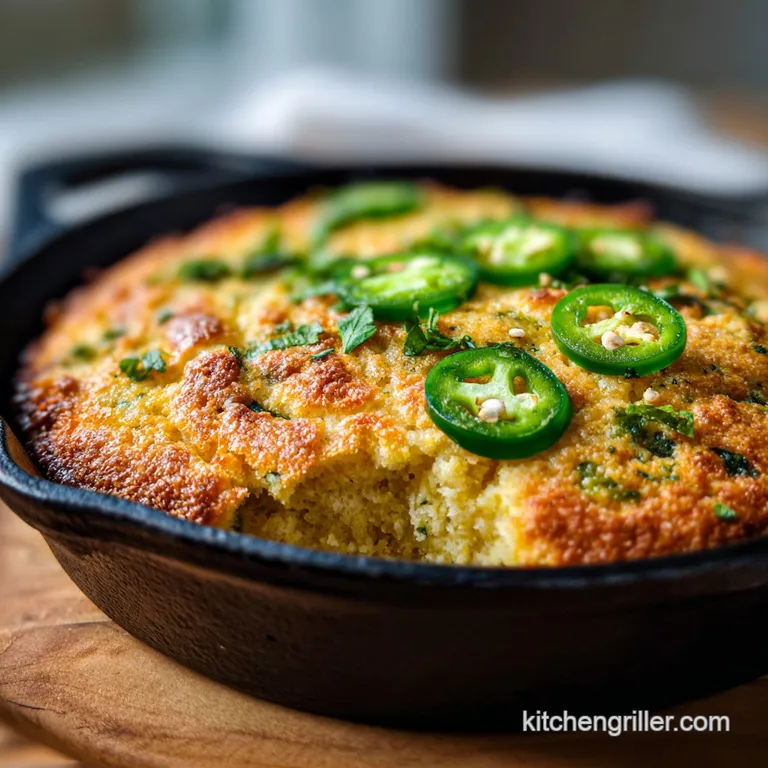
- Time: Active 15 minutes, Passive 25 minutes, Total 40 minutes
- Flavor/Texture Hook: Sharp cheddar tang with a smoky, glass like bottom crust
- Perfect for: Sophisticated indoor dinner parties or completing a vibrant weekend brunch
- The Physics of the Crust
- Science Behind Every Essential Component
- Everything You Need to Start
- Essential Tools for Urban Baking
- Bringing This Vibrant Side to Life
- Solving Common Cornbread Baking Hurdles
- Flavor Twists for Every Occasion
- Maintaining Freshness and Reducing Waste
- Completing Your Fresh Urban Menu
- Recipe FAQs
- 📝 Recipe Card
I remember the first time I attempted this in my tiny city apartment. I was trying to impress a group of friends with a "complete" meal, and the aroma of melting bacon fat began to drift through the living room.
When I finally poured that thick, cornmeal batter into the pan, the sound wasn't just a sizzle - it was an announcement.
That specific sound is what I look for every single time now. It is the indicator that the cast iron is ready to transform simple pantry staples into something textural and vibrant.
I used to think cornbread was just a crumbly, dry side dish, but once you experience the contrast of a spicy, jalapeño studded top and a crisp, savory base, there is no going back.
The secret I learned after several failed, soggy attempts is all in the temperature management. You aren't just baking bread, you are essentially "flash frying" the exterior while the interior gently steams. It results in a piece of bread that feels substantial and sophisticated rather than heavy or dull.
The Physics of the Crust
Thermal Mass: Cast iron retains heat significantly better than stainless steel, providing a constant, high energy source that triggers the Maillard reaction instantly.
This creates a structural, caramelized barrier that prevents the batter from sticking while ensuring the bottom doesn't turn into a sponge.
| Cooking Method | Texture Outcome | Heat Distribution | Best For |
|---|---|---|---|
| Preheated Skillet | Shatter crisp bottom | Intense, bottom up | High moisture batters |
| Cold Skillet Start | Soft, cake like | Even, gradual | Sweet, dessert style breads |
| Dutch Oven | Steamed, soft crust | Trapped humidity | Thick, dense loaves |
When you use a preheated skillet, you are utilizing the science of conduction. The metal transfers heat directly into the fat, which then sears the starches in the cornmeal. This is why we don't just "bake" the bread, we start it on the heat to lock in that specific texture.
Science Behind Every Essential Component
Selecting the right elements for this cast iron skillet jalapeno cornbread recipe is more about chemistry than just flavor. Every ingredient has a job to do in the structure of the final slice.
| Ingredient | Science Role | Pro Secret |
|---|---|---|
| Buttermilk | Acidic tenderizer | Use full fat for a velvety mouthfeel and better rise |
| Baking Soda | pH Neutralizer | Reacts with buttermilk to create tiny CO2 bubbles |
| Cornmeal | Structural grit | Stone ground provides more "tooth" and intense corn flavor |
| Bacon Drippings | High smoke point fat | Provides a smoky depth that butter alone lacks |
The interaction between the lactic acid in the buttermilk and the alkaline baking soda is what gives us that light, airy lift. Without it, you’d end up with a dense, flat disc.
The cornmeal provides the "shatter" factor, while the all purpose flour keeps it from falling apart into a pile of crumbs when you slice it.
Chef Tip: Freeze your butter for 10 minutes before melting it. Cold fats interacting with room temperature liquids can sometimes create tiny pockets of steam that contribute to a lighter crumb.
Everything You Need to Start
Before we get to the mixing, let's look at the lineup. I recommend weighing your dry ingredients if you have a kitchen scale, but standard cups work as long as you use the "spoon and level" method.
- 1.5 cups yellow cornmeal Why this? Stone ground offers a superior, rustic texture compared to fine milled versions.
- 1 cup all purpose flour Why this? Provides the gluten structure needed to hold the cornmeal together.
- 2 tsp baking powder
- 0.5 tsp baking soda
- 1 tsp fine sea salt
- 2 tbsp granulated sugar
- 1.5 cups full fat buttermilk Why this? The fat content is essential for a tender, velvety crumb.
- 2 large eggs
- 6 tbsp unsalted butter, melted
- 2 tbsp bacon drippings Why this? This is the secret to that classic, smoky cast iron crust.
- 1 cup sharp cheddar cheese, shredded
- 3 fresh jalapeños, diced and sliced
| Original Ingredient | Substitute | Why It Works |
|---|---|---|
| Buttermilk | Whole milk + 1 tbsp Lemon | Mimics the acidity needed to trigger the leavening. |
| Bacon Drippings | Lard or Ghee | High smoke point fats that won't burn at high heat. |
| Eggs | Flax eggs (2 tbsp + 6 tbsp water) | Provides binding, though the crumb will be noticeably denser. |
The bacon drippings are really non negotiable if you want that authentic, urban backyard flavor profile. It adds a savory note that balances the sharp heat of the jalapeños and the slight sweetness of the corn.
Essential Tools for Urban Baking
You don't need a lot of gear for this, but the quality of your pan matters. Since we aren't cooking over an open flame, your indoor oven and a well seasoned pan are your best friends.
- 10 inch Cast Iron Skillet: I prefer a Lodge or Le Creuset for their consistent heat retention.
- Large Mixing Bowls: One for dry, one for wet to prevent over mixing.
- Whisk and Silicone Spatula: For a gentle fold that keeps the air in the batter.
- Fine Mesh Sieve: Not required, but sifting the flour and cornmeal ensures no lumps.
Make sure your skillet is well seasoned. If the seasoning is thin, the cornbread might stick despite the bacon fat. Give it a quick wipe with a neutral oil before you start the preheating process if you are worried.
Bringing This Vibrant Side to Life
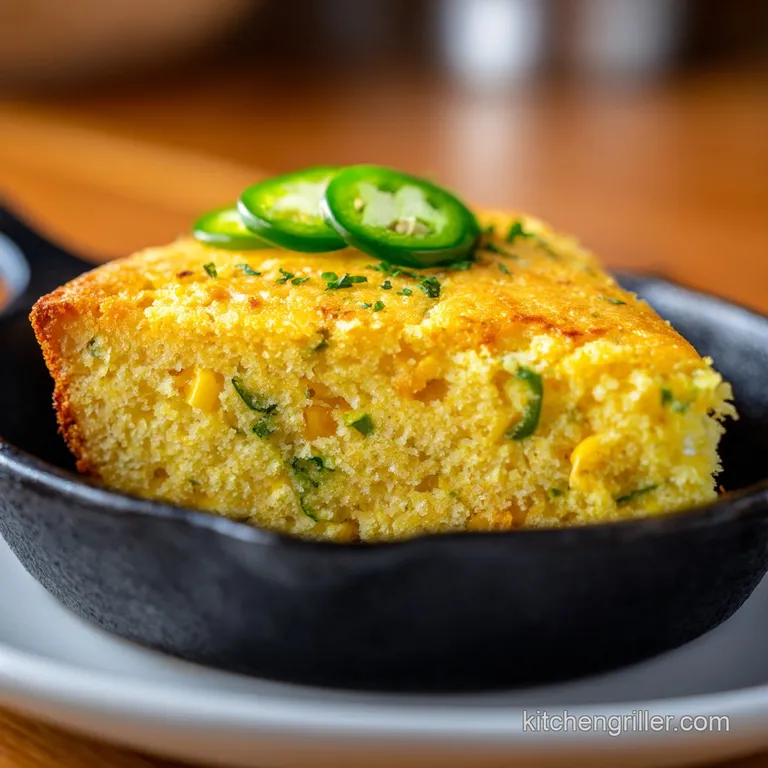
Now, let's walk through the process. Timing is everything here, especially when transitioning the skillet from the stove to the oven.
- Preheat the environment. Set your oven to 400°F (200°C) and place your 10 inch skillet inside while it heats. Note: A cold pan is the enemy of a crisp crust.
- Combine the dry base. Whisk the cornmeal, flour, baking powder, baking soda, salt, and sugar in a large bowl.
- Whisk the liquid gold. In a separate vessel, beat the eggs into the buttermilk, then slowly whisk in the melted butter.
- Fold for tenderness. Pour the wet ingredients into the dry. Use a spatula to fold until barely combined and still slightly lumpy.
- Add the infusions. Gently fold in the shredded cheddar and the diced jalapeños, saving the slices for the top.
- Prep the sizzle. Carefully remove the hot skillet from the oven and place it on the stove over medium high heat. Add the bacon drippings.
- Achieve the sizzle start. Once the fat is shimmering, pour the batter in. It should sizzle loudly and bubble at the edges.
- Top and bake. Arrange the jalapeño slices on top and move the skillet to the oven.
- Master the timing. Bake for 25 minutes until the top is golden and a tester comes out clean.
- Rest and release. Let the bread sit in the pan for 5 minutes before slicing. This allows the steam to pull the crust away from the metal.
Chef Tip: If you want the jalapeños on top to look vibrant and slightly charred, rub the slices with a tiny bit of sugar and oil before placing them on the batter. It helps them caramelize instead of just drying out.
Solving Common Cornbread Baking Hurdles
Even the best cooks run into issues with moisture or texture. Cornbread is notoriously finicky because cornmeal absorbs liquid differently depending on the brand and the humidity in your kitchen.
Preventing a Soggy Middle
If the center of your bread feels damp while the edges are burning, your oven temperature might be fluctuating. This often happens if the door is opened too many times. Ensure you use a dedicated oven thermometer to verify the 400°F setting.
If it’s still soggy, cover the edges with foil and bake for an extra 5 minutes on the bottom rack.
Rescuing a Crumbly Texture
A bread that falls apart usually lacks enough "binder" or was over mixed. Over mixing develops too much gluten in the flour, which paradoxically can make the crumb tough yet prone to breaking. Next time, stop mixing the second the white streaks of flour disappear.
Avoiding Stuck on Bread
If your cornbread won't release, the skillet wasn't hot enough when the batter hit the pan. The "thermal shock" of the cold batter hitting hot fat creates steam that physically pushes the bread away from the surface.
| Problem | Root Cause | Solution |
|---|---|---|
| Bottom is burnt | Skillet too hot or too much sugar | Reduce sugar or move pan to a higher oven rack. |
| No "shatter" crust | Pan was cold when batter was added | Preheat skillet for at least 15 mins at 400°F. |
| Jalapeños are bitter | Seeds and pith left in | Remove all white membranes from peppers before dicing. |
Common Mistakes Checklist:
- ✓ Never use "light" or low-fat buttermilk; the fat is structural here.
- ✓ Don't skip the preheat - a cold pan results in a greasy, limp bottom.
- ✓ Avoid over mixing; lumps in the batter are actually your friend.
- ✓ Use fresh baking powder; if it's over six months old, the bread won't rise.
- ✓ Let the bread rest before cutting to ensure a clean slice.
Flavor Twists for Every Occasion
While this recipe is a classic, you can easily adapt it for different dietary needs or flavor profiles. If you are hosting a larger crowd, scaling this recipe is straightforward, but you’ll need to watch your pan sizes.
Scaling the Recipe
If you need to double the batch, use two 10 inch skillets rather than one deep one. Cornbread doesn't bake well when it's too thick - the center will stay raw while the outside chars. If you are cutting the recipe in half, use an 8 inch skillet and reduce the bake time by about 5 minutes.
| Servings | Skillet Size | Ingredient Adjustment | Cook Time |
|---|---|---|---|
| 5 People | 8 inch | Half all ingredients; use 1 large egg | 20 minutes |
| 10 People | 10 inch | Standard recipe as listed above | 25 minutes |
| 20 People | Two 10 inch | Double all ingredients; work in batches | 25 minutes each |
For a "Sweet and Smoky" variation, increase the sugar to 1/4 cup and add 1/4 cup of crumbled crispy bacon directly into the batter. This creates a profile that pairs beautifully with salty butter.
If you prefer the "Smokehouse" style, you can swap the cheddar for smoked gouda and add a teaspoon of smoked paprika to the dry ingredients.
Maintaining Freshness and Reducing Waste
Cornbread is best the day it’s made, but with the right storage, you can keep it vibrant for several days. Because of the moisture from the cheese and jalapeños, it can become soggy if left out on the counter.
- Fridge
- Store in an airtight container for up to 4 days. Wrap it in a paper towel first to absorb excess moisture.
- Freezer
- Wrap individual slices in plastic wrap and then foil. They will stay fresh for up to 3 months.
- Reheating
- Avoid the microwave - it makes the crust rubbery. Instead, place slices in a dry skillet over medium heat for 2 minutes per side, or in a 350°F oven for 5 minutes.
Zero Waste Tip: Don't throw away the heels or any dry leftovers. Pulse them in a food processor to create "cornbread crumbs." These are incredible as a breading for fried green tomatoes or as a crunchy topping for a Smoked Mac and recipe. You can also use the leftover jalapeño stems and seeds to infuse a simple syrup for spicy cocktails.
Completing Your Fresh Urban Menu
This cornbread isn't just a side; it's the anchor of a complete meal. Because it has both heat and fat, it needs to be paired with something that offers acidity or deep savory notes.
I love serving this alongside a Classic Smash Burger recipe. The crunch of the burger's edge matches the shatter of the cornbread's crust perfectly. For a lighter, more vibrant urban dinner, try pairing it with Grilled Shrimp Skewers recipe. The garlic butter from the shrimp acts as a dip for the bread, creating a really sophisticated flavor bridge.
The "If You Want X, Do Y" Decision Shortcut: If you want a crunchier crust, increase the bacon drippings in the pan to 3 tablespoons. If you want it spicier, leave the seeds in one of the diced jalapeños.
If you want it sweeter, brush the top with honey butter immediately after taking it out of the oven.
One final myth to debunk: many people think you must use a specific brand of cornmeal for success. In reality, it’s the freshness of the meal that matters more than the label.
Cornmeal contains natural oils that can go rancid over time, so if your bag has been sitting in the pantry for a year, toss it and start fresh. Your taste buds will thank you for that vibrant, toasted corn aroma that only comes from fresh grains.
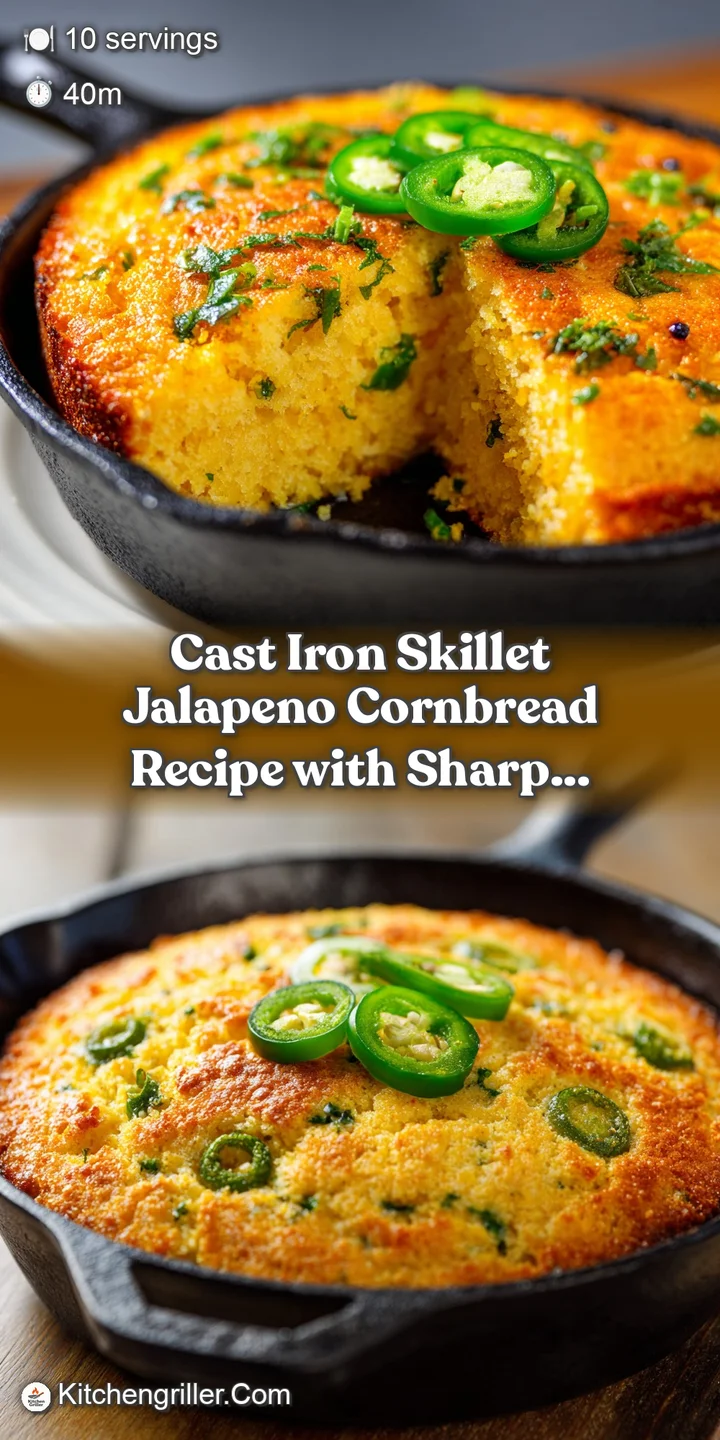
Recipe FAQs
Can I use yellow cornmeal instead of white cornmeal for this recipe?
Yes, yellow cornmeal is highly recommended. Yellow cornmeal provides a richer, deeper corn flavor and yields a superior golden color compared to white varieties.
How to achieve the signature "shattering" crust?
Preheat your cast iron skillet empty at 400°F for at least 15 minutes. Pour the bacon drippings into the screaming hot pan right before adding the batter; this immediate thermal shock is what sets the crust instantly.
Is it true that I must use buttermilk, or can I use regular milk?
No, buttermilk is essential for proper leavening. The lactic acid in buttermilk reacts with the baking soda to create the necessary lift; regular milk will result in a flatter, denser bread.
How long should I mix the batter to avoid tough cornbread?
Fold the wet and dry ingredients until just barely combined. Stop mixing the second you no longer see streaks of dry flour; overmixing develops gluten, leading to a tough texture.
What is the best way to reheat leftover cornbread without making it rubbery?
Reheat slices in a dry skillet over medium heat for two minutes per side. Avoid the microwave, which steams the bread; this stovetop method revives the crisp texture.
Can I prepare the dry ingredients in advance for a quicker morning bake?
Yes, you can mix the dry ingredients up to one week ahead of time. Store them in an airtight container, but remember that if you're worried about the texture of the final product, mastering temperature control is key, just like when you are learning to control the spread on our Sugar Cookie recipe.
My batter sinks after I take it out of the oven; why did my cornbread deflate?
False. If the cornbread deflates, it was likely underbaked. Remove the bread from the oven only when a tester comes out completely clean; premature removal traps steam that collapses as it cools.
Skillet Jalapeno Cornbread
Ingredients:
Instructions:
Nutrition Facts:
| Calories | 302 calories |
|---|---|
| Protein | 8.4 grams |
| Fat | 16.2 grams |
| Carbs | 30.8 grams |
| Fiber | 2.1 grams |
| Sugar | 4.2 grams |
| Sodium | 415 milligrams |
