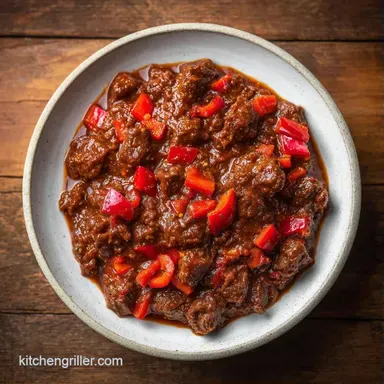
Award-Winning Smoked Ground Beef Chili
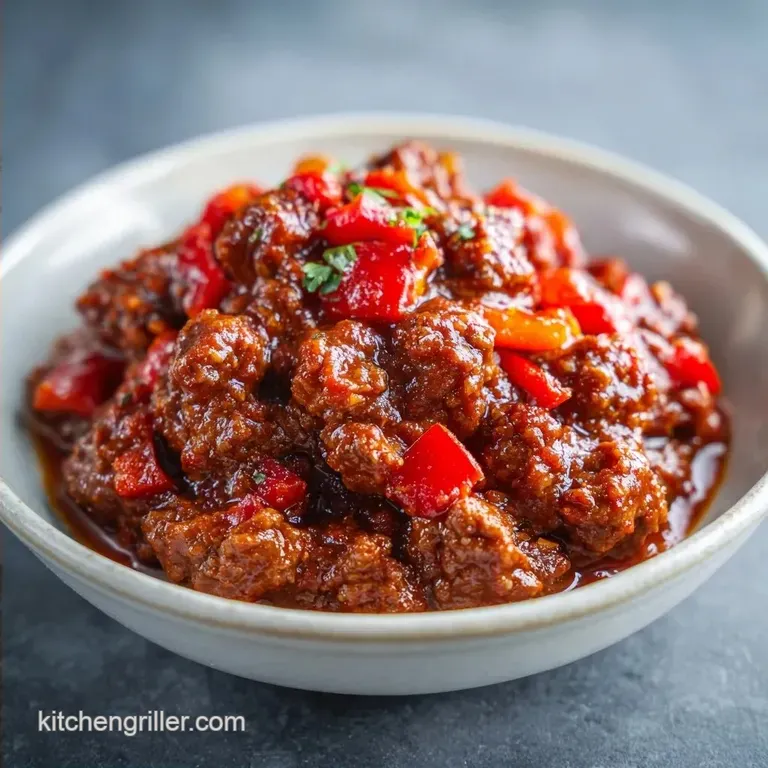
- Time: 20 min active + 2 hours 30 mins cook
- Flavor/Texture Hook: Velvety texture with a deep, woody aroma
- Perfect for: Game day crowds or slow weekend meal prep
Imagine the scent of cherry wood drifting through the backyard, that sharp, sweet smell that tells you the pit is dialed in. I remember the first time I tried this, I was convinced I had to brown the meat in a pan first to "seal" it.
I spent twenty minutes fighting grease splatters on my stove, only to realize I was actually creating a barrier that stopped the smoke from getting deep into the beef.
Forget everything you've heard about pre searing ground meat for chili. The secret to a truly deep Smoked Ground Beef Chili is starting with raw crumbles in the smoker. By letting the smoke hit the raw fats of an 80/20 chuck blend, you're essentially infusing the meat with a woody essence that survives the long simmer in the pot.
This isn't a "throw it in and forget it" meal. It's a process of layers, moving from the smoker to the cast iron. We're going to focus on preventing that "ashtray" taste and ensuring the texture is silky, not grainy.
Trust me on this, the patience you put into the 225°F hold pays off in the first spoonful.
Secrets to Smoked Ground Beef Chili
Right then, let's talk about why this actually works. Most people make the mistake of adding smoke as an afterthought, maybe using a drop of liquid smoke or a dash of paprika. But when you smoke the components raw, you're using the fat in the beef as a sponge for the wood particles.
Fat Absorption: The 80/20 beef ratio is vital because the rendered fat traps smoke molecules, which later distribute that flavor throughout the entire sauce.
The Deglaze Effect: Using an amber ale doesn't just add a malty note, it physically lifts the browned bits (the fond) from the bottom of the pot, integrating all those concentrated flavors back into the liquid.
Low Temp Breakdown: Keeping the smoker at 225°F ensures the beef doesn't tighten up into hard pellets, keeping the crumbles tender while they absorb the wood scent.
Starch Integration: Simmering the beans and crushed tomatoes together allows the natural starches to thicken the sauce into a velvety consistency without needing cornstarch.
But what about the beer? You might be tempted to use a heavy stout, but an amber ale provides the right balance of sweetness and acidity. If you're looking for a different way to handle beef, you might enjoy my Classic Smash Burger recipe, which uses a similar high fat beef blend for maximum flavor.
Before we get into the gear, let's look at how this stacks up against the standard way of making chili.
| Method | Smoke Depth | Texture | Best For |
|---|---|---|---|
| Stovetop | Low/None | Coarser | Quick weeknights |
| Slow Cooker | Low | Very Soft | Set and forget |
| Smoked | High | Velvety | Weekend feast |
This choice really comes down to how much time you have. If you're in a rush, the stovetop is fine, but for that competition level depth, the smoker is the only way to go.
Making This Recipe Work
The biggest failure point for most home cooks is the temperature. If you go too high, the beef dries out and the smoke becomes bitter. If you go too low, the vegetables never soften, and you end up with raw onion chunks in your bowl.
Decision Shortcut: If you want a thicker sauce, increase the tomato paste by 2 oz. If you want more "bark" on your beef, spread the meat thinner in the foil tray. If you want a milder heat, swap the cayenne for extra smoked paprika.
The other common error is rushing the tomato paste. You can't just stir it in and start adding liquid. You have to fry that paste in the beef fat until it changes color. This removes the "raw" metallic taste of the canned tomato and replaces it with a rich, savory base.
Keep an eye on your internal temperatures. While ground beef doesn't have a "pull temp" like a brisket, you want the mixture to be steaming and the beef to have lost its raw pink hue before it hits the Dutch oven.
The Core Components
I don't believe in "mystery" spice blends. We're using a specific combination here to build a profile that complements the wood smoke. According to the USDA FoodData, the fats in ground chuck are perfect for carrying these fat soluble spices.
| Ingredient | Science Role | Pro Secret |
|---|---|---|
| 80/20 Ground Chuck | Flavor Carrier | Don't drain all the fat; it's liquid gold |
| Amber Ale | Acid/Deglazer | Use a bottle with low IBU to avoid bitterness |
| Tomato Paste | Umami Base | Fry until rust colored for depth |
| Smoked Paprika | Smoke Reinforcement | Use Pimentón de la Vera for authenticity |
The balance of the brown sugar is also key. It's not there to make the chili "sweet," but to counteract the acidity of the crushed tomatoes and the bitterness of the smoke. It's a chemical balance that rounds out the edges of the heat.
Necessary Kitchen Tools
You don't need a professional kitchen, but a few specific tools make this much easier. A disposable foil tray is a must for the smoking phase. Trying to smoke raw ground beef directly on a grate is a disaster waiting to happen, as the meat will just fall through the bars.
For the simmering phase, a cast iron Dutch oven is the gold standard. Cast iron holds heat evenly, which prevents the bottom of your chili from scorching during that long, low simmer. If you don't have one, a heavy bottomed stainless steel pot will work, but you'll need to stir more frequently.
Right then, make sure you have a sturdy wooden spoon. You'll be doing a lot of scraping during the deglazing process, and a flimsy plastic spoon will just bend under the weight of the beef and beans.
The Full Cooking Process
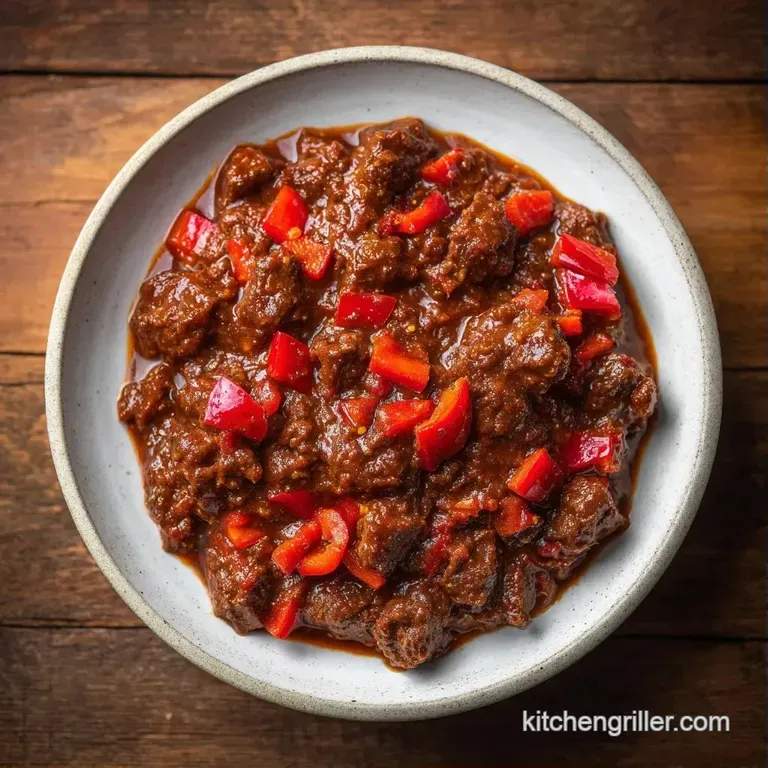
Let's crack on with the actual build. This is where the patience of a pitmaster comes into play.
- Set the smoker to 225°F. In a disposable foil tray, spread the 2 lbs ground chuck, chopped onions, bell peppers, and smashed garlic in a single layer and drizzle with 2 tbsp olive oil. Note: The oil helps the spices stick and prevents the meat from sticking to the tray.
- Smoke the components for 45–60 minutes until the beef begins to brown and the vegetables soften.
- Transfer the smoked mixture and all rendered fat into a preheated cast iron Dutch oven over medium high heat. Note: Do not leave the fat behind; that's where the smoke flavor lives.
- Stir in 6 oz tomato paste and cook for 3–5 minutes until the paste reaches a deep rust color.
- Pour in 12 oz amber ale and deglaze the pot, scraping the bottom to incorporate the browned bits. Note: This is where you create the "fond" that makes the sauce rich.
- Add 28 oz crushed tomatoes, 2 tbsp chili powder, 1 tbsp cumin, 1 tbsp smoked paprika, 1 tsp cayenne pepper, 1 tsp dried oregano, 2 cups beef broth, and 1 tbsp brown sugar.
- Stir in 2 cans (15 oz each) drained kidney beans and simmer on low heat until the chili reaches a velvety texture.
- Season with salt and black pepper to taste before serving.
Throughout the simmer, you'll notice the aroma change. It starts as a sharp, smokey scent and evolves into something much more mellow and savory. If the sauce looks too thick, add a splash more beef broth. If it's too thin, let it simmer for another 20 minutes without a lid.
Fixing Common Chili Errors
Even the best pitmasters have off days. The most common issue with Smoked Ground Beef Chili is the "ashtray" effect. This happens when the meat is exposed to too much smoke at too low a temperature for too long, or if the wood pellets are poor quality.
Why Your Chili Tastes Bitter
If you notice a harsh, acrid taste, you've likely over smoked the meat or used a wood that's too aggressive (like heavy mesquite). To fix this, you can add a small pinch of extra brown sugar or a teaspoon of apple cider vinegar to brighten the flavor and cut through the bitterness.
Fixing a Thin Consistency
A watery chili is usually the result of not reducing the liquid enough or skipping the tomato paste frying step. If your chili is too runny, simmer it uncovered for another 30 minutes.
You can also mash a few of the kidney beans against the side of the pot to release their starches, which naturally thickens the sauce.
Managing Excessive Heat
If the cayenne got the better of you, don't panic. Fat is the enemy of heat. Stirring in a dollop of sour cream or serving the chili with sliced avocado will neutralize the capsaicin and bring the dish back into balance.
| Problem | Root Cause | Solution |
|---|---|---|
| Bitter/Ashy Taste | Over smoking/Poor wood | Add brown sugar or ACV |
| Runny Sauce | Insufficient reduction | Simmer uncovered 30 mins |
| Grainy Texture | Not enough simmering | Simmer longer on low heat |
Common Mistakes Checklist:
- ✓ Use 80/20 beef (lean beef won't absorb smoke)
- ✓ Fry tomato paste until it's rust colored, not bright red
- ✓ Don't drain the smoked fat before adding to the pot
- ✓ Simmer on low; boiling the chili ruins the velvety texture
- ✓ Ensure the smoker is stabilized at 225°F before adding meat
Ways to Change Flavor
Once you've nailed the base, you can start playing with the profile. If you want a more "Texas Style" version, simply omit the kidney beans entirely. Some purists insist that real chili has no beans, and while I love the heartiness they add, removing them makes the beef the absolute star.
For those who want to boost the heat, try replacing the cayenne with diced habaneros during the smoking phase. The heat will mellow out during the simmer, but you'll get a fruity, floral spice that pairs beautifully with the amber ale.
If you're looking for a lower carb or Keto version, swap the kidney beans for diced cauliflower and replace the brown sugar with a monk fruit sweetener. It won't have the same thickness, but the smoke flavor remains intact.
| Original Ingredient | Substitute | Why It Works |
|---|---|---|
| Kidney Beans | Diced Cauliflower | Maintains bulk. Note: Lacks the thickening starch of beans |
| Amber Ale | Beef Broth + 1 tbsp ACV | Mimics acidity. Note: Loses the malty depth |
| Brown Sugar | Monk Fruit Sweetener | Low carb. Note: Slightly different aftertaste |
Another way to deepen the flavor is by adding a square of dark chocolate (at least 70% cocoa) during the final simmer. It doesn't make the chili taste like candy, but it adds a dark, earthy richness that is common in competition style recipes.
Preserving Your Leftovers
Chili is one of those rare dishes that actually tastes better the next day. This is because the flavors continue to marry and the spices penetrate deeper into the meat and beans while it rests in the fridge.
- Fridge
- Store in an airtight container for up to 4 days.
- Freezer
- This freezes beautifully. Use freezer safe bags and flatten them to save space. It will stay fresh for 3 months.
- Reheating
- Warm it slowly on the stovetop over medium low heat. Add a splash of water or beef broth to loosen the sauce, as it will thicken significantly in the fridge.
To avoid waste, don't toss the leftover beef broth if you have any. I usually freeze it in ice cube trays and use it to deglaze pans when I'm making other beef dishes. If you have leftover chopped bell peppers or onions, sauté them and freeze them as a "sofrito" base for future soups.
Best Way to Serve
The presentation is where you can really make this Smoked Ground Beef Chili shine. I recommend serving it in wide, shallow bowls to show off the color. Top it with a generous dollop of full fat sour cream, a sprinkle of sharp cheddar cheese, and a handful of fresh cilantro.
For a complete meal, serve it alongside a slice of honey butter cornbread. The sweetness of the bread provides a brilliant contrast to the smoky, spicy notes of the beef. If you're hosting a party, this makes a great centerpiece alongside some Blackstone Steak Bites for a full on meat lover's spread.
Pitmaster's Final Tip: Let the chili rest for 15 minutes after you turn off the heat. This allows the liquids to settle and the flavors to stabilize. When you finally dive in, you'll find that the texture is even more velvety and the smoke is perfectly integrated.
Whether you're using a Traeger, a Pit Boss, or a traditional offset smoker, the key is the low and slow approach. By treating the ground beef with the same respect you'd give a brisket, you turn a simple weeknight meal into something truly special. Just remember: smoke the raw, fry the paste, and let it simmer.
Trust the process, and you'll have an award winning Smoked Ground Beef Chili every single time.
Critical Sodium Level
1150 mg 1,150 mg of sodium per serving (50% 50% of daily value)
The American Heart Association recommends a daily limit of 2,300 mg of sodium, with an ideal limit of 1,500 mg for most adults to reduce the risk of cardiovascular disease.
Strategies to Reduce Sodium
-
Swap the Beef Broth-30%
Replace standard beef broth with low-sodium beef broth or a mixture of water and a small amount of unsalted beef base.
-
Eliminate Added Salt-25%
Completely omit the 'salt to taste'; the canned tomatoes and paste already provide significant sodium for the dish.
-
Use Low-Sodium Beans-20%
Switch to 'no salt added' canned kidney beans or use dried beans soaked and cooked at home.
-
Select No-Salt Tomatoes-20%
Use no-salt-added crushed tomatoes and no-salt-added tomato paste to lower the base sodium of the sauce.
-
Enhance with Spices
Increase the smoked paprika, cumin, and cayenne pepper to add depth and heat without relying on salt for flavor.
Recipe FAQs
Can you smoke ground beef for chili?
Yes, and it's the best way to build flavor. Smoking raw 80/20 beef allows the fats to absorb wood particles before the liquids lock the flavor in during the simmer.
Can you eat chili if diabetic?
Yes, but monitor the carbohydrate intake. This recipe contains kidney beans and brown sugar, so you may need to adjust your portion size to fit your dietary requirements.
How long to smoke chili at 225?
Smoke the raw beef and vegetables for 45–60 minutes. This timeframe ensures the beef browns and the vegetables soften without overcooking before they move to the Dutch oven.
Does smoking chili make a difference?
Yes, it creates a depth of flavor you cannot get on a stove. By smoking the raw components, you infuse the meat with a woody aroma that survives the long simmering process.
What dinner can I make with ground beef?
Try a hearty smoked chili or a fast-casual feast. If you are short on time and cannot use the smoker, a homemade frito pie is an excellent, quick alternative.
What are some different, but good recipes for ground beef?
Consider making taco-style hashes or gourmet burgers. Varying your technique between smoking and griddling completely changes the texture and taste of the meat.
What kind of dish should I cook with ground beef tonight?
Choose smoked chili for a slow weekend or burgers for a busy weeknight. The choice depends on whether you have a few hours to let the smoke penetrate the beef or need a meal in minutes.
Smoked Ground Beef Chili for 6 Servings