Smothered Okra and Shrimp: a Creole Classic
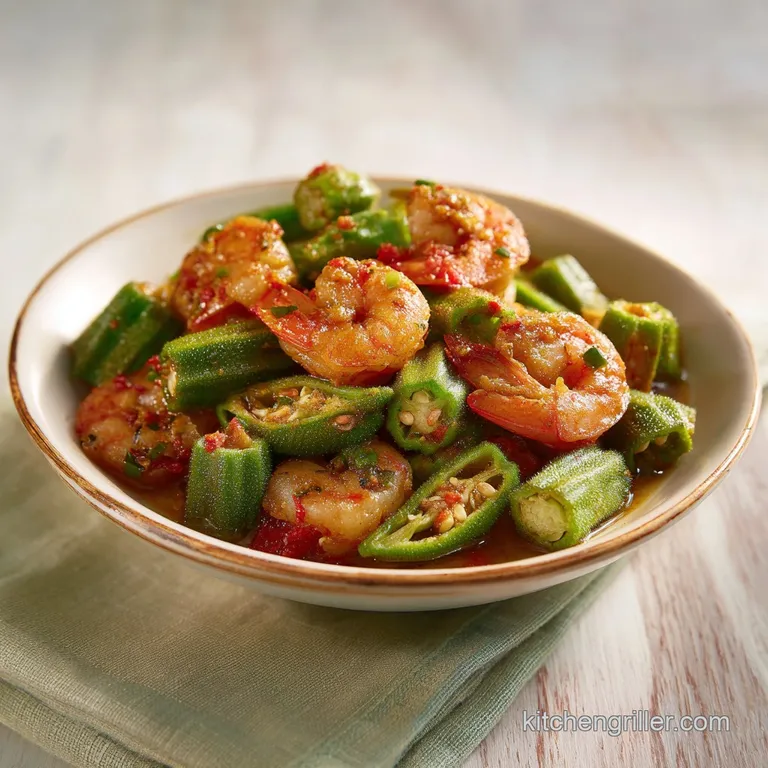
- Time: Active 20 minutes, Passive 45 minutes, Total 65 minutes
- Flavor/Texture Hook: Vibrant, smoky, and jammy with a snappy shrimp finish.
- Perfect for: A cozy urban Sunday dinner or impressing friends with authentic Creole soul.
- Authentic Smothered Okra and Shrimp for Your Next Vibrant Urban Dinner
- Understanding the Vital Ratios Behind This Comforting Southern Classic
- Exploring Every Vibrant Component of This Classic Smothered Dish
- The Essential Heavy Bottomed Tools for Achieving the Perfect Char
- Mastering the Sequential Steps to This Rich and Savory Stew
- Navigating Common Obstacles for a Flawless Creole Style Result
- Creative Adaptations to Suit Every Palate and Modern Kitchen Need
- Pro Baker Fixes for Smothered Dish Myths
- Professional Advice for Storing and Reviving Your Smothered Leftovers
- Plating Like a Professional with Three Distinct Levels and Pairings
- Very High in Sodium
- Recipe FAQs
- 📝 Recipe Card
Authentic Smothered Okra and Shrimp for Your Next Vibrant Urban Dinner
The first time I stood over a cast iron pot of okra, I was terrified. I’d heard all the horror stories about the "slime," and honestly, my first few attempts at home looked more like a science experiment gone wrong than a meal. But then, the aroma hit me.
It was that specific, earthy scent of okra hitting hot bacon fat a smoky, nutty fragrance that immediately told me I was on to something special. I realized that the secret isn't in hiding the okra, but in respecting it, giving it enough heat and time to transform into something velvety and rich.
When you make Smothered Okra and Shrimp, you aren't just making a stew; you're building layers of history and flavor. The way the fire roasted tomatoes melt into the rendered fat of the Andouille sausage creates this incredible, deep red sauce that clings to every piece of shrimp.
I remember serving this to a friend who "hated" okra. They watched me slide the 1.5 lbs of fresh okra into the pot and looked skeptical. But after that first bite where the okra had turned into a jammy, savory concentrate they were asking for seconds before I’d even finished my own plate.
We are going to focus on the ingredient hero today: the fresh okra. While frozen works in a pinch, fresh okra has a structural integrity that creates a much better "smother." It’s the high pectin content that gives the dish its body, acting as a natural thickener so we don't even need a heavy roux.
If you try to swap it out for another green veg, you lose that signature silky mouthfeel that makes this dish an absolute classic. Let’s get that cast iron skillet ready and dive into the mechanics of why this works.
Understanding the Vital Ratios Behind This Comforting Southern Classic
To get this dish right, we have to look at how we treat the okra. Most people fail because they steam the okra rather than sautéing it. We need high, dry heat initially to break down the mucilage (the stuff that makes it stringy).
By adding a splash of white vinegar early on, the acidity helps to stabilize the pectin and shorten those "strings" before they can take over the pot. It’s a trick I learned after many messy attempts, and it’s the difference between a murky stew and a polished, professional smother.
Eliminate the Slime Factor
Acid Stabilization: The white vinegar works with the high heat of the bacon drippings to chemically break down the okra's mucilage, ensuring a clean texture.
Build Deep Umami Base
Maillard Development: Sautéing the Andouille sausage and the "Holy Trinity" in the same fat creates a foundation of browned bits that dissolve into the seafood stock.
Preserve Protein Snap
Residual Steaming: Turning off the heat before adding the shrimp ensures they stay tender and "shatter" when bitten, rather than turning rubbery from overcooking.
| Method | Total Time | Texture | Best For |
|---|---|---|---|
| Stovetop (Traditional) | 65 minutes | Jammy and concentrated | Maximum flavor development and "fond" scraping. |
| Oven (Dutch Oven) | 75 minutes | Uniformly soft | Hands off cooking once the base is built; better for large batches. |
| Slow Cooker | 4 hours | Very soft, less charred | Not recommended for this recipe as okra needs high heat to lose its slime. |
The stovetop method is truly the gold standard here because you need to be able to stir the okra frequently during those first 12-15 minutes. That direct contact with the hot cast iron is what creates the charred, golden brown exterior.
If you just tossed it all in a pot and let it sit, the steam would be trapped, and you'd end up with a texture that is far from the vibrant, urban dish we are aiming for.
Exploring Every Vibrant Component of This Classic Smothered Dish
Every ingredient in this recipe serves a specific purpose in the architecture of the flavor. We aren't just tossing things in a pot; we are building a profile that balances smoke, acid, sweetness, and brine. The seafood stock, for instance, is the backbone.
While chicken stock works, a high-quality seafood stock brings an oceanic depth that highlights the 1 lb of large shrimp we add at the end. It turns a simple vegetable stew into a luxurious seafood experience.
| Component | Science Role | Pro Secret |
|---|---|---|
| Okra | Thickening Agent | Sliced 1/2 inch rounds provide the perfect surface area for charring while releasing enough starch to body the sauce. |
| Bacon Drippings | Heat Carrier & Flavor | The high smoke point allows for the intense sauté needed for okra, while the smokiness mimics traditional pit cooking. |
| Fire Roasted Tomatoes | Acid & Sweetness | The char on these tomatoes adds a subtle bitterness that cuts through the rich fat of the sausage. |
| Shrimp | Protein & Brine | Adding them at the very end prevents protein denaturation (toughening) and keeps them plump and juicy. |
When selecting your shrimp, look for "large" (usually 21-25 count per pound). They are big enough to hold up against the chunky okra and sausage but small enough to fit perfectly on a spoon with a bit of rice. And don't throw away those parsley stems or onion skins!
I always keep a bag in the freezer for the next time I need to make a quick stock. It’s all about that zero waste kitchen mindset.
Ingredients and Smart Substitutes
- 1.5 lbs fresh okra: Sliced into 1/2 inch rounds. Why this? Fresh provides a superior texture and "snap" compared to frozen varieties.
- Substitute: Frozen cut okra (thaw and pat extremely dry before using).
- 1 tbsp white vinegar: Why this? The primary tool for cutting through the okra's natural mucilage.
- Substitute: Apple cider vinegar or a squeeze of fresh lemon juice.
- 3 tbsp bacon drippings: Why this? Adds a layer of smoky depth that oil simply cannot replicate.
- Substitute: Smoked paprika mixed with vegetable oil or lard.
- 1 lb large shrimp: Peeled and deveined. Why this? Provides the sweet, briny finish that balances the spicy sausage.
- Substitute: Firm white fish chunks or even bay scallops.
- 0.5 lb Andouille sausage: Sliced into half moons. Why this? The garlic and cayenne in the sausage season the entire base.
- Substitute: Chorizo or a spicy kielbasa.
- 14.5 oz fire roasted tomatoes: Why this? Adds a smoky, charred flavor profile to the sauce.
- Substitute: Regular diced tomatoes with a pinch of smoked paprika.
- The Holy Trinity: 1 yellow onion, 1 green bell pepper, 2 celery stalks. Why this? The aromatic foundation of all Creole and Cajun cooking.
- Substitute: Shallots can replace onions for a milder, sweeter base.
- 1.5 cups seafood stock: Why this? Deepens the oceanic flavors of the shrimp.
- Substitute: Clam juice diluted with water or a light chicken broth.
The Essential Heavy Bottomed Tools for Achieving the Perfect Char
To make this Smothered Okra and Shrimp properly, you need a vessel that can hold and distribute heat evenly. A heavy bottomed Dutch oven, preferably cast iron, is non negotiable. The thick walls prevent the okra from scorching in spots while allowing you to maintain that medium high heat necessary for the initial sauté.
I use a 6 quart Lodge, but any brand with a tight fitting lid will do.
You’ll also want a sturdy wooden spoon or a flat edged metal spatula. As you sauté the "Holy Trinity" and the sausage, you're going to create "fond" those little browned bits stuck to the bottom of the pot. A flat edged tool is your best friend for scraping that flavor back into the sauce.
It’s like a vibrant urban treasure hunt at the bottom of your pot, and you don't want to leave any of it behind.
Chef's Tip: If your okra starts to stick too aggressively during the first step, don't add more oil immediately. Use the moisture from the okra itself and keep stirring. The "slime" will actually help lubricate the pan until it evaporates and turns into that beautiful golden crust.
Mastering the Sequential Steps to This Rich and Savory Stew
- Prep the Okra. Wash the 1.5 lbs of okra and pat it completely dry. Slice into 1/2 inch rounds, discarding the stem ends.
- Sauté for Texture. Heat 2 tablespoons of bacon drippings in your Dutch oven over medium high heat. Add the okra and 1 tbsp of white vinegar. Note: The vinegar is the secret weapon against the slime.
- The Brown Down. Sauté the okra for 12–15 minutes, stirring frequently, until the strings disappear and the edges are charred. Remove and set aside.
- Sausage Rendering. Add the remaining 1 tablespoon of fat and the 0.5 lb of sliced Andouille. Brown until the edges are crisp and the fat is bright red.
- Softening the Trinity. Add the diced onion, bell pepper, and celery. Sauté for 6–8 minutes until the onions are translucent and soft.
- Aromatic Infusion. Stir in the 3 cloves of minced garlic. Cook for 1 minute until you can smell the garlic throughout the kitchen.
- Building the Liquid. Pour in the 14.5 oz of fire roasted tomatoes (with juices), 1.5 cups of seafood stock, 2 tsp Creole seasoning, thyme, and bay leaves.
- The Smother. Return the okra to the pot. Reduce heat to medium low, cover, and simmer for 20–25 minutes until the sauce is thick and jammy.
- The Shrimp Flash. Fold in the 1 lb of raw shrimp. Cover the pot and turn off the heat immediately.
- Final Steam. Let the pot sit for 5 minutes until the shrimp are pink, opaque, and perfectly curled. Remove bay leaves and garnish with parsley and green onions.
Navigating Common Obstacles for a Flawless Creole Style Result
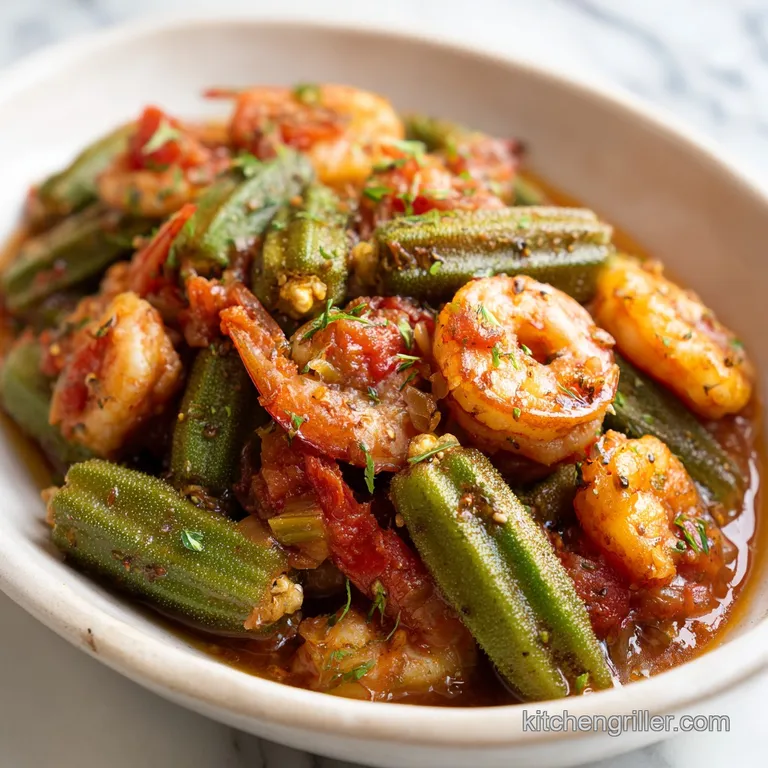
Even with the best intentions, things can go sideways. The most common issue I see is people panicking when they see the okra starting to get "stringy" in step 3. Trust the process! That stringiness is a phase, not the end result. Keep the heat up and keep that wooden spoon moving.
The moisture will eventually cook off, leaving you with the concentrated flavor we’re after.
Why Your Okra Is Still Stringy
If you find that after 15 minutes your okra is still a bit "long" or slimy, it’s usually because the heat was too low or the pot was overcrowded. You want a sizzle, not a hiss.
If you're doubling the recipe, sauté the okra in two batches to ensure every piece gets that direct contact with the hot fat.
Why Your Shrimp Are Rubbery
Overcooking shrimp is a heartbreak. Remember that shrimp continue to cook even after you take them off the heat. By turning off the stove and letting the residual heat do the work, you ensure they stay velvety and tender.
If you’re worried, pull one out at the 4 minute mark and cut it in half it should be white all the way through with no translucent center.
| Problem | Root Cause | Solution |
|---|---|---|
| Sauce is too thin | Excess liquid from tomatoes or stock. | Simmer uncovered for the last 10 minutes to reduce and concentrate. |
| Dish is too salty | Creole seasoning + salty stock + sausage. | Use low sodium stock and wait to add extra salt until the very end. |
| Okra is mushy | Over stirring during the simmer phase. | Once you return the okra to the pot, stir gently and let it "smother" undisturbed. |
Common Mistakes Checklist
- ✓ Don't skip the drying: Wet okra is a recipe for instant slime. Pat those pods dry!
- ✓ Avoid low-fat substitutes: This dish needs the fat from the bacon or sausage to carry the spices.
- ✓ Watch the garlic: Garlic burns fast in a hot Dutch oven; add it only after the veggies are soft.
- ✓ Size matters: Cut the sausage and okra to similar sizes so you get a bit of everything in one bite.
- ✓ Fresh is king: Use fresh parsley and green onions at the very end for a vibrant, fresh pop.
Creative Adaptations to Suit Every Palate and Modern Kitchen Need
This dish is incredibly flexible once you understand the basic mechanics. If you want a "Low Country" twist, you can add some corn on the cob (cut into small discs) during the simmering phase. The sweetness of the corn pairs beautifully with the heat of the Creole seasoning.
It’s a great way to bulk up the meal if you have extra guests showing up.
For those looking for a different protein profile, you might want to try Recipe for 6 Servings as a base concept, though the okra method here is unique. If you're a fan of the "surf and turf" vibe but want something with a bit more char, checking out a Blackstone Hibachi Steak & Shrimp setup could give you some inspiration for how to handle large shrimp over high heat.
Precision Checkpoints
- Weight: Use exactly 1.5 lbs of okra; too much will make the dish dry, too little and it won't thicken properly.
- Temperature: Ensure your Dutch oven reaches roughly 375°F (190°C) before adding the first batch of okra for that crucial char.
- Time: Do not steam the shrimp for longer than 5-6 minutes; the residual heat of a heavy cast iron pot is surprisingly intense.
| Servings | Okra Amount | Shrimp Amount | Stock Amount |
|---|---|---|---|
| 2 People | 0.75 lb | 0.5 lb | 0.75 cup |
| 5 People | 1.5 lbs | 1 lb | 1.5 cups |
| 10 People | 3 lbs | 2 lbs | 2.75 cups |
When scaling up to 10 people, remember the "batch rule." You cannot sauté 3 lbs of okra at once in a standard Dutch oven without it steaming. Do it in three separate rounds, adding a little extra bacon fat each time. Your patience will be rewarded with a much deeper, more vibrant flavor profile.
Pro Baker Fixes for Smothered Dish Myths
There are so many myths surrounding okra that it’s almost become a "forbidden" vegetable for many home cooks. Let’s set the record straight so you can cook with confidence.
Myth 1: You must soak okra in salt water to remove slime. Actually, soaking okra often makes it worse by introducing more moisture. The best way to handle the mucilage is high heat and acidity (like our vinegar trick). Water is the enemy of a good sauté.
Myth 2: "Smothered" means the vegetables should be a homogenous mush. While the okra does break down and become jammy, the "Holy Trinity" and the sausage should still have some structural presence. This isn't a purée; it's a textured, chunky stew that celebrates the individual components.
Myth 3: You need a roux to thicken this sauce. Okra is one of nature's best thickeners. As it simmers for 20-25 minutes, it releases enough starch to turn the seafood stock and tomato juices into a velvety gravy.
Adding a roux would actually make the dish too heavy and mask the fresh, vibrant flavors of the vegetables.
Professional Advice for Storing and Reviving Your Smothered Leftovers
Like many stews, Smothered Okra and Shrimp actually tastes better the next day. The flavors of the Creole seasoning and the smoke from the Andouille have time to fully penetrate the okra. However, there is a trick to reheating it so the shrimp don't turn into rubber balls.
Storage Guidelines:Fridge: Store in an airtight container for up to 3 days. Freezer: You can freeze the smothered base (the okra and sauce) for up to 3 months. Do not freeze the shrimp in the sauce, as they will become mushy upon thawing.
If you plan to freeze, pull out a portion of the base before adding the shrimp.
Zero Waste Tips: Don't throw away the shrimp shells! If you bought peel on shrimp, toss the shells into a small pot with some water, a celery stalk, and a bay leaf. Simmer for 20 minutes to make a quick shrimp stock that you can use instead of store-bought seafood stock.
Also, those leftover okra stems? They can be composted or even pickled if you have enough of them.
Reheating: The best way to reheat is on the stovetop over low heat. If the sauce has thickened too much in the fridge, add a splash of water or stock to loosen it up. Heat until just simmering, then stop.
If you're reheating a portion with shrimp, try to pick the shrimp out and add them back in only for the last 30 seconds of heating so they don't overcook.
Plating Like a Professional with Three Distinct Levels and Pairings
Presentation is everything, especially with a dish that can look a bit "rustic" (read: brown and chunky). Here is how I like to polish this vibrant urban meal depending on who I'm serving.
Level 1: The Simple Soul Bowl
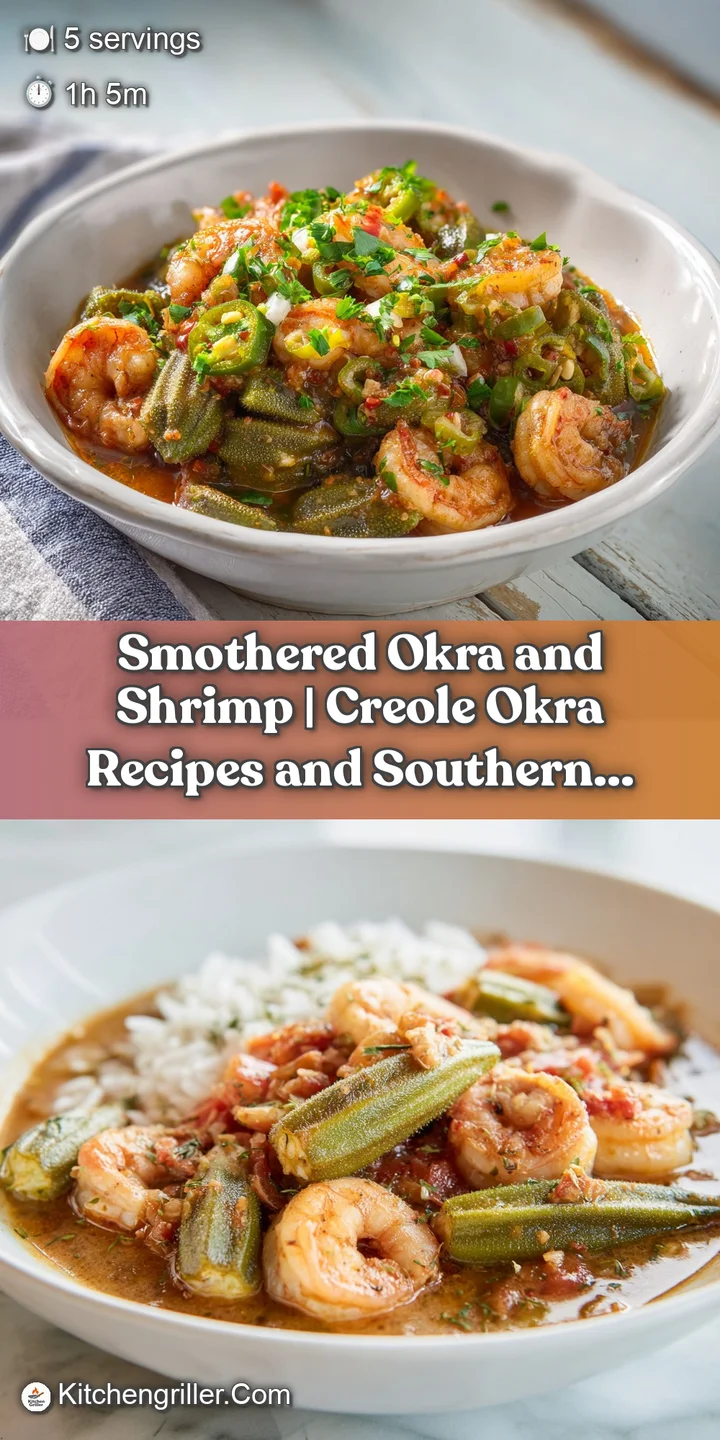
This is for those Tuesday nights when you just want comfort. Scoop a generous mound of fluffy white rice into a deep bowl and ladle the smothered okra and shrimp right over the top. Don't worry about being neat let the sauce soak into the rice. A quick sprinkle of green onions is all you need.
Level 2: The Polished Urban Bistro
Use a ring mold (or a small bowl packed tight) to place a neat cylinder of rice in the center of a wide, shallow pasta bowl. Carefully spoon the okra and sausage mixture around the rice, then place the pink shrimp artfully on top. Garnish with a fine mince of parsley and a lemon wedge on the side.
Level 3: The Restaurant Presentation
This is the "wow" factor. Create a "bed" of rice across the bottom of a large plate. Instead of mixing the parsley in, create a vibrant green herb oil (parsley blended with olive oil and a pinch of salt) and drizzle it in a circle around the dish.
Top with a few microgreens or even some fried okra "straws" for a texture contrast that highlights the jammy smothered base.
| Plating Level | Key Visual Element | Recommended Pairing |
|---|---|---|
| Simple | One pot look | Buttery cornbread |
| Polished | Molded rice | Pickled red onions |
| Restaurant | Herb oil drizzle | Crisp dry Riesling |
Whether you go simple or professional, the heart of this dish is the same: it's a celebration of Southern ingredients handled with care and respect. The smoky bacon fat, the snap of the fresh okra, and the briny sweetness of the shrimp come together to create a meal that is both humble and sophisticated.
Trust your cast iron, watch your heat, and don't fear the okra! You're about to serve a masterpiece.
Very High in Sodium
1045 mg of sodium per serving (45% of daily value)
The American Heart Association recommends limiting sodium intake to less than 2,300mg per day, with an ideal limit of 1,500mg for most adults.
Tips to Reduce Sodium
-
Choose Low-Sodium Seafood Stock-30%
Swap the regular seafood stock for a low-sodium or no-salt added version. This is often the largest contributor of sodium in this type of dish.
-
Select Lower Sodium Andouille Sausage-25%
Opt for reduced sodium Andouille sausage. If unavailable, you may need to rinse regular sausage before slicing to remove excess salt.
-
Rinse Canned Tomatoes-20%
Drain and rinse the canned fire roasted diced tomatoes under cold water before adding them to the recipe. This can significantly reduce the sodium from the canned product.
-
Reduce Creole Seasoning-20%
Creole seasoning is often high in sodium. Reduce the amount used and taste as you go, or look for a low-sodium Creole seasoning blend.
-
Boost Fresh Herbs and Aromatics
Amplify the flavor by adding more fresh parsley, green onions, garlic, and the diced onion and bell pepper. Consider adding a pinch of smoked paprika for depth without salt.
Recipe FAQs
How to smother okra without it being slimy?
Sauté the sliced okra with white vinegar in bacon drippings for 12 15 minutes until the strings disappear. Stirring frequently during this stage allows the okra to develop a charred, golden brown exterior, which is essential for eliminating the mucilaginous texture.
How long does it take to smother okra?
The process takes approximately 45 minutes of total cooking time. You will spend the first 12 15 minutes sautéing the okra specifically to remove the slime, followed by a 20 25 minute simmer with the other ingredients to reach a jammy consistency.
What are some common mistakes to avoid when cooking okra?
Avoid skipping the drying step or overcrowding the pot. You must ensure the okra is patted dry before cooking and avoid using low-fat substitutes, as the bacon drippings are necessary to properly char the pods and prevent excessive sliminess.
Is it true I must soak okra in water before cooking to improve the texture?
No, this is a common misconception. Adding water or soaking the pods actually introduces more moisture, which encourages sliminess; stick to sautéing in fat and vinegar to keep the texture right.
How to ensure the shrimp are perfectly cooked?
Fold the raw shrimp into the mixture and cover the pot with the heat turned off. Allow the residual heat to steam the shrimp for exactly 5 minutes until they are pink and opaque, which prevents the meat from becoming rubbery.
How to develop the best flavor in the sauce base?
Scrape the browned bits, or fond, from the bottom of the Dutch oven after sautéing the onion, bell pepper, and celery. These flavorful bits, combined with the rendered fat from the Andouille sausage, provide the foundation for the jammy sauce.
How to store leftovers properly?
Transfer the cooled mixture into an airtight container and refrigerate. Because the okra acts as a natural thickener, the sauce will firm up even more in the fridge; reheat it gently on the stovetop until warmed through.
Smothered Okra And Shrimp
Ingredients:
Instructions:
Nutrition Facts:
| Calories | 382 kcal |
|---|---|
| Protein | 29.4 g |
| Fat | 20.1 g |
| Carbs | 19.8 g |
| Fiber | 5.8 g |
| Sugar | 5.4 g |
| Sodium | 1045 mg |
