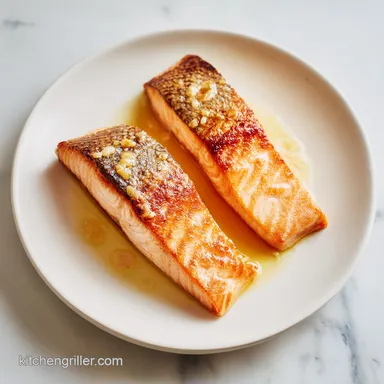
Garlic Butter Salmon: Pan-Seared and Crisp
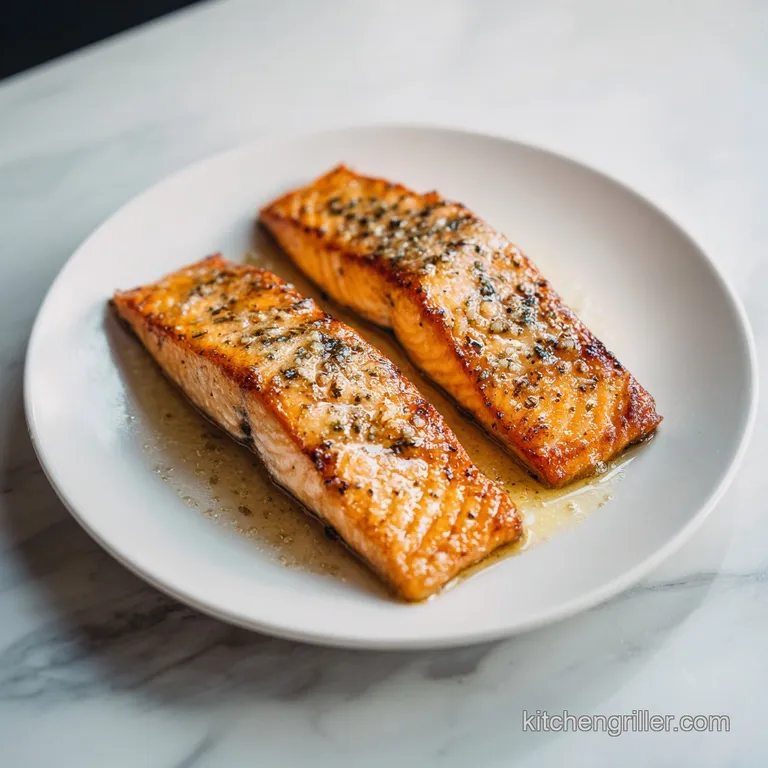
- Time: 10 min active + 15 min cook = 25 min total
- Flavor/Texture Hook: Shatter crisp skin with a buttery, lemony glaze
- Perfect for: Fast weeknight dinner or a low carb meal prep
- The Best Easy Garlic Butter Salmon
- Why This Simple Method Works
- Essential Ingredients and Swaps
- Tools You Actually Need
- Component Analysis
- Step by Step Cooking Process
- Fixing Common Salmon Mistakes
- Creative Ways to Change It
- Adjusting the Batch Size
- Truth About Salmon Myths
- Storage and Leftover Hacks
- Best Sides for Your Meal
- Recipe FAQs
- 📝 Recipe Card
The loud, aggressive sizzle of skin hitting a hot pan is the only sound I want to hear on a Tuesday night. I used to struggle with salmon, usually ending up with a fish that was either raw in the middle or dry as a bone. I spent way too long trying to find the "secret," only to realize it was all about moisture.
The real hero here is the unsalted butter. While some people try to use olive oil or margarine for the finish, they just don't have that same rich, creamy quality that clings to the fish.
Butter allows the garlic to mellow out and the lemon to pop, creating a sauce that feels like something from a bistro but takes almost no effort.
You can expect a dish that hits every note. The skin becomes a thin, crispy cracker, and the flesh remains tender. This Garlic Butter Salmon is my go to because it uses one pan and minimal tools, making the cleanup fast.
The Best Easy Garlic Butter Salmon
Right then, let's get into why this works. Most people flip their fish too early or use a pan that isn't hot enough, which leads to that annoying sticking problem. If you've ever ripped the skin off your fillet and felt your soul leave your body, you're not alone. I've been there.
The trick is getting the surface bone dry. Any bit of water on that skin creates steam, and steam is the enemy of a crisp crust. Once you've patted it dry, the avocado oil does the heavy lifting. It has a high smoke point, meaning it won't burn or smell like a campfire before the fish even hits the pan.
Once the skin is set, the butter baste is where the magic happens. By tilting the pan and spooning that foaming garlic butter over the top, you're essentially deep frying the top of the fillet in flavor. It's a fast way to get an even cook without drying out the interior.
Why This Simple Method Works
I've spent a lot of time wondering why some salmon stays moist while others turn into cardboard. It usually comes down to how we handle the heat and the fats.
- Surface Dehydration: Removing moisture from the skin allows it to sear instantly, creating a barrier that prevents sticking.
- Controlled Basting: Spooning butter over the fish cooks the top gently through conduction, which is faster and more flavorful than relying on pan heat alone.
- Acid Integration: Adding lemon juice at the very end stops the butter from feeling too heavy and brightens the overall taste.
- Temperature Gradient: Starting on high heat for the skin and dropping to medium for the butter prevents the garlic from burning.
| Method | Time | Texture | Best For |
|---|---|---|---|
| Stovetop | 15 minutes | Shatter crisp skin | Quick weeknight meals |
| Oven | 20 minutes | Evenly tender | Large groups |
| Air Fryer | 12 minutes | Uniformly crisp | Hands off cooking |
I noticed that when I switched from a non stick pan to a cast iron skillet, the crust improved significantly. The cast iron holds heat better, so the temperature doesn't drop as much when the cold fish hits the oil.
Essential Ingredients and Swaps
For the salmon, I always go with skin on fillets. The skin protects the meat from the direct heat and adds a huge amount of flavor once it's seared. If you can't find avocado oil, grapeseed oil is a great alternative because it also handles high heat without smoking.
For the Salmon
- 4 salmon fillets, 6 oz (170g) each, skin on Why this? Skin on prevents sticking and adds texture
- 1/2 tsp (3g) sea salt Why this? Enhances the natural fish oils
- 1/4 tsp (1g) cracked black pepper Why this? Adds a subtle woody heat
- 1 tbsp (15ml) avocado oil Why this? High smoke point prevents burning
For the Garlic Butter Sauce
- 3 tbsp (43g) unsalted butter Why this? Creates a velvety, rich glaze
- 4 cloves (12g) garlic, minced Why this? Pungent base for the sauce
- 1 tbsp (15ml) fresh lemon juice Why this? Cuts through the fat
- 1 tsp (2g) lemon zest Why this? Concentrated citrus aroma
- 1 tbsp (3g) fresh parsley, chopped Why this? Fresh finish to balance the butter
| Original Ingredient | Substitute | Why It Works |
|---|---|---|
| Avocado Oil | Grapeseed Oil | Similar high smoke point. Note: Neutral flavor |
| Unsalted Butter | Salted Butter | Works fine. Note: Reduce sea salt by 1/4 tsp |
| Fresh Parsley | Dried Parsley | Same herbal note. Note: Less vibrant color and flavor |
| Lemon Juice | Lime Juice | Similar acidity. Note: Shifts flavor toward a tropical profile |
If you're trying to keep things lighter, you can use a light olive oil, but be careful. It can smoke if the pan gets too hot, which might leave a bitter taste on your Garlic Butter Salmon.
Tools You Actually Need
You don't need a professional kitchen to pull this off. A 12 inch cast iron skillet is my top choice, but a heavy bottomed non stick pan works just as well for beginners. The most important tool is actually a stack of paper towels. Seriously, do not skip the drying step.
I also recommend a fish spatula if you have one. They're thinner and more flexible, which means you won't mangle the fillet when you flip it. If you don't have one, a wide turner will do, just be gentle.
Finally,, a small spoon for basting. You want something that can hold a good amount of butter but isn't so large that it splashes oil everywhere.
Component Analysis
Understanding how the ingredients interact helps you adjust the recipe on the fly. It's not about being a scientist, but about knowing what's happening in the pan.
| Ingredient | Science Role | Pro Secret |
|---|---|---|
| Avocado Oil | Heat Conduit | Heat until it shimmers, not until it smokes |
| Unsalted Butter | Flavor Carrier | Add after flipping to prevent burning the milk solids |
| Lemon Juice | pH Balancer | Add at the very end to keep the citrus notes bright |
| Garlic | Aroma Base | Mince finely so it cooks evenly in the butter |
One thing I've learned is that adding the garlic too early is a recipe for disaster. Burnt garlic is bitter and will ruin the entire batch. That's why we wait until the flip.
Step by step Cooking Process
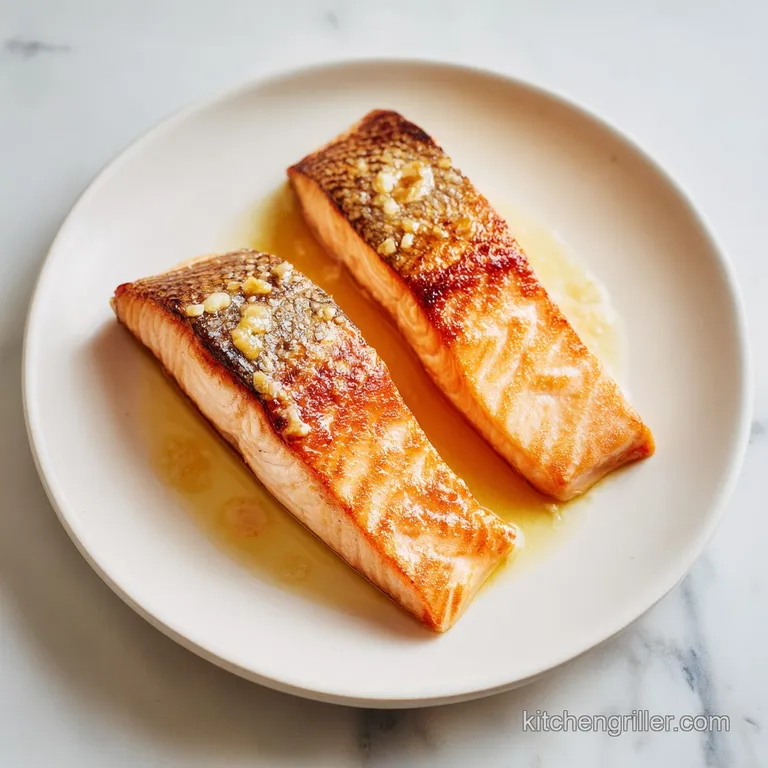
Let's crack on. Make sure your salmon is at room temperature for about 10 minutes before starting. This ensures the middle cooks through without the outside getting overdone.
- Pat the salmon fillets bone dry with paper towels. Season both sides generously with sea salt and cracked black pepper. Note: Dry skin equals crispy skin
- Heat avocado oil in a 12 inch cast iron skillet over medium high heat until shimmering.
- Place fillets skin side down. Press firmly for 10 seconds to ensure full skin contact. Cook undisturbed for 5-6 minutes until the skin is crispy and releases easily.
- Flip the fillets carefully and immediately reduce the heat to medium.
- Add the unsalted butter and minced garlic to the pan. Once the butter foams, tilt the pan and continuously spoon the garlic butter over the salmon for 2-3 minutes.
- Stir in the lemon juice, lemon zest, and chopped parsley during the last 30 seconds of cooking until the sauce is velvety.
- Remove from heat immediately to prevent the garlic from scorching.
- Let the fish rest for 2 minutes on a plate before serving. Note: This lets the juices redistribute
Chef's Note: If you want a deeper flavor, try adding a pinch of smoked paprika to the seasoning. It gives the Garlic Butter Salmon a subtle wood fired taste without needing a grill.
Fixing Common Salmon Mistakes
Even the best of us mess up sometimes. The most common issue I see is salmon sticking to the pan. This usually happens because the pan wasn't hot enough or the fish was too wet. If the fish feels "glued" to the pan, don't force it. Wait another 30 seconds; the skin will naturally release once the sear is complete.
Another common problem is the garlic burning. Since garlic has very little water content, it can go from golden to black in seconds. This is why the heat reduction in step 4 is non negotiable.
Why Your Salmon Is Sticking
If your fish is sticking, it's usually a temperature issue. You need that oil to be shimmering before the fish hits.
| Problem | Root Cause | Solution |
|---|---|---|
| Stuck Skin | Pan too cold | Heat oil until it shimmers |
| Burnt Garlic | Heat too high | Reduce to medium before adding butter |
| Dry Interior | Overcooked | Use a meat thermometer for 145°F/63°C |
Common Mistakes Checklist:
- ✓ Did you pat the skin bone dry?
- ✓ Did you press the fish down for 10 seconds?
- ✓ Did you wait for the skin to release naturally?
- ✓ Did you lower the heat before adding butter?
- ✓ Did you add lemon juice at the very end?
Creative Ways to Change It
Once you've got the basics down, you can start hacking the flavors. For a sweet twist, try a honey garlic butter salmon version. Just whisk in 1 tbsp of honey with the lemon juice. The sugar will caramelize slightly, giving you a sticky, glossy glaze.
If you're feeling fancy, try adding a splash of heavy cream to the pan after the lemon juice. This creates a creamy garlic butter salmon sauce that's incredible over pasta. If you're serving this with a side, a piece of toasted Sourdough Recipe is the best way to soak up every drop of that sauce.
For those who prefer an air fryer garlic butter salmon, you can rub the fillets with the seasoned butter and cook at 400°F (200°C) for about 10-12 minutes. You won't get the same baste, but it's a great time saver.
Adjusting the Batch Size
If you're just cooking for yourself, you can easily scale this down to 2 fillets. Use a smaller pan and reduce the cooking time on the second side by about 20%, as smaller batches tend to heat up faster in the pan.
When scaling up to 8 fillets, do NOT crowd the pan. If you put too much fish in at once, the temperature drops, and you'll end up steaming the fish instead of searing it. Work in batches of 4.
For larger batches, you can also try baked garlic butter salmon. Place the fillets on a sheet pan, top with the garlic butter mixture, and bake at 400°F (200°C) for 12-15 minutes. It's less crispy, but much more convenient for dinner parties.
Truth About Salmon Myths
There's a lot of bad advice out there. For example, many people think searing the fish "seals in the juices." That's simply not true. Searing creates flavor and texture through browning, but moisture loss happens regardless. The goal is to stop cooking at the right time, not to "seal" the fish.
Another myth is that you should always cook salmon until it's opaque all the way through. Actually, according to the FDA, an internal temperature of 63°C/145°F is the standard, but many chefs prefer it slightly lower (medium) for a more tender, velvety texture.
Storage and Leftover Hacks
Leftover Garlic Butter Salmon is actually great, but reheating is where most people fail. If you microwave it on high, you'll turn the fish into rubber. Instead, gently warm it in a pan over low heat with a tiny bit of extra butter to restore the moisture.
Store the fillets in an airtight container in the fridge for up to 3 days. If you're freezing it, I recommend doing it before cooking. Cooked salmon doesn't freeze and thaw as well as raw fillets.
To reduce waste, don't throw away the lemon scraps. You can freeze the spent lemon rinds to infuse into vinegar or use them to flavor a homemade cleaner. If you have salmon skin scraps, simmer them with some onion and celery to make a quick, protein rich seafood stock for a risotto.
Best Sides for Your Meal
Since this dish is quite rich, you need sides that provide a bit of crunch or acidity. Steamed asparagus with a squeeze of lemon is a classic for a reason. It balances the butter perfectly.
For something heartier, a bed of quinoa or wild rice works great. The grains soak up the garlic butter sauce, making the whole plate feel more cohesive.
If you've got room for dessert, something tart is the way to go. A slice of Classic Southern Key Lime Pie provides a refreshing contrast to the savory, buttery notes of the fish.
This Garlic Butter Salmon is a fast, reliable win for any night of the week. It proves that you don't need a ton of equipment or fancy techniques to get a high end result. Just keep your skin dry, your pan hot, and your butter foaming, and you're golden.
Recipe FAQs
Does garlic butter go well on salmon?
Yes, it is a classic pairing. The richness of the unsalted butter and the pungency of the minced garlic balance the natural fattiness of the fish perfectly.
How to cook salmon for a diabetic?
Focus on the healthy fats provided in the recipe. Stick to the avocado oil and lemon for flavor, and avoid adding any sugar based glazes or honey.
How to bake salmon for gastritis?
Bake the fillets instead of pan-searing to avoid high heat oils. Reduce the amount of butter and omit the lemon juice if acidity triggers your symptoms.
What does Gordon Ramsay put on salmon?
He typically uses butter, lemon, and parsley. This recipe follows that professional method by basting the fillets in foaming butter and finishing with fresh lemon and parsley.
How to get the skin crispy?
Pat the fillets bone dry with paper towels before seasoning. Press them firmly into the shimmering avocado oil for 10 seconds and cook undisturbed for 5-6 minutes.
Can I use this recipe to make salmon burgers?
Yes, by flaking the cooked fish and forming patties. For a dedicated version, see our salmon burger recipe.
How to reheat leftover salmon without it becoming rubbery?
Warm it gently in a pan over low heat. Add a tiny bit of extra butter to restore moisture rather than using a microwave.
Garlic Butter Salmon