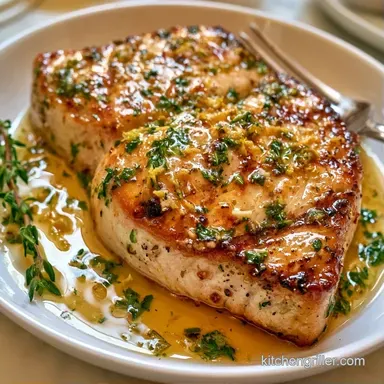
Herb Marinated Grilled Swordfish with Lemon and Oregano
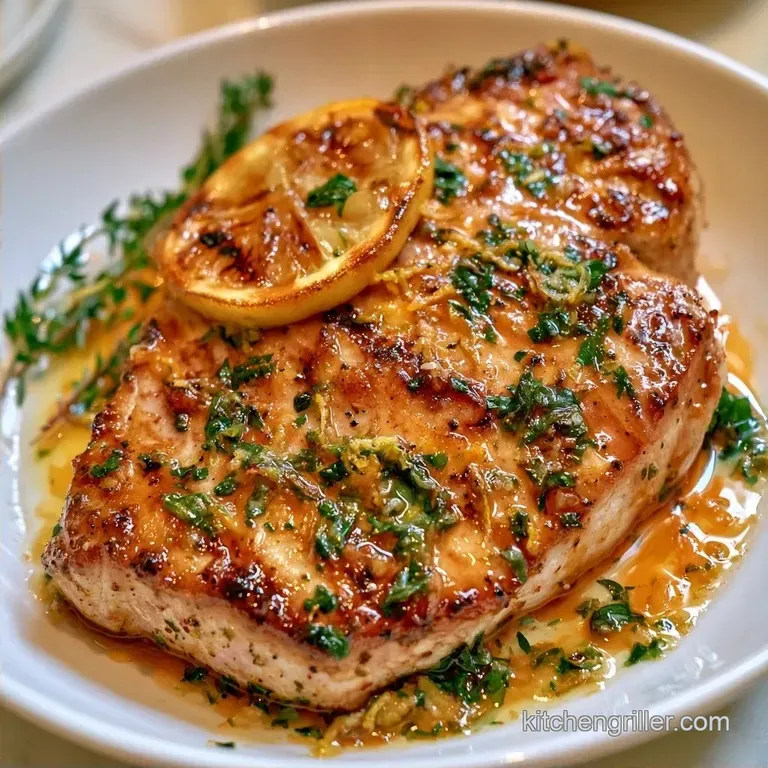
- Time: 15 mins hands-on + 30 mins resting
- The Vibe: A deep mahogany sear with a vibrant, citrusy kick
- Ideal for: An elegant, high-protein meal on a busy weeknight
The scent of grilled garlic and charred lemon always transports me back to the Mediterranean. I still think about a small beachside spot in Sicily where the swordfish was caught that morning and cooked immediately over open embers.
It wasn't about the presentation; it was all about that perfect tension between the salty, smoky crust and the sharp acidity of the citrus.
Many home cooks handle swordfish as if it were a fragile fillet, but it is essentially a seafood steak. You can be bold with the heat and generous with the spices. If you're too cautious, you'll end up with a piece of protein that lacks character.
That is why this HerbMarinated Grilled Swordfish is so effective. We blend pungent aromatics and acid to balance the heartiness of the fish. The result is a dish that hits every mark, from the earthy notes of thyme to the bright pop of lemon zest.
HerbMarinated Grilled Swordfish
Acid Timing: Limiting the lemon soak to 30 minutes prevents the acid from "cooking" the fish, which keeps the texture firm.
Room Temp Soak: Letting the steaks lose their chill before hitting the grill ensures the center cooks through before the outside burns.
Over High heat Sear: A hot grill creates a mahogany crust that locks in the bold herb flavors.
| Method | Time | Texture | Best For |
|---|---|---|---|
| Fast (This) | 30 min marinade | Firm & Zesty | Weeknight meals |
| Classic | 4+ hour soak | Softer & Milder | Slow Sunday prep |
Recipe Specs
For this dish, precision is the difference between a juicy steak and a piece of rubber. Keep these three checkpoints in mind: your grill must hit 400°F (200°C), the fish needs exactly 30 minutes at room temperature, and you pull it off the heat at 130°F-135°F (54°C-57°C).
The contrast here is what makes it. You have the rich, fatty nature of the swordfish fighting against the sharp, bright acidity of the lemon. When you add the smoky char from the grill, it creates a flavor profile that feels like a coastal vacation on a plate.
Shopping List Breakdown
This dish is built on a smooth blend of citrus and oil. Extra virgin olive oil acts as the vehicle for the fat-soluble notes of the dried herbs. While lemon juice adds a sharp zing, the zest brings a fragrant, aromatic quality.
Fresh garlic serves as the core of the recipe. We prefer fresh cloves for their pungent kick, which surpasses anything found in dried garlic. Earthy notes from thyme and oregano help balance the citrus.
Decision Shortcut:
- Want more spice? → stir in 1/2 tsp red pepper flakes.
- Stronger garlic? → crush 2 additional cloves.
- Extra zestiness? → mix in 1 tsp lemon zest.
Ingredients and Substitutes
- 1/4 cup extra virgin olive oil Why this? Premium oil helps distribute the flavors of the herbs. (Sub: Avocado oil for higher smoke point)
- 2 tbsp fresh lemon juice Why this? Balances the fatty nature of the fish. (Sub: Lime juice for a tropical twist)
- 1 tbsp lemon zest Why this? Delivers intense citrus notes without adding acidity. (Sub: Lime zest)
- 3 cloves minced garlic Why this? Creates a sharp, aromatic foundation. (Sub: 1 tsp garlic powder)
- 1 tsp dried oregano Why this? Brings a traditional Mediterranean herbal note. (Sub: Dried basil)
- 1 tsp dried thyme Why this? Contributes a delicate, woodsy fragrance. (Sub: Dried rosemary)
- 1/2 tsp kosher salt Why this? Enhances taste and improves the crust. (Sub: Sea salt)
- 1/4 tsp freshly cracked black pepper Why this? Provides a gentle, earthy spice. (Sub: White pepper)
- 4 (6 oz) swordfish steaks, 1 inch thick Why this? Meaty consistency withstands high grilling temperatures. (Sub: Thick cut tuna steaks)
- 1 lemon, halved Why this? Charring the lemon sweetens its juice. (Sub: Lime halves)
- 1 tbsp neutral oil Why this? Stops the fish from adhering to the grill. (Sub: Grapeseed oil)
Essential Gear
While you don't need a high end kitchen, a few specific tools make this process much smoother. Using a zip top bag for the HerbMarinated Grilled Swordfish is vital, as it ensures the marinade is pressed into every fiber of the meat.
An instant read meat thermometer is a requirement. Swordfish can transition from "perfect" to "dry" in roughly 60 seconds, so knowing the precise internal temperature is the only way to time the finish correctly.
Lastly, use a reliable grill equipped with a lid. Regardless of whether you prefer gas or charcoal, trapping the heat is key to achieving those mahogany sear marks without drying out the center.
How to Cook It
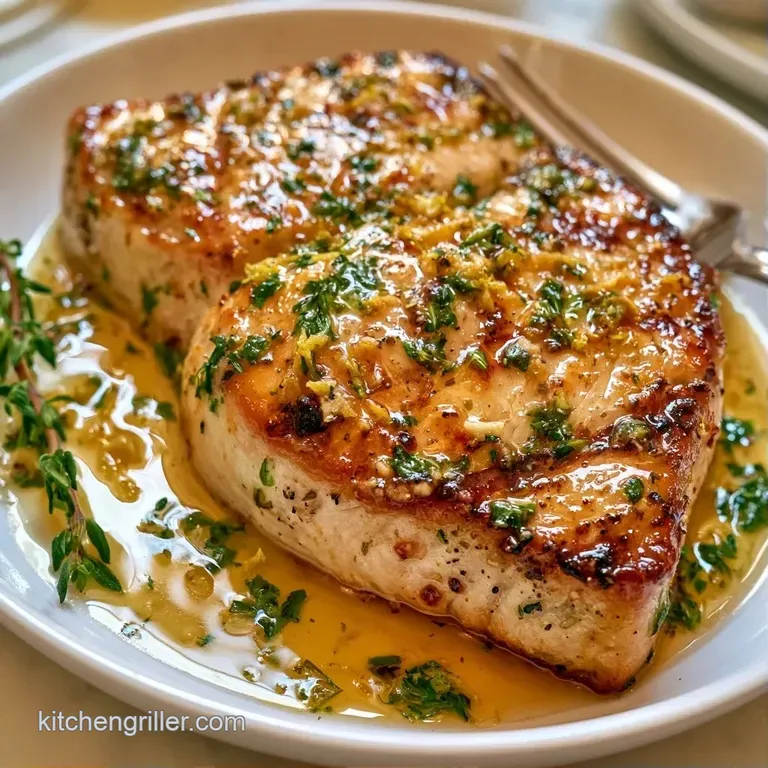
- Whisk the olive oil, lemon juice, zest, garlic, and herbs in a bowl. Note: Whisking well ensures the oil and lemon don't separate.
- Place the swordfish steaks in a zip top bag and pour the marinade over them. Seal and massage the bag to ensure full coverage.
- Allow the fish to marinate at room temperature for 30 minutes. Note: This prevents the "cold to coals" shock.
- Preheat your grill to medium high (approx. 400°F / 200°C) and lightly oil the grates to prevent sticking.
- Place the steaks on the grill and cook for 4-5 minutes per side until a mahogany colored crust and distinct grill marks form.
- In the last 2 minutes of cooking, place the lemon halves cut side down on the grill until caramelized and bubbling.
- Remove the fish from the grill when the internal temperature reaches 130°F-135°F (54°C-57°C).
- Transfer the steaks to a platter and let them rest for 5 minutes before serving. Note: Resting allows the juices to settle back into the fibers.
Solving Grill Issues
If your fish is sticking, it's almost always a temperature issue. If the grates aren't hot enough, the proteins bond to the metal instead of searing. I once spent a whole dinner fighting with a piece of fish that wouldn't budge, only to realize my grill hadn't actually reached 400°F.
Another common issue is the "grey" look. If your HerbMarinated Grilled Swordfish looks grey instead of brown, you've likely overcrowded the grill. This drops the surface temperature and steams the fish instead of searing it. Give each steak at least two inches of space.
Fish Sticking to Grates
The grates are either too cold or not oiled enough. Make sure you see a slight shimmer of smoke before the fish goes on.
Rubbery Texture
This happens when the internal temp climbs past 140°F. Use a thermometer and pull the fish early.
No Char Marks
The grill heat is too low or the fish was too wet. Pat the steaks slightly with a paper towel before grilling.
| Problem | Root Cause | Solution |
|---|---|---|
| Sticking | Grates too cold | Preheat until smoking slightly |
| Rubbery | Overcooked | Pull at 130°F-135°F |
| No Char | Too much moisture | Pat dry before grilling |
| Bland Taste | Short soak time | Ensure full 30 min room temp soak |
Perfect Side Dishes
This dish is bold, so you want sides that can either stand up to the heat or cool things down. A crisp arugula salad with a simple balsamic vinaigrette provides a peppery contrast to the grilled fish.
If you want something richer, I highly suggest pairing this with Herb Butter for 4 recipe as a reference for how to add more decadence. , keep it simple with grilled asparagus and a side of quinoa.
The grilled lemon halves are the real winner here. Squeeze that caramelized juice over the fish right before you take the first bite. It adds a depth of flavor that fresh lemon juice just can't reach.
| Premium Ingredient | Budget Alternative | Impact | Savings |
|---|---|---|---|
| EVOO | Canola Oil | Less fruity flavor | $3-5 |
| Fresh Thyme | Dried Thyme | Less floral aroma | $2 |
| Organic Lemon | Conventional Lemon | No noticeable difference | $1 |
Fresh Storage Tips
Remaining HerbMarinated Grilled Swordfish keeps well in the refrigerator for 2 to 3 days. Use a sealed glass container so the strong aromas don't migrate to other foods.
Avoid the microwave for reheating to prevent the fish from becoming rubbery. Instead, warm some olive oil in a skillet over medium heat and cook for 2 minutes per side. This restores the sear without overcooking the middle.
To reduce waste, save any marinade that didn't touch raw fish to use as a cold pasta salad dressing. If the marinade was in contact with raw fish, boil it for 5 minutes first to make it safe.
Simple Diet Changes
If you're watching your carbs, this recipe is already a winner. It's naturally low carb and high protein. For those avoiding nightshades, the recipe is safe, but avoid adding any paprika or chili flakes for heat.
For a different take on the acidity, you can try a with Lemon for 6 recipe approach which leans even harder into the citrus. If you need a dairy-free option, this recipe is already safe as we use olive oil instead of butter.
2 Flavor Twists
- Mediterranean Heat: Add 1/2 tsp of crushed red pepper flakes to the marinade.
- Asian Fusion: Swap the oregano and thyme for ginger and a splash of soy sauce.
2 Diet Swaps
- Nut Free/Seed Free: The current recipe is safe, but ensure your neutral oil isn't peanut based.
- Low Sodium: Reduce the kosher salt to 1/4 tsp and increase the lemon zest to amplify the natural flavor.
Debunking Fish Myths
Some people think you need to marinate fish for hours to get flavor. That's a mistake. Because fish has a more porous structure than beef, the acid in lemon juice can actually break down the flesh too quickly, making it mushy. 30 minutes is the sweet spot.
Another myth is that you should "seal in the juices" by searing. Searing doesn't actually seal anything. It creates flavor through browning. The only way to keep the fish juicy is to monitor the internal temperature and not overcook it.
This HerbMarinated Grilled Swordfish is all about balance. By combining a over high heat sear with a short, punchy marinade, you get a restaurant quality steak that doesn't require a professional kitchen. Just keep an eye on that thermometer and don't be afraid of the char.
Recipe FAQs
How do I grill swordfish steaks?
Set your grill to 400°F and sear the steaks for 4-5 minutes on each side.
Tip: Apply a thin layer of oil to the grates to stop the fish from sticking.
What is the secret to preventing dry swordfish steaks?
Remove the fish from the heat immediately once the internal temperature hits 130°F-135°F.
Tip: Let the steaks rest on a platter for 5 minutes to redistribute the juices.
Which method works best for frozen steaks?
Thaw them completely in the refrigerator before adding them to the marinade.
Tip: Pat the fish dry with paper towels after thawing to help the oil adhere better.
How thick should swordfish steaks be?
Use steaks that are 1 inch thick for the best balance of exterior sear and interior tenderness.
Tip: Check the thickness with a ruler when buying from the fishmonger to keep cooking times consistent.
Is it true that swordfish needs to marinate for several hours to be flavorful?
No, this is a common misconception. A 30-minute soak provides plenty of flavor without breaking down the fish proteins.
Tip: Marinate at room temperature so the steaks cook more evenly on the grill.
When should I remove the fish from the grill?
Pull the steaks off the heat when the internal temperature reaches 130°F-135°F.
Tip: Look for a mahogany colored crust as a visual cue that the sear is complete.
Which side dishes pair best with this fish?
Serve these steaks with light, charred vegetables to complement the lemon and herbs.
Tip: If you enjoyed the high heat searing here, the same logic applies to these grilled vegetables.
Herb Marinated Grilled Swordfish