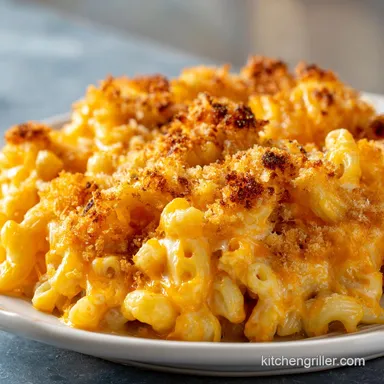
Creamy Baked Mac and Cheese with Sharp Cheddar
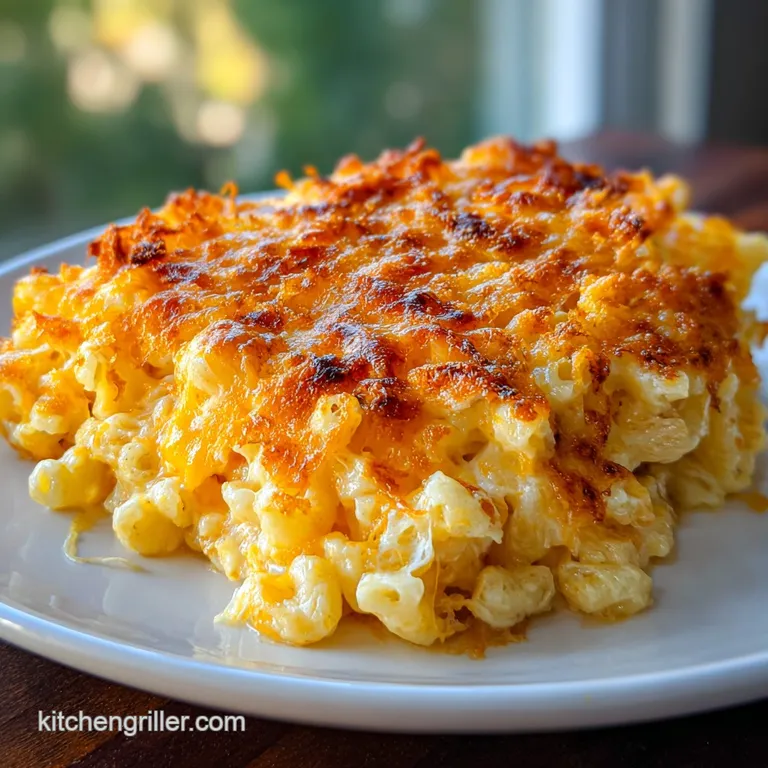
- Time: 15 min active + 25 min baking = Total 40 mins
- Flavor/Texture Hook: Velvety cheese pull with a golden, shatter crisp panko topping
- Perfect for: Vibrant city dinner parties or a cozy indoor night in
- Best Ever Creamy Baked Mac and Cheese with Sharp Cheddar
- Component Analysis
- Essential Gear and Pantry
- Bringing It Together
- Fixing Common Problems
- Troubleshooting Common Issues
- Adjusting the Batch Size
- Common Cooking Misconceptions
- Storage and Zero Waste
- Serving Suggestions
- High in Sodium
- Recipe FAQs
- 📝 Recipe Card
The sound of a bubbling cast iron pan and that sharp, pungent aroma of melting cheddar hitting the oven air is basically my love language. But let's be real, most of us have dealt with the "cheese tragedy." You know the one, where you pull the dish out and the cheese has split, leaving a layer of yellow oil floating on top of some rubbery, overcooked noodles.
It's heartbreaking, especially when you've spent an hour on it.
This is the only recipe you need for the Best Ever Creamy Baked Mac and Cheese with Sharp Cheddar. I stopped relying on those "dump and bake" methods because they always end up dry. Instead, we're going for a proper Béchamel base that grips the pasta. It's the difference between a side dish that feels like an afterthought and one that actually steals the spotlight.
Expect a dish that is intensely cheesy but doesn't feel heavy, with a crust that actually has a snap to it. We're using a mix of sharp cheddar for that punchy flavor and parmesan for a salty, savory depth. Right then, let's get into how we actually make this happen.
Best Ever Creamy Baked Mac and Cheese with Sharp Cheddar
The reason most home versions fail is because they treat the oven as the primary cooking method for the sauce. If you bake the cheese and milk together from scratch, the proteins in the cheese tighten up and squeeze out the fat. That's how you get the oil slick.
By building the sauce on the stove first, we create a stable emulsion that can handle the heat of the oven without breaking.
But what about the noodles? If you boil them until they're soft, the oven just finishes them off into mush. We're going to pull them out of the water while they still have a bit of a bite.
They'll soak up the excess moisture from the cheese sauce during the bake, meaning they stay structured and velvety rather than soggy.
Trust me on the cheese choice. Pre shredded bags are convenient, but they're coated in potato starch or cellulose to stop them from clumping. That starch prevents the cheese from melting smoothly into the sauce, which is why you often get those tiny, grainy lumps. Grating your own block is a bit more work, but it's the only way to get that glossy, professional flow. According to the experts at Serious Eats, the quality of the melt depends entirely on the lack of anti caking agents.
- The Starch Buffer
- Flour and butter create a roux that coats the fat molecules, preventing them from separating.
- The Under boil
- Stopping the pasta early prevents the starches from over expanding and turning into paste.
- The Temperature Bridge
- Using warmed milk prevents the roux from shocking and clumping.
- The Fat Ratio
- High fat whole milk and butter provide the necessary lubrication for the sharp cheddar.
| Method | Time | Texture | Best For |
|---|---|---|---|
| Stovetop | 20 mins | Ultra gooey | Quick weeknight meal |
| Oven Baked | 40 mins | Structured/Crispy | Dinner parties, crowds |
| Slow Cooker | 4 hours | Very soft | Set it and forget it |
Component Analysis
| Ingredient | Science Role | Pro Secret |
|---|---|---|
| Unsalted Butter | Fat Base | Brown it slightly for a nuttier depth |
| All Purpose Flour | Thickener | Whisk for 2 mins to remove "raw" taste |
| Extra Sharp Cheddar | Primary Flavor | Use a block; avoid pre shredded bags |
| Panko Breadcrumbs | Texture Contrast | Toss in melted butter for a golden shatter |
Essential Gear and Pantry
You don't need a professional kitchen for this, but a few specific tools make it way easier. A heavy bottomed pot is key for the sauce so the milk doesn't scorch on the bottom. If you have a cast iron skillet, it's a vibrant choice for baking because it holds heat evenly, though a 9x13 inch ceramic dish is the classic move.
The Pantry List:
- 1 lb elbow macaroniWhy this? Traditional shape that holds sauce in the curves
- 1 tbsp saltWhy this? Seasoning the water is the only chance to flavor the pasta
- 1/2 cup unsalted butterWhy this? Controls the salt levels of the roux
- 1/2 cup all purpose flourWhy this? Standard stabilizer for the Béchamel
- 4 cups whole milkWhy this? Higher fat means a silkier mouthfeel
- 4 cups extra sharp cheddar cheese, freshly gratedWhy this? Punchy flavor that cuts through the fat
- 1 cup parmesan cheese, freshly gratedWhy this? Adds umami and a salty kick
- 1 tsp garlic powderWhy this? Subtle aromatic base
- 1 tsp onion powderWhy this? Adds a savory, rounded sweetness
- 1/2 tsp smoked paprikaWhy this? Mimics a hint of wood fire flavor
- 1/4 tsp cayenne pepperWhy this? Just enough heat to wake up the cheese
- 1 cup panko breadcrumbsWhy this? Lighter and crispier than standard crumbs
- 2 tbsp unsalted butter, meltedWhy this? To toast the topping
- 1/2 tsp paprikaWhy this? Gives the crust a vibrant orange color
Chef's Note: If you're feeling fancy, add a pinch of ground nutmeg to the sauce. It doesn't make it taste like dessert, but it makes the cheese taste "cheesier" by enhancing the creamy notes.
Bringing It Together
Phase 1: The Pasta Prep
- Bring a large pot of salted water to a boil. Add the macaroni and cook for 2 minutes less than the package instructions for al dente. Drain and set aside. Note: This prevents the pasta from becoming mushy in the oven.
Phase 2: Crafting the Sauce
- Melt 1/2 cup butter over medium heat. Whisk in the flour and cook for 1–2 minutes until it smells nutty and looks like a pale paste. Note: Don't let it brown too much or you'll lose the thickening power.
- Slowly pour in the warmed milk, whisking constantly to eliminate lumps. Simmer until thickened enough to coat the back of a spoon. Check: The sauce should feel velvety and hold a line when you drag a finger through it.
- Remove from heat and stir in the sharp cheddar and parmesan until completely melted and glossy. Note: Removing it from the heat prevents the cheese from breaking.
- Fold in the garlic powder, onion powder, smoked paprika, and cayenne pepper. Check: The sauce should be a vibrant orange and smell fragrant.
Phase 3: The Assembly and Bake
- Fold the undercooked pasta into the cheese sauce until every noodle is submerged. Pour the mixture into a 9x13 inch baking dish.
- In a small bowl, mix panko, 2 tbsp melted butter, and paprika; sprinkle evenly over the top.
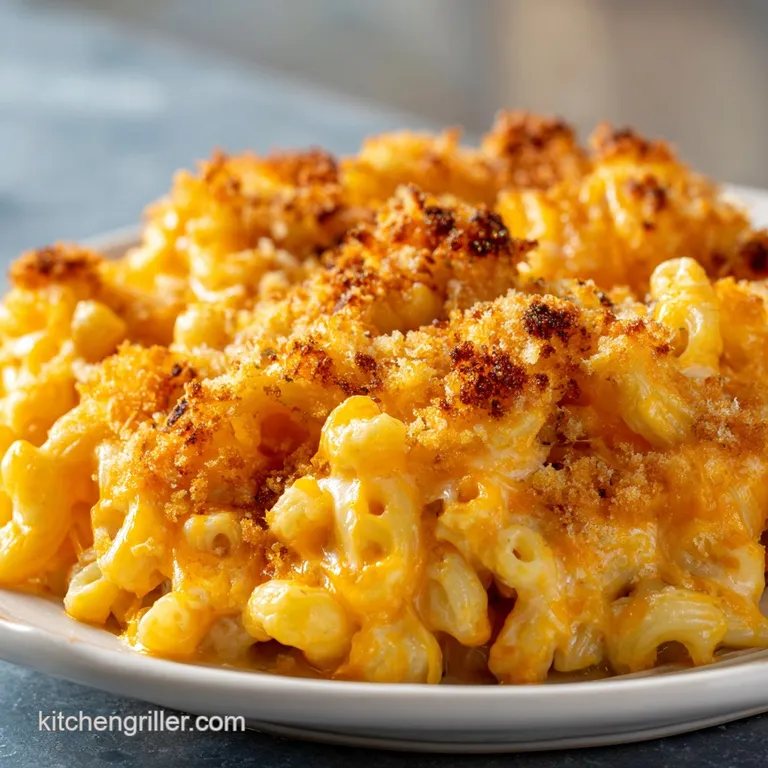
- Bake at 375°F (190°C) for 20–25 minutes until the edges are bubbling and the topping is a deep golden brown. Check: The crust should shatter when touched with a fork.
Fixing Common Problems
Getting a cheese sauce right can be finicky. Most issues happen during the "melt" phase. If you see oil separating, it's usually because the heat was too high or you used pre shredded cheese with too many stabilizers.
Troubleshooting Common Issues
| Issue | Solution |
|---|---|
| Why Your Sauce Is Grainy | This usually happens when the cheese is added to a boiling sauce. The proteins clump together instead of melting. To fix this, always pull the pan off the burner before stirring in the cheese. |
| Why Your Pasta Is Dry | Dry mac usually comes from overcooking the noodles during the initial boil or baking for too long. If the sauce looks too thick before baking, stir in a splash of extra milk. |
| Why Your Topping Is Pale | If the panko isn't browning, you might be using a low temp oven or skipping the melted butter. The butter acts as the conductor for the heat to crisp the crumbs. |
Common Mistakes Checklist
- ✓ Grating your own cheese from a block
- ✓ Pulling pasta out while still firm
- ✓ Warming the milk before adding to roux
- ✓ Removing the pan from heat before adding cheese
- ✓ Using panko instead of traditional breadcrumbs
Adjusting the Batch Size
If you're cooking for a small urban apartment dinner or a massive family reunion, you can scale this. But be careful with the spices, as they don't always scale linearly.
Scaling Down (Half Batch): Use a 8x8 inch square pan. Reduce the baking time by about 5-7 minutes. Since you're using less volume, the heat penetrates the center faster. Use 1/4 cup butter and 1/4 cup flour.
Scaling Up (Double Batch): I recommend working in batches for the sauce so you don't burn the bottom of the pot. Use two 9x13 pans rather than one deep pan, as the middle won't heat through properly in a deep dish. Increase the salt and spices to 1.5x instead of 2x to avoid overpowering the cheese.
If you're baking two pans at once, lower the temp to 350°F (175°C) and extend the time by 10 minutes to ensure even browning.
| Component | Half Batch (4 servings) | Double Batch (16 servings) |
|---|---|---|
| Pasta | 0.5 lb | 2 lbs |
| Milk | 2 cups | 8 cups |
| Baking Time | 18-20 mins | 30-35 mins (per pan) |
| Pan Size | 8x8 inch | Two 9x13 inch |
Common Cooking Misconceptions
One big myth is that adding a tablespoon of cornstarch to the sauce makes it "more stable." In reality, cornstarch can give the sauce a gummy, gelatinous texture that feels artificial. A proper flour roux is all you need for a velvety finish.
Another one is that you need to "sear" the pasta in butter before adding the sauce. While that adds a bit of flavor, it also adds a lot of grease that can lead to that oily separation we're trying to avoid. Just stick to the salted boil and the Béchamel.
Finally,, some people think using low-fat milk is a great way to "lighten it up." Honestly, don't even bother. The fat in whole milk is what carries the flavor of the sharp cheddar. If you want a lighter option, check out my Cottage Cheese Bark recipe for a different kind of creamy craving.
Storage and Zero Waste
Storage Guidelines: Keep leftovers in an airtight container in the fridge for up to 4 days. You'll notice the pasta absorbs more sauce as it sits, so it will be thicker when cold.
Reheating Tips: Don't microwave it on high, or the cheese will separate. Add a tablespoon of milk or cream to the portion, cover it, and heat on medium. This re emulsifies the sauce and brings back the velvet texture.
Freezing: You can freeze this for up to 2 months. I suggest freezing it before adding the panko topping. When you're ready to eat, thaw it in the fridge overnight, then add fresh panko and bake at 375°F (190°C) until bubbly.
Zero Waste Ideas: If you have a bit of leftover cheese sauce but no pasta, use it as a base for a vegetable gratin. Or, if you have the crispy burnt edges from the pan (the best part!), crumble them over a fresh salad for a salty, cheesy crunch. For another comforting baked dinner, you might love this Cheesy Chicken Casserole.
Serving Suggestions
Depending on who you're feeding, you can change how this looks on the plate. This dish is a heavy hitter, so I love pairing it with something vibrant and acidic to cut through the richness.
The Pairing Strategy: A sharp arugula salad with a lemon vinaigrette or some roasted balsamic Brussels sprouts are the best partners here. The bitterness of the greens balances the richness of the sharp cheddar.
Plating Levels:
| Level | Style | Tweak |
|---|---|---|
| Simple | Family Style | Scoop directly from the dish into a wide bowl |
| Polished | Urban Bistro | Serve in a small cast iron skillet with a sprinkle of fresh parsley |
| Restaurant | Gourmet | Use a ring mold for a cylinder shape, top with micro greens and a drizzle of truffle oil |
Right then, you've got everything you need to nail the Best Ever Creamy Baked Mac and Cheese with Sharp Cheddar. Just remember: grate your own cheese, undercook your noodles, and don't rush the roux. It's all about those small details that turn a basic side into something truly special. Enjoy the cheese pull!
High in Sodium
980 mg 980 mg of sodium per serving (43% 43% of daily value)
The American Heart Association recommends a daily sodium limit of no more than 2,300 mg for most adults to maintain heart health.
Tips to Reduce Sodium
-
Reduce Boiling Salt-25%
Reduce or eliminate the 1 tbsp of salt used in the macaroni boiling water, as the cheese sauce provides ample seasoning.
-
Swap Parmesan-15%
Replace the parmesan cheese with a low-sodium alternative or reduce the quantity by half to lower the salt density.
-
Lower-Sodium Cheddar-15%
Use a lower-sodium variety of sharp cheddar or blend in a small amount of unsalted cream cheese for creaminess with less salt.
-
Unsalted Panko-5%
Check your panko labels and ensure you are using unsalted breadcrumbs for the topping.
-
Enhance with Herbs
Add fresh chopped parsley or chives to the final dish to boost flavor without increasing the sodium content.
Recipe FAQs
Why is my cheese sauce grainy?
Pull the pan off the heat before adding cheese. If the sauce is boiling when the cheese is stirred in, the proteins clump together instead of melting smoothly.
Why did my baked mac and cheese turn out dry?
You likely overcooked the pasta or baked the dish too long. To prevent this, boil the noodles for two minutes less than the package instructions to ensure they stay moist during baking.
Is it true that pre-shredded cheese is a suitable replacement for freshly grated?
No, this is a common misconception. Pre-shredded cheeses are coated in cornstarch or cellulose, which prevents them from melting into a glossy, smooth sauce.
How to get a deep golden brown panko topping?
Bake at 375°F (190°C) for 20–25 minutes. Mixing the panko with melted butter and paprika first ensures the topping browns evenly and develops a rich color.
How to reheat leftovers without the sauce separating?
Add a tablespoon of milk and heat on medium power. High microwave settings break the emulsion, while a bit of milk brings back the velvet texture.
How to boil the macaroni for the best texture?
Cook in salted water for 2 minutes less than the package instructions. This keeps the noodles al dente so they don't become mushy after baking in the cheese sauce.
What should I serve with this creamy pasta?
Pair it with something smoky and savory. This dish complements baked beans with bacon perfectly for a hearty comfort meal.
Creamy Baked Mac and Cheese in 40 Mins