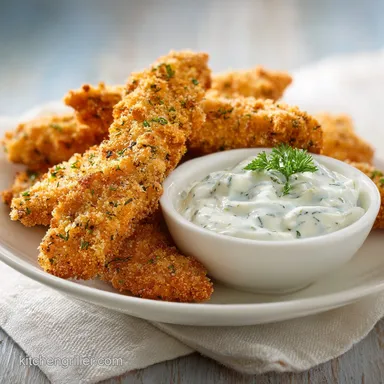
Fried Catfish: Crispy Southern Style
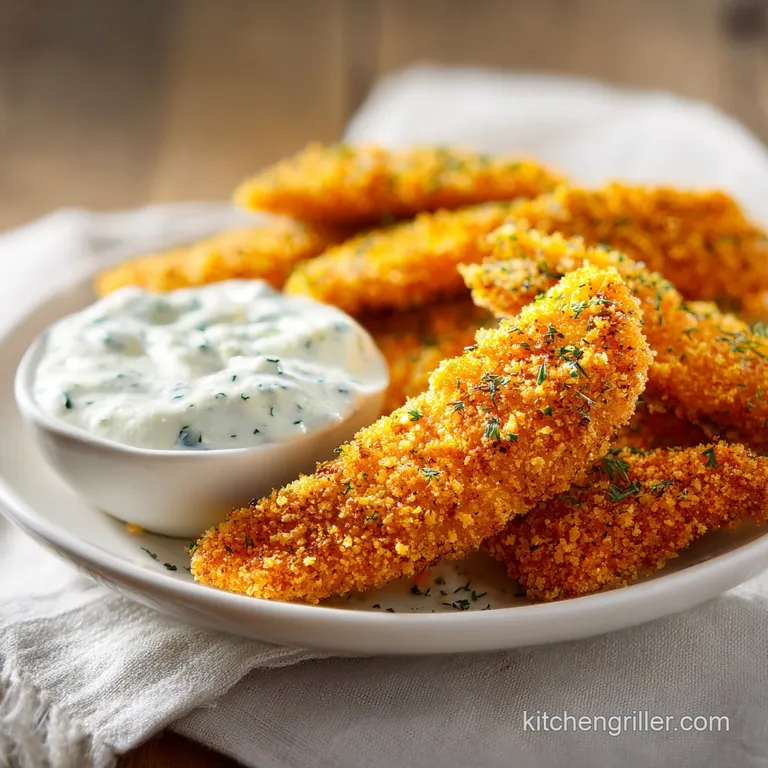
- Time: 20 min active + 20 min resting = Total 1 hours 20 mins
- Flavor/Texture Hook: Mahogany gold crust with a velvety interior
- Perfect for: A vibrant weekend dinner with friends or a soul food feast
- Crispy Fried Catfish
- Secrets to the Crunch
- Component Deep Dive
- The Pantry List
- Kitchen Tool Kit
- Step by Step Process
- Fix Common Frying Flubs
- Changing the Batch Size
- Catfish Common Misconceptions
- Storage and Waste Tips
- Vibrant Serving Styles
- Flavorful Side Pairings
- High in Sodium
- Recipe FAQs
- 📝 Recipe Card
The first time I tried making this, it was a disaster. I just dredged the fish in flour and tossed it in the pan, but the breading slid right off like a wet blanket. I ended up with oily fish and a pan full of burnt crumbs, which is exactly what happens when you skip the prep.
It was a frustrating mess that left me wondering why the restaurant version always looks so clean.
Trust me, you don't want a coating that peels away in one giant sheet. The secret is all in the bond between the fish and the cornmeal. I spent a lot of time experimenting with different dips and temperatures until I realized that the acidity in the buttermilk is what actually locks the crust in place.
Once you get the temperature right, you'll hear that aggressive sizzle the second the fish hits the oil. This recipe for Fried Catfish is all about that specific sound and a mahogany color that tells you the crust is ready to shatter. Let's crack on and get this right.
Crispy Fried Catfish
The key to this dish is getting that specific, gritty crunch without the fish becoming rubbery. Most people rush the dredging process, but pressing the cornmeal firmly into the meat is what creates that protective shell. This prevents the fish from overcooking while the outside gets that deep golden hue.
If you're looking for the best Fried Catfish, you have to respect the oil temperature. If it's too low, the cornmeal just soaks up the grease and gets heavy. If it's too high, you get a burnt exterior and a raw center.
We're aiming for a precise 175°C to ensure the moisture evaporates quickly, leaving behind a crisp, light texture.
When you serve this as fried catfish with tartar sauce, the acidity of the sauce cuts right through the richness of the oil. It's a classic balance that works every single time. Honestly, don't even bother with store-bought tartar sauce, because the fresh dill and lemon juice in the homemade version make a world of difference.
Secrets to the Crunch
I've spent a lot of time figuring out why some coatings fall off while others stay put. It comes down to a few simple physical reactions in the pan.
The Buttermilk Bond: The lactic acid tenderizes the fish slightly and creates a tacky surface that the cornmeal can grip onto.
Cornmeal Grit: Unlike flour, cornmeal doesn't dissolve or soften as quickly, which is why it provides that signature shatter.
Oil Displacement: When the fish hits the oil, the water in the buttermilk evaporates instantly, creating tiny bubbles that push the breading outward and lock it in.
Temperature Stability: Using a heavy skillet keeps the heat steady, so the Fried Catfish doesn't drop the oil temp and become greasy.
Between choosing your ingredients and the actual fry, you have a few paths you can take. Some people prefer a quick dip, while others go for the full soak.
| Feature | Fresh/Traditional Method | Shortcut Method | Impact |
|---|---|---|---|
| Soak Time | 20 minutes in buttermilk | Quick flour dip | Less flavor, thinner crust |
| Breading | Cornmeal and flour mix | Pre mixed breading | Less control over salt/spice |
| Fry Method | Cast iron skillet | Air fryer | Less crunch, healthier |
Component Deep Dive
To get this Fried Catfish right, you need to understand what each ingredient is actually doing in the pan. It's not just about flavor, it's about the structure of the crust.
| Ingredient | Science Role | Pro Secret |
|---|---|---|
| Buttermilk | Surface Tension | Use full fat for a creamier, more adherent coating |
| Cornmeal | Structural Crunch | Use yellow cornmeal for a more vibrant gold color |
| Vegetable Oil | Heat Transfer | Keep it at 175°C to avoid oil penetration |
| Lemon Juice | Acid Balance | Adds to the tartar sauce to cut through the fat |
The Pantry List
For this Fried Catfish, you'll need a few specific staples. I highly recommend getting a high-quality cornmeal, as the grain size affects the final texture.
- 2 lbs catfish fillets, cut into 3 inch strips Why this? Strips cook evenly and provide more surface area for crunch
- 1 cup yellow cornmeal Why this? Provides the essential grit and golden color
- 1/2 cup all purpose flour Why this? Lightens the crust so it's not too heavy
- 1 cup buttermilk Why this? The acid bond that keeps breading attached
- 1 tbsp paprika Why this? Adds a subtle earthy flavor and mahogany color
- 1 tsp garlic powder Why this? Pungent depth that penetrates the crust
- 1 tsp onion powder Why this? Adds a savory, aromatic base
- 1/2 tsp cayenne pepper Why this? A hint of heat to wake up the palate
- 1 tbsp salt Why this? Essential for drawing out fish flavors
- 1 tsp black pepper Why this? Classic sharp contrast to the cornmeal
- 1 quart vegetable oil Why this? High smoke point for safe frying
- 1/2 cup mayonnaise Why this? The creamy base for the tartar sauce
- 2 tbsp pickles, finely minced Why this? Adds vinegary pops of flavor
- 1 tbsp fresh lemon juice Why this? Brightens the overall dish
- 1 tbsp fresh dill, chopped Why this? The signature herbaceous note
- 1/2 tsp Worcestershire sauce Why this? Deep umami kick for the sauce
If you're missing something, don't panic. Most of these have easy swaps.
| Original Ingredient | Substitute | Why It Works |
|---|---|---|
| Buttermilk (1 cup) | Plain yogurt + 1 tbsp lemon juice | Similar acidity and thickness. Note: Slightly tangier |
| Cornmeal (1 cup) | Polenta (fine grind) | Same corn base. Note: Texture may be slightly finer |
| Vegetable Oil (1 qt) | Peanut Oil (1 qt) | Higher smoke point. Note: Adds a very subtle nuttiness |
| Fresh Dill (1 tbsp) | Dried dill (1 tsp) | Same flavor profile. Note: Less vibrant color |
Kitchen Tool Kit
You don't need a professional kitchen to make great Fried Catfish, but a few specific tools make the process much cleaner. I prefer using a heavy cast iron skillet because it holds heat better than thin aluminum, preventing the oil temperature from crashing when the fish goes in.
A wire cooling rack is absolutely mandatory. If you put your fish directly on paper towels, the bottom side will steam and turn soggy within two minutes. You want air to circulate around the entire fillet to maintain that shatter.
I also suggest a digital thermometer. Guessing the oil temperature is how most people ruin their fish. According to Serious Eats, maintaining a consistent temperature is the only way to ensure a crisp exterior without overcooking the interior.
Step by step Process
Right then, let's get into the actual cooking. Follow these steps closely, especially the resting time, or you'll end up with that peeling crust I mentioned earlier.
Phase 1: The Flavor Foundation
- Whisk the buttermilk in a shallow bowl. Submerge the catfish strips, ensuring they are fully coated, and let them rest for 15–20 minutes. Note: This lets the acid penetrate the fish and creates the bond for the breading
- In a second bowl, combine cornmeal, flour, paprika, garlic powder, onion powder, cayenne, salt, and pepper. Whisk until evenly distributed.
Phase 2: The Precision Fry
- Pour vegetable oil into a skillet or fryer and heat to 350°F (175°C). until the oil shimmers and a drop of cornmeal sizzles immediately
- Lift a fillet from the buttermilk, let excess drip off, and press firmly into the cornmeal mixture for a thick, even coating. Note: Pressing is the secret to preventing the coating from falling off
- Carefully lower fillets into the hot oil. Fry for 3–5 minutes per side until the crust is mahogany gold and fish flakes easily
- Transfer fish to a wire rack and season with a pinch of salt immediately. Note: Salting while the oil is still wet on the surface helps the salt stick
Phase 3: The Tangy Finish
- In a small bowl, combine mayonnaise, minced pickles, lemon juice, fresh dill, and Worcestershire sauce.
- Stir the tartar sauce until velvety and refrigerate for 10 minutes before serving.
Fix Common Frying Flubs
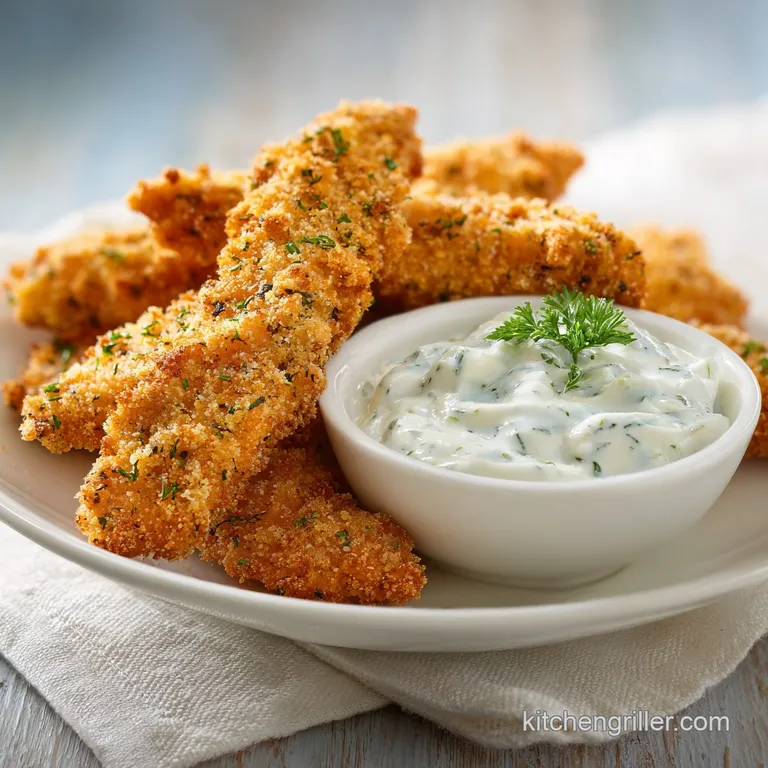
Even with a plan, things can go sideways. Most issues with Fried Catfish come down to moisture and temperature. If the fish feels "mushy" inside, you likely overcrowded the pan, which dropped the oil temp and forced the fish to simmer in grease rather than fry.
Why Your Coating Is Falling Off
This usually happens because the fish was too wet or you didn't press the cornmeal in hard enough. If the buttermilk is dripping off the fillet, it creates a steam barrier that pushes the breading away from the meat.
Why Your Fish Is Burnt Outside but Raw Inside
This is a classic case of oil that is too hot. When the outside sears instantly, it creates a wall that prevents the heat from reaching the center without burning the crust.
| Problem | Root Cause | Solution |
|---|---|---|
| Greasy Texture | Oil temperature too low | Heat oil back to 175°C before adding more fish |
| Peeling Crust | Not pressing breading in | Firmly press cornmeal into fish with your palms |
| Bland Flavor | Under seasoned dredge | Add an extra pinch of salt to the cornmeal mix |
Checklist for Success:
- ✓ Oil is exactly 175°C before the first fillet drops.
- ✓ Fish rested in buttermilk for at least 15 minutes.
- ✓ Fillets are pressed firmly into the dredge.
- ✓ No more than 3-4 fillets in the pan at once.
- ✓ Fish rests on a wire rack, not a paper towel.
Changing the Batch Size
When you're making Fried Catfish for a crowd, the rules change slightly. You can't just quadruple the recipe and throw it all in one giant pot, or you'll end up with a soggy mess.
Scaling Down (½ Batch): If you're just cooking for two, use a smaller skillet to maintain oil depth. You'll notice the oil heats up faster, so keep a close eye on the thermometer.
For the buttermilk, beat one egg into a small amount of buttermilk to ensure the coating stays thick even with a smaller volume.
Scaling Up (2x-4x Batch): Work in batches. This is the only way to keep the quality high. I recommend prepping all the breaded fillets first and keeping them on a tray. When scaling the spices, only increase the salt and cayenne to 1.5x first, then taste a small piece.
Over salting is easy when you're working with large quantities of cornmeal.
| Batch Size | Oil Volume | Temp Adjustment | Cooking Tip |
|---|---|---|---|
| Single (2 lbs) | 1 quart | Standard 175°C | Fry in 2 batches |
| Family (4 lbs) | 2 quarts | Keep 175°C | Use two pans simultaneously |
| Party (8 lbs) | Deep Fryer | Monitor closely | Rest on large cooling racks |
Catfish Common Misconceptions
There are a few things people believe about Fried Catfish that actually hinder the result. Let's clear those up.
Some people think you need to soak fish in milk for hours to remove the "muddy" taste. While a soak helps, 20 minutes in buttermilk is plenty. Over soaking can actually break down the proteins too much, making the fish mushy.
Another myth is that you should "sear" the fish without breading first to lock in juices. This just adds unnecessary cooking time and dries out the meat. The cornmeal crust does a great job of protecting the interior moisture if the oil temperature is correct.
Storage and Waste Tips
If you have leftover Fried Catfish, the fridge is your friend, but the microwave is your enemy. Microwaving fried food turns the crust into a rubbery sponge. Instead, pop them in a 180°C oven for about 5-8 minutes. This re crisps the cornmeal and brings back that shatter.
Fridge: Store in an airtight container for up to 3 days. Keep a piece of paper towel at the bottom to absorb excess moisture. Freezer: You can freeze the fried fillets for up to 2 months. Flash freeze them on a tray first so they don't stick together, then move them to a freezer bag.
Zero Waste Ideas: Don't throw away the leftover cornmeal dredge! If it hasn't touched raw fish, you can use it to bread zucchini or okra. If it has touched raw fish, you can't reuse it, but you can use the leftover buttermilk to make a tangy marinade for chicken or as a base for homemade pancakes.
Vibrant Serving Styles
Since we're keeping this urban and fresh, let's talk about how to present this dish. You can take this from a casual plate to a restaurant style setup with just a few tweaks.
The Simple Plate: Serve the fillets stacked slightly offset on a clean white plate with a lemon wedge and a dollop of tartar sauce on the side. It's clean, direct, and lets the golden color shine.
The Polished Look: Place a bed of vibrant, vinegar based coleslaw on the plate first. Lean the fish against the slaw and drizzle the tartar sauce in a clean line across the fillets. Add a sprinkle of fresh parsley for a pop of green.
The Restaurant Finish: Use a rectangular slate or large platter. Place three fillets in a row, adding small, artistic dots of tartar sauce between them. Garnish with microgreens and a very thin slice of charred lemon.
| Level | Base | Garnish | Sauce Style |
|---|---|---|---|
| Simple | Plain Plate | Lemon Wedge | Side Bowl |
| Polished | Vinegar Slaw | Fresh Parsley | Clean Drizzle |
| Restaurant | Slate/Platter | Microgreens | Artistic Dots |
Flavorful Side Pairings
To make a complete meal, you need sides that balance the richness of the Fried Catfish. Since we're focusing on a fresh, urban vibe, I love pairing this with something bright and acidic.
A zesty corn maque choux or a crisp cucumber salad works wonders here. If you want something more substantial, I highly recommend pairing this with some Blackstone shrimp for a full seafood feast. The garlic butter from the shrimp complements the cornmeal crust perfectly.
For those who want a more filling side, a serving of Hibachi chicken or some seasoned rice provides a great contrast in texture. According to the USDA FoodData, pairing fish with fiber rich vegetables like collard greens or steamed broccoli helps balance the meal's nutritional profile.
This homemade fried catfish with tartar sauce is all about the contrast between the hot, shattering crust and the cool, velvety sauce. Once you've mastered the temperature and the "press" of the breading, you'll never go back to the shortcut methods.
Just remember to keep that oil at 175°C and always, always use a wire rack. Enjoy your meal!
High in Sodium
1120 mg 1120 mg of sodium per serving (49% 49% of daily value)
The American Heart Association recommends a daily limit of 2,300 mg of sodium to maintain heart health and lower blood pressure.
Tips to Reduce Sodium
-
Reduce Added Salt-25%
The 1 tbsp of salt is the primary sodium source; replace it with a potassium-based salt substitute or reduce it to 1/2 tsp.
-
Swap the Pickles-20%
Replace standard pickles with low-sodium pickles or use finely diced fresh cucumber with a splash of white vinegar.
-
Modify the Sauce-20%
Omit the Worcestershire sauce or substitute it with a low-sodium version to cut down on processed sodium.
-
Lighter Mayo-15%
Use a low-sodium mayonnaise or swap half of the mayonnaise for plain Greek yogurt for a creamier, lower-salt base.
-
Amplify Natural Flavors
Increase the amounts of paprika, garlic powder, and onion powder to add bold flavor without needing extra salt.
Recipe FAQs
What sauce goes well with fried catfish?
Tartar sauce is the classic choice. The acidity from lemon juice and minced pickles cuts through the richness of the fried cornmeal.
Is catfish good for diabetic patients?
Yes, in moderation. Catfish is a lean protein, though those monitoring blood sugar should be mindful of the cornmeal and flour breading.
What is the secret to crispy fried catfish?
Maintain oil at 350°F (175°C) and use a wire rack. This prevents the fish from steaming in its own moisture and ensures a mahogany-gold crust.
Does tartar sauce go with fried fish?
Yes, it is a perfect pairing. The creamy mayonnaise and fresh dill complement the savory, seasoned notes of the catfish.
How should I serve the dish for best flavor?
Serve immediately after seasoning with a pinch of salt. This pairs perfectly with a side of jalapeno cornbread for a complete meal.
How do I reheat leftovers without them getting soggy?
Heat in a 180°C oven for 5–8 minutes. Avoid using a microwave, as it turns the cornmeal crust into a rubbery sponge.
Is it true that the fish must soak in buttermilk for several hours to be tender?
No, this is a common misconception. A short soak of 15–20 minutes is all you need to ensure the coating adheres and the fish stays moist.
Fried Catfish for 4 Servings