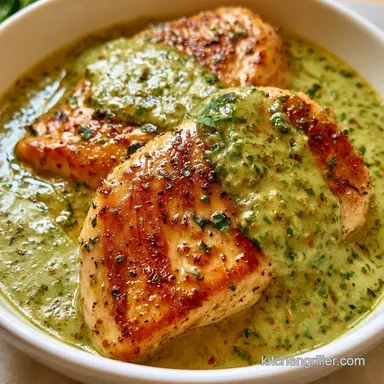
Creamy Skillet Pesto Chicken
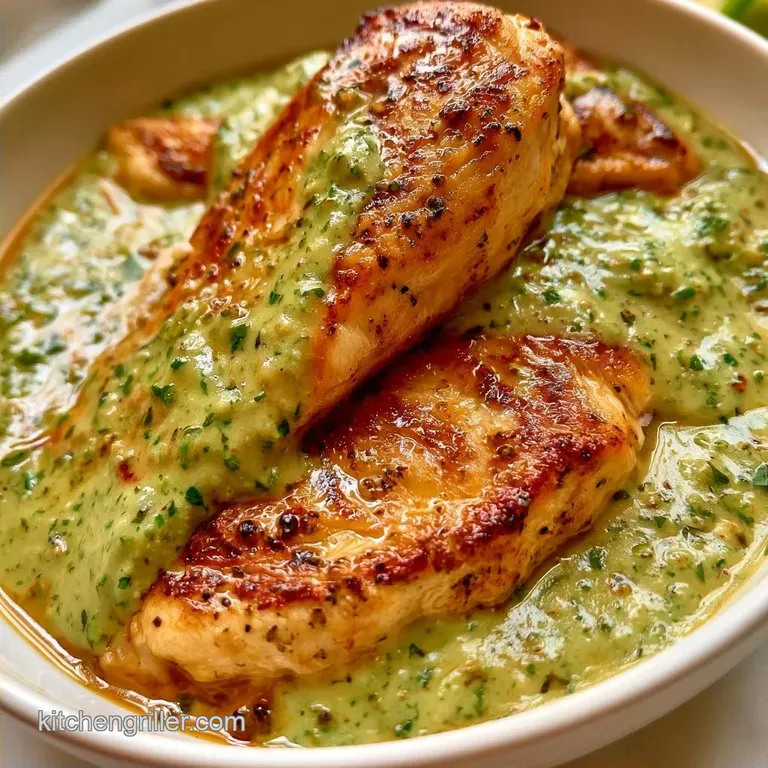
- Time: 10 min prep + 20 min cooking
- Flavor/Texture Hook: Mahogany crusted chicken in a creamy, zesty sauce
- Perfect for: Quick weeknight dinners or a low stress date night
The smell of garlic hitting hot butter in a cast iron pan is honestly the best part of my day. There's something about that sizzle that tells you dinner is actually going to be good. I spent way too long in the past treating pesto like a marinade, only to have it burn in the pan and turn a sad, grayish brown.
Once I realized that pesto is delicate, everything changed. I started searing the meat first to get a deep crust, then folding the pesto into a cream base at the very end. This keeps the color bright and the flavor fresh.
You can expect a luscious, rich sauce that clings to the chicken without feeling heavy. This Skillet Pesto Chicken is a quick win because it looks fancy but doesn't require you to spend two hours in the kitchen.
Why the Method Works
Making Skillet Pesto Chicken depends on a few basic kitchen rules that keep the meat juicy and the sauce vibrant.
Dry Meat: Patting the chicken dry prevents it from steaming. This is the only way to get a deep brown sear instead of a pale, boiled look.
The Cream Buffer: Mixing pesto with heavy cream protects the basil from direct high heat. If you've ever tried my Pesto Chicken Pasta 25m recipe, you know this technique keeps the sauce from separating.
Late Acid: Stirring in lemon juice after the heat is off prevents the cream from curdling while brightening the heavy fats.
| Method | Time | Texture | Best For |
|---|---|---|---|
| Fast Skillet | 30 mins | Seared & Creamy | Weeknights |
| Classic Roast | 60 mins | Tender & Roasted | Sunday Dinner |
Quick Dish Specs
This recipe is designed for speed without sacrificing the flavor. It's a high protein meal that works well with a variety of sides.
The focus here is on the contrast between the crisp exterior of the chicken and the smooth sauce. Since we use cutlets, the cooking time stays low and the heat penetrates evenly.
Essential Ingredient List
The quality of your pesto significantly impacts the final result. When buying store-bought, prioritize options where basil and olive oil are the top two ingredients.
| Ingredient | Role | If You Don't Have It |
|---|---|---|
| Chicken Breasts | Core Protein | Chicken Thighs (richer, more flavor) |
| Heavy Cream | Sauce Base | Half and Half (creates a thinner sauce) |
| Basil Pesto | Key Flavor | Walnut Basil Pesto (earthier profile) |
| Parmesan | Salt & Body | Pecorino Romano (sharper/saltier) |
- 1.5 lbs boneless skinless chicken breasts, sliced into thin cutlets Why this? Thin slices sear more quickly and remain tender
- 1 tsp salt
- 1/4 tsp cracked black pepper
- 2 tbsp olive oil
- 1 tbsp unsalted butter Why this? Enhances richness and helps the garlic brown
- 2 cloves garlic, minced
- 1/2 cup heavy cream
- 1/2 cup basil pesto
- 1/4 cup grated Parmesan cheese
- 1 tbsp fresh lemon juice Why this? Balances the creaminess of the sauce
Needed Kitchen Gear
The choice of pan is important. I prefer a 12 inch cast iron skillet because it retains heat better than stainless steel.
Using a non-stick pan might make it harder to achieve that deep mahogany crust, but it still works for the sauce. Just ensure the pan is large enough to avoid crowding the chicken.
Cooking the Dish
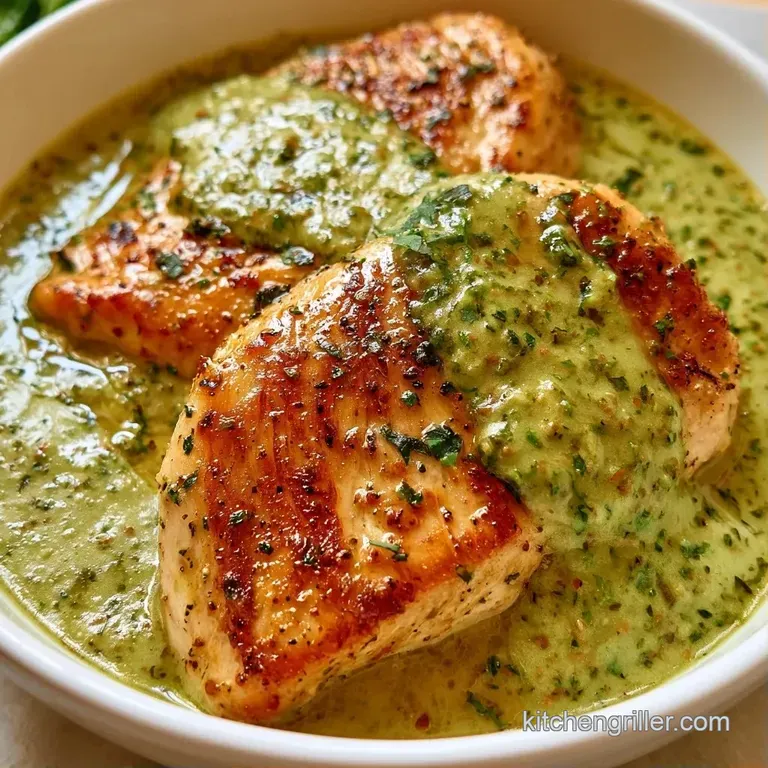
Now, let's move on to the cooking process. Maintain medium high heat for the sear and lower it to medium for the sauce.
Phase 1: The High Heat Sear
- Pat the chicken cutlets dry with paper towels and season evenly with salt and pepper.
- Heat olive oil in the skillet over medium high until it shimmers but doesn't smoke.
- Sear the chicken without crowding the pan for 3–5 minutes per side until a deep mahogany crust forms.
- Transfer the chicken to a plate and tent loosely with foil. Note: Resting allows juices to redistribute
Phase 2: Preparing the Sauce
- Turn the heat down to medium. Melt butter in the same pan, scraping up the browned bits. Sauté minced garlic for 30 seconds until fragrant.
- Pour in the heavy cream and simmer for 2–3 minutes, stirring occasionally, until the sauce thickens slightly and coats the back of a spoon.
- Stir in the basil pesto and Parmesan cheese, whisking until the sauce is a uniform, velvety green.
Phase 3: Bringing it All Together
- Return the chicken and any pan juices to the skillet.
- Simmer for 1–2 minutes to warm the chicken through until it registers 165°F (74°C) internally.
- Remove from the heat and stir in lemon juice to brighten the flavor.
Troubleshooting the Sauce
When making Skillet Pesto Chicken, the most common issue is the sauce consistency. If you're using a cast iron pan, be careful not to overheat the cream, as it can break. I've had similar issues with my Cast Iron Smash Burger where the pan was too hot, causing the fats to split.
Fixing Split Sauce
If the sauce looks oily or separates, the heat was likely too high. Lower the temperature immediately and whisk in a tablespoon of warm water or a splash more cream to bring the emulsion back together.
Preventing Dry Meat
Dry chicken usually happens when you leave it in the sauce too long. Since the chicken is already cooked from the sear, you only need to warm it through. Two minutes is plenty.
Sauce Too Thin
If the sauce is too runny, let it simmer for an extra 60 seconds before adding the pesto. The cream needs time to reduce and thicken on its own.
| Problem | Root Cause | Solution |
|---|---|---|
| Grayish Sauce | Pesto boiled too long | Add pesto at the very end |
| Rubberiness | Overcooked chicken | Use a meat thermometer for 165°F |
| Bland Taste | Lack of acidity | Add an extra squeeze of lemon |
Serving Your Plate
Plating this dish is all about the contrast. Since the Skillet Pesto Chicken is a vibrant green, I love pairing it with something bright or neutral.
For a low carb option, serve it over sautéed baby spinach or roasted asparagus. If you want something heartier, a bed of al dente linguine or a scoop of wild rice works brilliantly.
Chef's Tip: Add a handful of halved cherry tomatoes to the pan during the last two minutes of simmering. They pop slightly and add a fresh, acidic burst that cuts through the cream.
Storage and Waste
Leftover Skillet Pesto Chicken holds up nicely, though the sauce may thicken while refrigerated.
Fridge Storage: Keep in a sealed container for 3 days. When reheating, stir in a teaspoon of cream or water and heat gently on the stovetop. Skip the microwave if possible, as it tends to break the pesto sauce.
Freezing: I wouldn't suggest freezing this meal. The basil's bright hue often fades, and the cream sauce tends to separate after thawing.
Zero Waste: If there's leftover pesto in the jar, freeze it in ice cube trays. You can drop a cube into hot pasta or stir it into a soup later. Also, use the pan drippings as a base for a quick vegetable sauce.
Flavor Twists and Swaps
This recipe is easy to customize based on your dietary needs or whatever you have on hand. If you prefer a more straightforward version, try this Pesto Chicken Breast recipe.
Protein Substitutions: This dish works beautifully with large shrimp or sliced pork tenderloin. For the shrimp, sear for just 2 minutes per side and stir them in at the very end.
Dairy-free Option: Swap the heavy cream for full fat coconut milk and replace the Parmesan with nutritional yeast. This creates a rich, velvety sauce, though it will have a subtle coconut flavor.
Spicier Profile: Mix 1/4 tsp of red pepper flakes in with the garlic. This introduces a mild heat that cuts through the richness of the cheese.
| Goal | Exact Change | Impact |
|---|---|---|
| Zesty Finish | Mix in 1 tsp lemon zest | Brighter, citrusy profile |
| Added Heat | Add 1/4 tsp red pepper flakes | Gentle spicy kick |
| Thicker Sauce | Simmer cream for 1 more minute | More clingy consistency |
Adjusting the scale of Skillet Pesto Chicken is simple, but avoid doubling every ingredient without caution.
Scaling Down (1/2 batch): Use an 8 inch skillet. Reduce the cream reduction time by roughly 20% since there is less liquid to evaporate.
Scaling Up (2x batch): Sear the meat in batches. Crowding the pan with 3 lbs of chicken will drop the temperature, leading to steamed meat instead of a golden crust. Brown the chicken in two separate turns, then prepare the sauce in the full skillet.
To avoid over seasoning, only increase the salt and pepper by 1.5x.
This Skillet Pesto Chicken manages to feel sophisticated while remaining incredibly easy. Once you nail the sear, the rest is just a quick whisk and you're finished. It is a perfect addition to your weekly meal rotation.
High in Sodium
890 mg 890 mg of sodium per serving (39% 39% of daily value)
The American Heart Association recommends a daily limit of 2,300 mg of sodium to maintain heart health and lower blood pressure.
Tips to Reduce Sodium
-
Reduce Added Salt-25%
Eliminate or halve the 1 tsp of salt used for seasoning. The pesto and Parmesan already provide plenty of saltiness.
-
Swap the Pesto-20%
Use a homemade basil pesto or a low-sodium store-bought alternative to avoid processed additives and excessive salt.
-
Minimize Parmesan-15%
Reduce the grated Parmesan cheese by half. The strong flavor of the cheese means you can use less while still tasting it.
-
Boost Fresh Herbs
Stir in extra freshly chopped basil or parsley at the end to add aromatic depth without adding any sodium.
Recipe FAQs
Does pesto go on chicken before or after cooking?
Add it after searing the meat. Pesto contains oil and cheese that burn quickly over high heat, so stirring it into the cream sauce at the end preserves the fresh flavor.
How to make pesto chicken in a pan?
Sear seasoned cutlets in olive oil until mahogany brown. Remove the meat, sauté garlic in butter, and simmer heavy cream before stirring in pesto and Parmesan.
Can I serve this chicken without pasta?
Yes, it works well as a standalone protein. Serve the cutlets over sautéed spinach or steamed broccoli for a lower carb alternative.
Is it true that pesto should be used as a marinade for this dish?
No, and here's why. The basil and garlic in pesto scorch at the temperatures needed to sear chicken, which ruins the flavor and prevents a proper crust.
What sides pair best with this meal?
Light, acidic sides balance the rich cream sauce. Try a crisp garden salad or some grilled corn for a smoky contrast.
Why did my sauce break or separate?
Overheating the heavy cream causes the fat to split. Keep the skillet over medium heat and stir occasionally to maintain a velvety emulsion.
Should I use frozen chicken breasts for this recipe?
Thaw them completely before cooking. Frozen meat releases excess moisture in the pan, which prevents the cutlets from developing a deep mahogany crust.
Creamy Skillet Pesto Chicken