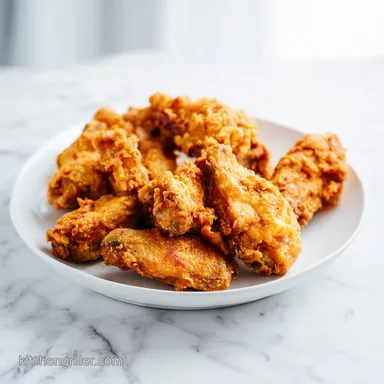
Fried Chicken Wings: Shattering Crust
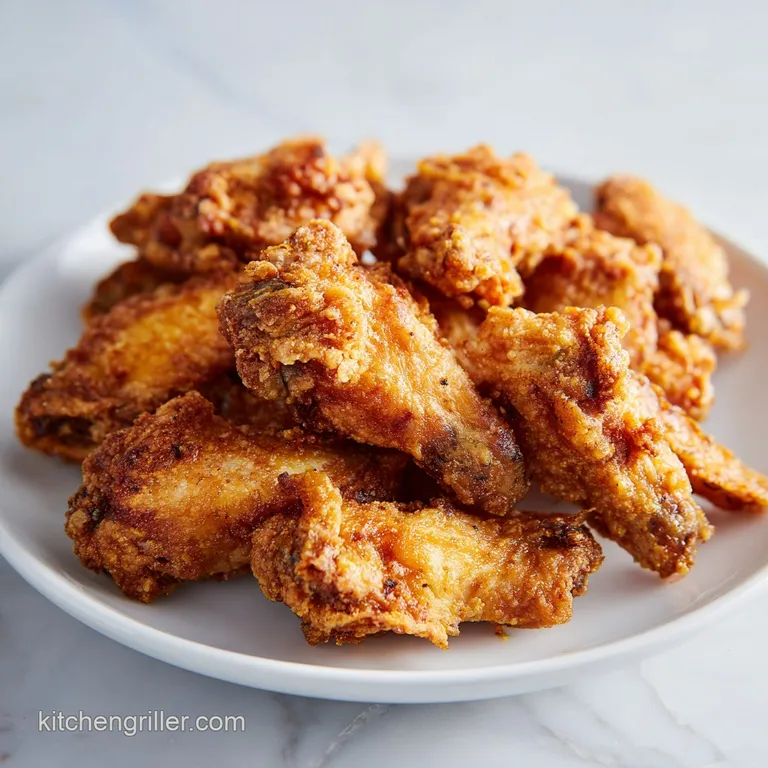
- Time: 10 min active + 15 min cooking = Total 25 min
- Flavor/Texture Hook: Shattering, mahogany gold crust with juicy centers
- Perfect for: Game day hosting, urban dinner parties, or a quick high protein treat
- Making Extra Crispy Fried Chicken Wings
- Necessary Wing Ingredients
- Essential Cooking Gear
- Step-by-Step Frying Process
- Fixing Your Wing Issues
- Troubleshooting Common Issues
- Flavor Tweaks and Sauces
- Adjusting Batch Sizes
- Wing Cooking Myths
- Storage and Waste Tips
- Serving and Plate Ideas
- Critical Sodium Level
- Recipe FAQs
- 📝 Recipe Card
Have you ever wondered why some wings stay crispy for an hour while others turn into soggy sponges the second they hit the plate? It usually comes down to a hidden battle between moisture and heat.
That sudden, aggressive sizzle when the chicken hits the oil is the sound of water evaporating, and if you have too much of it, your crust is doomed.
I remember trying to make these for a small get together in my apartment, using a cast iron skillet I'd just scored. I skipped the drying step because I was in a rush, and the result was a gummy, pale mess that tasted like wet bread.
It was a total letdown, but it taught me that the secret to great Fried Chicken Wings isn't actually the frying, it's the prep.
Now, we're doing this the right way. We're focusing on a thin, seasoned dredge that clings to the skin and a precise oil temperature that ensures the inside is juicy while the outside is crisp. You'll end up with wings that have a loud, audible crunch and a vibrant flavor profile.
Making Extra Crispy Fried Chicken Wings
- Starch Ratio
- Cornstarch inhibits gluten formation, which prevents the coating from becoming "bready" or chewy.
- Moisture Barrier
- The light oil toss before dredging creates a tacky surface that locks the flour in place.
- Thermal Conductivity
- A cast iron skillet holds heat better than thin pans, meaning the oil temperature doesn't plummet when you add the meat.
- Surface Area
- Shaking off excess powder ensures a thin layer that shatters rather than a thick shell that peels.
According to the experts at Serious Eats, maintaining a consistent oil temperature is the only way to prevent the chicken from absorbing too much fat, which is why a thermometer is non negotiable here.
| Method | Time | Texture | Best For |
|---|---|---|---|
| Cast Iron Fry | 15 mins | Shattering & Golden | Small batches/Max crunch |
| Oven Bake | 45 mins | Chewy & Crisp | Large crowds/Healthier |
| Air Fryer | 20 mins | Dry & Crisp | Quick solo meals |
But why do these specific ingredients matter? Let's look at what's actually happening in the pan during this Fried Chicken Wings recipe.
| Ingredient | Science Role | Pro Secret |
|---|---|---|
| Cornstarch | Dextrinization | Creates a glass like crispness |
| AP Flour | Structure | Provides the base for seasoning to stick |
| Neutral Oil | Heat Medium | High smoke point prevents burnt flavors |
| Smoked Paprika | Color/Aroma | Adds a deep hue without needing a grill |
Necessary Wing Ingredients
For the chicken, you'll want a mix of flats and drums to give your platter some variety.
- 2 lbs chicken wings (flats and drums separated) Why this? Balanced meat to skin ratio for frying
- 1 tbsp neutral oil Why this? Acts as a glue for the dredge
For the extra crispy dredge, we keep it simple but punchy.
- 1/2 cup cornstarch Why this? The key to a shattering crust
- 1/2 cup all purpose flour Why this? Adds necessary body to the coating
- 1 tsp salt Why this? Basic flavor enhancer
- 1 tsp garlic powder Why this? Adds savory depth
- 1 tsp smoked paprika Why this? For that mahogany gold color
- 1/2 tsp black pepper Why this? Subtle heat
- 1/4 tsp cayenne pepper Why this? A tiny kick of urban spice
For frying, don't skimp on the volume.
- 1 quart neutral oil (Canola or Peanut) Why this? High smoke point for safe frying
| Original Ingredient | Substitute | Why It Works |
|---|---|---|
| Cornstarch (1/2 cup) | Potato Starch (1/2 cup) | Similar starch properties. Note: Can be slightly crispier but more expensive |
| AP Flour (1/2 cup) | Rice Flour (1/2 cup) | gluten-free option. Note: Results in a thinner, crunchier shell |
| Smoked Paprika (1 tsp) | Sweet Paprika (1 tsp) | Similar color. Note: Lacks the wood fired depth of smoked |
Essential Cooking Gear
You don't need a commercial kitchen, but a few specific tools make this Fried Chicken Wings process way easier. A deep sided cast iron skillet is the gold standard here because of its thermal mass, but a heavy bottomed Dutch oven works just as well.
A digital probe thermometer is your best friend. If you guess the oil temperature, you're gambling with your dinner. You also need a wire cooling rack. Placing fried food on paper towels is a rookie mistake, as the steam gets trapped underneath and turns your bottom crust soggy.
Finally, grab some sturdy tongs and a large mixing bowl. The bowl needs to be big enough to shake the wings vigorously without sending flour all over your kitchen counters.
Step-by-step Frying Process
Let's crack on. Follow these steps exactly to ensure your Fried Chicken Wings get that professional finish.
- Pat every single wing bone dry with paper towels. Note: Any surface moisture will create steam, which kills the crunch.
- Toss wings in a bowl with 1 tbsp of neutral oil. Note: This ensures the dredging powder adheres evenly to every curve.
- Whisk cornstarch, all purpose flour, salt, garlic powder, smoked paprika, and black pepper in a large bowl.
- Add wings to the flour mixture and shake vigorously until coated, then lift each wing to shake off any excess. Note: Excess flour leads to a "cakey" texture.
- Heat 1 quart of oil in your cast iron skillet to 350°F (175°C) using a thermometer.
- Fry wings in small batches of 5-6 for 8-12 minutes, turning occasionally until they are deep mahogany gold. Note: Overcrowding the pan drops the oil temp.
- Use a meat thermometer to verify an internal temperature of 165°F (74°C).
- Remove wings and place them immediately on a wire cooling rack. Note: This allows air to circulate around the entire wing.
Chef's Note: If you're serving these for a party, toss them in your sauce the moment they come off the rack. The heat helps the sauce penetrate the crust without making it soggy immediately.
Fixing Your Wing Issues
Even the best of us hit a snag. Usually, the problem is either temperature or moisture. If your Fried Chicken Wings aren't behaving, it's likely one of these common culprits.
Troubleshooting Common Issues
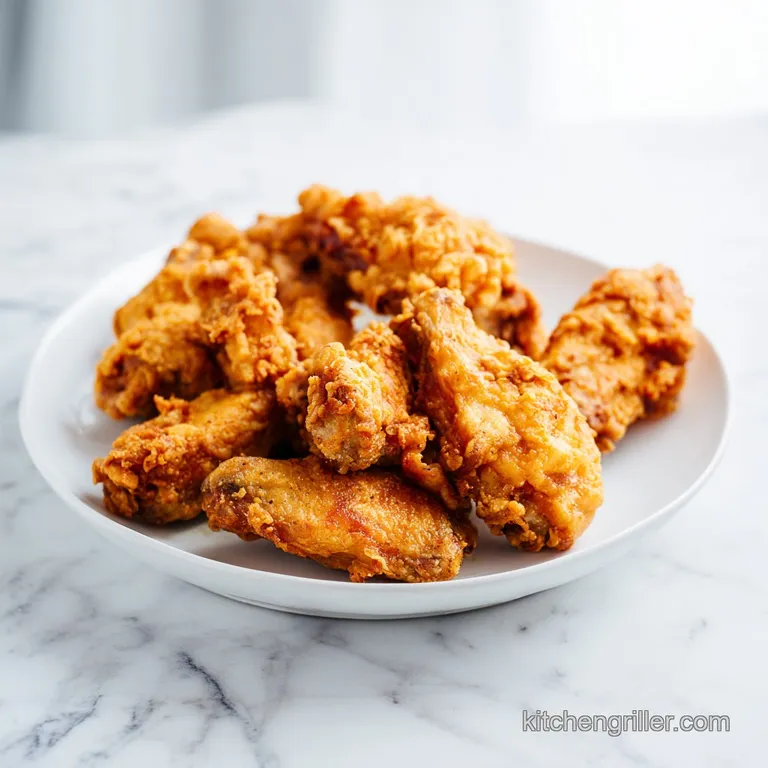
| Issue | Solution |
|---|---|
| Why Your Crust Is Peeling | This usually happens when the dredge is too thick or the wings were too wet. The coating forms a shell that detaches from the skin as it shrinks during cooking. Ensure you shake off the excess flour a |
| Why the Interior Is Raw | This occurs when the oil is too hot. The outside browns and looks done before the heat can penetrate to the bone. Keep your oil at exactly 350°F (175°C) to balance the exterior color with the internal |
| Why Wings Feel Greasy | Greasy wings are a sign of oil that has dropped too low in temperature. When the oil is too cool, the chicken absorbs the fat rather than searing. Fry in smaller batches to keep the heat consistent. |
Common Mistakes Checklist
- ✓ Did I pat the wings completely dry?
- ✓ Is my oil exactly 350°F (175°C)?
- ✓ Am I frying in batches of 5-6?
- ✓ Did I shake off the excess flour?
- ✓ Am I using a wire rack for cooling?
Flavor Tweaks and Sauces
While these Fried Chicken Wings are great plain, a vibrant sauce takes them to the next level. For a classic Buffalo, whisk together melted butter and hot sauce with a splash of apple cider vinegar. If you want something more urban, try a honey sriracha glaze with a squeeze of fresh lime.
For a dry rub, toss the finished wings in a mix of parmesan cheese, dried parsley, and extra garlic powder. The residual oil from the fryer helps the cheese stick and creates a velvety, salty crust.
If you're looking for the perfect side to pair with this, my Southern Hush Puppies are a natural fit. The sweetness of the corn batter cuts through the richness of the fried chicken beautifully.
Adjusting Batch Sizes
When you're scaling this recipe for a crowd, don't just multiply everything blindly. Frying is all about volume and temperature management.
Scaling Down (½ Batch) Use a smaller skillet to keep the oil depth consistent. You can reduce the frying time by about 1-2 minutes since there's less mass in the pan, but always rely on the 165°F internal temp.
Scaling Up (2x-4x Batch) Work in batches. If you try to fry 4 lbs of wings at once, the oil temperature will crash, and you'll end up with greasy meat. Increase the salt and spices to 1.5x rather than 2x, as the concentrated flavor of the dredge can become overpowering in larger quantities.
If you're frying for hours, filter your oil halfway through to remove burnt flour bits.
| Batch Size | Pan Suggestion | Oil Temp Strategy | Batch Size |
|---|---|---|---|
| 1 lb | Small Cast Iron | Standard 350°F | 3-4 wings |
| 2 lbs | Large Cast Iron | Standard 350°F | 5-6 wings |
| 4 lbs + | Heavy Pot | Recover temp between batches | 6-8 wings |
Wing Cooking Myths
There are a lot of "rules" out there that just aren't true. Let's clear some things up.
First, some people swear that double frying is the only way to get a crunch. While it does help, it's not necessary if you use the cornstarch flour blend and a wire rack. If you prefer a different approach entirely, you can check out Smoked Chicken Wings for a method that uses baking powder for a similar result.
Another big myth is that searing the meat "seals in the juices." This is scientifically false. Moisture loss happens throughout the cooking process. The sear is about flavor and texture, not creating a waterproof seal on the meat.
Storage and Waste Tips
If you have leftover Fried Chicken Wings, don't put them in a sealed plastic container while they're still warm. This creates steam that will ruin the crust. Let them cool completely on the rack first.
Storage Guidelines Store in an airtight container in the fridge for up to 3 days. For the freezer, flash freeze them on a tray for 1 hour before bagging them to prevent them from sticking together. They'll stay good for 2 months.
Reheating for Crunch Never use a microwave. It'll turn your wings into rubber. Use an oven or air fryer at 400°F (200°C) for 5-8 minutes. This re crisps the oils in the crust and brings back that shatter.
Zero Waste Tips Don't throw away the wing tips if you bought whole wings. Save them in a freezer bag along with any other chicken scraps. Once you have a quart's worth, simmer them with carrots and celery to make a rich, collagen heavy stock for soups.
Serving and Plate Ideas
Presentation is everything when you're hosting. Instead of a heap of wings on a plate, use a large wooden board or a cast iron platter. Pile the Fried Chicken Wings in the center and surround them with vibrant, fresh elements.
Add sliced celery and carrot sticks for a cool crunch, and serve a side of homemade blue cheese or ranch dressing in a small ceramic bowl. A sprinkle of fresh chopped chives or parsley over the wings adds a pop of color that makes the mahogany gold crust stand out.
For a more urban vibe, serve them in a brown paper liner inside a wire basket. This keeps the wings aerated and prevents the bottom ones from steaming, ensuring every guest gets that signature crunch.
Precision Checkpoints:
- Oil Temp: 350°F (175°C)
- Internal Temp: 165°F (74°C)
- Batch Size: 5-6 wings per round
Critical Sodium Level
2150 mg 2,150 mg of sodium per serving (93% 93% of daily value)
The American Heart Association recommends a daily limit of no more than 2,300 mg, and an ideal limit of 1,500 mg for most adults to reduce cardiovascular risk.
Tips to Reduce Sodium
-
Eliminate Added Salt-30%
The 1 tsp of salt is the primary source of sodium in this recipe; remove it entirely or reduce it by 75% to see the most significant impact.
-
Use Potassium-Based Substitute-20%
Replace table salt with a potassium chloride-based salt substitute to maintain the savory profile while slashing sodium levels.
-
Introduce Acidity-10%
Squeeze fresh lemon or lime juice over the wings after frying; the acidity tricks the tongue into perceiving more saltiness than is actually present.
-
Verify Garlic Powder-5%
Ensure you are using pure garlic powder rather than garlic salt, as some pre-mixed powders contain hidden sodium.
-
Boost Aromatic Spices
Increase the quantity of smoked paprika and black pepper to add complexity and punch to the flavor profile without adding sodium.
Recipe FAQs
What is the secret to crispy wings?
Pat the skin bone-dry with paper towels. Any surface moisture creates steam during frying, which prevents the skin from searing and ruins the crunch.
Are chicken wings good for diabetics?
Consult a physician, as these are high in calories. The cornstarch and flour coatings contribute carbohydrates that may affect blood glucose levels.
What is the best way to make crispy fried chicken wings?
Maintain oil at 350°F (175°C) and fry in small batches. Toss wings in oil and the flour blend, then fry for 8–12 minutes until the internal temperature reaches 165°F (74°C).
Is it better to fry wings in flour or cornstarch?
Use a combination of both. Cornstarch creates a lighter, crispier exterior, while all-purpose flour provides structure and helps seasonings adhere.
What sides pair well with fried wings?
Serve them with hearty, starchy sides. These wings pair perfectly with loaded potatoes for a satisfying meal.
How to reheat wings without them getting soggy?
Heat in an oven or air fryer at 400°F (200°C). Avoid using a microwave, as it turns the meat rubbery and destroys the crispiness of the crust.
Is it true that I can fry all the wings in one large batch to save time?
No, this is a common misconception. Overcrowding the pot drops the oil temperature, which causes the wings to absorb excess grease and lose their crunch.
Fried Chicken Wings in 25 Minutes