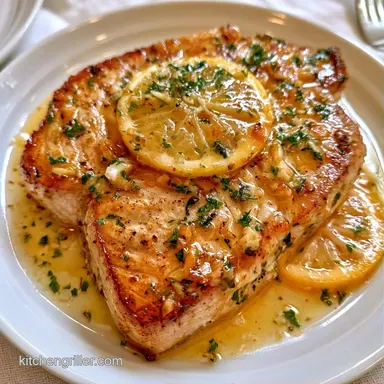
Lemon Garlic Swordfish Steak in 30 Minutes
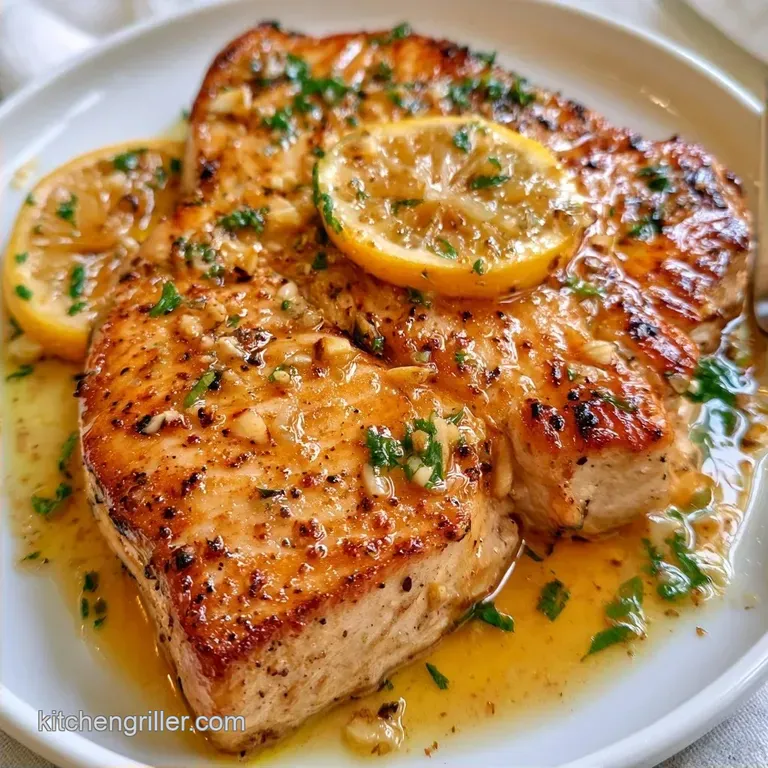
- Time: 20 min prep + 10 min cook
- Flavor/Texture Hook: Buttery, zesty sauce with a deep golden brown crust
- Perfect for: A quick weeknight dinner that feels fancy
The loud sizzle of a hot cast iron pan is the best part of this meal. I used to think swordfish was only for expensive vacations or fancy seafood houses because it seems intimidating to cook. I thought if I messed up the timing by even a minute, I'd end up with something that tasted like a rubber eraser.
But honestly, it's just like cooking a steak. Once you stop overthinking it and focus on the sear, it's one of the easiest proteins to handle. This Lemon Garlic Swordfish Recipe takes away the guesswork.
You can expect a meal that's rich and zesty. We're using a basting technique to keep the fish moist, which is the real trick to avoiding that dreaded toughness.
Easy Lemon Garlic Swordfish Recipe
Dry Surfaces: Patting the fish dry removes surface moisture so it browns in 4 minutes instead of steaming.
Butter Basting: Spooning hot garlic butter over the fish cooks the top while adding a rich, nutty flavor.
| Method | Time | Texture | Best For |
|---|---|---|---|
| Stovetop | 10 mins | Golden crust, juicy center | Fast weeknights |
| Oven | 15-20 mins | Uniformly cooked, softer | Larger batches |
Why the Searing Works
The goal here is the Maillard reaction. That's just a fancy way of saying we want the proteins and sugars to brown. When you hit that high heat with a dry steak, you get a mahogany crust that tastes savory and deep.
Since swordfish is lean, the butter basting acts as a protective layer. It adds fat back into the fish as it finishes cooking, which keeps the meat tender.
The Essential Ingredients
| Ingredient | Role | Substitution Tips |
|---|---|---|
| Swordfish Steaks | Primary protein | Halibut: Milder flavor, quicker cooking |
| Unsalted Butter | Depth and basting | Ghee: Similar taste, stands up to higher heat |
| Fresh Lemon | Brightness to balance richness | Lime: For a tropical variation |
| Garlic | Bold aromatic foundation | Garlic powder: Use 1/4 tsp, mix with butter |
- 2 (6 oz / 170g) swordfish steaks, roughly 1 inch thick Why this? This thickness helps achieve a sear without overcooking the interior
- 1 tbsp (15ml) olive oil Why this? It remains stable at high heat for the initial sear
- ½ tsp (3g) kosher salt
- ¼ tsp (1g) freshly ground black pepper
- 3 tbsp (42g) unsalted butter, split
- 3 cloves (9g) garlic, minced
- 1 tbsp (15ml) fresh lemon juice
- 1 tsp (2g) lemon zest
- 1 tbsp (3g) fresh parsley, finely chopped
Best Tools for the Job
A 12 inch cast iron skillet is my go to for this. It holds heat better than stainless steel, which means the fish doesn't drop the pan temperature when it hits the oil. If you don't have cast iron, a heavy stainless steel pan works too.
You'll also need a pair of tongs for flipping and a large spoon for the basting part. For the lemon, a microplane is handy for the zest, but a fine grater does the job.
Cooking the Swordfish
- Use paper towels to thoroughly pat the swordfish steaks dry on all sides. Note: Excess moisture prevents the crust from forming
- Season both sides of the fish liberally with black pepper and kosher salt.
- Over medium high heat, warm olive oil in a cast iron skillet until the oil shimmers and almost smokes.
- Set the steaks in the pan and press down slightly. Sear without moving for 3-5 minutes until a deep golden brown crust forms.
- Flip the steaks.
- Lower the heat to medium, then add the minced garlic and butter.
- Tilt the pan as the butter begins to foam. Continuously spoon the bubbling garlic butter over the fish for 2 minutes.
- Stir in the lemon zest and juice.
- Take the pan off the heat immediately.
- Top with fresh parsley and pour the remaining pan sauce over the fish.
Fixing Common Issues
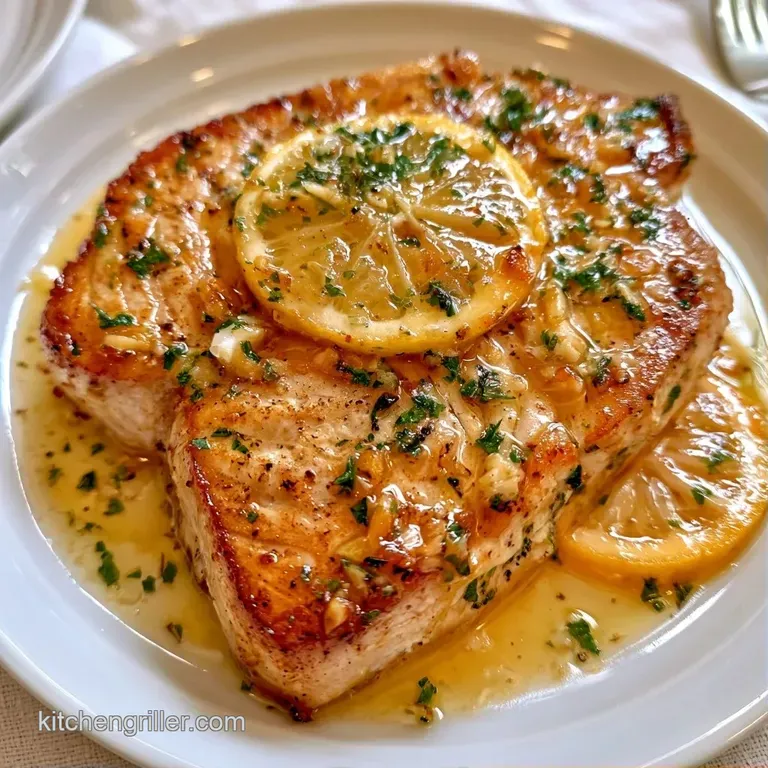
When the fish feels bouncy or tough, it's usually a sign of overcooking. Swordfish is lean, so it doesn't have much margin for error. I once left a steak in for an extra three minutes and it felt like chewing a sneaker.
Pull it off the heat when it's just under your target temp, as it will keep cooking for a few minutes on the plate.
If your garlic turns dark brown or black, the pan was too hot when you added the butter. Garlic burns fast. The trick is to drop the heat to medium before the butter goes in. If it burns, it's better to wipe the pan and start the butter baste over again than to serve bitter fish.
For those who find the fish sticking to the pan, it's usually because they flipped too early. The fish will naturally release from the surface once the crust is fully formed. Be patient.
| Problem | Root Cause | Solution |
|---|---|---|
| Rubbery texture | Overcooked internal temp | Pull fish at 130-135°F |
| Bitter taste | Burnt garlic | Lower heat before adding butter |
| Sticking to pan | Flipped too soon | Wait for the golden crust to release |
Flavor Variations to Try
To boost the heat, stir some red pepper flakes into the butter. This adds a gentle warmth that complements the lemon beautifully. You might also trade the parsley for fresh thyme or dill to achieve a more earthy flavor profile.
If you prefer a gas grill, you can turn this into Grilled Lemon Garlic Swordfish. Just sear the steaks over direct heat for 4-5 minutes per side, brushing them with the lemon garlic butter during the final two minutes of cooking. For further outdoor guidance, take a look at my grilled swordfish steaks.
For a dairy-free alternative, swap in a high-quality olive oil or a vegan butter substitute. Although you'll lose a bit of that nutty richness, the lemon and garlic will still shine.
Adjusting the Portion Size
Scaling this Lemon Garlic Swordfish Recipe down for one person is easy. Just use one steak and halve the butter and garlic. Use a smaller 8 inch skillet so the butter doesn't spread too thin and burn.
When cooking for four or more, don't crowd the pan. If you put four large steaks in one skillet, the temperature drops and the fish will steam instead of sear. Work in batches. Sear two steaks, set them aside on a plate, and then do the next two.
For larger batches, I suggest increasing the salt and pepper to 1.5x rather than 2x. Fish can take on salt quickly, and you don't want to overdo it.
Busting Seafood Myths
It is a common misconception that searing fish "locks in the juices." In reality, water evaporates during cooking regardless of the technique used. The resulting crust isn't a barrier; it's a flavor booster. This browning creates a savory depth that gives the Lemon Garlic Swordfish Recipe a more sophisticated taste.
Similarly, some believe that swordfish requires hours of marinating. Because the steaks are so thick, prolonged marinating often cures the exterior without penetrating the core. A rapid sear and a butter baste deliver more immediate and uniform flavor.
Storing and Zero Waste
Store any remaining portions in a glass jar in the refrigerator for a maximum of 3 days. To maintain the best texture, steer clear of the microwave when reheating; instead, warm the fish in a pan over medium heat with a small knob of butter for 2 minutes.
While cooked swordfish isn't suitable for freezing, raw steaks can be stored in the freezer for up to 3 months. Ensure they are wrapped tightly in plastic and foil to protect them from freezer burn.
Reduce waste by repurposing your lemon peels. Simply place them in a jar of white vinegar for several weeks to create an effective all-purpose cleaner. Similarly, keep your parsley stems; finely chop them and add them to a stock or soup to boost the flavor.
What to Serve Alongside
Since this meal is quite rich, it benefits from a bright accompaniment to balance the flavors. I recommend serving it with outdoor grilled vegetables, such as bell peppers and zucchini. The charred notes of the vegetables complement the seared crust of the fish perfectly.
For a low-carb alternative, a simple sauté of spinach with a splash of lemon juice is an excellent choice. If you prefer something heartier, try a quinoa salad or a wild rice pilaf. The lemon butter sauce from this Lemon Garlic Swordfish Recipe also tastes fantastic drizzled over the rice.
Now you're all set to get started. Just remember to keep your heat high and ensure the fish is patted dry. Trust the timing, wait for that golden brown color, and you'll have a dinner that feels like a true celebration.
Recipe FAQs
How do I cook swordfish steaks?
Sear the seasoned steaks in a shimmering hot cast iron skillet for 3 5 minutes per side. Finish by spooning bubbling garlic butter over the fish for another 2 minutes.
What is the best way to prevent the fish from drying out?
Pat the steaks completely dry with paper towels before seasoning to ensure a proper sear. This creates a golden crust that helps maintain a juicy interior.
Which side dishes pair best with this meal?
Serve this dish with steamed asparagus or a side of rosemary sea salt sourdough. The bread is perfect for soaking up the leftover garlic butter sauce.
Is it true that swordfish steaks should be sliced very thin to cook evenly?
False. Cut your steaks to about 1 inch thick to maintain a juicy center while achieving a deep sear.
Lemon Garlic Swordfish Steak