Marinated Swordfish: Lemon Garlic
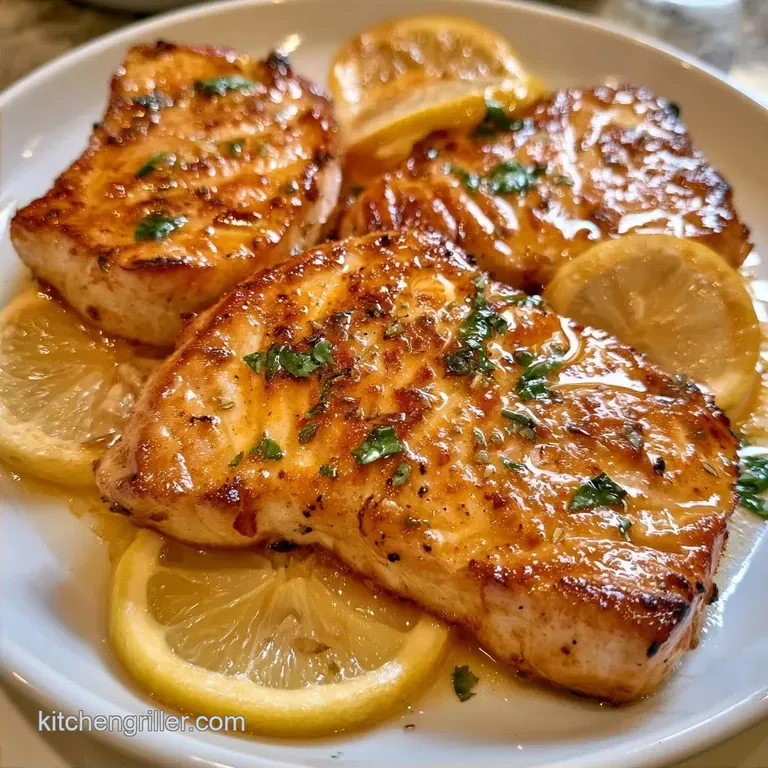
- Time: 10 minutes of work + 30 minutes soaking
- The Appeal: Mahogany char with a buttery center
- Perfect for: High protein weeknight dinner
The scent of lemon zest hitting a hot cast iron pan is enough to whet any appetite. It's a bright, zesty aroma that cuts through the richness of the meat. Across the Mediterranean, swordfish is revered as the "steak of the sea," treated with the same prestige as a prime rib.
It's a staple for those raised on the coast, where the salt air complements the bold notes of garlic and oregano.
This recipe doesn't lean on subtlety; it's designed for a high impact punch. The goal is a deep, caramelized exterior paired with a tender interior.
The resulting meal is hearty yet light. By following the timing exactly, this Marinated Swordfish will deliver a distinct snap on the outside and a melt-in-your mouth feel on the inside.
Bold Flavor Marinated Swordfish
Acid Balance: The lemon juice breaks down the dense muscle fibers of the swordfish. This makes the meat tender without ruining the structure of the steak.
Temperature Control: Letting the fish sit at room temperature for 30 minutes prevents the center from staying raw while the outside burns. It ensures the heat penetrates evenly.
Oil Selection: Avocado oil handles the high heat of a sear without smoking. This keeps the flavor clean and prevents that bitter burnt oil taste.
| Method | Time | Texture | Best For |
|---|---|---|---|
| Stovetop | 8 mins | Heavy Char | Individual steaks |
| Oven | 15 mins | Even Bake | Large family batches |
Quick Recipe Details
This dish hits the sweet spot for those who want a high protein meal without spending all night in the kitchen. The prep is minimal, but the impact is huge. The total time includes the essential marinating phase, which you can't skip if you want the flavors to actually penetrate the meat.
Trust me, don't try to rush the 30 minute soak. The swordfish is much denser than tilapia or cod, so it needs that time for the garlic and oregano to move past the surface. It's a simple process, but the results feel like something from a high end coastal bistro.
Essential Flavor Components
The ingredients here are chosen for their ability to stand up to the strong flavor of the swordfish. We use fresh lemon and plenty of garlic to create a bright, punchy base.
| Ingredient | What It Does | Best Swap |
|---|---|---|
| Extra Virgin Olive Oil | Carries flavor and adds richness | Grapeseed oil (neutral flavor) |
| Lemon Juice/Zest | Tenderizes and adds brightness | Lime juice (adds a zestier, tropical note) |
| Fresh Garlic | Adds a bold, spicy depth | Garlic powder (use 1 tsp, less punchy) |
| Dried Oregano | Provides earthy, herbal notes | Dried thyme (more subtle, floral) |
The Marinade Mix
- 1/3 cup extra virgin olive oil
- 3 tbsp fresh lemon juice
- 1 tbsp lemon zest Why this? Essential oils in the skin provide a deeper citrus aroma
- 4 cloves garlic, minced
- 1 tsp dried oregano
- 1 tsp kosher salt
- 1/2 tsp cracked black pepper
- 1 tbsp fresh parsley, finely chopped
The Main Protein
- 4 6 oz swordfish steaks, 1 inch thick Why this? Center cut steaks cook most evenly
- 1 tbsp avocado oil Why this? High smoke point prevents burning during the sear
Tools for the Job
While a high end kitchen isn't necessary, a few key pieces of gear can elevate the dish. A heavy bottomed cast iron skillet is the top choice; its superior heat retention compared to stainless steel is the secret to that mahogany crust on the Marinated Swordfish.
If you prefer cooking outdoors, a preheated grill is a perfect substitute. For the marinade, a Ziploc bag is most effective, as it pushes the flavors into every crevice and simplifies cleanup. Finally, using a digital meat thermometer helps ensure the steaks stay juicy and aren't overcooked.
Cooking the Steaks
Whisking the Flavor Base
Combine olive oil, lemon juice, lemon zest, minced garlic, dried oregano, salt, and pepper in a small bowl or Ziploc bag. Shake it hard until the oil and lemon juice merge into a thick, glossy liquid.
Rapid Marinating the Steaks
Pat the swordfish steaks completely dry with paper towels. Serious Eats' testing shows that removing surface moisture is the only way to get a real sear. Place the fish in the marinade and massage the liquid in. Let it sit at room temperature for 30 minutes.
Achieving the Perfect Char
Heat your skillet or grill over medium high heat. Brush the surface with avocado oil. When the oil shimmers and just begins to smoke, add the steaks.
Searing the Meat
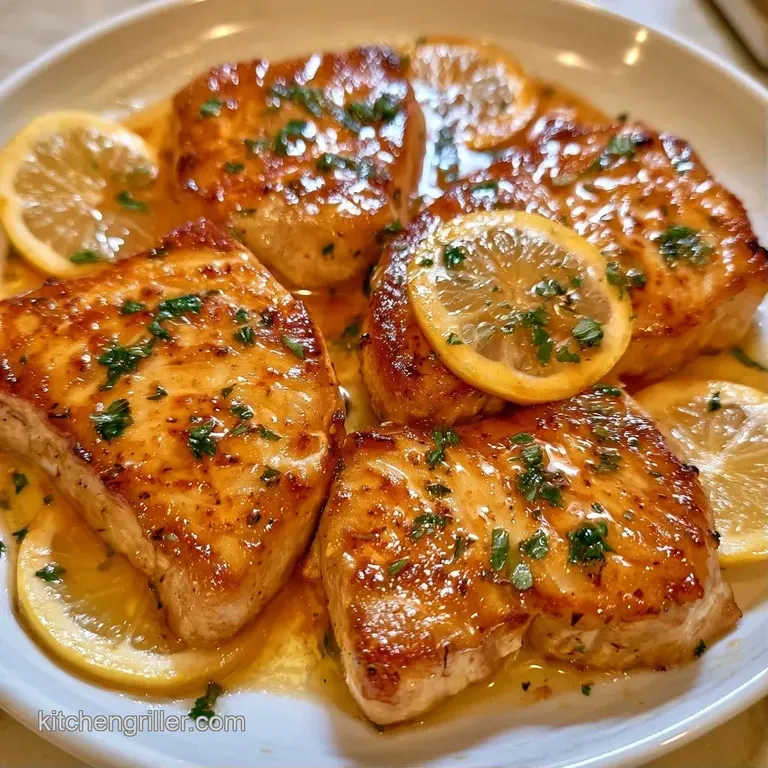
Cook for 3–4 minutes per side. Wait until you see a mahogany colored crust form and the fish releases easily from the pan. The center should have a slight give when pressed.
Resting for Juiciness
Remove the steaks from the heat. Let them rest on a plate for 5 minutes. This allows the juices to redistribute, ensuring every bite is moist.
Avoiding Kitchen Disasters
Fixing Rubbery Texture
A rubbery or bouncy texture is a sign of overcooking. In as little as 60 seconds, swordfish can transition from succulent to tough. Remove the fillets from the heat slightly before they reach the target internal temperature, allowing carry over cooking to complete the process during the resting period.
Preventing Marinade Burn
Extreme pan heat can cause the lemon zest and garlic to burn. If the exterior is turning black rather than golden brown, reduce the temperature to medium. To avoid a bitter, charred crust on your Marinated Swordfish, opt for a more gradual sear.
Stopping Pan Sticking
Sticking is often caused by moisture on the fish or a pan that hasn't reached the proper temperature. Ensure the avocado oil is shimmering before adding the fish. If the fillet clings to the pan, resist the urge to force it; wait another minute for it to release naturally as it sears.
Serving and Pairing Ideas
This dish is bold, so you need sides that can balance the intensity. I love pairing this Marinated Swordfish with something fresh and crisp. A simple arugula salad with a light vinaigrette or some grilled vegetables work perfectly.
For a more filling meal, try serving it over a bed of quinoa or wild rice. The grains soak up the extra lemon garlic juices from the resting plate. If you want a full coastal spread, add some charred asparagus and a wedge of fresh lemon for an extra squeeze of brightness.
Keeping Leftovers Fresh
Keep any remaining Marinated Swordfish in a tightly covered dish in the refrigerator for up to 2 days. Avoid using the microwave for reheating, as this can make the fish rubbery. Instead, warm the steak in a pan over medium heat with a touch of butter for 2 minutes per side.
To reduce waste, save the leftover marinade if it didn't touch raw fish it's excellent as a cold pasta salad dressing. If the marinade was used on the fish, boil it for 5 minutes to produce a safe, concentrated glaze for other seafood.
Changing the Flavor Profile
Switching to an Asian Profile
Replace the oregano and lemon with soy sauce, ginger, and a drizzle of toasted sesame oil. This creates a fusion style Marinated Swordfish that tastes excellent alongside steamed bok choy. If you enjoy this high heat seafood style, my pesto shrimp kabobs follow a similar method.
Adding a Spicy Kick
Stir in one teaspoon of red pepper flakes or a diced habanero to the marinade. This heat cuts through the richness of the fish and introduces a bold, spicy dimension. It is a perfect way to intensify the profile if the standard lemon garlic feels too subtle.
Baked Instead of Grilled
If a grill isn't available, transfer the steaks to a 400°F oven. Bake them for approximately 12-15 minutes. You won't achieve the same charred crust, but the fish will remain incredibly moist.
Quick Adjustments:
- Extra tang? → Add 1 tsp lemon zest
- More heat? → Mix in 1/2 tsp cayenne
- Heartier feel? → Increase thickness to 1.5 inches
Debunking the Sear Myth
It is a common misconception that searing "seals in the juices." In reality, moisture loss happens regardless of the sear. The crust is actually intended for flavor and texture, providing a sharp contrast to the fish's velvety interior.
Additionally, not all swordfish cuts are identical. Center cut steaks offer more consistency than the tail end, which is prone to overcooking. For the best results, always aim for a uniform 1 inch thickness.
For detailed nutrition information on swordfish, visit USDA FoodData Central.
You are now ready to start cooking. This Marinated Swordfish is a high impact meal bold, quick, and full of Mediterranean flavor. Just remember to pat the fish dry and avoid overcooking it. Look for that deep mahogany color and enjoy.
Recipe FAQs
Does swordfish need to be marinated?
It isn't strictly necessary but it helps tenderize the dense meat. The acid in the lemon juice breaks down fibers for a better texture.
When is swordfish cooked through?
Look for a mahogany colored crust and a center that has a slight give. This indicates it is cooked through without becoming dry.
How to cook swordfish steaks?
Sear the steaks for 3 4 minutes per side in a hot skillet with avocado oil. Let them rest for a few minutes before serving to keep the juices inside.
What is the best way to flavor this fish?
Use a blend of lemon zest, garlic, and oregano to complement the meaty profile. For another high acid approach, try the technique used in these Mediterranean shrimp skewers.
Is it true that marinating swordfish makes it rubbery?
Not true. A short 30-minute marinade actually prevents the rubbery texture by softening the muscle fibers.
Which sides pair best with grilled steaks?
Fresh greens or a light quinoa salad balance the richness of the fish. Roasted vegetables also work well to match the charred exterior.
Marinated Swordfish Steaks