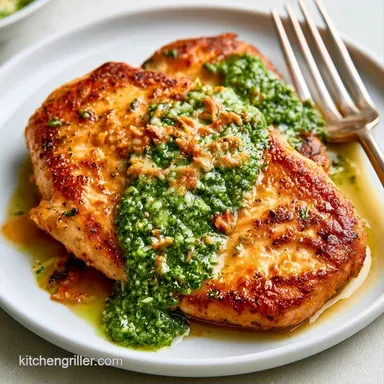
Baked Pesto Chicken Thighs with Crispy Skin
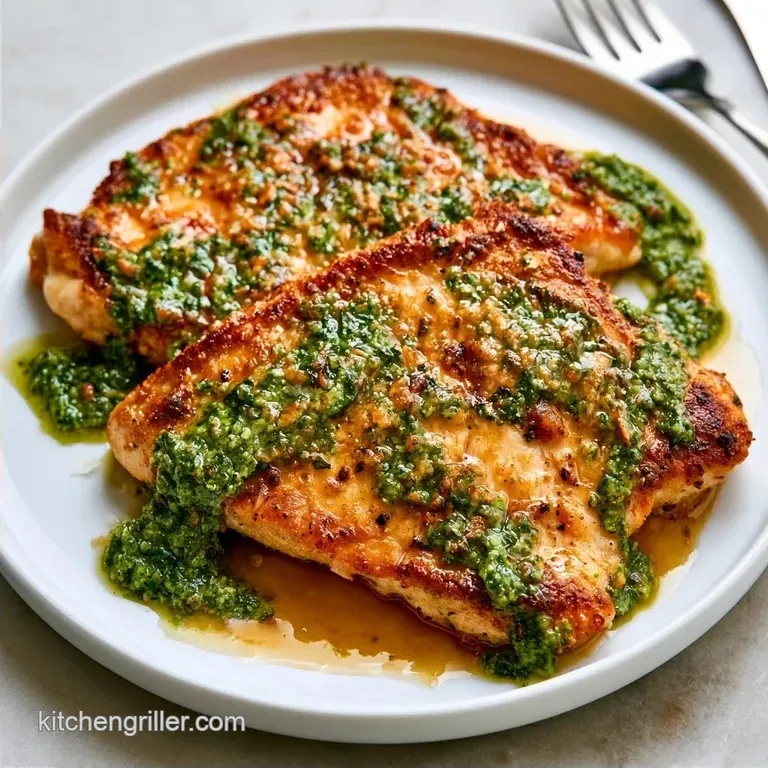
- Time: 10 min active + 30 min cooking
- Flavor/Texture Hook: Shatteringly crisp skin with a salty, garlic heavy glaze
- Perfect for: Busy weeknights or low effort meal prep
The smell of roasting garlic and basil hitting a hot oven is enough to make anyone hungry. I used to struggle with chicken thighs, often ending up with skin that felt like wet cardboard or meat that was dry as a bone. Then I realized the problem wasn't the chicken, it was the moisture.
Once I started patting the skin bone dry and cranking the heat, everything changed. This version of Pesto Chicken Thighs is about efficiency. You get a mahogany crust and juicy meat with almost zero active work once the tray goes in.
It's a reliable dinner that feels like a bistro meal but takes about as much effort as a grilled cheese. No complicated techniques here, just a few smart moves to make sure the skin actually crisps up while the pesto stays bright.
The Truth About the Crisp
Fat Rendering: Bone in, skin on thighs have a layer of fat under the skin. High oven heat melts this fat, effectively frying the skin from the inside out while the meat stays moist.
Acid Balance: Pesto is heavy on oil and nuts. The addition of fresh lemon juice cuts through that richness, making the flavors pop instead of feeling weighed down.
Pesto Placement: Putting pesto under the skin is the real trick. It seasons the meat directly, preventing the flavor from just sitting on top and burning before the chicken is done.
Recipe Specs
When deciding between methods, the oven is almost always the winner for this specific dish. You don't have to stand over a stove dealing with oil splatters, and the heat surrounds the meat.
| Method | Effort | Skin Result |
|---|---|---|
| Oven Bake | Low | Evenly crisp and mahogany |
| Stovetop | High | Patchy browning, more splatter |
The oven provides a consistent environment. Since we're using 425°F (218°C), we get that fast sear on the outside without overcooking the center.
What Makes This Dish Work
Before we get into the list, let's look at why these specific items are in the bowl.
| Component | Purpose | Substitute Notes |
|---|---|---|
| Bone in Thighs | Moisture & Flavor | Boneless works, but skin won't be as crisp |
| Basil Pesto | Primary Flavor | Sun dried tomato pesto for a different vibe |
| Parmesan | Salt & Crust | Pecorino Romano for a sharper, saltier bite |
| Lemon Juice | Acidity | Apple cider vinegar (use less, it's stronger) |
The Building Blocks
Grab these items. Trust me, don't swap the bone in thighs for breasts here, or you'll end up with dry meat.
- 4 (6 oz / 170g) bone in, skin on chicken thighs Why this? More fat equals better flavor and crispier skin
- 1 tsp (6g) kosher salt
- ½ tsp (1g) cracked black pepper
- 1 tbsp (15ml) olive oil
- ½ cup (125g) basil pesto Why this? Provides the herbaceous, silky base for the glaze
- ¼ cup (25g) grated Parmesan cheese
- 1 tbsp (15ml) fresh lemon juice
- 2 cloves (6g) minced garlic
If you're looking for a quick swap, the substitution table below covers the basics.
| Original Ingredient | Substitute | Why It Works |
|---|---|---|
| Basil Pesto | Walnut Pesto | Similar fat content. Note: Earthier flavor |
| Parmesan | Grana Padano | Similar hard cheese profile. Note: Slightly milder |
| Lemon Juice | White Wine | Provides acidity. Note: Less punchy than fresh lemon |
The Necessary Gear
This recipe doesn't require any specialized equipment; a few common kitchen tools are all you need.
- Large rimmed baking sheet: Essential for collecting rendered fat to prevent oven smoke.
- Parchment paper: Keeps the pan clean and saves you from scrubbing for twenty minutes.
- Small mixing bowl: For the pesto glaze.
- Meat thermometer: The only way to guarantee the chicken is safe to eat without overcooking it.
Chef Note: If you have a wire cooling rack that fits inside your baking sheet, use it. Raising the chicken promotes air circulation, which keeps the bottom from getting soggy.
The Cooking Process
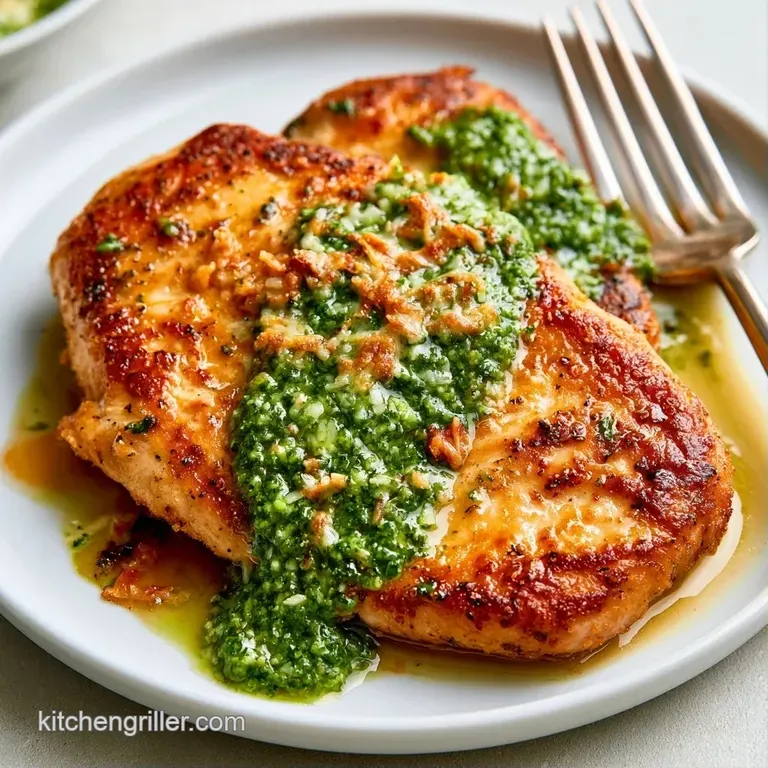
Adhere to these instructions carefully. Precise timing is essential for achieving a rich color without scorching the garlic.
- Set your oven to 425°F (218°C) and line a baking sheet with parchment paper.
- Pat the chicken thighs completely dry using paper towels. Rub them with olive oil and season with cracked black pepper and kosher salt. Note: For maximum crispiness, remove all surface moisture.
- In a small bowl, whisk together the minced garlic, lemon juice, grated Parmesan, and basil pesto.
- Apply the pesto mixture to the tops and sides of each thigh. Carefully lift the skin and place a teaspoon of pesto directly on the meat.
- Position the thighs on the baking sheet, skin side up.
- Roast for 25–30 minutes until the glaze is bubbling and a deep mahogany shade.
- Confirm that the thickest part of the thigh is 165°F (74°C).
- Remove the chicken from the oven and let it rest for 5 minutes to redistribute the juices.
Fixing Common Issues
Even the easiest recipes can go sideways. Here is how to handle it.
Fixing Rubbery Skin
If the skin isn't shattering, it's usually because the chicken was damp when it hit the oil. Next time, be aggressive with the paper towels. If they're already out of the oven and look pale, pop them under the broiler for 2-3 minutes. Just watch them like a hawk so the pesto doesn't burn.
Preventing Burnt Pesto
Pesto has nuts and oil, which can scorch if the oven is too hot or the chicken is too small. If you notice the glaze darkening too quickly, tent the tray loosely with foil for the last 10 minutes. This protects the surface while the internal temp keeps rising.
Handling Uneven Cooking
Since thighs vary in size, some might finish before others. Use a meat thermometer to pull individual pieces off the tray as they hit 165°F (74°C). Don't leave the smaller ones in just because the biggest one isn't done.
Swapping and Tweaking
Pesto Chicken Thighs are a great base for different styles. If you want a more cohesive meal, you can roast baby potatoes right on the same tray. Just toss them in olive oil and salt and start them 15 minutes before adding the chicken.
- - For a deeper crust
- use a dark metal baking sheet.
- - For more tang
- add an extra teaspoon of lemon juice.
- - For a thicker glaze
- reduce the lemon juice by half.
If you're craving something with a sauce, check out this creamy pesto chicken recipe instead. It's a bit more indulgent and works great over noodles.
Storage and Leftover Tips
These stay fresh in the refrigerator for 4 days when kept in an airtight glass container. For reheating, skip the microwave to preserve the skin's crispness; instead, use a toaster oven or air fryer at 350°F (180°C) for 5-8 minutes.
If freezing, ensure the chicken is completely cool. Wrap each thigh in foil and store in a freezer safe bag for 3 months. Defrost in the refrigerator overnight, then heat through in the oven.
Don't throw away the pan drippings. That leftover pesto infused oil is pure gold. Use it to sauté spinach or drizzle it on a slice of toasted sourdough for a simple snack.
The Best Way to Serve
These pair beautifully with nearly any side. A zesty lemon dressed arugula salad provides a refreshing contrast to the rich pesto. For a heartier meal, consider serving them with roasted carrots or a portion of quinoa.
If you're craving some heat, these work perfectly alongside chicken tikka to create a fusion style platter.
Common Kitchen Myths
Searing doesn't actually "lock in" the juices; water loss occurs no matter how you begin the cooking process. For these Pesto Chicken Thighs, the browning is intended to improve the flavor and texture, not to keep the meat hydrated.
While some believe meat should rest for an hour, five to ten minutes is sufficient for chicken. Any longer and your meal will simply get cold.
Additionally, you don't need to splurge on expensive "organic" pesto to get a great result. A quality store-bought version works well here, as the added lemon juice and Parmesan brighten the flavor.
Recipe FAQs
Can you put pesto on chicken thighs?
Yes, it works perfectly. The chicken thighs stay juicy while the pesto creates a savory, flavorful crust.
When should the pesto be applied?
Coat the chicken before it goes into the oven. Sliding some pesto under the skin adds extra depth to the meat.
Is it true that chicken and pesto don't pair well?
That's a myth. The savory basil and Parmesan enhance the natural richness of the dark meat.
Which side dishes complement pesto chicken thighs?
Fresh steamed broccoli or a crisp salad are excellent choices. Serve them with slices of rosemary sourdough to soak up the pan drippings.
How to adapt this for skinless chicken thighs?
Lower the roasting time by a few minutes to avoid overcooking. Ensure the internal temperature still hits 165°F.
What's the best way to shred these chicken thighs?
Pull the meat apart with two forks after the 5-minute resting period. This keeps the chicken moist and easy to separate.
Does the chicken really need to be patted dry?
No, this is a common misconception. Removing surface moisture is the only way to ensure the skin gets properly crisp.
Crispy Pesto Chicken Thighs