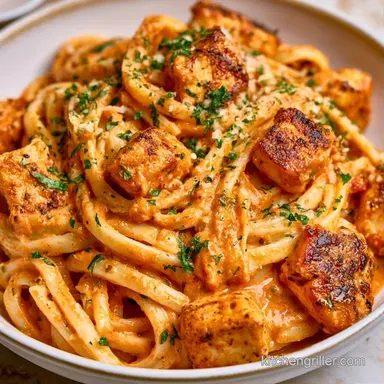
Creamy Sundried Tomato Pesto Chicken Pasta
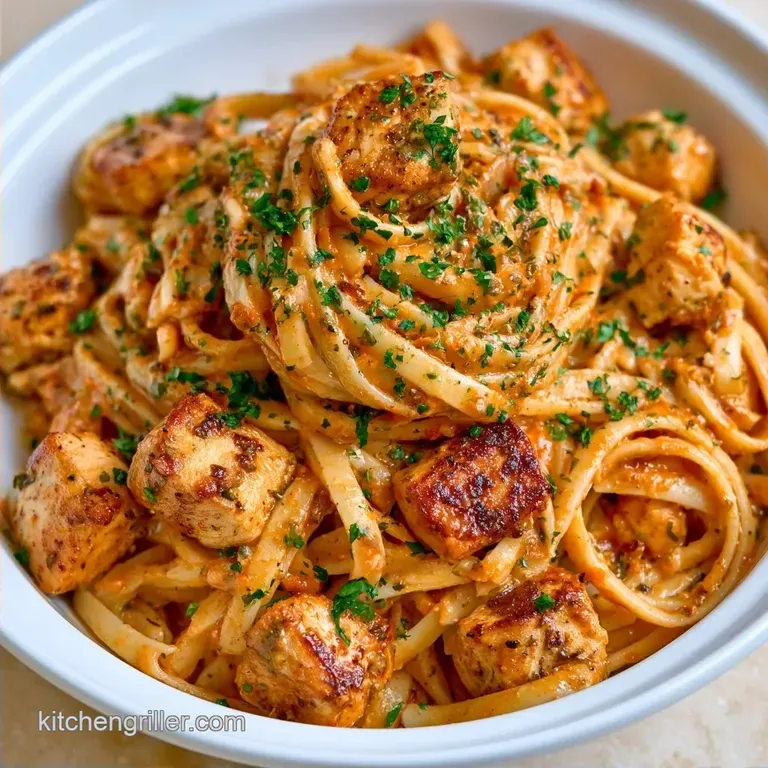
- Time: 5 min active + 25 min cook
- Flavor/Texture Hook: Tangy, mahogany colored sauce with tender chicken
- Perfect for: Busy weeknight dinners or a low effort date night
The sound of chicken hitting a hot skillet with that fragrant, red tinted oil is where this meal starts. I remember trying a version of this in a small trattoria in Tuscany, where the "pesto rosso" wasn't just a condiment, but the heart of the meal.
They didn't use the green basil version we see everywhere, but a concentrated, salty paste of sun dried tomatoes and almonds.
It’s basically the savory, moody cousin of traditional pesto. While green pesto feels like spring, this feels like a cozy autumn evening. It brings a depth of flavor that cuts through the richness of the cream without needing a ton of extra seasoning.
This SunDried Tomato Pesto Chicken Pasta delivers that same intensity but fits into a 30 minute window. You get a deep orange glaze that clings to the pasta, chunks of seared chicken, and a handful of spinach for a bit of freshness.
Why the Flavors Pop
- Starch Binding: Reserved pasta water provides starch that binds the fats in the pesto and cream. This prevents the sauce from separating into an oil slick.
- Oil Infusion: Searing the chicken in the oil from the sun dried tomato jar carries that concentrated tomato flavor directly into the meat.
- Acid Balance: The natural tang of the dried tomatoes cuts through the heavy cream, keeping the dish from tasting too heavy.
Essential Kitchen Gear
You don't need much for this. A large pot for the pasta and a wide, deep skillet are the basics. I prefer a stainless steel or cast iron skillet because it holds heat better for searing the chicken. A colander for draining and a simple whisk or tongs for tossing the pasta will do the trick.
What Each Ingredient Does
The balance here relies on the interaction between the acidity of the tomatoes and the fats of the dairy.
| Component | Purpose | Substitute Notes |
|---|---|---|
| Sun dried Tomato Pesto | Primary flavor and color | Red pepper pesto: a bit sweeter, less tang |
| Heavy Cream | Thickens and mellows the acidity | Half and half: thinner sauce, less rich |
| Pasta Water | Emulsifies the sauce | None: crucial for the texture |
| Parmesan | Adds salty, umami depth | Pecorino Romano: saltier and sharper |
Shopping List and Swaps
Grab these from the store. I suggest using the oil from the pesto jar to save a step and add more flavor.
- 1 lb Penne or Fusilli pasta Why this? Ridges catch the thick sauce (Swap: Rigatoni)
- 1 tbsp salt (for pasta water)
- 1/2 cup reserved pasta water
- 1.5 lbs boneless, skinless chicken breasts, cut into 1 inch cubes (Swap: Chicken thighs for more juice)
- 2 tbsp sun dried tomato oil (from the jar)
- 3 cloves garlic, freshly minced
- 1/2 cup sun dried tomato pesto Why this? Concentrated flavor base (Swap: Homemade red pesto)
- 1 cup heavy cream Why this? Provides a luscious mouthfeel (Swap: Full fat coconut milk for dairy-free)
- 1/2 cup Parmesan cheese, freshly grated
- 2 cups fresh baby spinach (Swap: Kale, but sauté longer)
- 1/2 cup sun dried tomatoes, sliced into strips
- 1/2 tsp salt
- 1/4 tsp black pepper
The Cooking Process
Let's dive in. Coordination is key here to ensure the pasta remains hot until the sauce is finished.
Phase 1: The Pasta Foundation
Bring a large pot of salted water to a rolling boil. Cook the pasta according to the package instructions until it reaches an al dente texture. Checkpoint: Use a measuring cup to save 1/2 cup of the starchy pasta water before draining. Drain the pasta and set it aside.
Phase 2: Searing the Protein
Warm the sun dried tomato oil in a large pan over medium high heat. Arrange the cubed chicken in a single layer. Let it sear undisturbed for 2-3 minutes until a golden brown crust forms.
Stir and cook until the meat is opaque, then stir in the minced garlic for 60 seconds until fragrant.
Phase 3: Creating the Glaze
Reduce the temperature to medium. Mix in the heavy cream and sun dried tomato pesto. Stir continuously until the sauce is a uniform deep orange color and begins to simmer lightly. Fold in the baby spinach and sliced sun dried tomatoes, stirring until the spinach has wilted.
Phase 4: The Final Integration
Combine the cooked pasta and grated Parmesan into the pan. Toss well, adding the reserved pasta water as necessary to achieve a smooth, silky glaze. Checkpoint: The sauce should coat the pasta evenly without pooling at the bottom.
Chef's Note: If using chicken breasts, avoid overcooking them during the searing phase. They will reach full doneness when tossed back into the simmering sauce.
Fixing Common Sauce Issues
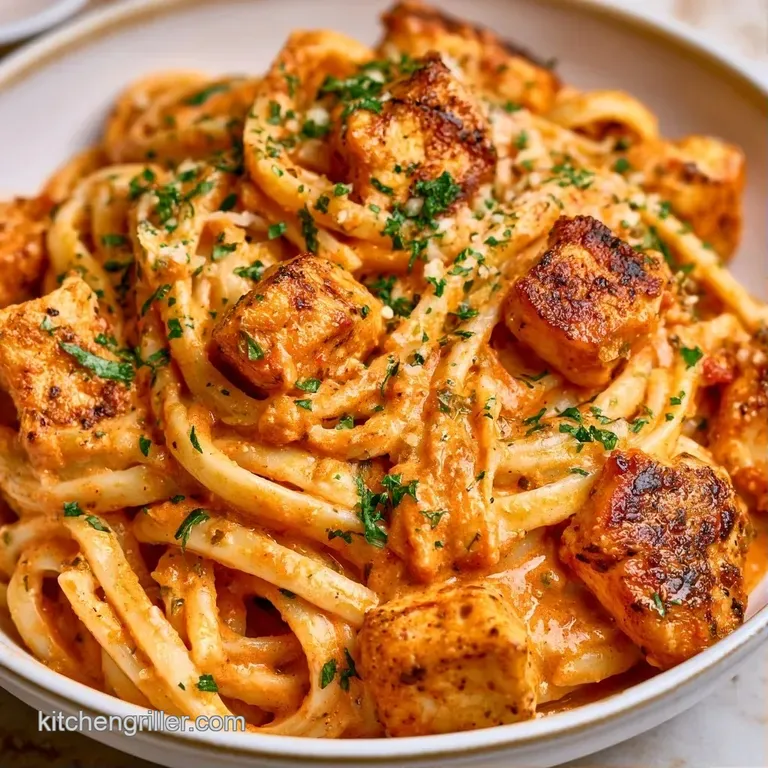
Even with a straightforward Sun-Dried Tomato Pesto Chicken Pasta, using too much heat can lead to a few common mishaps.
Fixing a Separated Sauce
You might notice oil droplets separating from the cream, which typically happens if the skillet was too hot when you added the cream. Move the pan off the heat and whisk in a small amount of pasta water. Serious Eats explains that the starch in the water helps bond the oil and cream back together.
Fixing Rubbery Chicken
If the chicken feels tough, it was likely seared for too long or the pan was too crowded. For a different approach to achieving the perfect texture, you could follow my Chicken Breast for 4 recipe and slice the meat over the pasta.
Thinning Out the Sauce
Because pesto and Parmesan thicken rapidly, the pasta may end up looking dry. To fix this, stir in the reserved pasta water one tablespoon at a time. This loosens the consistency while preserving the rich flavor.
Pasta Truths
The belief that searing locks in juices is a misconception. While browning enhances the flavor through chemical reactions, moisture is lost regardless of the method used.
Contrary to popular belief, adding oil to pasta water doesn't prevent sticking. In fact, it creates a slick surface on the noodles that prevents the sauce from adhering. To avoid sticking, simply use a large pot of salted water and stir occasionally.
Storage and Waste Tips
Keep leftovers in a sealed glass jar in the fridge for 3 days. To reheat, add a splash of water or milk before microwaving to bring the sauce back to life.
For freezing, I recommend freezing the cooked chicken and sauce together, but leave the pasta out. Cook fresh pasta when you're ready to eat and toss the defrosted sauce in. This stops the noodles from turning into mush.
To avoid waste, don't toss the empty pesto jar. Pour a bit of white vinegar or lemon juice inside, shake it up, and rinse out the remaining oil. Use that infused oil for salad dressings or roasting potatoes.
Tweaking the Recipe
You can easily shift this SunDried Tomato Pesto Chicken Pasta to fit your mood.
- Lighter version: Swap the heavy cream for Greek yogurt or a splash of pasta water and a knob of butter.
- Extra bold: Stir in 1/2 tsp of red pepper flakes during the garlic step for a spicy kick.
- More greens: Double the spinach or add frozen peas at the very end.
If you want something even faster for your weeknight rotation, check out my Pasta in 25 Minutes recipe which uses a slightly different base.
Quick Adjustment Guide: Extra tang? → fold in 1 tsp lemon zest More creaminess? → add 2 tbsp Mascarpone Less salt? → use unsalted butter instead of jarred oil
Plating Your Pasta
For a restaurant look, use a carving fork to twirl the pasta into a high mound in the center of the plate. Spoon a few extra strips of sun dried tomato on top for a pop of color.
A sprinkle of fresh parsley or a few shavings of Parmesan adds a nice contrast to the deep orange sauce. I like to serve this with a simple side of arugula tossed in lemon and olive oil to balance the richness.
Stovetop vs Oven Method
| Method | Prep Time | Result |
|---|---|---|
| Stovetop | 30 mins | Glossy, emulsified sauce |
| Oven Bake | 45 mins | Cheesy, browned crust |
Trust me on this, the stovetop version is the way to go for the best texture. Baking can sometimes dry out the chicken and make the cream break.
One last thing: USDA guidance puts the safe internal temperature for chicken at 165°F, so make sure those cubes are cooked through before you add the cream. Enjoy your SunDried Tomato Pesto Chicken Pasta!
High in Sodium
980 mg 980 mg of sodium per serving (43% 43% of daily value)
The American Heart Association recommends a daily sodium limit of no more than 2,300 mg (and ideally closer to 1,500 mg for most adults) to reduce the risk of cardiovascular disease.
Tips to Reduce Sodium
-
Reduce Pasta Water Salt-25%
Significantly reduce or eliminate the 1 tbsp of salt in the boiling water, as most of it is drained away and doesn't flavor the pasta.
-
Swap the Pesto-20%
Use a low-sodium sun-dried tomato pesto or blend your own using fresh basil and nuts to control the salt content.
-
Moderate the Cheese-15%
Reduce the Parmesan cheese by half or use a lower sodium hard cheese alternative for a similar salty punch with less sodium.
-
Replace Added Salt-10%
Omit the 1/2 tsp of salt and instead use a squeeze of fresh lemon juice or a splash of apple cider vinegar to brighten the flavor.
-
Rinse Sun-Dried Tomatoes-10%
Quickly rinse the sliced sun-dried tomatoes under cold water to remove excess brine and surface salt before adding them to the pan.
-
Enhance with Fresh Herbs
Stir in freshly chopped basil, parsley, or red pepper flakes to increase the depth of flavor without adding any extra sodium.
Recipe FAQs
Do pesto and sundried tomatoes go well together?
Yes, they create a rich, savory profile. The concentrated sweetness of the tomatoes perfectly balances the herbal notes of the pesto.
What can I do with a leftover jar of sundried tomato pesto?
Mix it into pasta or use it as a chicken marinade. You can also rinse the empty jar with white vinegar to salvage the infused oil for salad dressings.
Should I apply the pesto to the chicken before or after cooking?
Add it after searing the meat. Stir in the pesto and heavy cream once the chicken is opaque to prevent the pesto from burning over high heat.
What components make a great sun dried tomato pesto pasta?
Combine penne or fusilli with chicken, baby spinach, and Parmesan. Adding reserved pasta water at the end creates a silky, cohesive glaze.
How do I make a pesto pasta recipe?
Boil pasta until al dente while searing cubed chicken in sun-dried tomato oil. Combine the meat with garlic, pesto, and cream, then toss in the pasta and spinach.
Is it true that draining all the pasta water is best for the sauce?
Actually, no. Reserving a half cup of cloudy pasta water is essential for emulsifying the cream and Parmesan into a smooth sauce.
Which side dishes pair well with pesto chicken?
Fresh garden salads or crusty bread work best. If you enjoy the savory crust on the chicken here, you'll appreciate the sear on our pesto chicken thighs.
Does the chicken need to be stirred constantly while searing?
False. Let the cubed chicken sit undisturbed for 2-3 minutes to develop a golden brown crust before stirring.
Sundried Tomato Pesto Chicken Pasta