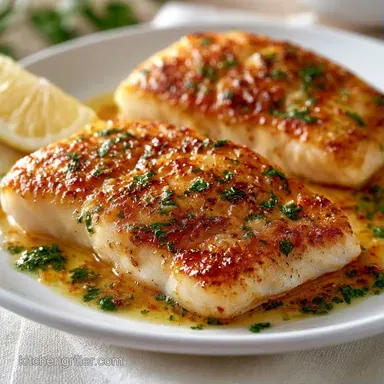
Simple Pan Fried Fish in 15 Minutes
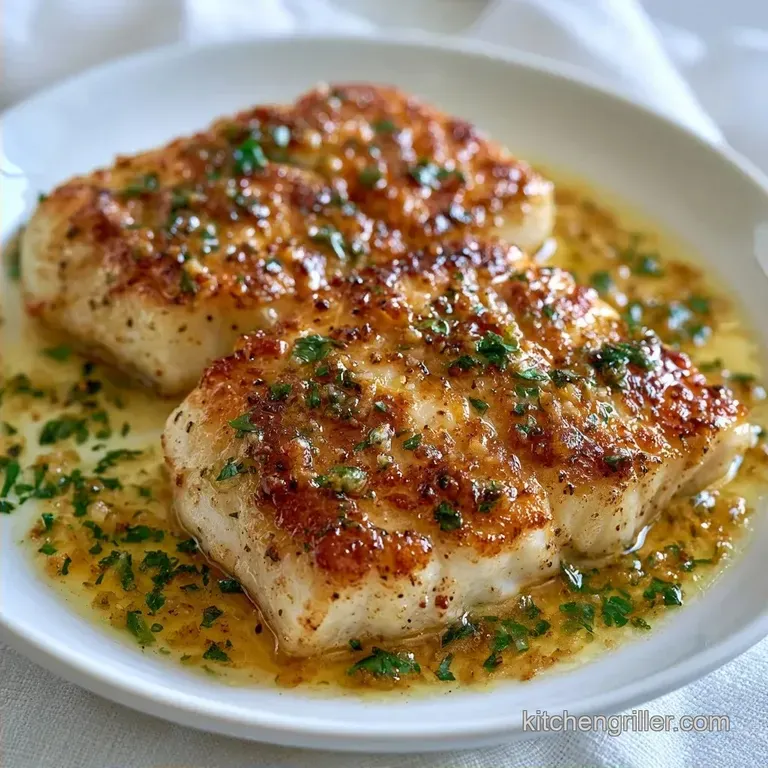
- Time: 5 min active + 10 min cook
- Flavor/Texture Hook: Golden, crispy exterior with a flaky, moist center
- Perfect for: A quick urban weeknight dinner that feels fancy
Ever wonder why restaurant fish has that distinct, shatter crisp crust while home versions often turn out soggy or stick to the pan? It usually comes down to one thing: water. When moisture hits hot oil, it turns to steam, and steam is the enemy of a brown crust.
I used to struggle with this. I'd throw a fillet in, hear a sad sizzle, and then spend five minutes fighting the fish to get it to release from the pan. Now, I treat the prep like a ritual. The aggressive drying phase changes everything.
This pan fried Fish method focuses on high heat and a quick butter baste. You get a vibrant, fresh result that doesn't taste like a deep fryer. We're aiming for a color balance of golden brown fish, bright green thyme, and a pop of lemon yellow.
Making Perfect pan fried Fish
The logic here is all about temperature control. You want the pan screaming hot to sear the outside instantly, then you drop the heat to finish the middle. This prevents that rubbery texture we all hate.
- Dry Surface
- Removing surface moisture allows the proteins to brown immediately instead of steaming.
- High Smoke Point
- Avocado oil handles the initial heat without burning, which keeps the flavor clean.
- Butter Basting
- Adding butter at the end adds a rich, nutty finish without burning the milk solids.
The technique of spooning hot butter over the fish is similar to how I make a Fried Steak with Butter recipe, as it cooks the top while the bottom sears.
| Feature | Stovetop Pan Fry | Oven Baking |
|---|---|---|
| Texture | Crispy, golden crust | Soft, uniform finish |
| Time | 10 minutes | 15-20 minutes |
| Best For | Skin on or thin fillets | Thick cuts or large batches |
| Control | Immediate heat adjustment | Set and forget |
What Each Ingredient Does
| Ingredient | What It Does | Best Swap |
|---|---|---|
| Avocado Oil | over High heat searing | Grapeseed oil |
| Unsalted Butter | Adds richness and color | Ghee (for higher heat) |
| Fresh Thyme | Adds earthy, floral notes | Fresh rosemary |
| Lemon Juice | Cuts through the fat | Lime juice |
The Essential Ingredient List
Grab these items. Keep the butter cold until the very end to prevent it from splitting too quickly in the pan.
- 4 (6 oz / 170 g) white fish fillets (Cod, Halibut, or Tilapia) Why this? Firm white fish holds its shape during a sear.
- ½ tsp (3 g) fine sea salt
- ¼ tsp (1 g) freshly cracked black pepper
- 1 tbsp (15 ml) avocado oil Why this? It has a very high smoke point.
- 1 tbsp (14 g) unsalted butter
- 1 clove (5 g) garlic, smashed
- 1 sprig (2 g) fresh thyme
- ½ lemon (approx. 1 tbsp / 15 ml) fresh squeezed juice
If you can't find avocado oil, any neutral oil with a high smoke point works. Just avoid extra virgin olive oil for the initial sear, as it will smoke and taste bitter at these temperatures.
The Right Gear
You need a pan that can hold heat. A 12 inch cast iron skillet is my go to for an urban kitchen because it distributes heat evenly and gives a better crust. Stainless steel also works great.
Avoid non stick pans if you want a real sear. Non stick coatings can't handle the high heat needed for that deep golden color, and the fish won't develop the same texture.
The step-by-step Method
Let's get into it. Keep your fillets ready and seasoned right before they hit the pan.
- Pat each fillet aggressively dry with paper towels on all sides. Note: Any dampness will steam the fish.
- Season evenly with salt and pepper.
- Heat the avocado oil in a 12 inch stainless steel or cast iron skillet over medium high heat.
- Wait until the oil shimmers and just begins to smoke.
- Carefully lay the fillets in the pan, pressing down gently for 5 seconds to ensure full contact.
- Cook undisturbed for 3–5 minutes. Flip once the edges look opaque and the bottom is a deep golden brown.
- Reduce heat to medium.
- Add the butter, smashed garlic, and herbs to the pan.
- Once the butter foams, tilt the pan and spoon the bubbling butter over the fish for the final 2 minutes of cooking.
- Finish with a squeeze of fresh lemon juice.
Chef's Note: Don't move the fish! The biggest mistake is poking it. Let the crust form, and the fish will naturally release from the pan when it's ready.
Fixing Common Cooking Issues
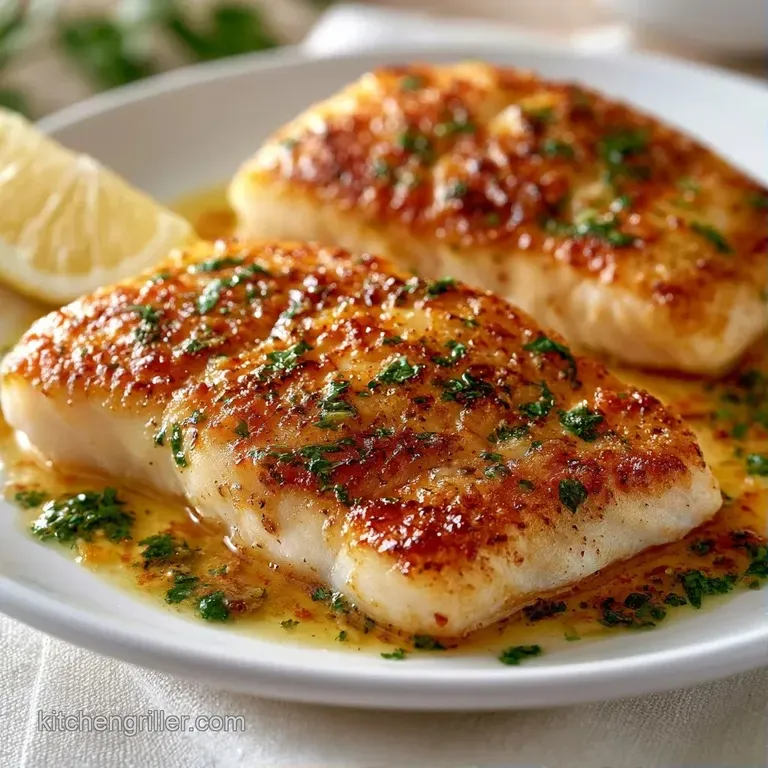
The most frustrating part of pan fried Fish is when the fillet breaks or sticks. Usually, this is a temperature or moisture issue.
Troubleshooting Common Issues
| Issue | Solution |
|---|---|
| Why Your Fish Sticks | If the fish won't budge, you likely put it in before the oil was hot enough. The proteins need to sear and contract to release from the metal. Give it another minute; it usually lets go on its own. |
| Why Your Fish Tears | Tearing happens when you flip too early or use a spatula that's too small. Use a wide fish spatula to support the entire fillet. |
| Why Your Fish Is Rubbery | This is a classic sign of overcooking. Fish continues to cook after you take it off the heat. Pull it when the center is just barely opaque. |
Adjusting the Portion Size
Cooking for one or a crowd? You can scale this, but the pan surface area matters.
Scaling Down (1-2 fillets): Use a smaller 8 inch skillet. Reduce the oil and butter by half. The cook time remains roughly the same, but be careful not to crowd the pan, or the temperature will drop.
Scaling Up (8+ fillets): Work in batches. If you crowd the pan, the fish will release moisture and boil in its own juices instead of searing. Use 1.5x the spices, but keep the oil per batch consistent.
If you're feeding a large group, you might find a different approach easier. For a heartier, breaded version for a crowd, my crispy fried catfish is a great alternative.
Debunking Fish Cooking Myths
You've probably heard that you need to flour the fish to stop it from sticking. That's not true. While flour creates a crust, it's a different texture. A clean sear on a dry fillet gives a more vibrant, fresh taste.
Another myth is that you should cook fish on "high" the whole time. This will burn the outside and leave the inside raw. The switch to medium for the butter baste is what ensures the middle is flaky and moist.
Storage and Zero Waste
If you have leftovers, store them in an airtight container in the fridge for up to 2 days. To reheat, avoid the microwave, which makes fish rubbery. Instead, pop them in a toaster oven or a dry pan over medium heat for 2 minutes per side.
Don't toss your lemon halves or garlic skins. I throw my lemon rinds and any unused thyme stems into a freezer bag. Once the bag is full, I simmer them with water and a bit of salt to make a quick seafood poaching liquid for next time.
Vibrant Sides and Pairings
Since this dish is rich and buttery, you need something bright and acidic to balance the plate. I love pairing this with a crisp arugula salad tossed in lemon and olive oil.
For a more substantial meal, try these color balanced pairings: - Blanched asparagus with a pinch of sea salt (Bright Green) - Roasted cherry tomatoes with balsamic glaze (Deep Red) - Sautéed baby spinach with garlic (Dark Green)
The goal is a plate that looks as fresh as it tastes. A few extra slices of fresh lemon and a sprinkle of chopped parsley right before serving adds that final urban, polished look.
Quick Decision Guide:
- Want a deeper crust? → Use a cast iron skillet.
- Want a lighter flavor? → Skip the butter baste and use more lemon.
- Want more aroma? → Double the garlic and add a pinch of paprika to the oil.
Recipe FAQs
What is the best way to pan-fry fish?
Pat fillets aggressively dry and sear in shimmering avocado oil over medium high heat. Cook undisturbed for 3 5 minutes before flipping and basting with butter, garlic, and thyme.
How to cook fish for diabetes type 2?
Stick to the avocado oil and lemon preparation. This method avoids refined sugars and heavy breading, focusing on lean protein and healthy fats.
Can heart patients eat fried fish?
Yes, when using heart healthy oils. Avocado oil provides a high smoke point and a better fat profile than traditional deep frying, making it a safer choice.
Do you dip fish in flour or egg first?
No, avoid dredging for this method. Patting the fish dry and seasoning with salt and pepper ensures a clean, golden sear without adding unnecessary carbohydrates.
What are some quick easy dinner recipes to make?
Pan-fry white fish fillets for a 15-minute meal. This pairs excellently with sides like Southern hush puppies for a complete dinner.
What are your best meal prep recipes for quick dinners?
Prep your aromatics and portion your fillets ahead of time. Smashed garlic and thyme sprigs can be stored together to streamline the 10-minute cook time.
What is your favorite quick dinner recipe?
This lemon butter white fish is a go-to favorite. It delivers a high end flavor profile with minimal effort and only a few fresh ingredients.
pan fried White Fish