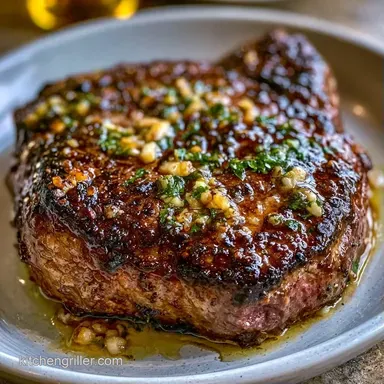
Crispy Pan Fried Steak: Cast Iron Method
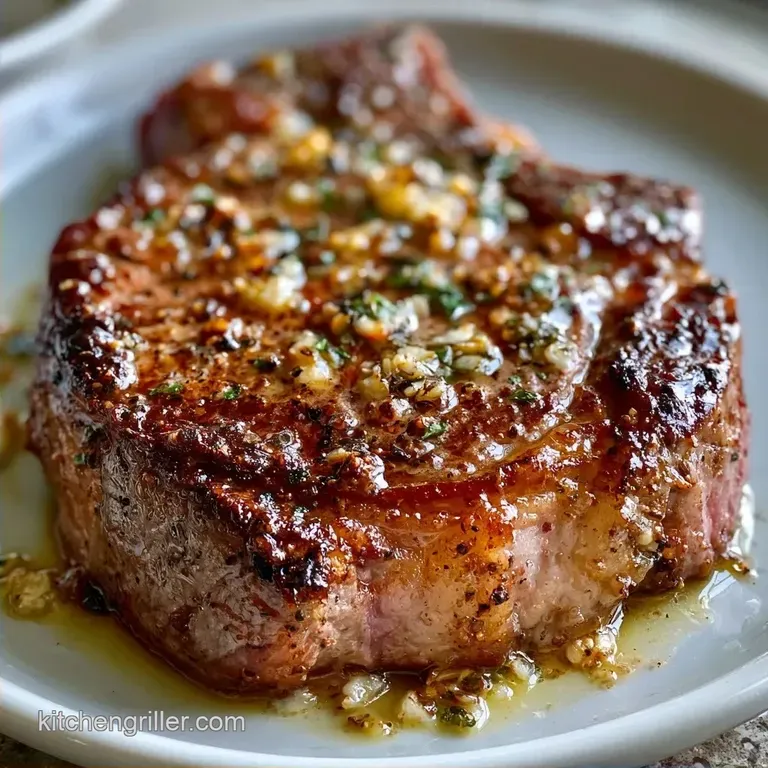
- Time: 5 min active + 15 min cooking
- Flavor/Texture Hook: Mahogany crust with a rich butter finish
- Perfect for: Urban date nights or a fresh, high protein dinner
Ever heard that loud, aggressive sizzle when a cold piece of meat hits a scorching pan? That sound is the first sign you're doing it right. There's something about the aroma of garlic and thyme bubbling in brown butter that makes a kitchen feel like a bistro in the middle of the city.
I remember my first attempt at this. I was so worried about the steak sticking that I kept flipping it every thirty seconds. I ended up with a grey, steamed piece of meat that had zero color. It was a total mess.
Now, I stick to a few basic rules. If you follow them, your pan fried Steak will have that restaurant style char and a center that stays juicy. Let's crack on.
The Key to pan fried Steak
The main goal is to get a hard sear without overcooking the inside. This happens when you remove surface moisture and use a pan that holds heat well, like cast iron.
Surface Dryness: Water on the steak creates steam, which prevents the meat from browning. Patting it dry ensures it fries instead of boils.
Heat Retention: A heavy skillet doesn't drop in temperature when the meat hits the surface. This keeps the searing process consistent throughout the cook.
| Speed | Method | Texture | Best For |
|---|---|---|---|
| Fast | High Heat Only | Heavy Crust / Rare Center | Thin cuts (1 inch) |
| Classic | Sear then Baste | Balanced Crust / Medium Rare | Thick cuts (1.5+ inches) |
What Makes the Crust Happen
The heat causes the sugars and proteins on the surface to brown and intensify. This creates those deep, savory notes that define a great steak.
Quick Recipe Specs
- - Internal Temp
- Aim for 130°F (54°C) for a medium rare finish.
- - Sear Time
- 3-4 minutes per side without moving the meat.
- - Rest Period
- Exactly 5 minutes before you touch a knife to the meat.
The Ingredient Breakdown
| Ingredient | What It Does | Best Swap |
|---|---|---|
| Avocado Oil | High heat stability | Grapeseed Oil |
| Unsalted Butter | Adds rich flavor/color | Ghee |
| Garlic Cloves | Aromatic base | Garlic Powder (pinch) |
Essential Components
- 1 (12 oz / 340g) Ribeye or Sirloin steak Why this? High fat content helps the sear.
- 1 tbsp (15ml) Avocado oil Why this? It won't smoke or burn at high temps.
- 1 tsp (6g) Coarse Kosher salt Why this? Larger grains penetrate the meat better.
- ½ tsp (1g) Freshly cracked black pepper Why this? Fresh is more pungent than pre ground.
- 3 tbsp (42g) Unsalted butter Why this? Allows you to control the salt level.
- 3 cloves (9g) Garlic, smashed Why this? Smashed releases oils more effectively.
- 3 sprigs (1g) Fresh thyme or rosemary Why this? Adds a woody, fresh aroma.
Necessary Kitchen Gear
You don't need a professional kitchen, but a few tools make this easier. A cast iron skillet is my go to because it gets incredibly hot and stays there. If you don't have one, a heavy stainless steel pan works too.
Avoid non stick pans. They can't handle the high heat needed for a proper sear and can release fumes if they get too hot. You'll also need a pair of sturdy tongs and a meat thermometer. Trust me, guessing the doneness is how you end up with a leather shoe.
Step-by-step Cooking Guide
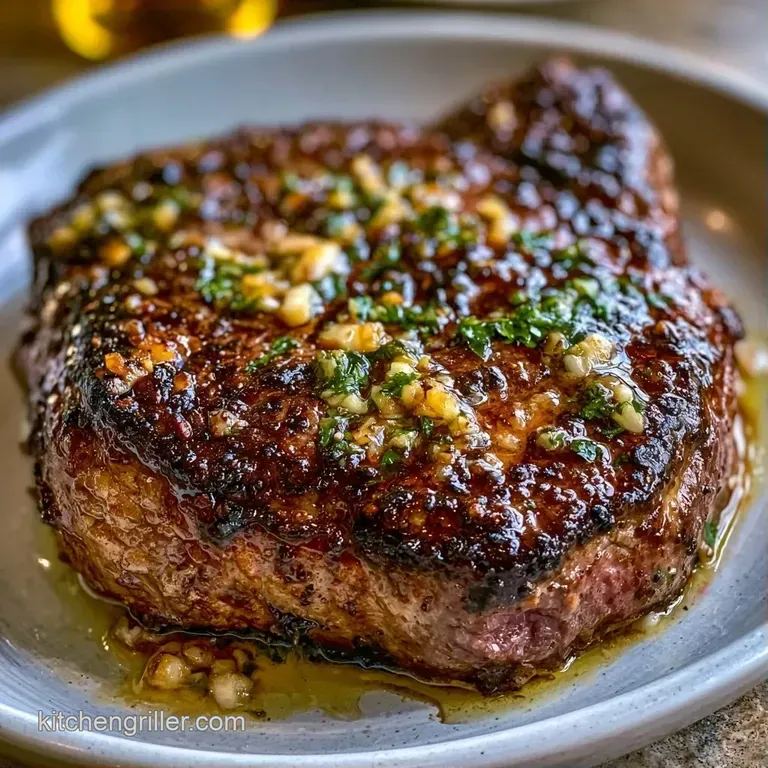
Phase 1: Preparing the Surface
- Remove the steak from the fridge 30 minutes before cooking to temper. Note: This helps it cook more evenly.
- Use paper towels to pat the steak aggressively dry on all sides. Note: This is the most important step for a crust.
- Season the steak generously with salt and pepper on all sides.
Phase 2: Achieving the Sear
- Heat a cast iron skillet over high heat with avocado oil until the oil shimmers and barely begins to smoke.
- Carefully place the steak in the pan, laying it away from you. Press down slightly for full contact.
- Sear for 3–4 minutes without moving the steak until a deep mahogany crust forms, then flip.
- Use tongs to hold the steak on its side to render the fat cap until golden and crispy.
Phase 3: The Butter Baste Finish
- Reduce heat to medium high and add butter, smashed garlic, and herbs.
- Tilt the pan and continuously spoon the bubbling butter over the steak for the final 2–3 minutes of cooking. Note: This creates a silky finish and adds depth.
- Remove steak from pan and let it rest for 5 minutes before slicing.
Pro Tips and Pitfalls
Chef's Note: If you want a more aggressive crust, try seasoning with salt about 40 minutes before cooking. This allows the salt to draw moisture out and then re absorb it, which helps the exterior dry out even more.
If you're looking for more vibrant sides, these pair well with pan fried sweet potatoes for a full meal.
Decision Shortcut:
- If you want a thicker crust, pat the steak dry a second time right before it hits the pan.
- If you want a more garlic forward taste, mince one of the cloves instead of smashing it.
- If you're using a very lean cut, reduce the searing time by 1 minute to avoid toughness.
Fixing Common Issues
Sometimes things go sideways. Usually, it's a temperature issue. If your butter turns black, your pan is too hot for the basting phase. If the meat is grey, you likely didn't get the pan hot enough before adding the oil.
| Problem | Root Cause | Solution |
|---|---|---|
| Steak sticks | Pan not hot enough | Wait for oil to shimmer before adding meat |
| Butter burns | Heat too high during baste | Drop to medium high before adding butter |
| Grey exterior | Surface was too wet | Pat dry with more paper towels |
Customizing Your Steak
You can tweak this based on what's in your fridge. For a more peppery finish, use coarsely cracked Tellicherry peppercorns. They provide a punchier flavor that cuts through the fat of a ribeye.
If you prefer a different herb, sage works wonders with sirloin. For those avoiding dairy, substitute the butter with a high-quality ghee or a bit more avocado oil, though you'll lose that nutty, browned butter flavor.
For those who like a thicker cut, I recommend a "Pan Seared Steak then Oven" approach. Sear it for 3 minutes per side, then put the whole skillet in a 400°F (200°C) oven for about 5-7 minutes.
Storage and Leftover Tips
Leftover pan fried Steak is still great, but reheating it is where most people fail. If you microwave it, you'll turn it into rubber. Instead, slice the meat thinly and flash fry it in a pan for 60 seconds.
You can also turn the leftovers into steak quesadillas for a quick lunch. Store the cooked meat in an airtight container in the fridge for up to 3 days.
Zero Waste Tips: Don't throw away the leftover butter in the pan. It's infused with garlic and thyme. Pour it over roasted vegetables or use it to toast a piece of sourdough bread. The browned bits of meat stuck to the pan (the fond) can be deglazed with a splash of red wine to make a quick pan sauce.
Serving Suggestions
Present your steak on a warm plate to keep it from cooling down too quickly. I love slicing it against the grain and pouring any resting juices back over the top.
For a modern bistro plate, serve it with a side of vibrant chimichurri or a dollop of horseradish cream. A simple arugula salad with a lemon vinaigrette balances the richness of the butter.
Steak Myths Debunked: - "Searing seals in the juices." This is false. Searing creates flavor and texture, but moisture loss happens throughout the entire cooking process. - "You must let meat reach room temperature." While it helps, it's not a requirement.
A thick steak will take hours to truly reach room temp. Just don't cook it ice cold.
When you finally bite into a pan fried Steak made this way, you'll notice the contrast between the salty, charred exterior and the tender center. It's simple, but when you get the timing right, it's the best way to eat beef.
Critical Sodium Level
2340 mg 2,340mg of sodium per serving (102% 102% of daily value)
The American Heart Association recommends a daily limit of no more than 2,300mg, with an ideal limit of 1,500mg for most adults to reduce cardiovascular risk.
Tips to Reduce Sodium
-
Reduce Kosher Salt-25%
Reduce the coarse kosher salt by half or replace it with a low-sodium salt alternative to significantly cut the primary sodium source.
-
Add Acidic Brightness-10%
Squeeze fresh lemon juice over the steak after cooking; the acidity tricks the palate into perceiving more saltiness.
-
Increase Aromatics-5%
Increase the amount of smashed garlic and fresh thyme to enhance the savory profile, reducing the reliance on salt for flavor.
-
Use Flavorful Spices
Incorporate freshly cracked black pepper or a pinch of smoked paprika to add depth and complexity without adding sodium.
Recipe FAQs
How to make a steak crispy in a pan?
Pat the steak aggressively dry with paper towels. Use avocado oil over high heat and sear for 3 4 minutes without moving the meat to develop a deep mahogany crust.
Why must the steak be tempered before cooking?
Ensure the meat reaches room temperature. Removing the steak from the fridge 30 minutes prior prevents the center from staying raw while the outside overcooks.
Can I use butter for the initial sear?
No, use avocado oil for the first step. Butter has a low smoke point and will burn at the high temperatures required for a proper sear; save the butter for the final basting phase.
Why is it necessary to pat the meat dry?
Remove surface moisture to prevent steaming. Water on the surface creates steam in the pan, which blocks the browning process and prevents a crispy crust from forming.
What are some great side dishes for steak?
Pair it with roasted vegetables or potatoes. For a classic breakfast for-dinner feel, these steaks go perfectly with crispy hash browns.
How to reheat leftover steak without overcooking it?
Flash fry thinly sliced meat in a pan for 60 seconds. Avoid using a microwave, as it often turns the steak rubbery and ruins the texture.
Is it true that resting the meat is optional?
No, this is a common misconception. Letting the steak rest for 5 minutes ensures the juices redistribute, preventing them from leaking out during slicing.
Crispy pan fried Steak