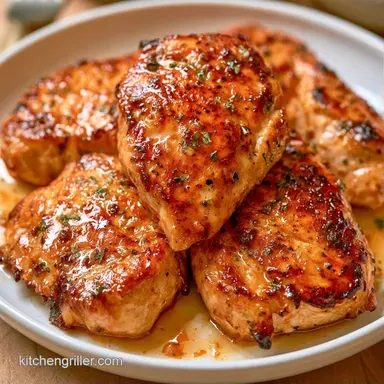
Juicy Boneless Chicken Thighs: Roasted
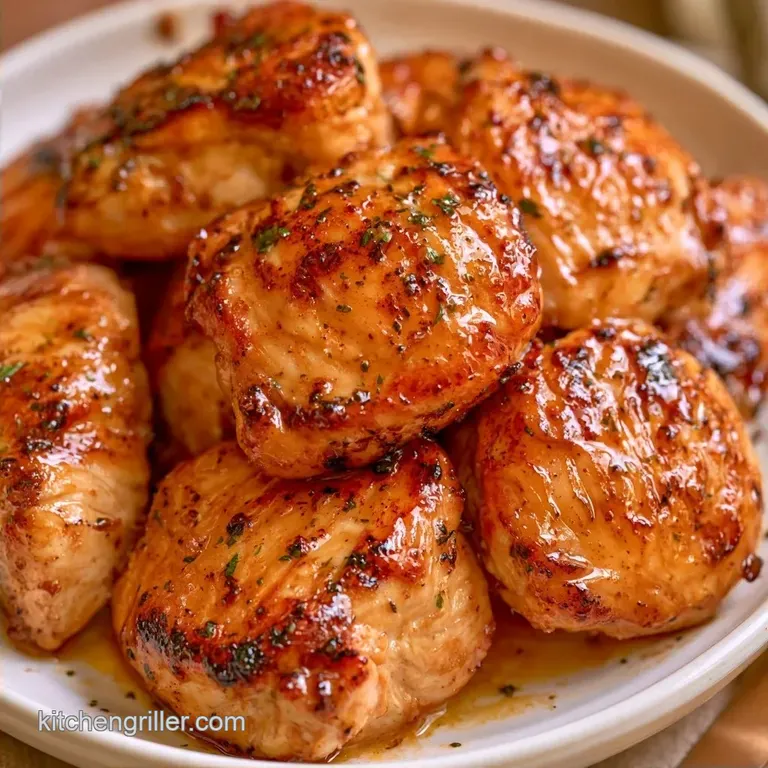
- Time: 10 min active + 25 min roasting
- Flavor/Texture Hook: Smoky, caramelized crust with a velvety interior
- Perfect for: Fast weeknight dinners and budget meal prep
I can still smell the scent of grey, steamed meat from the first few times I tried this. I used to toss the meat in a pan and just hope for the best, only to end up with rubbery strips that looked like they'd been boiled in a bag.
It's a frustrating experience when you're starving after work and the dinner looks pale and unappetizing.
The problem is almost always surface moisture. When the meat is damp, the oven creates steam instead of a sear, which keeps the temperature too low for a proper crust. I stopped guessing and started focusing on the dry pat technique, which changes everything.
You can expect a mahogany colored finish and meat that actually pulls apart easily. These Boneless Chicken Thighs are a budget-friendly win because you get a high end result using basic pantry spices.
Fast Facts for Boneless Chicken Thighs
Precision with your timer is the key to keeping the meat tender instead of tough. Monitor the internal temperature with a probe, removing it at 165°F (74°C) to keep it from drying out.
Precision Checkpoints:
- Oven Temp: 425°F (218°C)
- Internal Temp: 165°F (74°C)
- Roast Time: 20-25 minutes
The cooking technique you select will impact the overall texture. An oven is a convenient, passive option, while the stovetop offers more hands-on control.
| Method | Time | Texture | Best For |
|---|---|---|---|
| Oven | 25 mins | Evenly roasted | Large batches |
| Stovetop | 15 mins | Hard sear | Quick single meals |
What Nobody Tells You
Cooking this cut is different from cooking breasts. If you treat them the same, you'll lose the best parts of the meat.
- High Heat: A 425°F (218°C) oven triggers a chemical reaction that browns the surface quickly. This creates a savory crust before the inside overcooks.
- Surface Dryness: Water is the enemy of browning. Removing it allows the oil and spices to stick and fry against the meat.
If you're in a real rush and don't want to wait for the oven to heat up, my skillet chicken thighs approach is a great alternative for a faster sear.
Gathering Your Essentials
Follow these proportions to maintain the ideal balance between salt and smoke. Be careful not to add too much cayenne, as it can mask the taste of the honey glaze.
| Ingredient | Role | Substitutions |
|---|---|---|
| Boneless skinless chicken thighs (2 lbs) | Primary protein | Boneless skin-on thighs (add 5 min to cook time) |
| Olive oil (2 tbsp) | Cooking fat | Avocado or melted coconut oil |
| Smoked paprika (1 tsp) | Color and depth | Standard paprika (less smoky) |
| Garlic powder (1 tsp) | Savory base | Onion powder (increase quantity) |
| Honey (1 tsp) | Glaze sweetness | Maple syrup or brown sugar |
| Melted butter (1 tbsp) | Richness | Margarine or ghee |
The Dry Rub Mix:
- 1/2 tsp onion powder
- 1 tsp kosher salt
- 1/2 tsp cracked black pepper
- 1/4 tsp cayenne pepper
The Finishing Glaze: - 1 clove minced garlic (fresh)
Equipment Needed
Standard kitchen tools are all you'll need. A simple tray and a few bowls are sufficient.
- Large mixing bowl
- Parchment paper (stops sticking and speeds up cleanup)
- Baking sheet
- Meat thermometer (crucial for precision)
- Small microwave-safe bowl (for the glaze)
- Pastry brush or spoon
Step-by-step Instructions
Phase 1: Protein Preparation
- Thoroughly pat the chicken thighs dry using paper towels. Note: This prevents the meat from steaming.
- Place the thighs in a bowl and toss with olive oil until evenly coated.
- Rub the smoked paprika, garlic powder, onion powder, salt, black pepper, and cayenne into the meat until the seasoning is fully embedded.
- Arrange the thighs on a parchment-lined baking sheet, leaving one inch of space between each piece.
Phase 2: High-Heat Roasting
- Preheat your oven to 425°F (218°C).
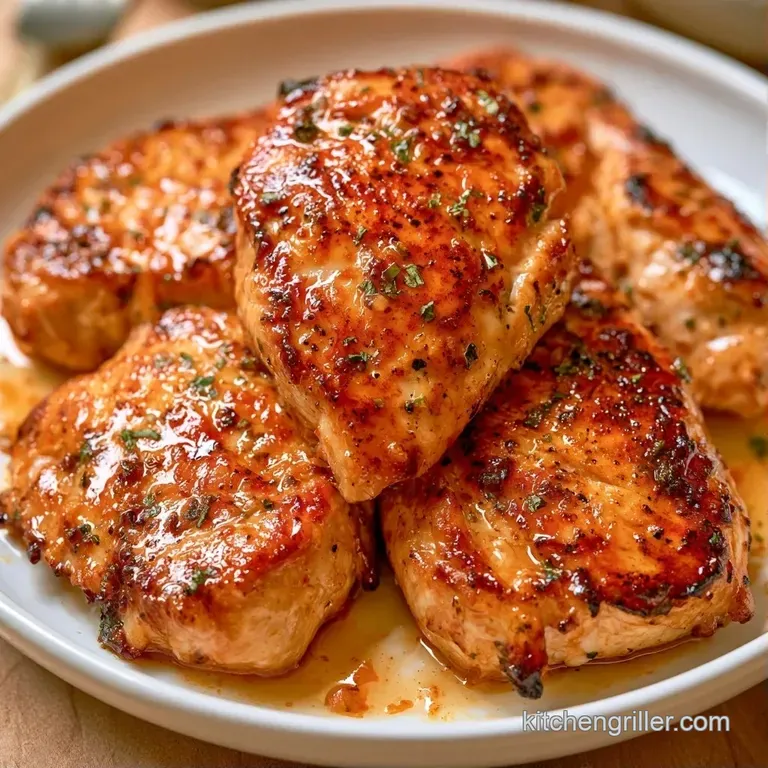
- Roast for 20-25 minutes until the edges are deep golden brown.
- Combine the melted butter, honey, and minced garlic in a small bowl.
- Brush the glaze over the meat during the final 2 minutes of cooking.
Phase 3: The Resting Period
- Remove the tray from the oven once the meat hits 165°F (74°C).
- Transfer to a plate and tent loosely with foil. Let the chicken rest for 5-10 minutes until the juices redistribute.
How to Fix Common Problems
It's easy to mess up the texture if you're not watching the cues. Most issues come down to heat management and pan space.
Fixing Pale Meat
If your chicken looks grey or white instead of brown, you probably crowded the pan. When pieces touch, they release moisture that traps steam around the meat. Use a larger tray next time and ensure a gap between each thigh.
Preventing Rubbery Texture
Rubbery meat usually happens when you overcook it. Unlike breasts, thighs are forgiving, but they still have a limit. Stop cooking the second you hit 165°F (74°C). Remember that the temperature rises another 5 degrees while resting.
Managing Burnt Spices
If the paprika tastes bitter or looks black, your oven may run hot. Try moving the rack from the top to the center. You can also add a tiny bit more oil to the rub to protect the spices from direct heat.
Decision Shortcut:
| Goal | What to change |
|---|---|
| More char | Increase heat to 450°F |
| Lower salt | Swap kosher salt for sea salt |
| Extra spice | Double the cayenne |
Make-ahead and Leftover Tips
These Boneless Chicken Thighs store beautifully, and the flavors often deepen and improve by the next day.
Fridge and Freezer Place any remaining chicken in a tight container in the refrigerator for 3-4 days. If freezing, allow the meat to cool completely first. They will stay fresh in the freezer for around 3 months.
Reheating for Maximum Texture Skip the microwave if possible to avoid rubbery meat. Instead, return them to the oven at 350°F (175°C) for 10 minutes. This restores the exterior crust without drying out the middle.
Zero Waste Tips Save any leftover glaze or pan drippings; stir them into quinoa or white rice for an easy flavor upgrade. Any leftover dry rub works great on roasted carrots or potatoes.
Mix It Up
Once you have the base method down, you can swap the flavors to keep your weeknight rotation fresh.
For a Mediterranean Vibe
Swap the smoked paprika for dried oregano and add a squeeze of fresh lemon juice after roasting. This pairs great with a side of feta and olives.
For a Low Carb Option
Skip the honey in the glaze. Use a touch of monk fruit sweetener or just stick to the garlic butter. You won't lose much flavor, and it keeps the sugars low.
For a Different Heat Source
If you have a gas grill, you can use a grilled version for an even deeper char. Just keep the heat medium high to avoid burning the honey glaze.
Perfect Complements
Since the meat is rich and savory, you need sides that cut through the fat with some acidity or freshness.
The Classic Pairing Steamed broccoli or roasted asparagus works well here. The charred bits of the veg match the smoky paprika in the chicken.
The Fresh & Light Option A cold cucumber salad with rice vinegar and sesame seeds provides a sharp contrast to the butter honey glaze.
The Hearty Route Mash some Yukon Gold potatoes with plenty of black pepper. The creamy texture of the potatoes absorbs the extra glaze from the plate.
Debunking Chicken Myths
Searing meat does not "seal in juices." That's a common myth. Moisture loss happens regardless of how you start the cook. The sear is actually about flavor and creating a crust through browning.
Another misconception is that all chicken must be cooked to 185°F to be safe. While some people prefer the texture of very well done thighs, 165°F (74°C) is the USDA standard for safety. Going too far past that point is exactly why your meat ends up feeling like rubber.
Recipe FAQs
What is the best way to cook boneless, skinless chicken thighs so they are juicy?
Pat the meat dry and roast at 425°F for 20–25 minutes. Let them rest for 5–10 minutes under foil to lock in the juices.
Why does boneless chicken sometimes turn out dry?
Overcooking the meat beyond 165°F destroys the muscle fibers. Using a meat thermometer ensures you pull them at the exact moment of doneness.
Is it better to bake boneless chicken thighs at 350 or 400 degrees?
Actually, no. Roast them at 425°F to get a better sear while keeping the inside moist.
How to keep boneless, skinless chicken thighs moist in the oven?
Brush a honey and butter glaze over the meat during the last 2 minutes of cooking. This creates a protective layer that seals in moisture.
Do I need to sear thighs in a pan before roasting them?
No, and here's why. A high oven temperature of 425°F achieves a similar effect on a parchment-lined sheet.
Which sides pair best with these roasted thighs?
Serve these with a side of grilled corn for a complete meal. The sweetness of the corn complements the smoked paprika rub perfectly.
Roasted Boneless Chicken Thighs for 4